We Love Everything About Reptiles
Reptile Explorer is an educational resource for people curious about reptiles. We publish accessible articles about species, habitats, behaviour, anatomy, conservation and responsible captive care. Our goal is to help readers explore these animals with greater accuracy and appreciation, while making clear when guidance must be species-specific or reviewed with a qualified reptile veterinarian. Whether you are a keeper, student, educator or wildlife enthusiast, the site is a starting point for informed reading. It is not a substitute for professional veterinary or wildlife advice.
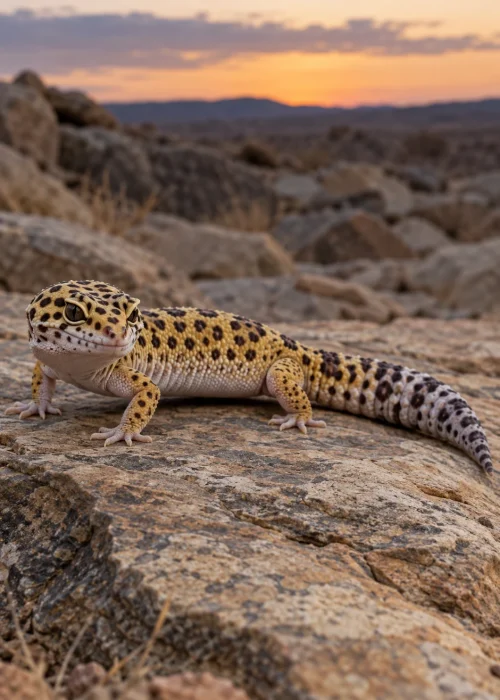
Why We Do It
Our purpose is to make learning about reptiles more approachable without losing sight of their complexity. We want readers to move beyond stereotypes, appreciate the differences between species and ask better questions about their care and conservation. By bringing related topics together, Reptile Explorer helps curious readers build understanding and recognize when they need specialist advice.
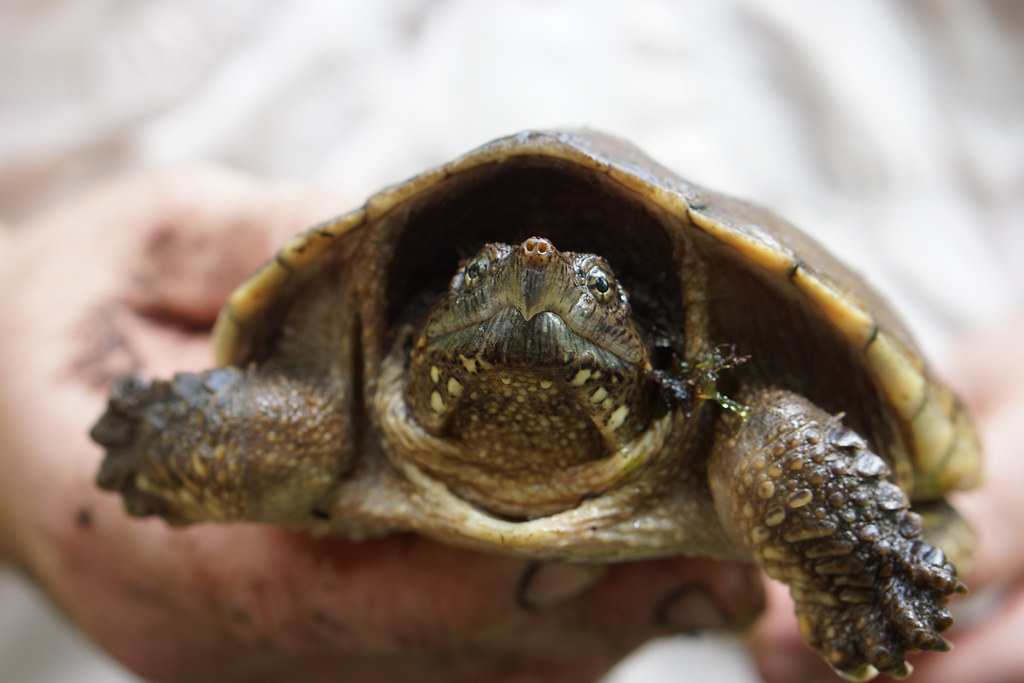
Our Approach
We organize the site around the questions readers ask most: which reptile they are looking at, where it lives, how it behaves, how its body works, what threatens it and what responsible captive care requires. Articles connect related topics so readers can move from a broad overview to focused species, habitat, conservation and care pages. Because reptiles vary enormously, the site emphasizes species-specific evidence and clearly separates general education from veterinary or wildlife advice.
Why Trust Us?
- Editorial Scope
Reptile Explorer publishes educational summaries across reptile biology, behaviour, habitats, conservation and responsible care. Articles do not replace specialist review, and we welcome well-supported corrections.
- Topic Coverage
The library covers species, habitats, behaviour, anatomy, conservation and responsible captive care. Related-topic navigation helps readers continue from broad overviews to focused pages.
- Species-Specific Context
Reptile needs and risks vary by species and individual. General care articles are educational starting points, not personalized veterinary or wildlife advice.
- Transparent Standards
We aim to distinguish established information from broad generalization and uncertainty. Important claims should be checked against current scientific, conservation and veterinary sources.
- Educational Guidance
Articles explain reptile topics in accessible language and avoid presenting broad rules as universal facts. Check current specialist sources when a decision affects animal health, welfare, legal compliance or wildlife safety.
- Welfare and Ethics
Responsible reptile interest starts with animal welfare, legal compliance and respect for wild populations. Avoid handling or removing wildlife unless qualified local guidance supports it.
- Transparent Standards
We aim to distinguish established information from broad generalization and uncertainty. Important claims should be checked against current scientific, conservation and veterinary sources.
- Educational Guidance
Articles explain reptile topics in accessible language and avoid presenting broad rules as universal facts. Check current specialist sources when a decision affects animal health, welfare, legal compliance or wildlife safety.
- Welfare and Ethics
Responsible reptile interest starts with animal welfare, legal compliance and respect for wild populations. Avoid handling or removing wildlife unless qualified local guidance supports it.
How We Do It
01
Define the Question
We begin with a clear reader question and identify the species, habitat or husbandry context needed to answer it. That keeps broad introductions from being mistaken for universal rules.
02
Review Reliable Sources
We compare appropriate scientific, conservation, veterinary and specialist sources, then write for general readers. Claims that can change should be checked again against current primary or authoritative guidance.
03
Editorial Standards
Clear scope matters as much as clear writing. Our editorial aim is to identify the relevant species and context, explain uncertainty and avoid unsupported claims of expertise or universal care rules. Readers can send a correction with the article URL and supporting source through our contact page.
04
Educational Resources
Our article library covers responsible ownership, common myths, conservation and the habitats reptiles depend on. Related-topic navigation helps readers continue from introductory pages to more focused articles.
05
Conservation Context
We connect species and habitat information with threats, conservation status and the practical limits of human intervention. Regulations and assessments can change, so important decisions should be checked against current local authorities and specialist sources.
06
Responsible Observation
Wild reptiles should be observed without unnecessary handling, disturbance or removal. Captive care guidance should prioritize welfare, legal sourcing and the biological needs of the identified species.
How to Use This Site
Care, diet, temperature, humidity and handling needs vary by species. Identify the animal first and consult species-specific, current sources.
Frequently Asked Questions
The site covers snakes, lizards, turtles, tortoises and crocodilians, with articles on species, habitats, behaviour, anatomy, conservation and responsible captive care.
Yes. Care articles explain general husbandry concepts and selected species needs, but they are educational starting points. Confirm current requirements for the identified species and consult a qualified reptile veterinarian for health concerns.
Reptile Explorer connects broad introductions with more focused species, habitat, behaviour, conservation and care pages. We aim to explain uncertainty and avoid presenting general guidance as a substitute for specialist advice.
Safe interaction depends on the species, the individual animal and its health. Keep handling necessary and low-stress, learn the species’ defensive behaviour, practise appropriate hygiene and stop if the animal shows distress.
Articles describe habitat pressures, trade and collection concerns, conservation status and responsible wildlife observation. Specific status assessments and regulations can change, so verify important decisions with current conservation authorities.
No. Heat, light, ultraviolet exposure, humidity and day length vary by species, life stage and environment. Use current species-specific guidance, measure conditions in the enclosure and seek veterinary advice when health or welfare is affected.
What kind of reptiles can I learn about?
Do you provide care guides for reptiles kept as pets?
What makes Reptile Explorer different?
How can I interact with a pet reptile safely?
Does the site cover reptile conservation?
Are lighting and temperature needs the same for every reptile?
Questions or Corrections?
Questions about an article, a correction or the website are welcome. Reptile Explorer is an educational publisher and does not sell animals or supplies, provide veterinary treatment or operate a live-animal service. For an urgent animal-health concern, contact a qualified reptile veterinarian.