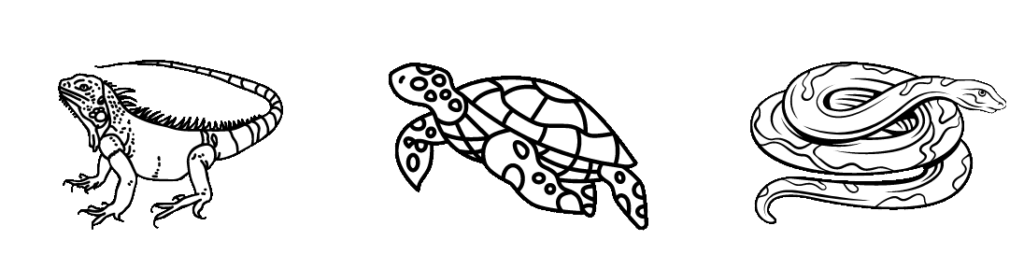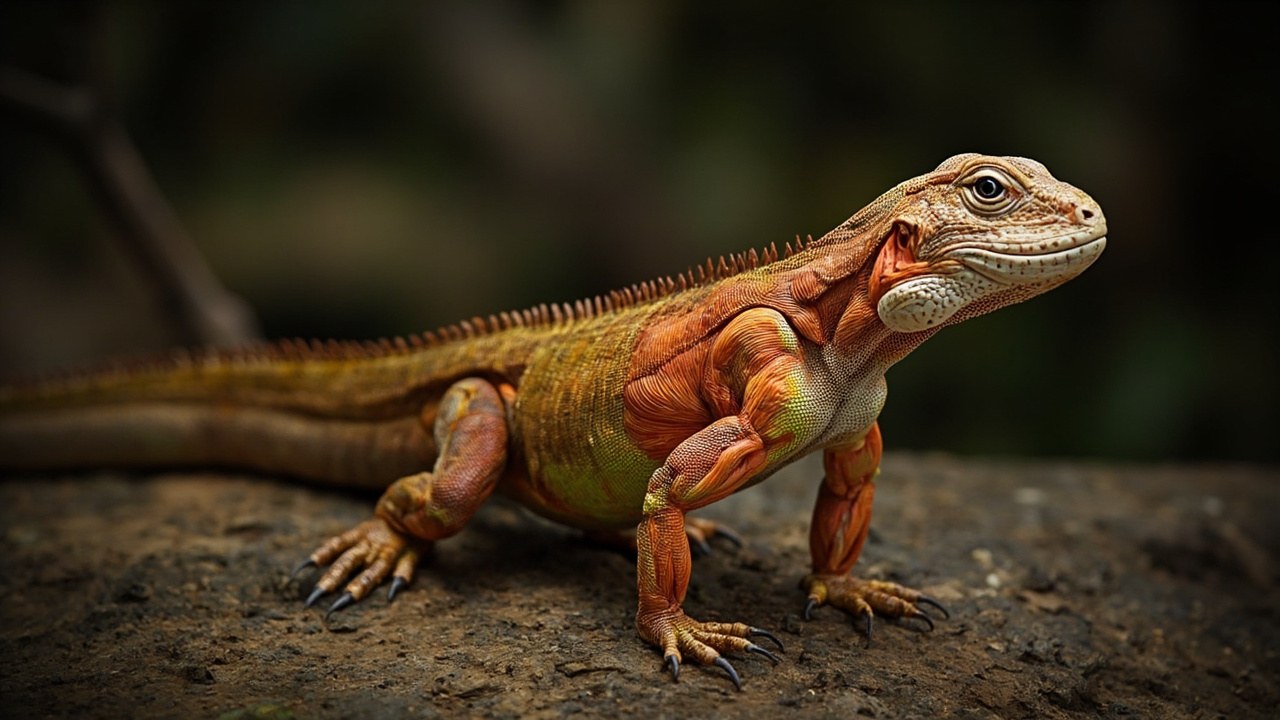
How Reptile Muscles Support Movement
Reptile muscles power movement, feeding, breathing and posture. Their arrangement and performance vary with body form, temperature and activity.
More Reptile Info
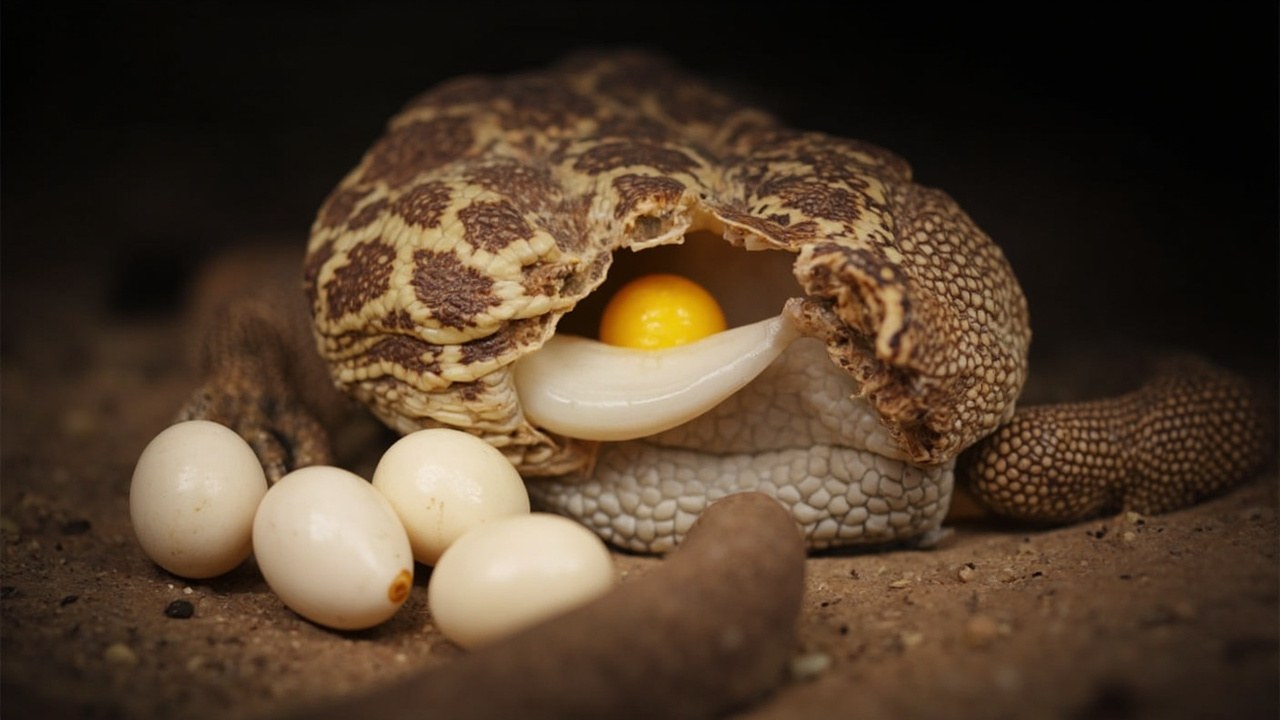
Reproduction in Reptiles: Anatomy and Variation
Reptile reproductive anatomy differs among turtles, crocodilians, tuatara, snakes and lizards. Internal fertilisation, egg laying, live birth and reproductive timing...
More Reptile Info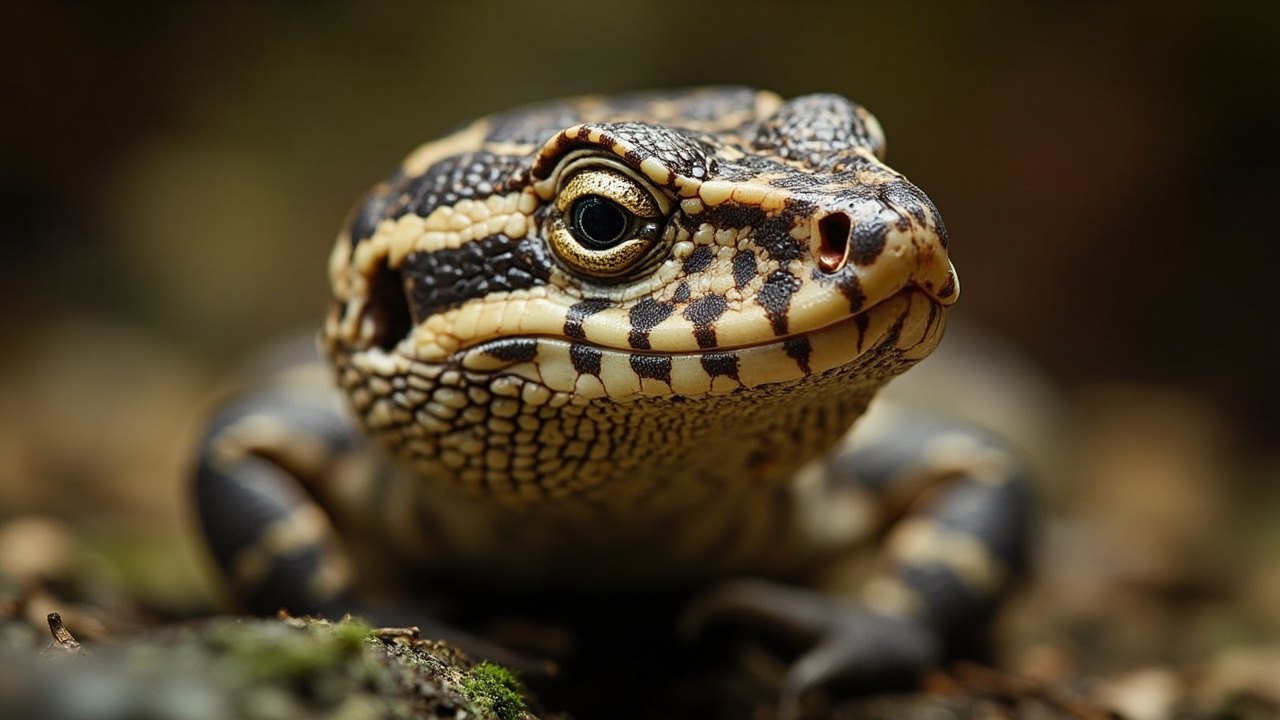
Reptile Skin: Scales, Scutes and Osteoderms
Reptile skin includes scales, scutes and, in some groups, bony osteoderms. Structure and shedding patterns vary by lineage and habitat.
More Reptile Info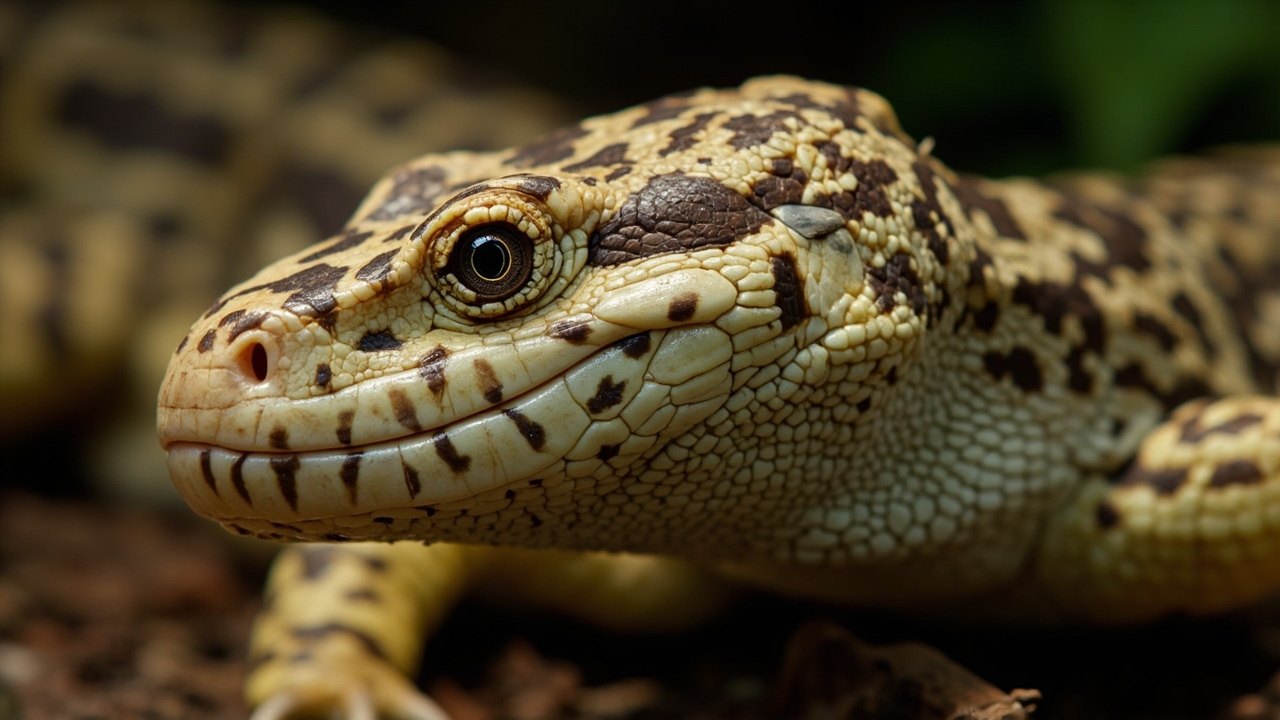
Reptile Sensory Organs: Sight, Sound and Chemical Cues
Reptile eyes, ears, chemical-sensing organs and heat receptors vary across lineages. No single sensory description applies to every turtle, crocodilian,...
More Reptile Info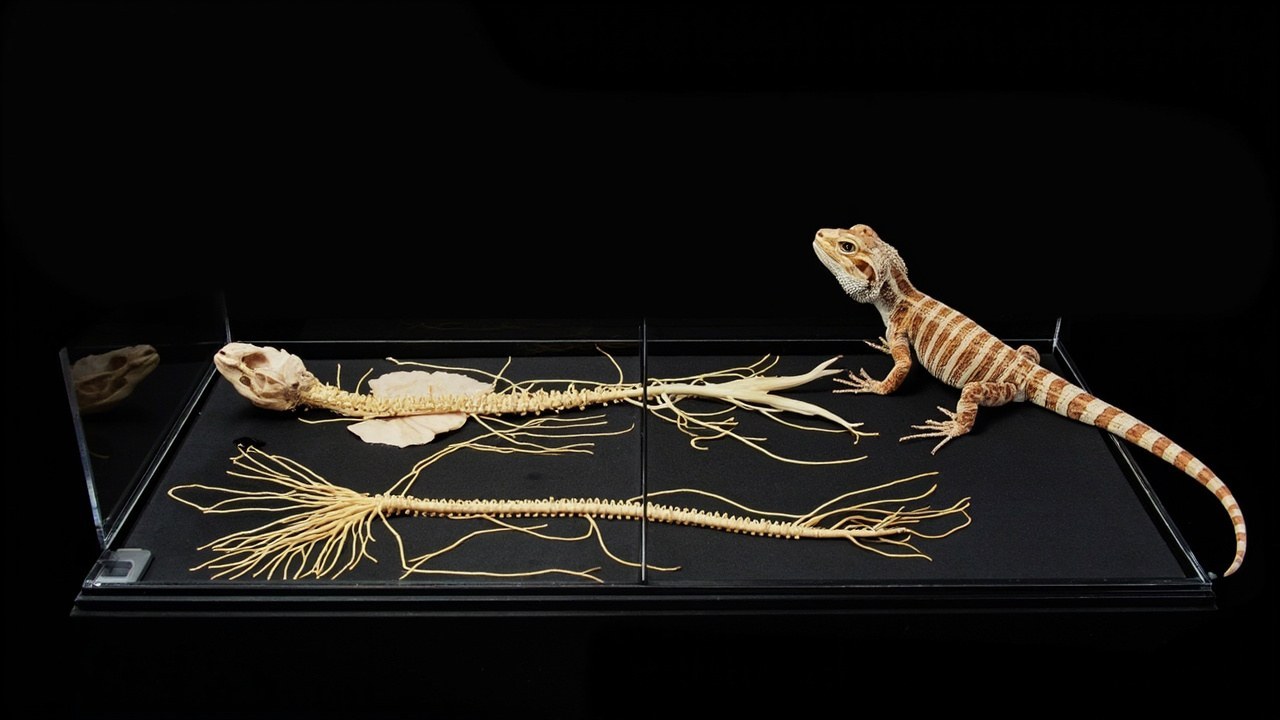
The Reptile Nervous System: Senses, Signals and Control
Reptile nervous systems process visual, chemical, tactile and other signals. Specialized senses occur in some lineages, not all reptiles.
More Reptile Info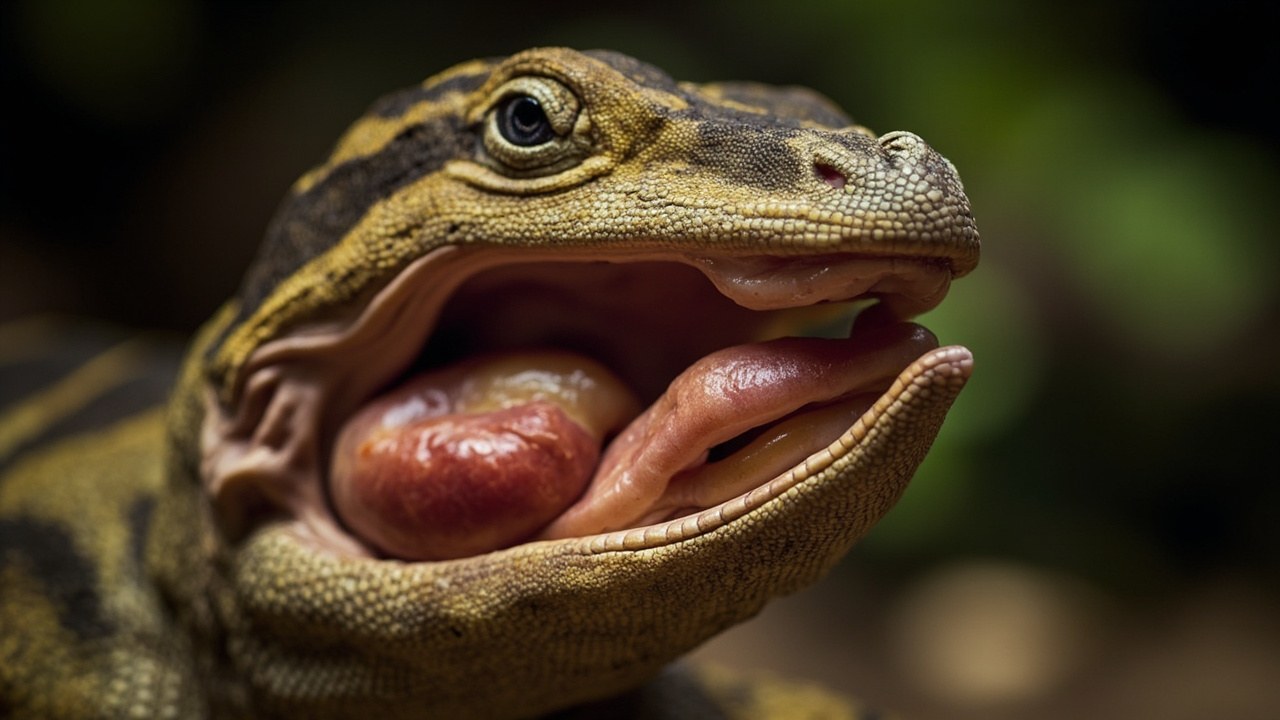
Reptile Digestion: Diet Shapes the Digestive Tract
Reptile digestive tracts reflect diet and feeding pattern. Herbivorous species often rely on enlarged gut regions and microbial fermentation.
More Reptile Info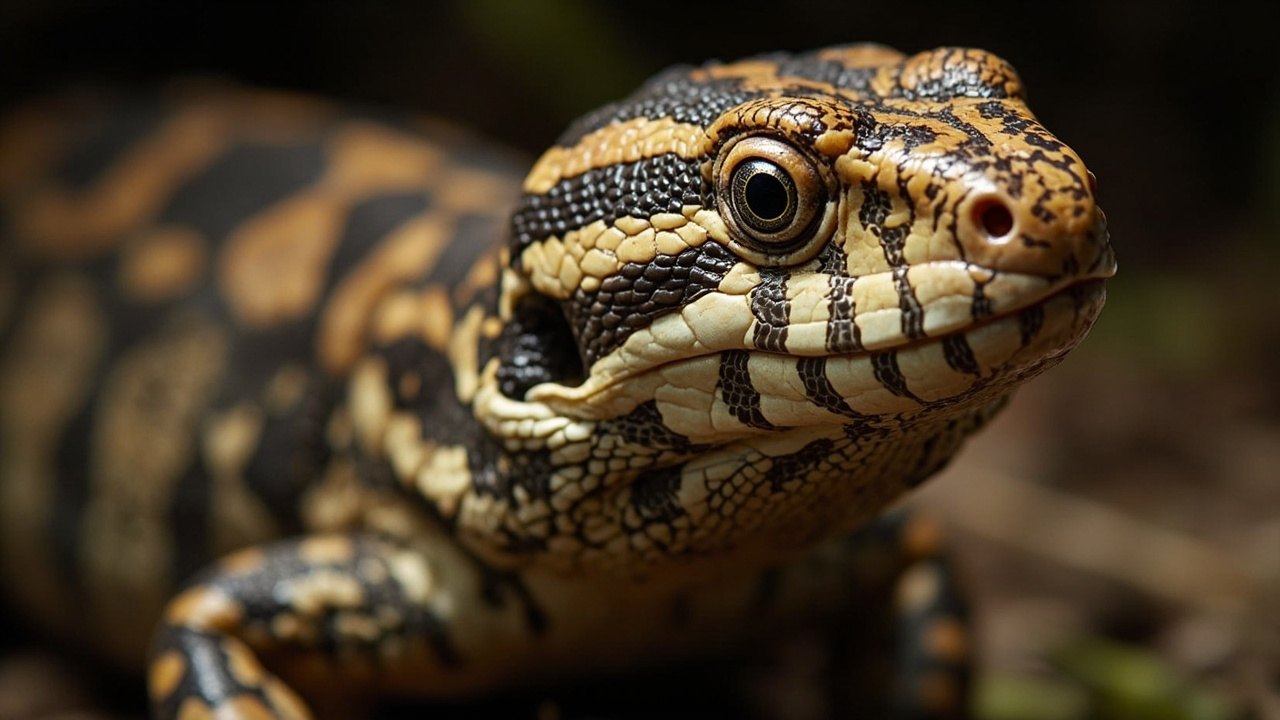
How Reptiles Breathe: Diverse Lung and Ventilation Systems
Reptile ventilation varies among lineages. Most use movements of the ribs and body wall, while some turtles and crocodilians use...
More Reptile Info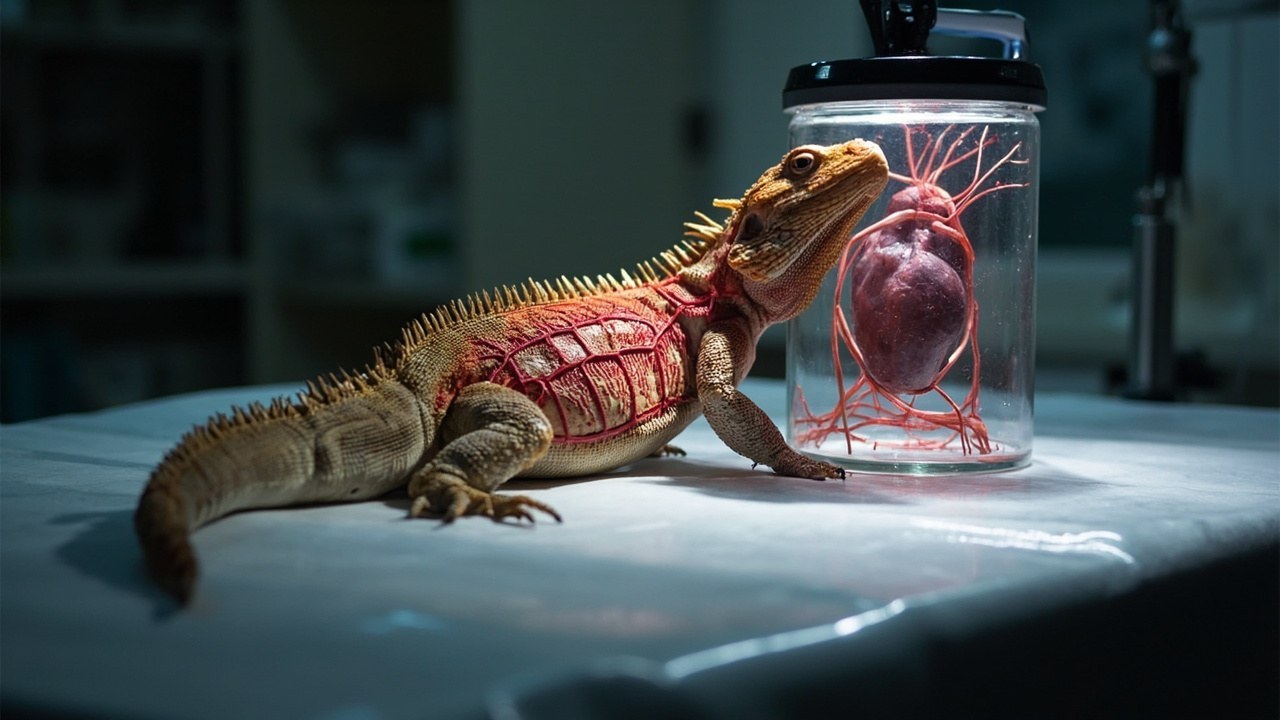
Reptile Circulation: Hearts, Shunts and Oxygen Delivery
Reptile circulation varies among lineages. Heart structure and blood-flow shunts help meet demands for breathing, digestion and activity.
More Reptile Info