Desert Explorers
- Home
- Deserts
Earth's Dry Landscapes
Informational Resources
Arabian Deserts Elusive Herpetofauna
Arabian deserts support reptiles adapted to dunes, gravel plains, mountains and wadis. Species accounts must match each animal's known range.
Read Habitat InfoReptiles of the Atacama Desert
The Atacama includes coastal, interior and high-elevation habitats. Reptile diversity and survival strategies vary across this dry landscape.
Read Habitat InfoReptiles of the Chihuahuan Desert
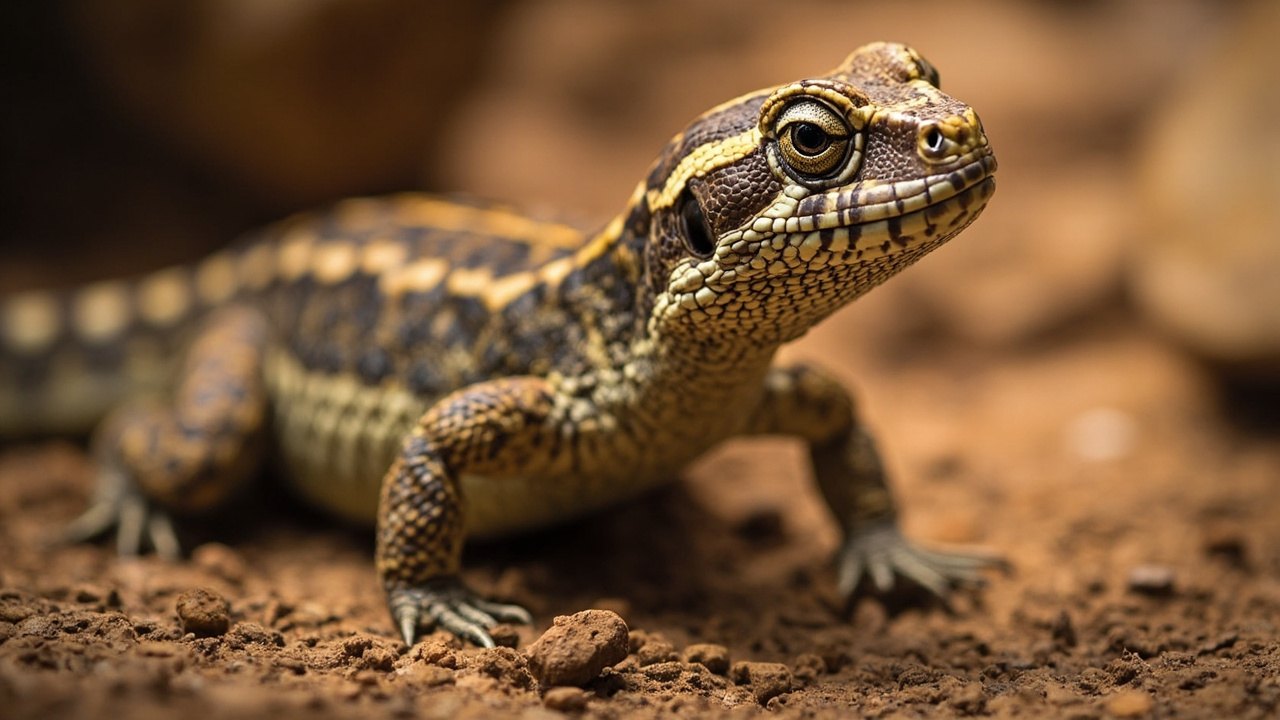
The Chihuahuan Desert includes grassland, scrub, rocky slopes and arroyos. Its reptiles use different shelters and activity patterns by species.
Read Habitat InfoNamib Web-footed Geckos of Coastal Dunes
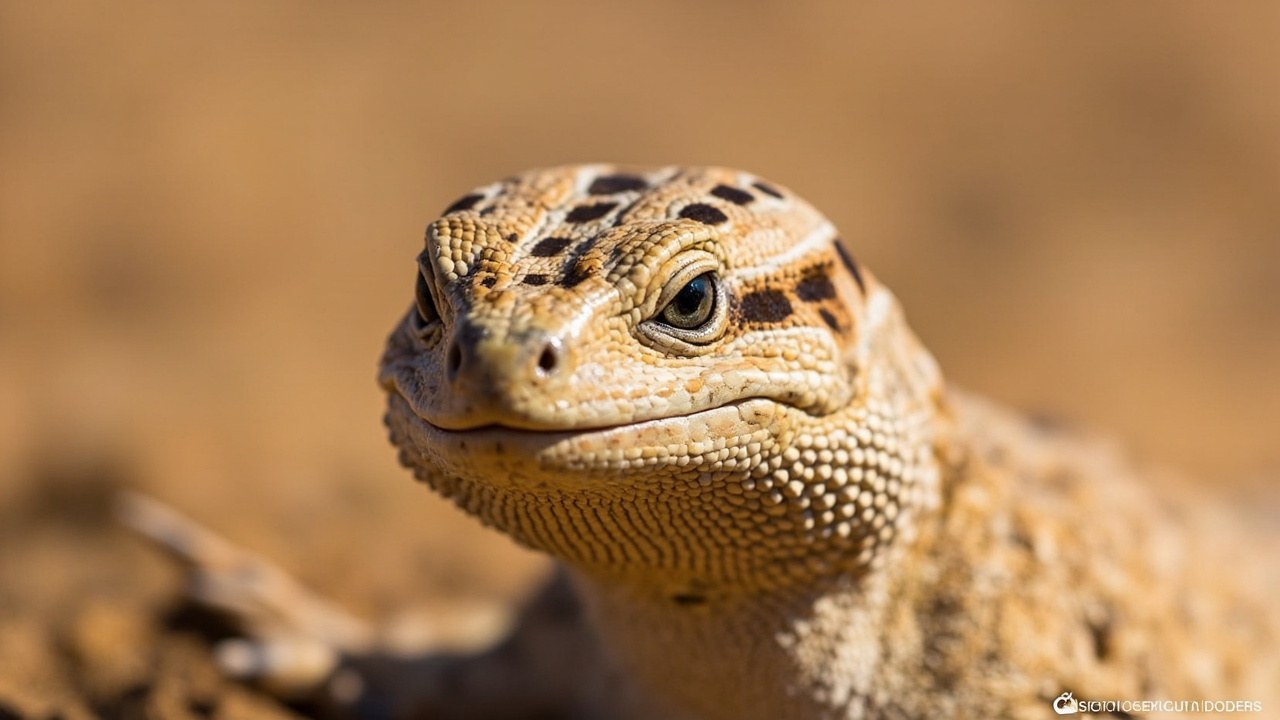
Namib web-footed geckos live on coastal dunes and dry riverbeds. Webbed feet aid movement and digging, while nocturnal activity and...
Read Habitat InfoReptiles of the Thar Desert
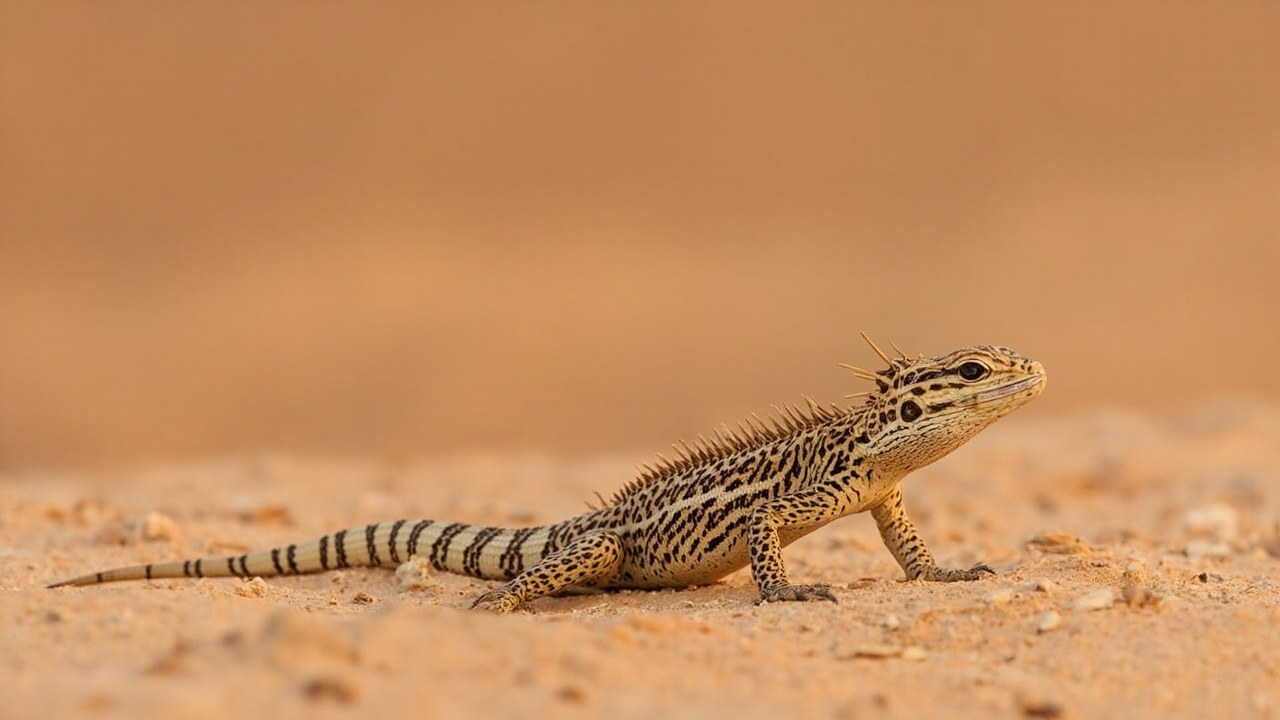
The Thar Desert supports lizards, snakes and other reptiles across dunes, scrub and rocky ground. Activity and shelter use differ...
Read Habitat InfoCentral Bearded Dragons of Australia
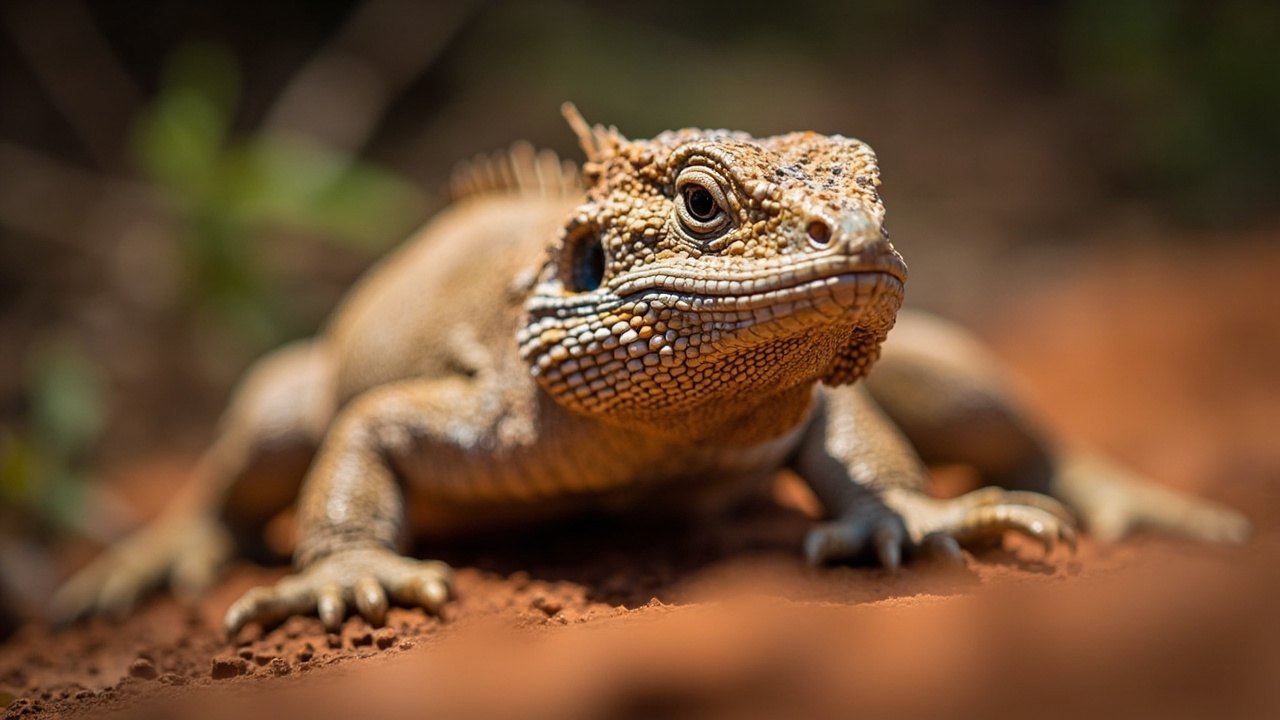
Central bearded dragons use posture, beard displays and colour changes in communication. Habitat and conservation pressures vary by region.
Read Habitat InfoReptiles of the Namib Desert
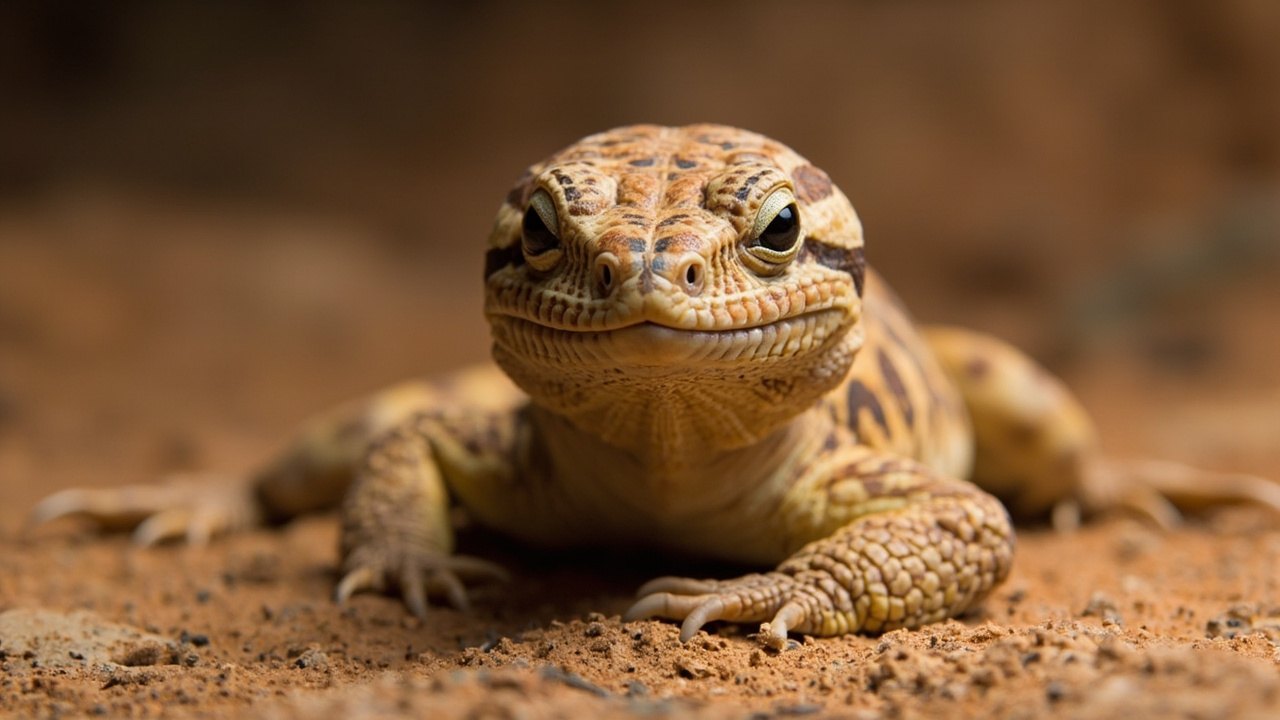
Reptiles of the Namib use shelter and carefully timed activity to manage heat. Some species also exploit moisture from coastal...
Read Habitat InfoSaharan Horned Vipers of North Africa
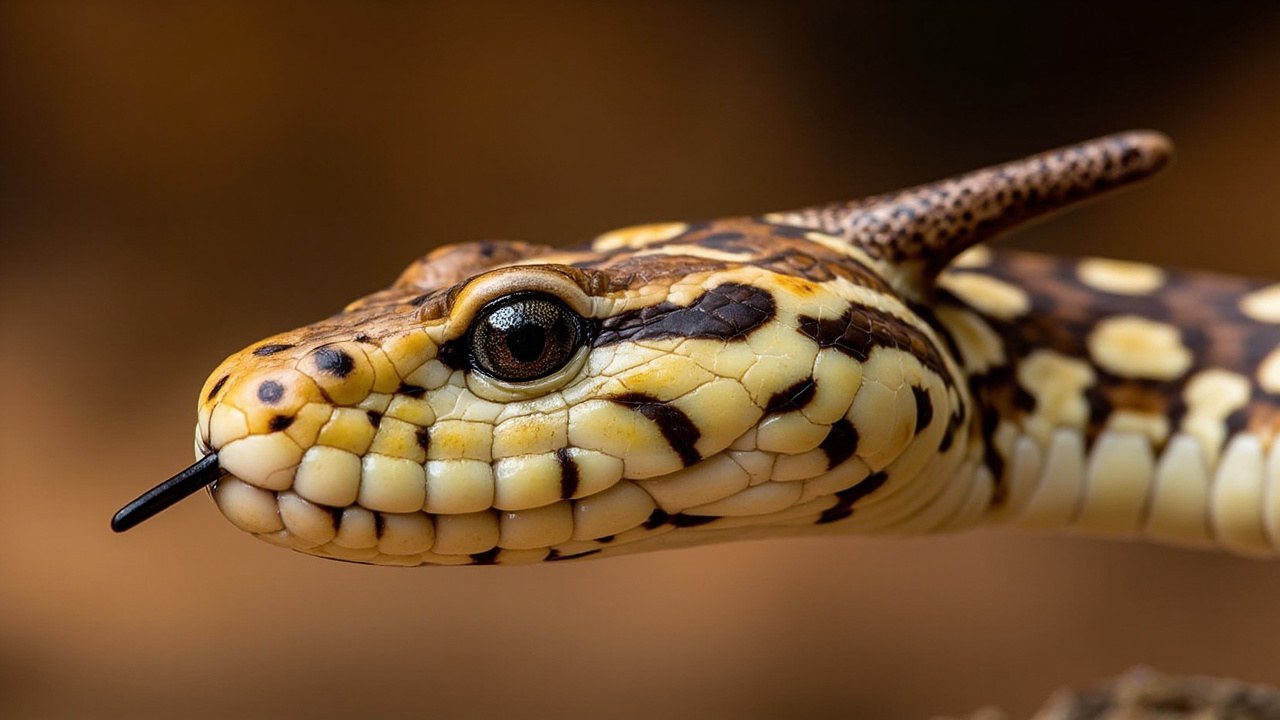
Saharan horned vipers are medically significant ambush predators of North African deserts. Horn-like scales vary among individuals, and suspected bites...
Read Habitat InfoWhy Trust Us?
- Expertise
- Comprehensive Services
- Personalized Approach
- Trusted Reputation
- Education and Support
- Ethical Practices
- Trusted Reputation
- Education and Support
- Ethical Practices
Frequently Asked Questions
Deserts are characterized by their arid conditions, extreme temperatures, and sparse vegetation. Despite their harsh environment, deserts host a diverse range of wildlife specially adapted to survive in these conditions, making them fascinating ecosystems to explore.
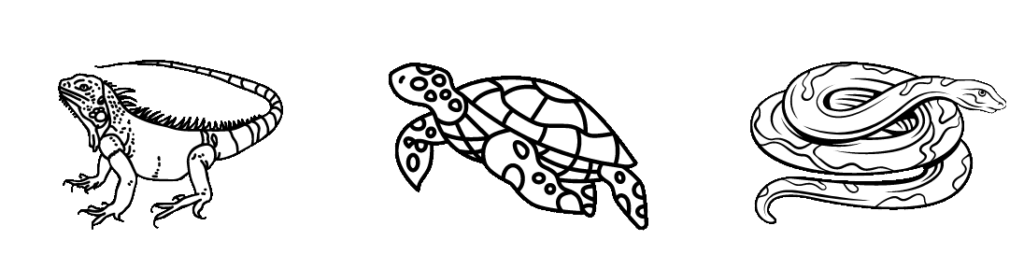
Deserts are home to a variety of reptiles such as snakes, lizards, tortoises, and even some species of crocodiles and turtles. These reptiles have evolved unique adaptations to thrive in the desert environment, making them a crucial part of desert ecosystems.
Reptiles in deserts have evolved remarkable physiological and behavioral adaptations to cope with limited water availability and extreme temperatures. They may possess specialized skin structures to minimize water loss, regulate body temperature efficiently, and exhibit nocturnal behavior to avoid the scorching heat of the day.
While deserts are often perceived as barren wastelands, they actually host a surprising diversity of life. From resilient plants like cacti and succulents to a plethora of insects, mammals, and reptiles, deserts support complex ecosystems with unique adaptations to survive in arid conditions.
Desert reptiles face numerous conservation challenges, including habitat loss due to human activities such as urbanization and agriculture, climate change leading to altered precipitation patterns, and the illegal pet trade. Conservation efforts are crucial to safeguard the biodiversity of desert ecosystems.
Responsible ecotourism and educational programs offer opportunities to experience desert reptiles firsthand while minimizing environmental impact. Joining guided tours led by knowledgeable experts allows you to observe reptiles in their natural habitat while learning about their importance to desert ecosystems and conservation efforts.
Contact us today!