Reptile Spotlights

Discover Our Reptile Spotlights

Explore reptile groups and species through concise spotlights on appearance, habitat, behaviour and ecological context. These introductions are designed to help readers notice meaningful differences among snakes, lizards, turtles, tortoises and crocodilians, then continue to more focused articles. Species vary widely, so each spotlight should be treated as an educational overview rather than a complete identification, care or safety guide.

Informational Resources

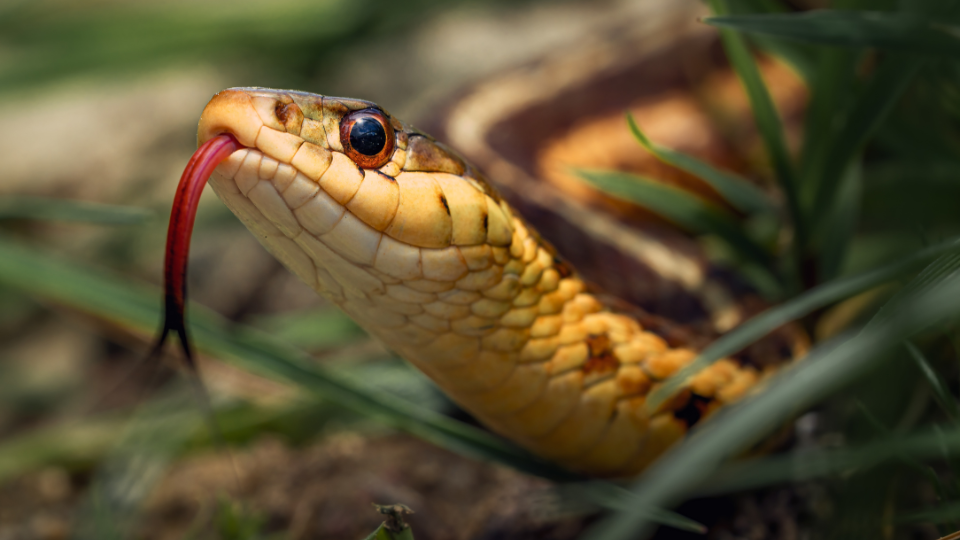
Close-up photo of a common garter snake with brown, yellow, and black stripes.

Snakes

Snakes, legless reptiles, slither and hunt in various habitats worldwide. With diverse species, from harmless garden snakes to deadly vipers, they catch prey using venom or constriction. They don't have limbs, have scaly bodies, and detect prey through vibrations and heat. Some, like pythons, are constrictors, while others, like cobras, rely on venom to subdue prey.
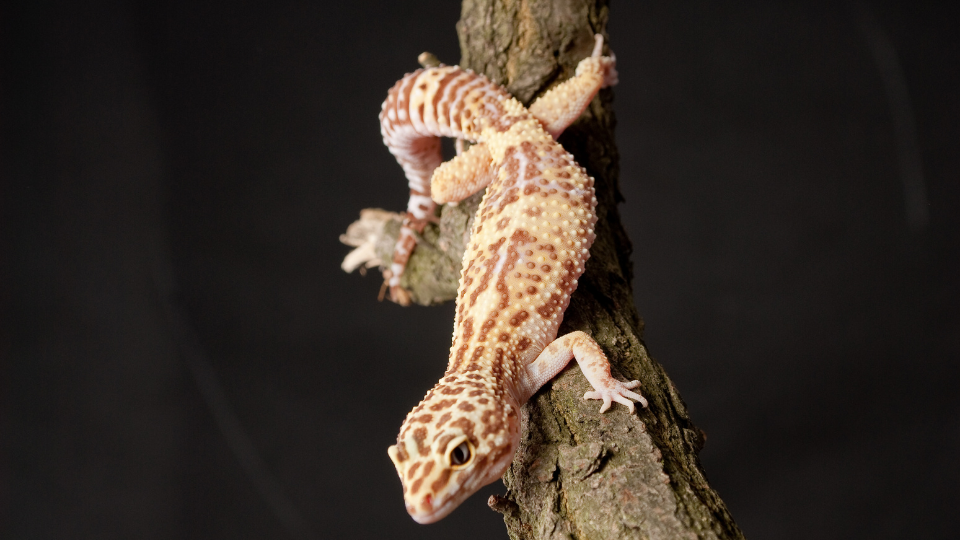
A leopard gecko with a colorful patterned body perched on a branch.

Lizards

Lizards, diverse reptiles, live on every continent except Antarctica, showing a range of sizes, shapes, and behaviours. With scaly bodies, four legs, and movable eyelids, they thrive in forests, deserts, and beyond. They're mostly carnivorous, but some, like iguanas, are herbivores. Defense mechanisms include camouflage, autotomy, and chemical defense, ensuring survival against predators.
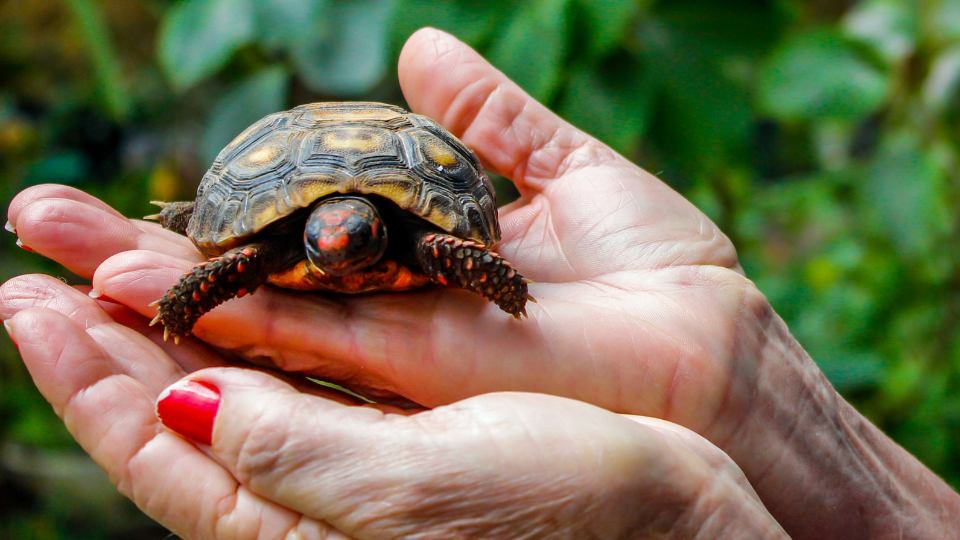
A person with brown skin and short dark hair holding a small turtle with a brown shell in their cupped hands.

Turtles & Tortoises

Turtles and tortoises, known for their bony shells, are reptiles found in water and land habitats globally. Turtles, adapted for swimming with streamlined shells and webbed feet, live in oceans, rivers, and lakes. Tortoises, with dome-shaped shells and sturdy legs, are land-dwellers found in deserts, grasslands, and forests, eating mostly plants.
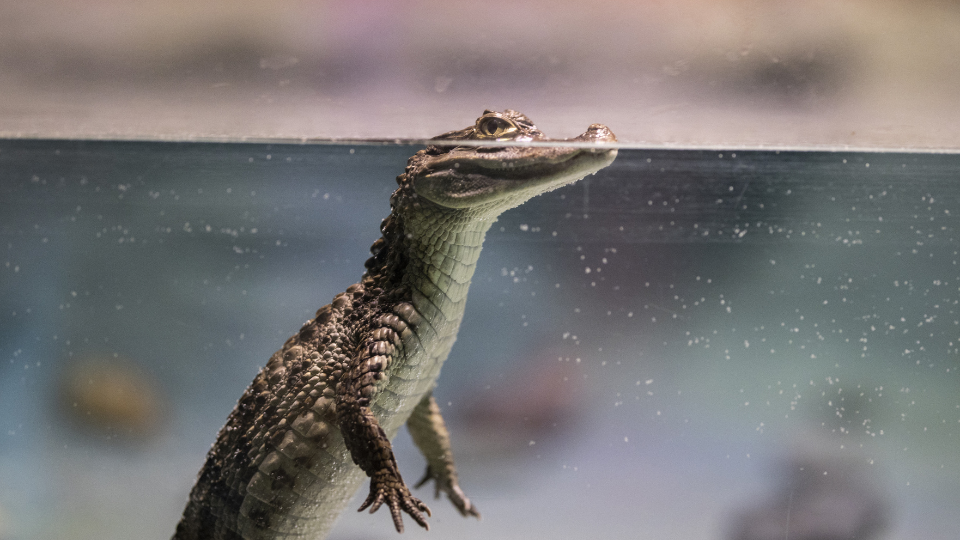
Close-up photo of a crocodile partially submerged in clear water, with its eyes, snout, and part of its body visible.

Crocodilians

Crocodilians, top predators, live in freshwater habitats worldwide, including rivers, lakes, and swamps. With long bodies, powerful jaws, and armoured scales, they're formidable hunters. Ambush predators, they stalk prey at water's edge, eating fish, birds, and mammals. Crocodilians reproduce by laying eggs, showing maternal care in some species, and play important roles in their ecosystems.

Why Trust Us?

Reptile Explorer publishes educational summaries across reptile biology, behaviour, habitats, conservation and responsible care. Articles do not replace specialist review, and we welcome well-supported corrections.

The library covers species, habitats, behaviour, anatomy, conservation and responsible captive care. Related-topic navigation helps readers continue from broad overviews to focused pages.

Reptile needs and risks vary by species and individual. General care articles are educational starting points, not personalized veterinary or wildlife advice.

Contact us today!

Questions about an article, a correction or the website are welcome. Reptile Explorer is an educational publisher and does not sell animals or supplies, provide veterinary treatment or operate a live-animal service. For an urgent animal-health concern, contact a qualified reptile veterinarian.

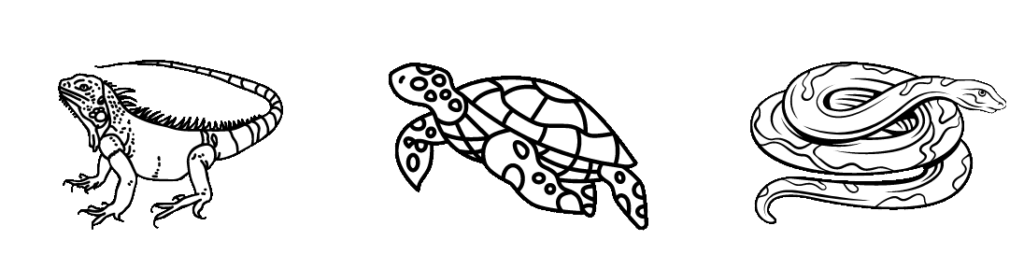
Reptile Line Drawing
Scroll to Top