Debunking Reptile Myths Shedding Light on Facts
- Home
- Reptile Myth Vs Facts
The Truth Behind Common Misconceptions
Informational Resources
Snake Tongue Sting Myth
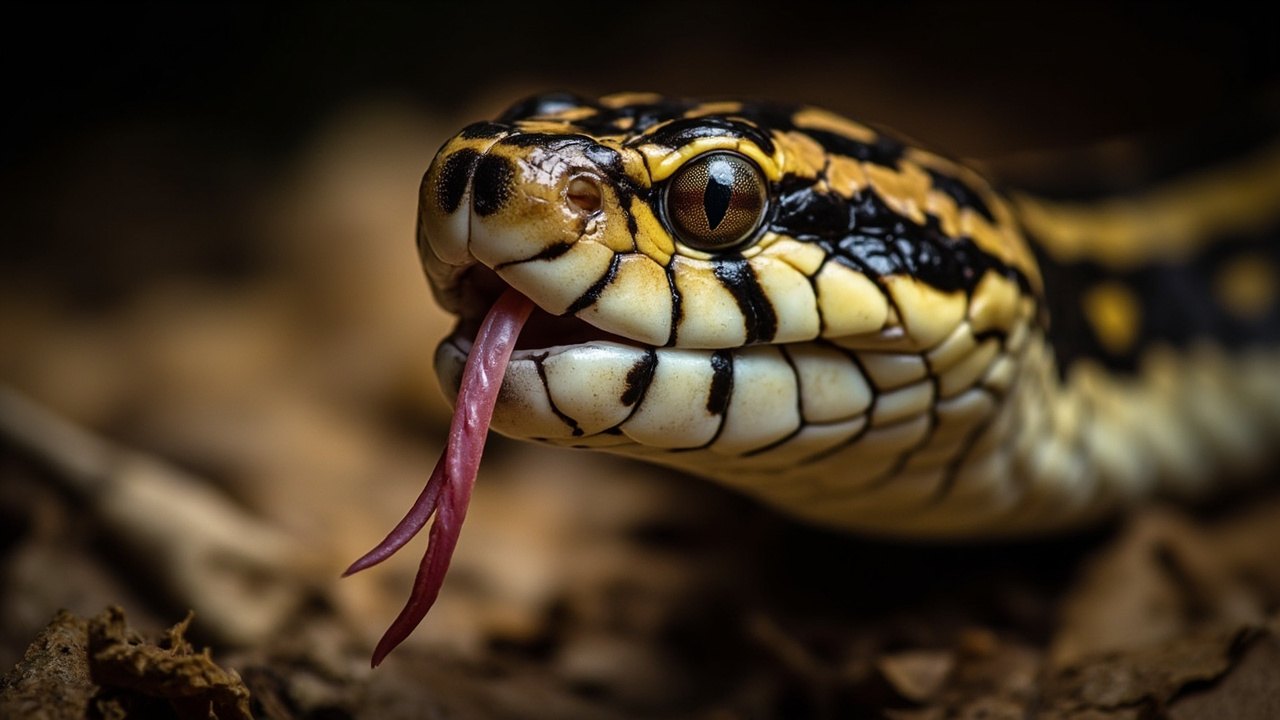
Snake tongues collect chemical information; they do not sting or inject venom. Venom is delivered through specialised teeth, and unidentified...
More Reptile InfoGreen Snake Danger Myth
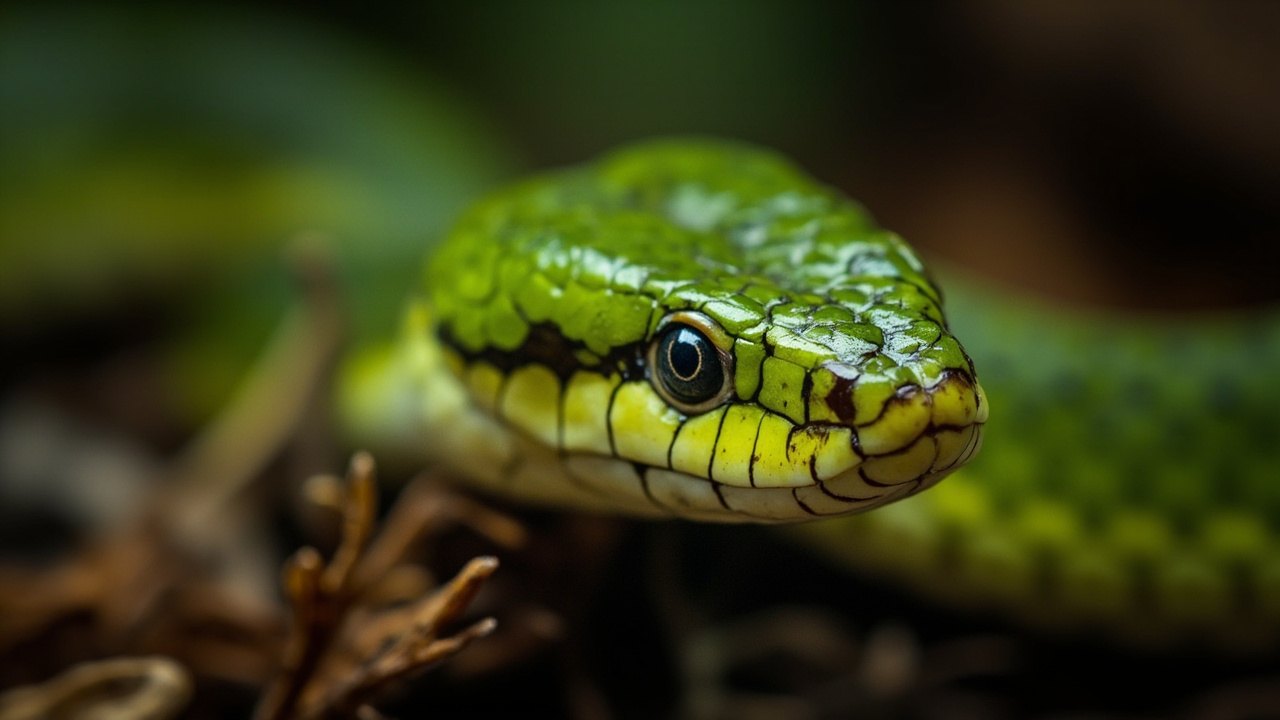
Green snakes are generally nonvenomous, but common names can apply to different species. Identification and local guidance matter.
More Reptile InfoReptile Parental Care Truth
Parental care occurs in some reptiles, including nest defence, guarding and transport of young. Its form and frequency vary by...
More Reptile InfoReptile Intelligence Myth Debunked
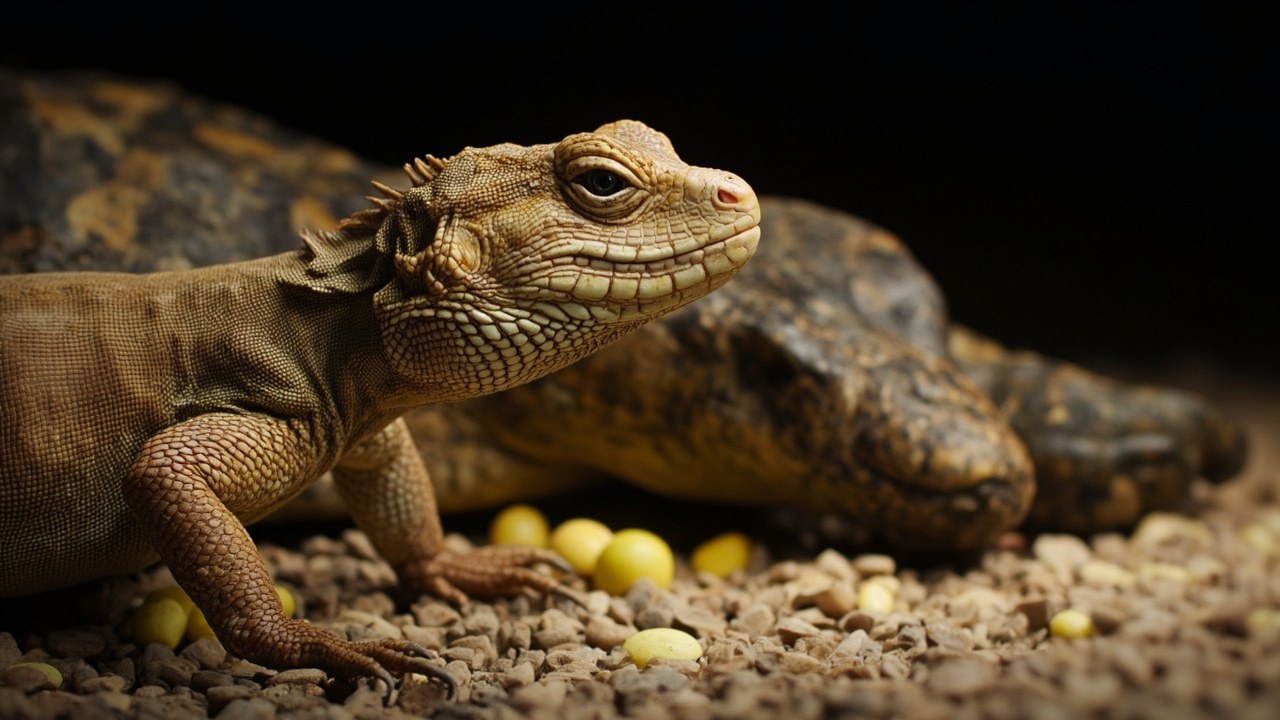
Studies show that some reptiles can learn routes, solve simple tasks and remember cues. Cognitive abilities differ among species and...
More Reptile InfoSnake Shedding Myths Exposed
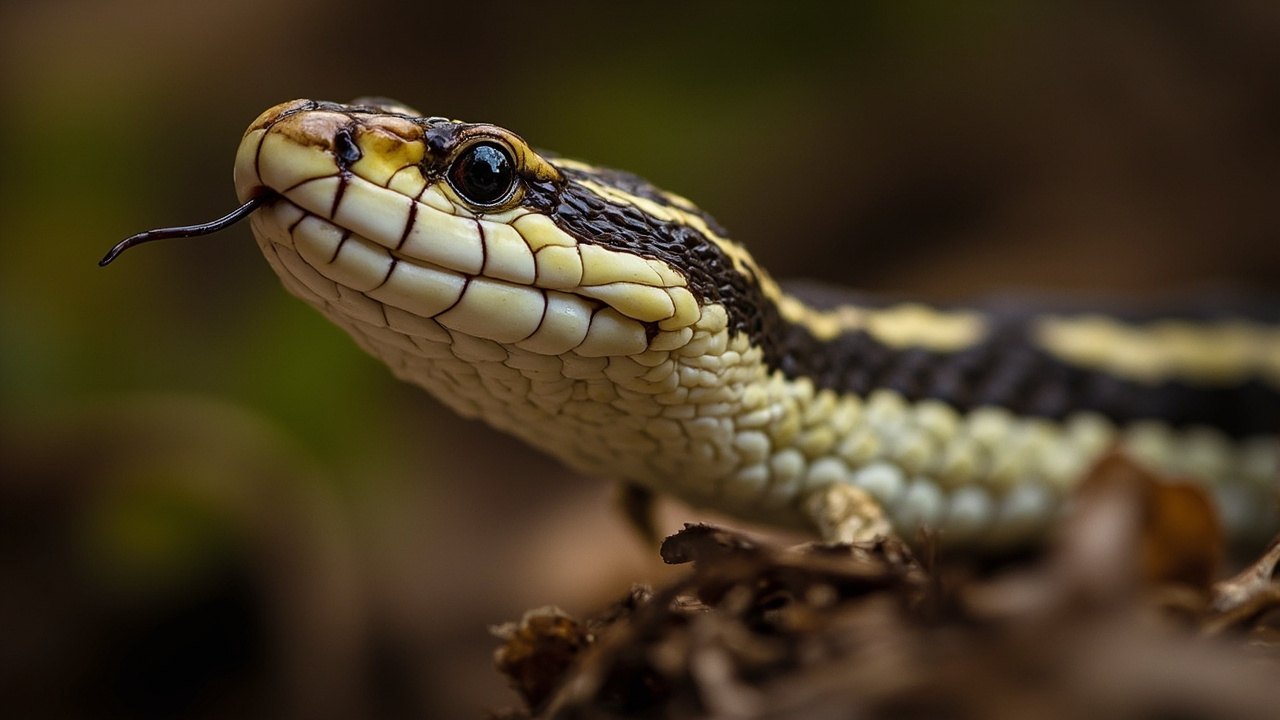
Snakes shed their outer skin as they grow. Persistent retained skin, eye caps or repeated difficult sheds can signal a...
More Reptile InfoReptile Egg Laying Facts
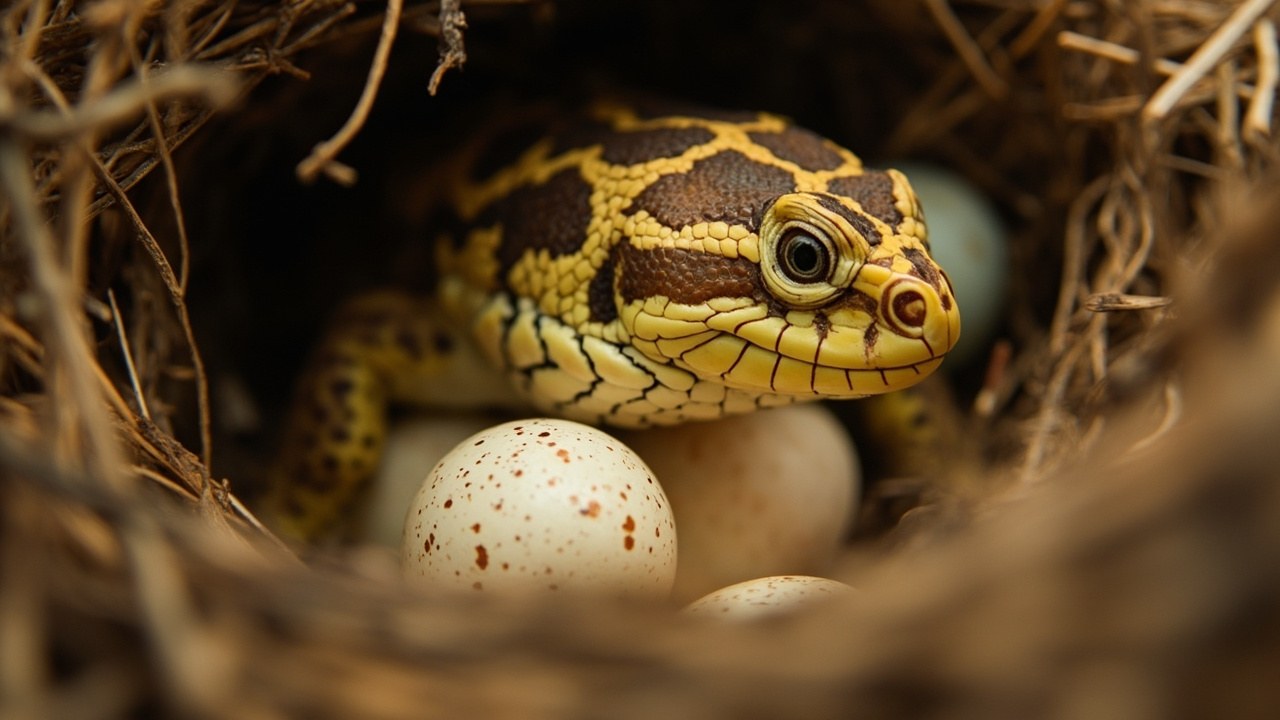
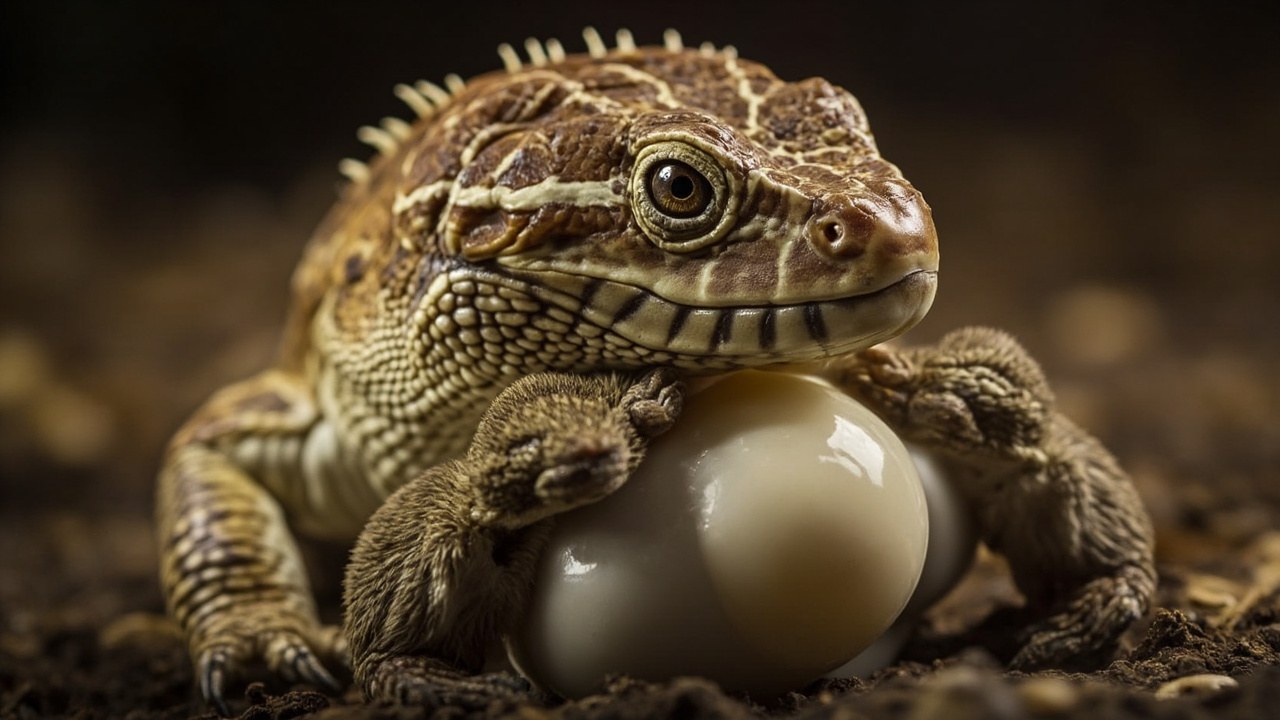
Reptile eggs vary in shell texture, incubation needs and development. Nest sites and parental care also differ widely among species.
More Reptile InfoSnake Charming Myth Busted
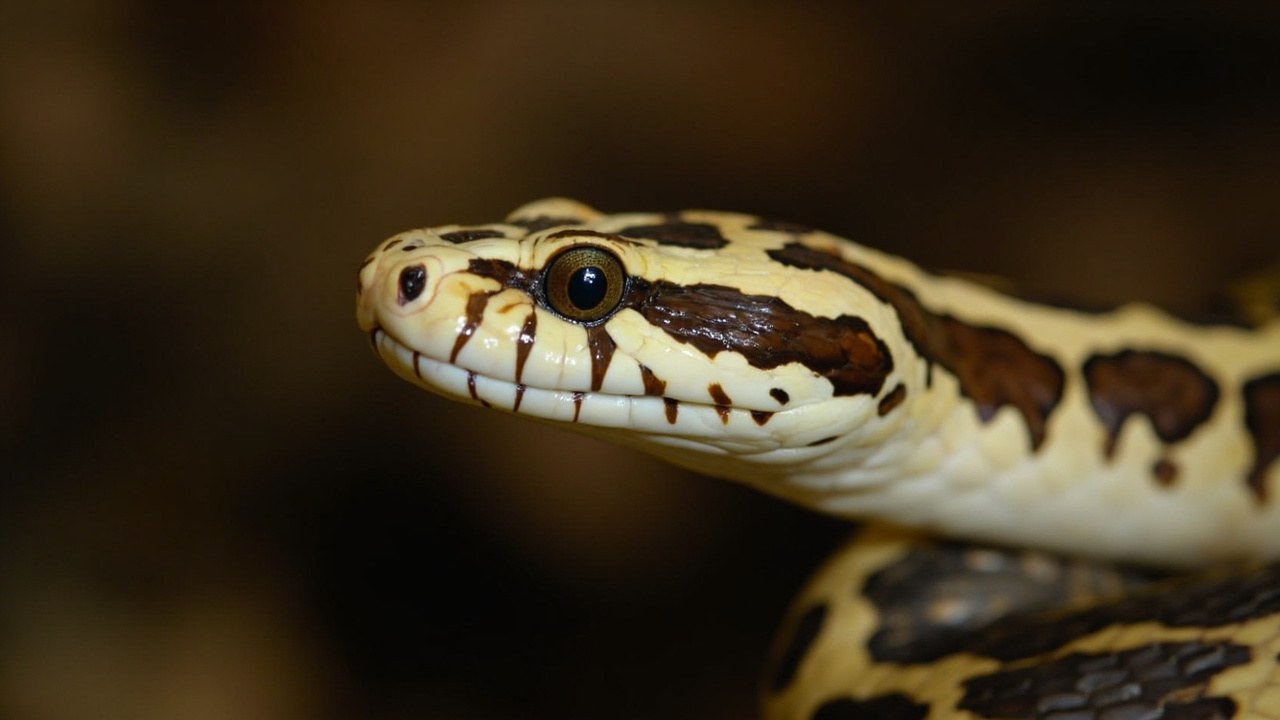
Snake charming relies mainly on a snake tracking movement and responding defensively, not following a melody. Handling and confinement raise...
More Reptile InfoAlligator Crocodile Difference Explained

Alligators and crocodiles often differ in snout shape, visible teeth and preferred habitat, but these traits vary and should not...
More Reptile InfoWhy Trust Us?

- Expertise
- Comprehensive Services
Our resource hub draws from a vast knowledge base accumulated through years of dedicated research and collaboration with reptile experts. We cover a wide range of topics, from species profiles and care guides to conservation efforts and the latest scientific advancements in herpetology.
- Personalized Approach
Our team is committed to understanding and accommodating those individual requirements to ensure the happiness and well-being of your reptile. We believe that every reptile is special, and we strive to provide care that is personalized to their specific needs and personality.
- Trusted Reputation
- Education and Support
- Ethical Practices
- Trusted Reputation
- Education and Support
- Ethical Practices
Frequently Asked Questions
Reptile myths often include misconceptions about their behavior, care requirements, and health. These can range from beliefs that snakes are aggressive to misunderstandings about appropriate habitats for certain species
Yes, several myths persist regarding reptile care, such as the idea that they don’t need much space or that all reptiles can thrive on a single type of diet. These misconceptions can lead to improper care and health issues for the reptiles.
Reptile myths can misguide owners, leading to inappropriate housing, diet, and handling practices. This can result in stress, illness, and even premature death for the reptiles. Additionally, it can create unnecessary fear or reluctance in potential owners who buy into these myths.
Misconceptions often arise around reptile behavior, such as the belief that all snakes are venomous or that reptiles don’t require social interaction. Understanding the truth behind these behaviors is crucial for responsible ownership and conservation efforts.
Distinguishing between myths and facts requires reliable sources of information, such as reputable veterinary advice, scientific studies, and experienced reptile keepers. It’s essential to question commonly held beliefs and seek evidence-based knowledge.
Reptile Explorer provides resources such as educational articles, guides, and community forums where enthusiasts can share experiences and expertise. Additionally, partnering with reputable organizations and attending educational events can further support accurate information dissemination.
Contact us today!