Discover the Crocodillian Kingdom
- Home
- Crocodilians
The World of Crocodiles, Alligators, and Caimans
Informational Resources
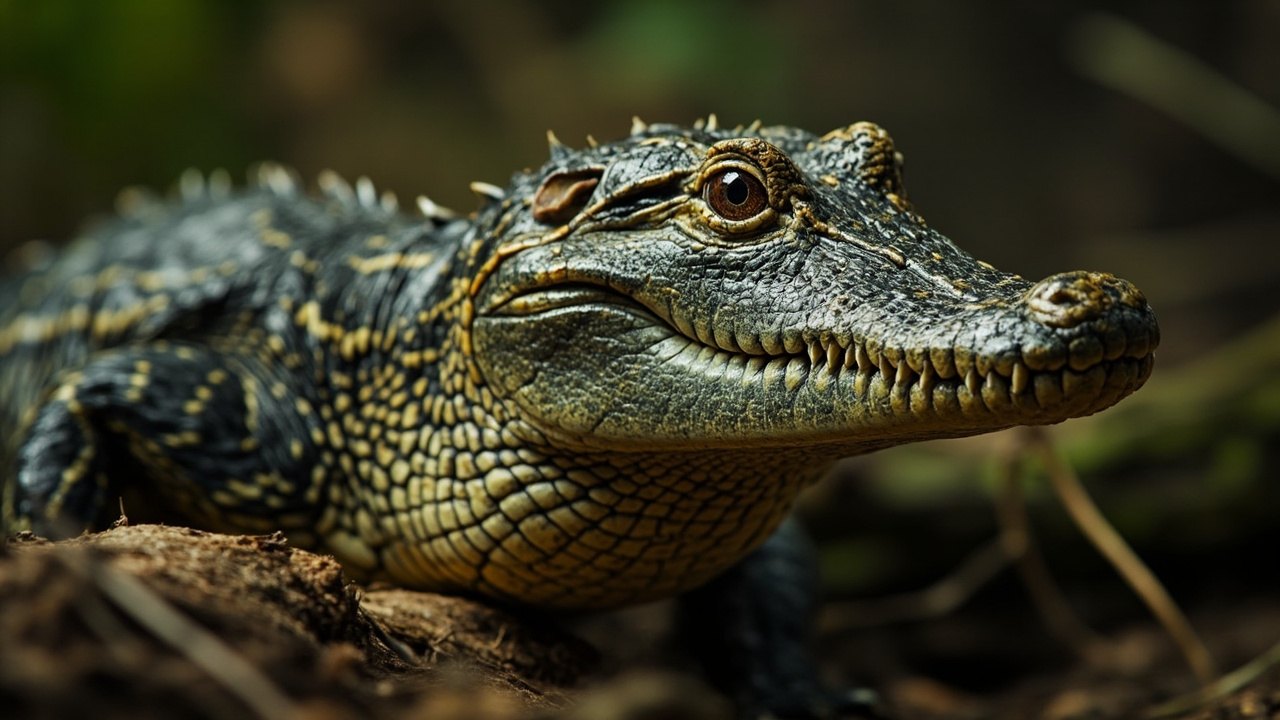
Cuvier’s Dwarf Caimans: Small Crocodilians
Cuvier's dwarf caiman is a small South American crocodilian found in several river systems. Behaviour and threats vary across its...
More Reptile InfoChinese Alligators: Critically Endangered Endemics
Chinese alligators survive in a small part of their former lower-Yangtze range. Captive breeding supports recovery, but secure habitat, post-release...
More Reptile InfoMugger Crocodiles: Freshwater Marsh Inhabitants
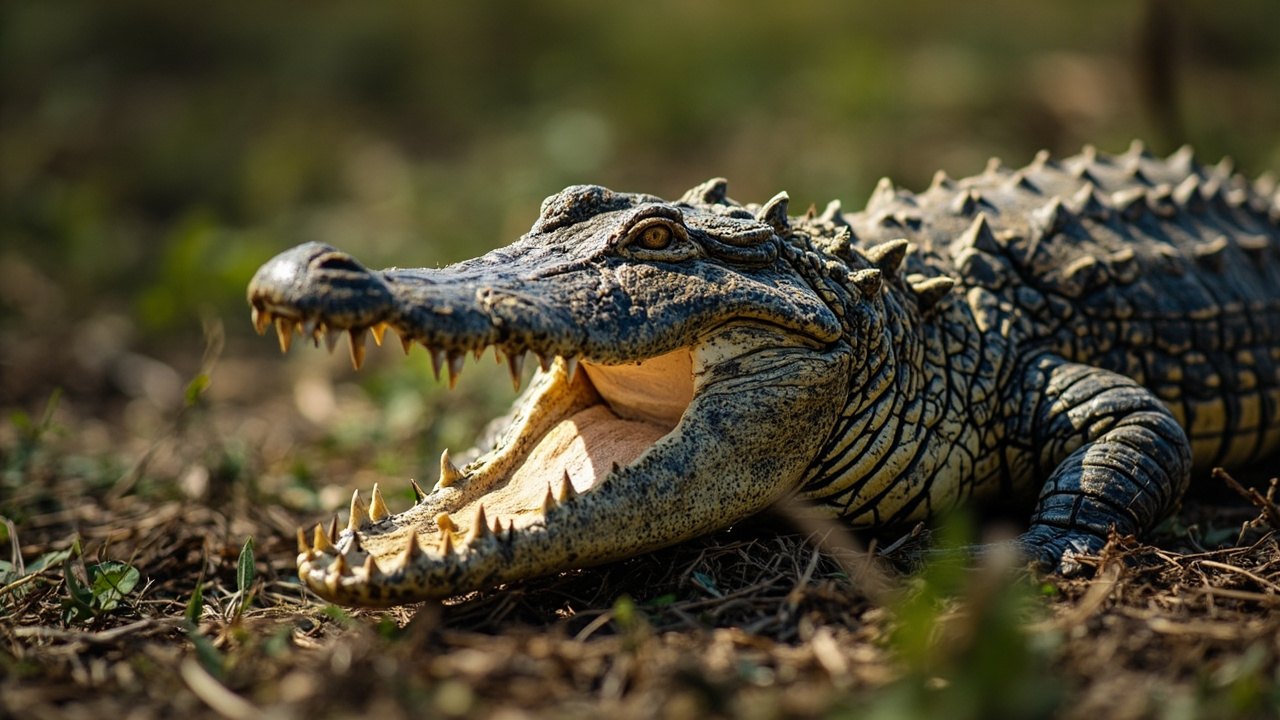
Mugger crocodiles inhabit lakes, ponds, marshes and reservoirs across parts of South Asia. Conservation depends on suitable freshwater habitat, safer...
More Reptile InfoOrinoco Crocodiles of Colombia and Venezuela
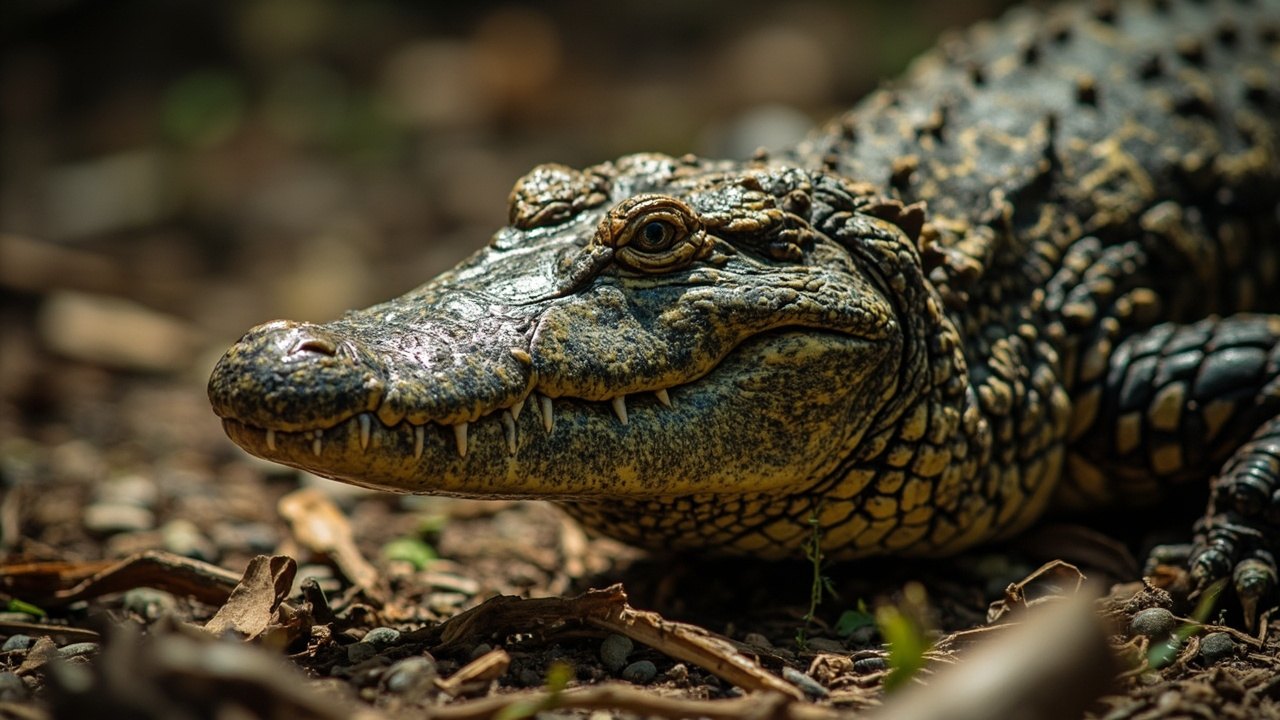
The Orinoco crocodile is native to Colombia and Venezuela and is Critically Endangered. Recovery needs habitat protection and long-term monitoring.
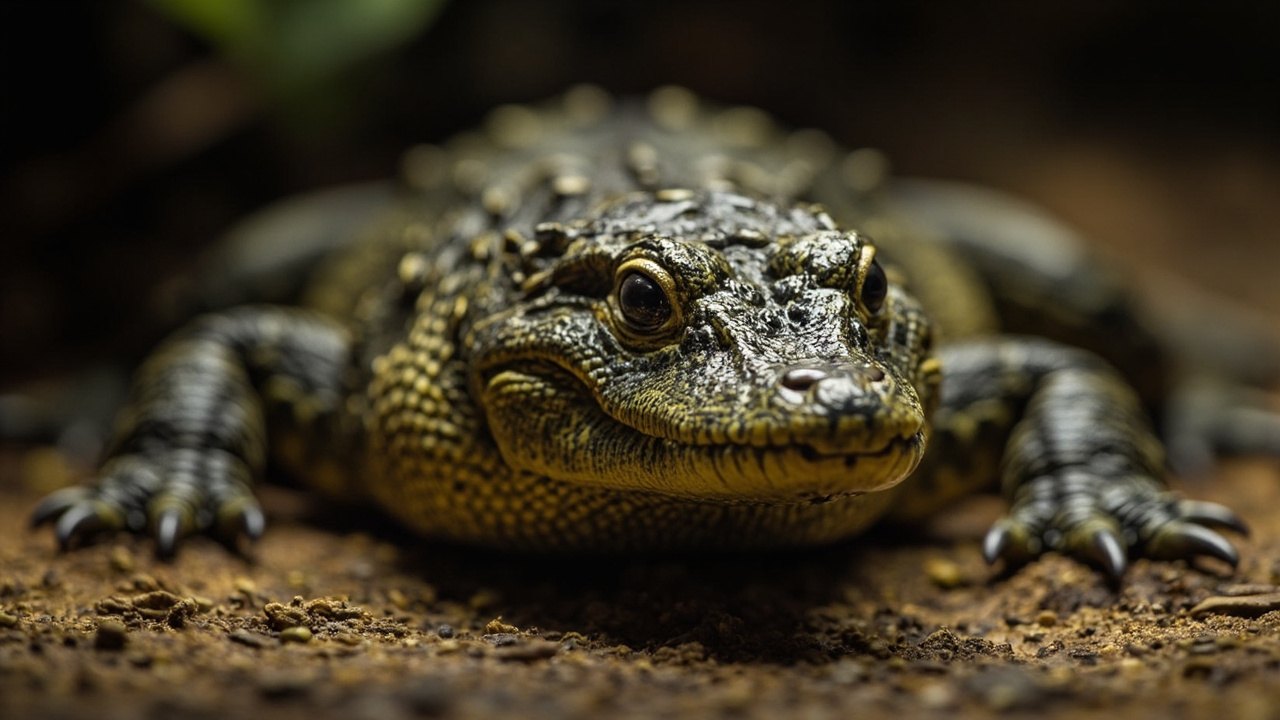
More Reptile InfoDwarf Crocodiles of West and Central Africa
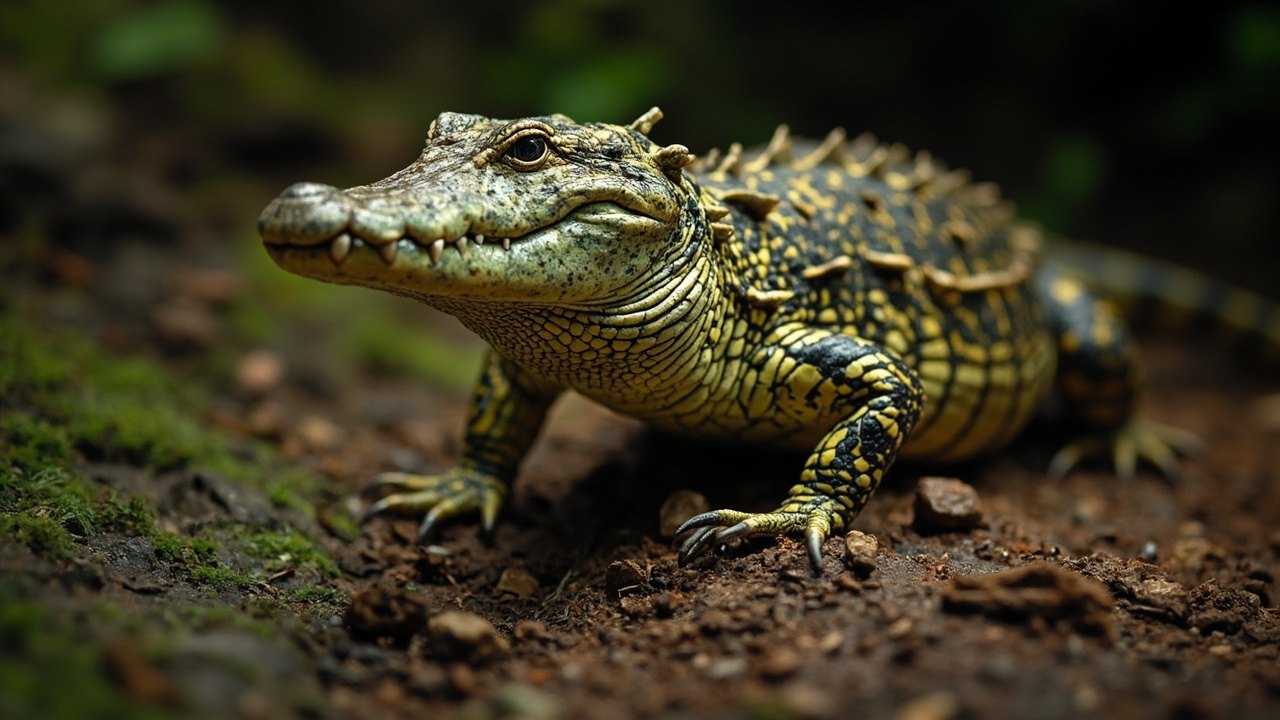
Dwarf crocodiles are small, secretive crocodilians of West and Central African forests and wetlands. Habitat loss, wetland disturbance, hunting and...
More Reptile InfoGharials: Critically Endangered River Specialists
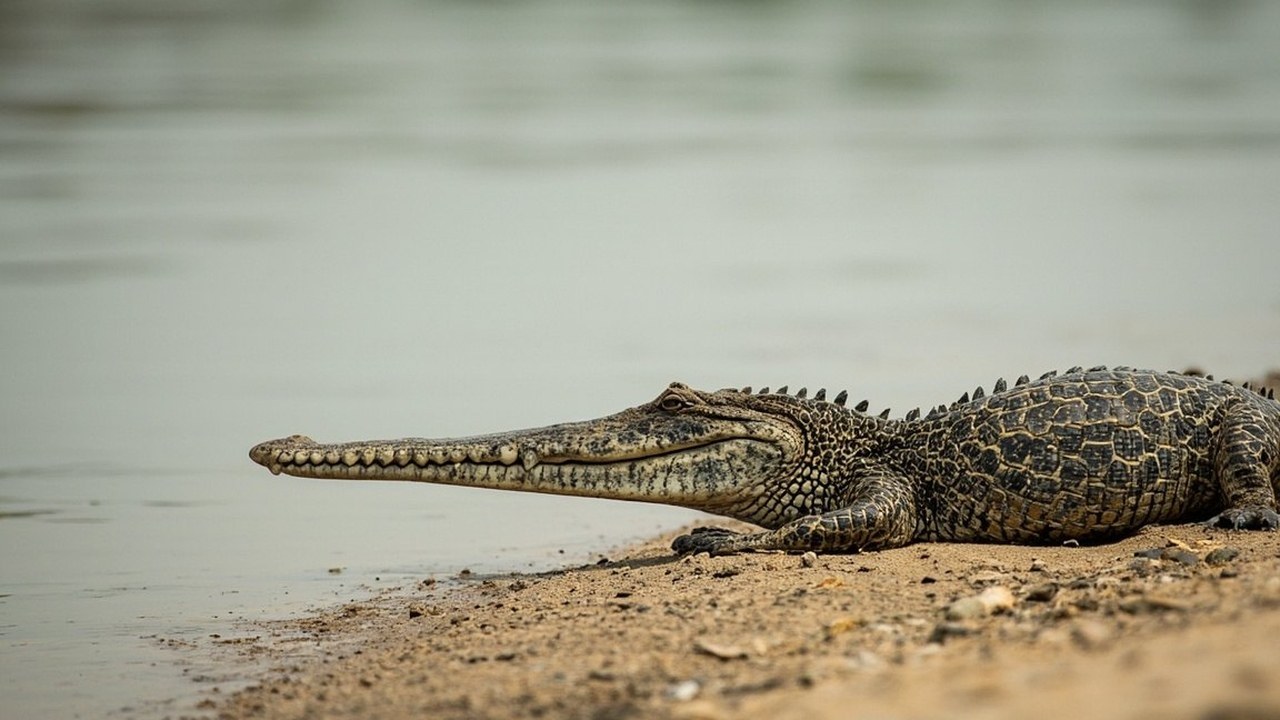
Gharials are Critically Endangered river specialists that need connected waterways, fish, basking sites and sandbanks for nesting.
More Reptile InfoCaimans: Crocodilians of Central and South America
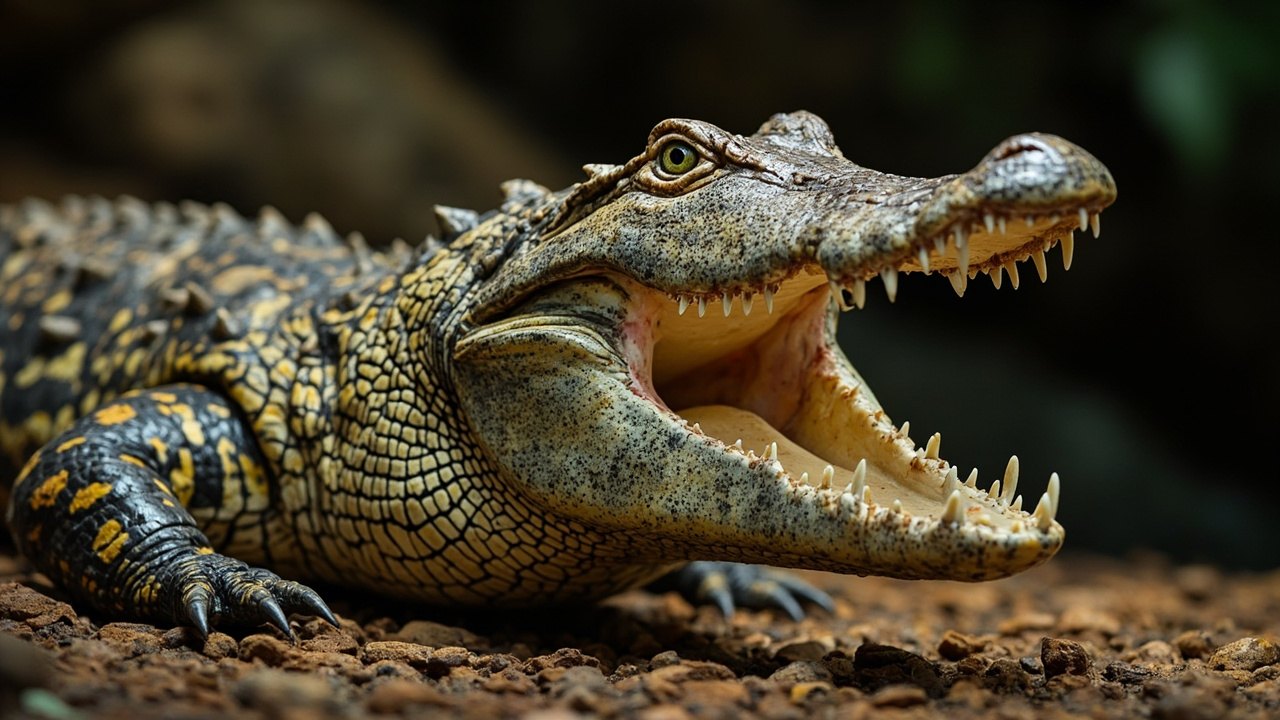
Caimans are a varied group of Central and South American crocodilians. Species differ in size, habitat, diet and conservation status.
More Reptile InfoNile Crocodiles: Africa’s Large Freshwater Predators
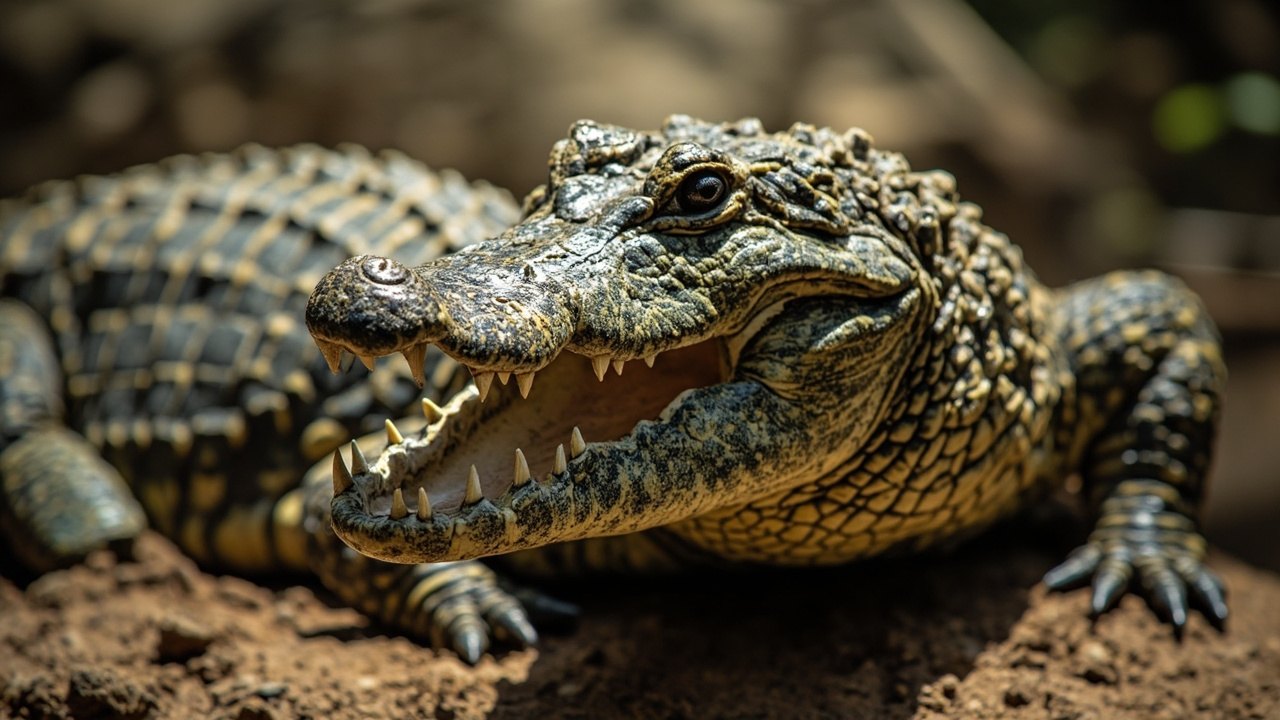
Nile crocodiles occupy rivers, lakes, marshes and other wetlands across much of sub-Saharan Africa and Madagascar. Females guard nests and...
More Reptile InfoWhy Trust Us?
- Expertise
Our team comprises seasoned herpetologists, reptile enthusiasts, and experts with years of hands-on experience in the field. Their deep understanding of reptile biology, behavior, and husbandry practices guarantees the quality and authenticity of the information we provide.
- Comprehensive Services
Our resource hub draws from a vast knowledge base accumulated through years of dedicated research and collaboration with reptile experts. We cover a wide range of topics, from species profiles and care guides to conservation efforts and the latest scientific advancements in herpetology.
- Personalized Approach
Our team is committed to understanding and accommodating those individual requirements to ensure the happiness and well-being of your reptile. We believe that every reptile is special, and we strive to provide care that is personalized to their specific needs and personality.
- Trusted Reputation
We have built a solid reputation based on trust, reliability, and excellence in reptile care. Our satisfied readers consistently commend our dedication to providing informative resources and our unwavering commitment to the welfare of reptile care, making us the trusted choice for reptile enthusiasts in the area.
- Education and Support
- Ethical Practices
- Trusted Reputation
We have built a solid reputation based on trust, reliability, and excellence in reptile care. Our satisfied readers consistently commend our dedication to providing informative resources and our unwavering commitment to the welfare of reptile care, making us the trusted choice for reptile enthusiasts in the area.
- Education and Support
We are passionate about educating and supporting reptile owners every step of the way. Whether you’re a novice or a seasoned enthusiast, our team is here to offer expert advice, guidance, and ongoing support to help you become the best reptile owner you can be, ensuring a fulfilling and enriching experience for both you and your scaly friend.
- Ethical Practices
Frequently Asked Questions
Crocodilians are a diverse group of reptiles that include crocodiles, alligators, caimans, and gharials. They are known for their semi-aquatic lifestyle, powerful jaws, and armored bodies.
Crocodilians inhabit various freshwater habitats such as rivers, lakes, swamps, and estuaries. They are distributed across tropical and subtropical regions worldwide, with some species also found in temperate zones.
Crocodilians are apex predators and opportunistic feeders. They primarily prey on fish, amphibians, birds, and mammals that come near the water’s edge. Larger species may also hunt larger animals such as deer, wildebeest, and even other crocodiles.
Crocodilians typically reproduce through internal fertilization. Females lay eggs in nests constructed from vegetation, mud, or sand, which they guard vigilantly. After an incubation period, hatchlings emerge and are often cared for by the mother for a short time.
While some species of crocodilians are threatened or endangered due to habitat loss, pollution, and poaching, others are relatively stable in the wild. Conservation efforts, such as habitat protection and captive breeding programs, are crucial for their survival.
Crocodilians are not suitable pets for most people due to their large size, aggressive nature, and specific habitat requirements. Additionally, many species are protected by laws that regulate their trade and ownership. It’s essential to research and understand the responsibilities before considering a crocodilian as a pet.
Contact us today!