Discover the World of Lizards
- Home
- Lizard
The World of Lizards
Informational Resources
Komodo Dragons: The Largest Lizards
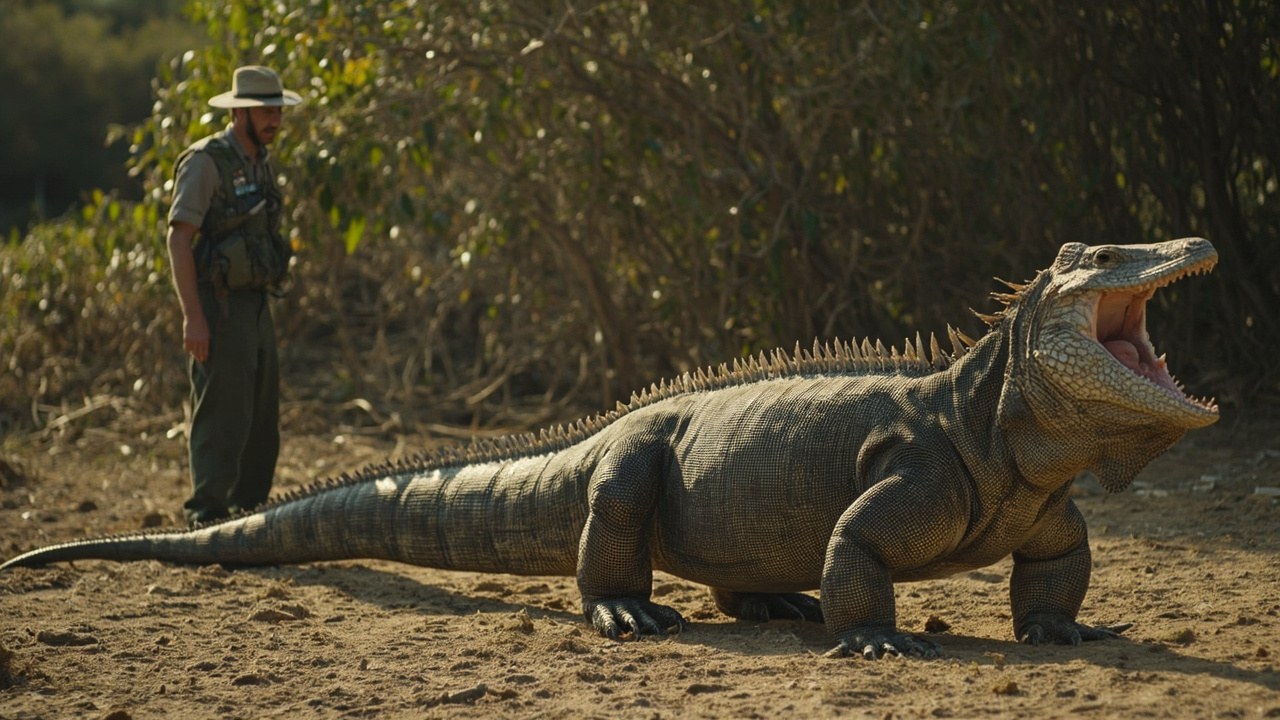
Komodo dragons are the largest living lizards and occur naturally on several Indonesian islands. Their bites can cause severe trauma,...
More Reptile InfoFrilled Lizards: Display and Escape Behaviour
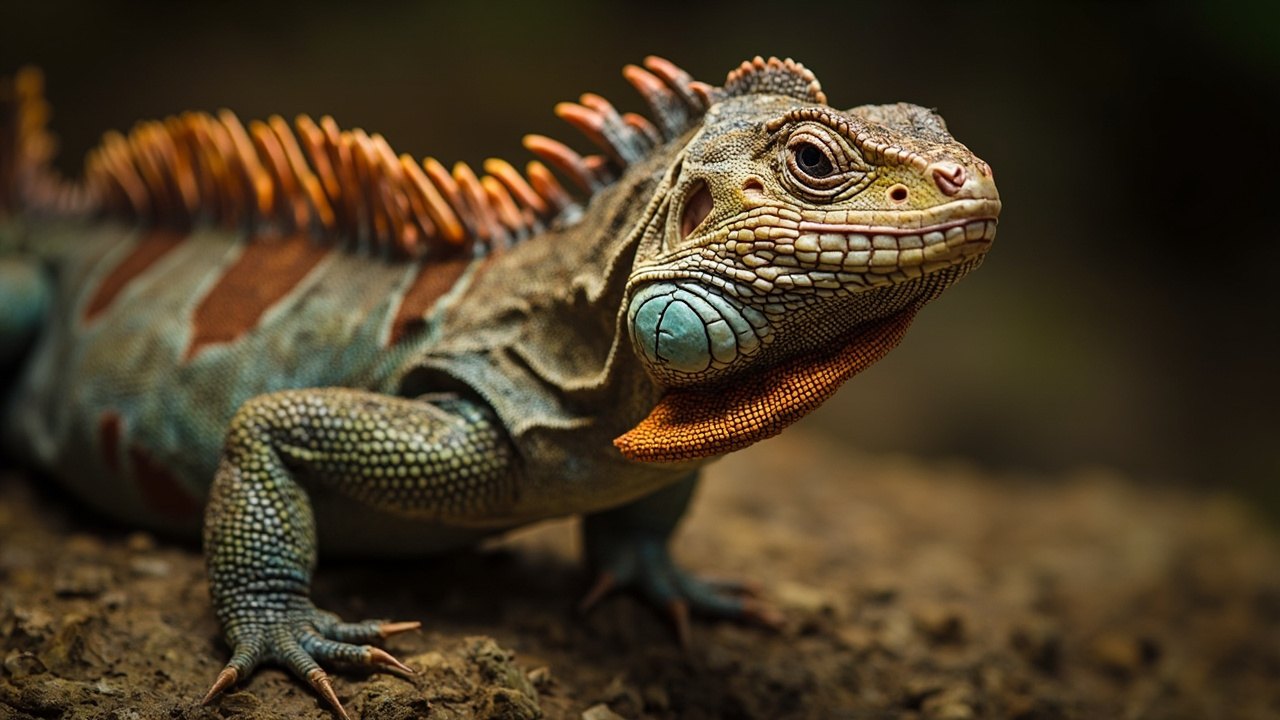
Frilled lizards use their neck frill in defensive and social displays. They live in northern woodlands and feed mainly on...
More Reptile InfoTokay Geckos: Nocturnal Climbers
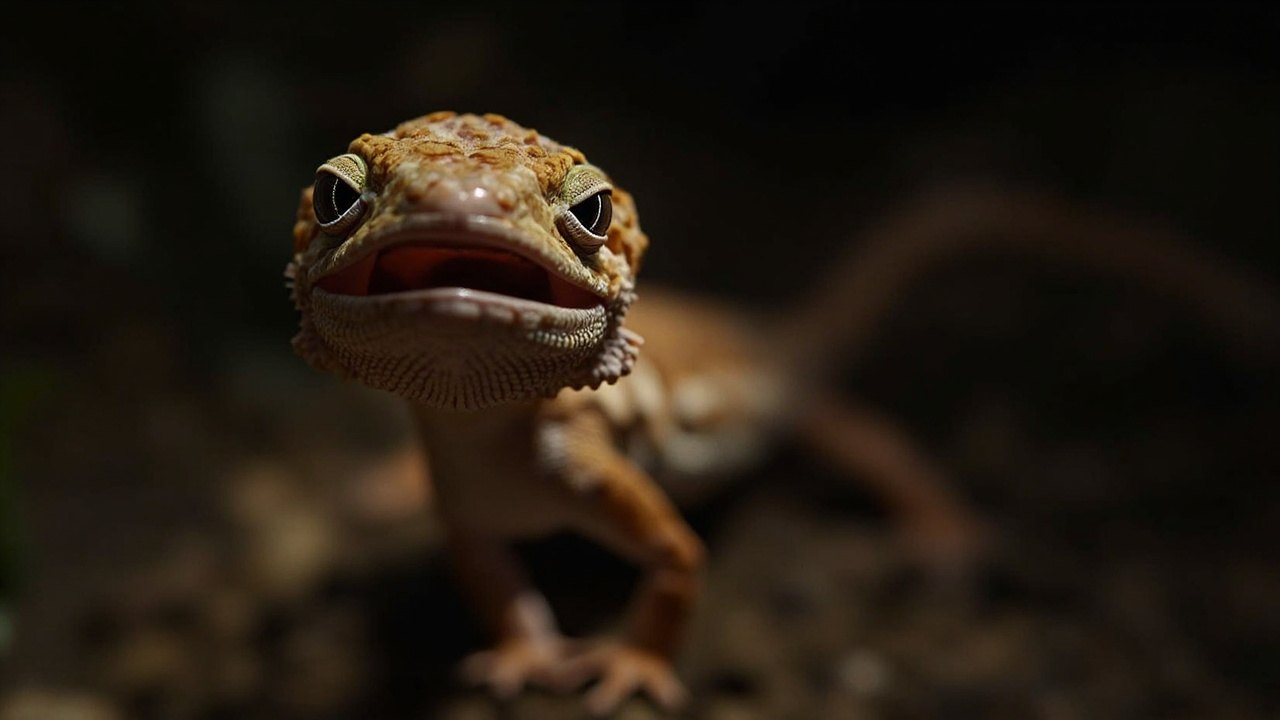
Tokay geckos are large nocturnal climbers from South and Southeast Asia. Their calls support social communication, and legal sourcing matters.
More Reptile InfoGila Monsters: Venomous Desert Lizards
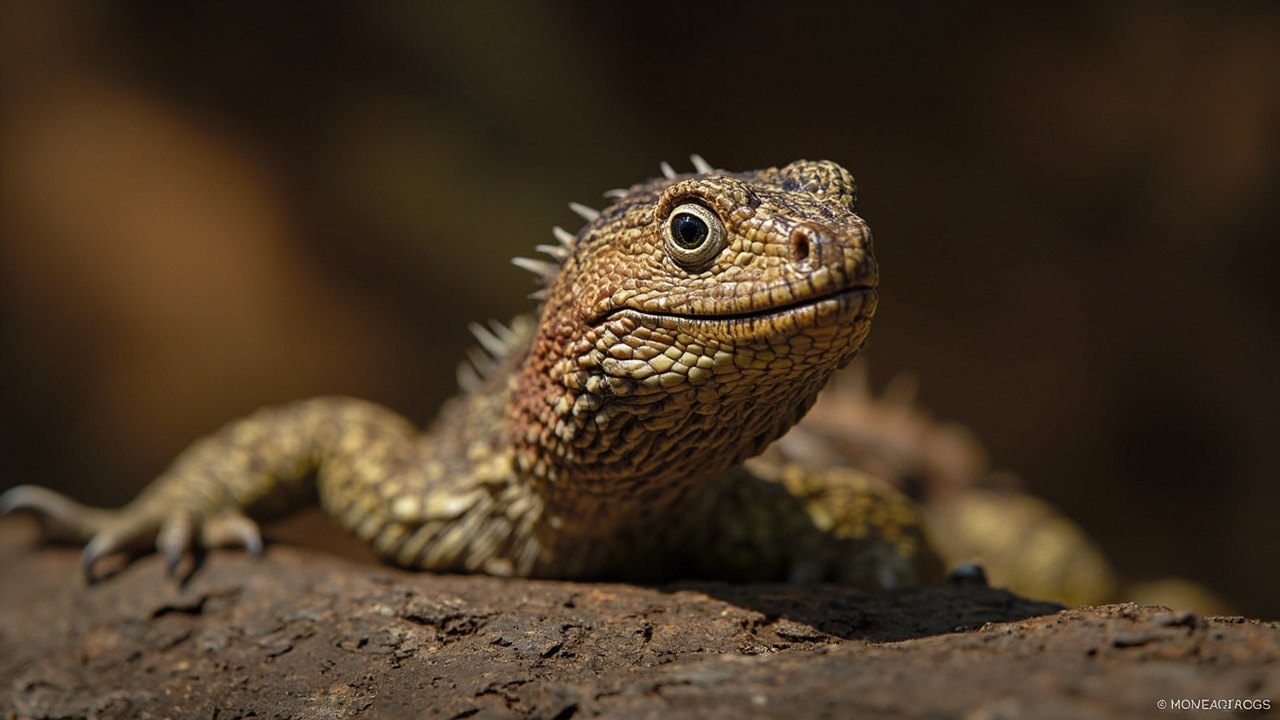
Gila monsters are venomous lizards of the southwestern United States and northwestern Mexico. They should never be handled; a suspected...
More Reptile InfoCaribbean Anoles: Colour, Displays and Microhabitats
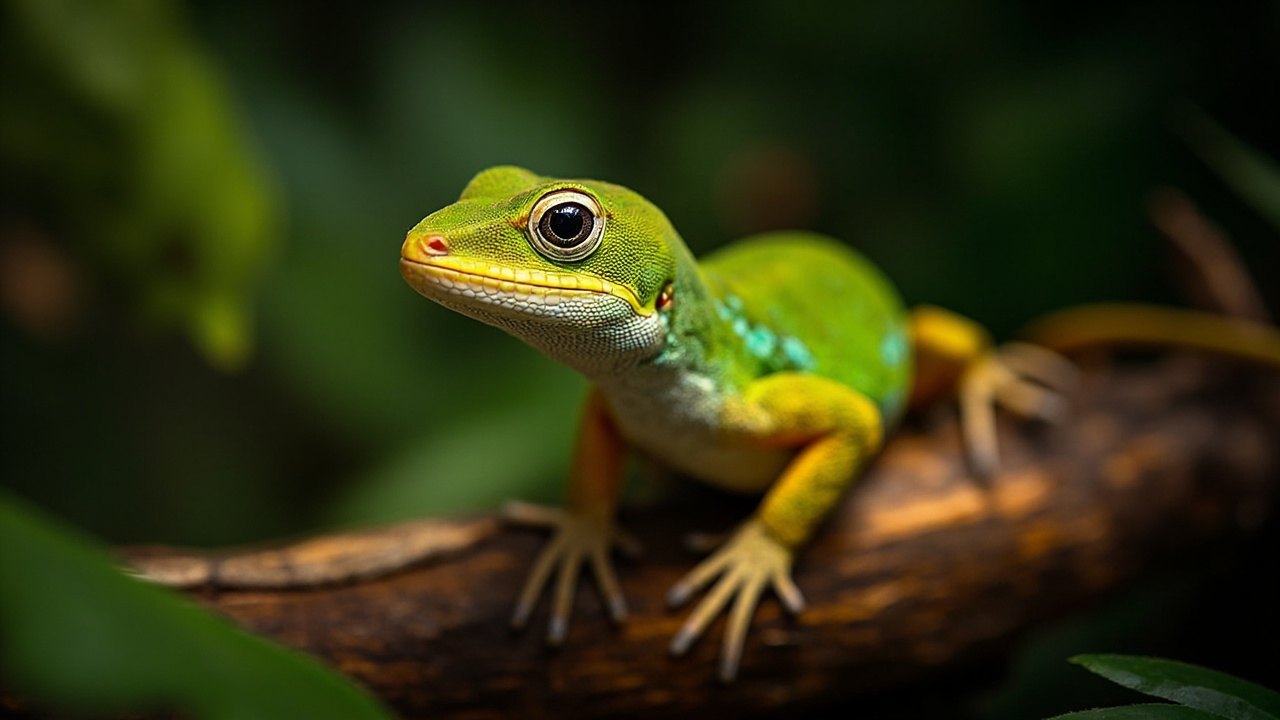
Caribbean anoles use different habitat layers and communicate through dewlaps, posture and movement. Colour and behaviour vary among species.
More Reptile InfoGreen Iguanas: Arboreal Herbivores
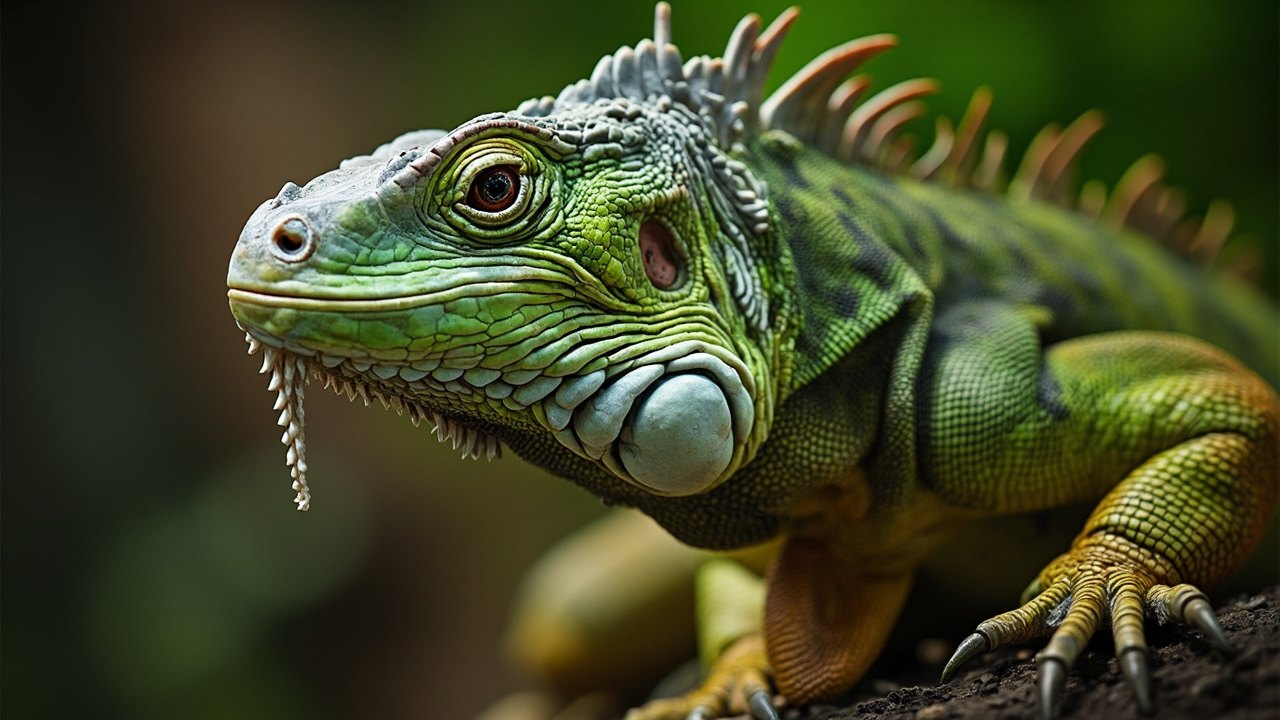
Green iguanas are largely arboreal herbivores native to tropical Central and South America. They use trees, waterways and dense vegetation.
More Reptile InfoChameleons: Colour Change, Communication and Camouflage
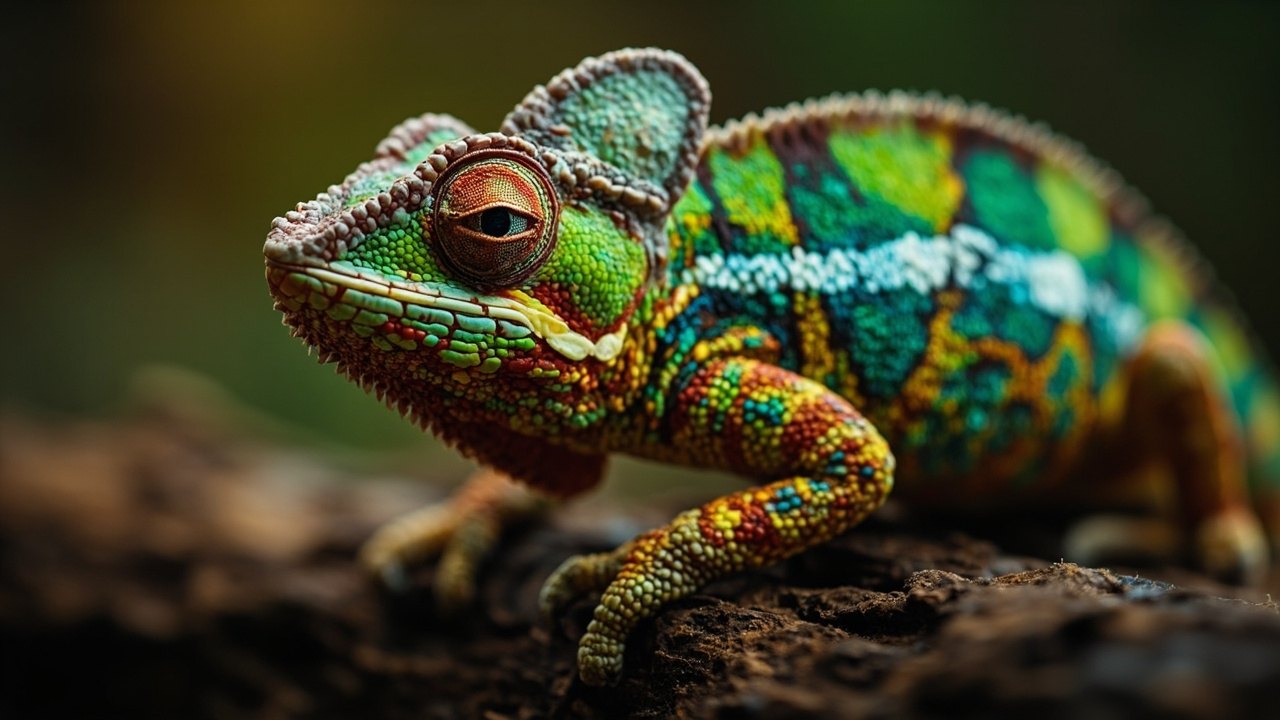
Chameleons change colour for communication, temperature regulation and camouflage. The range and speed of change differ among species.
More Reptile InfoBlue-Tongued Skinks: Their Blue Tongue and Natural History
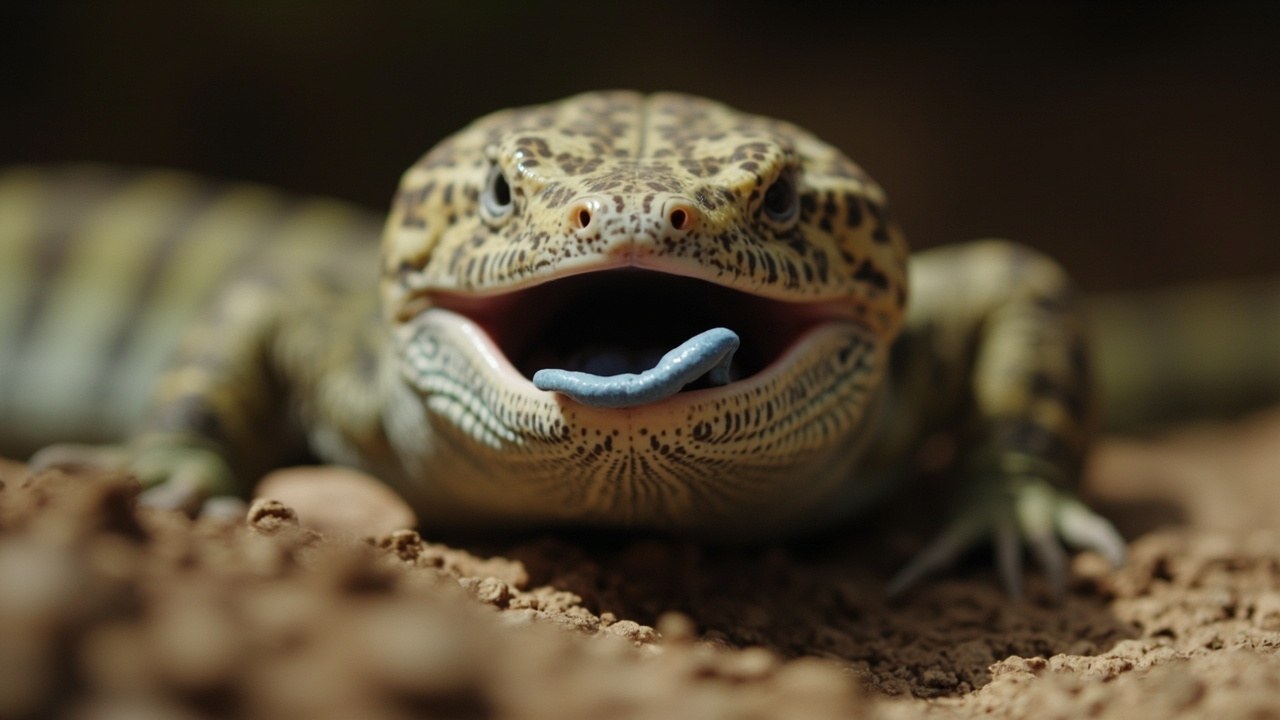
Blue-tongued skinks include several Tiliqua species with different ranges and care needs. Their blue tongue is mainly a defensive display.
More Reptile InfoWhy Trust Us?
- Expertise
- Comprehensive Services
Our resource hub draws from a vast knowledge base accumulated through years of dedicated research and collaboration with reptile experts. We cover a wide range of topics, from species profiles and care guides to conservation efforts and the latest scientific advancements in herpetology.
- Personalized Approach
Our team is committed to understanding and accommodating those individual requirements to ensure the happiness and well-being of your reptile. We believe that every reptile is special, and we strive to provide care that is personalized to their specific needs and personality.
- Trusted Reputation
- Education and Support
- Ethical Practices
- Trusted Reputation
- Education and Support
- Ethical Practices
Frequently Asked Questions
We offer a variety of comprehensive digital guides on our website, including:
- Lizard species profiles
- Habitat setup guides
- Nutrition and feeding information
- Health and wellness guidelines
- Breeding and reproduction resources
- Beginner’s guides to lizard keeping
These guides are accessible online to provide accurate lizard care information to enthusiasts.
Common signs of an unhealthy reptile include loss of appetite, lethargy, abnormal shedding, sunken eyes, and visible injuries. It’s essential to observe the animal closely and seek guidance from a qualified reptile veterinarian for proper diagnosis and treatment.
Feeding requirements vary among reptile species, ages, and activity levels. Some reptiles may need to be fed daily, while others thrive on a less frequent feeding schedule. The diet should consist of appropriate live prey or commercially prepared foods specific to the reptile’s nutritional needs.
As an informational resource hub, we do not offer any physical products for sale or shipping. All of our reptile guides, care information, species profiles, and educational resources are available digitally through our website and online platform. We do not have a shipping process or handle product orders related to reptiles.
A comprehensive reptile habitat should include appropriate heating and lighting sources, proper substrate or bedding material, hiding spots or caves, and enrichment items to mimic the animal’s natural environment. The specific requirements may vary based on the reptile species.
Reptile ownership regulations can vary by state, province, or country. It’s essential to research and comply with local laws and requirements, which may include permits, licenses, or restrictions on certain species. Responsible reptile ownership also involves understanding the potential risks and taking appropriate safety measures.
Contact us today!