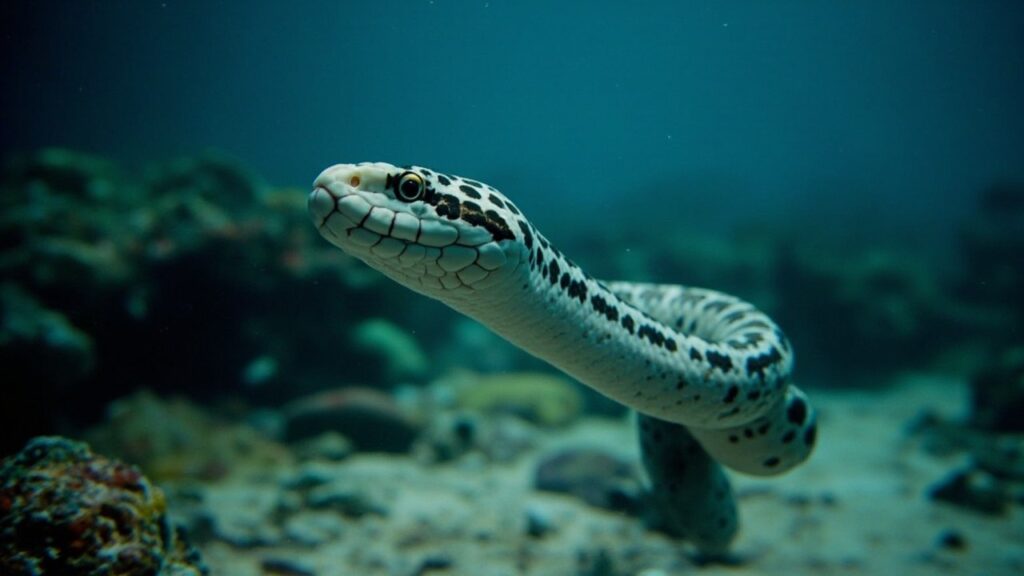
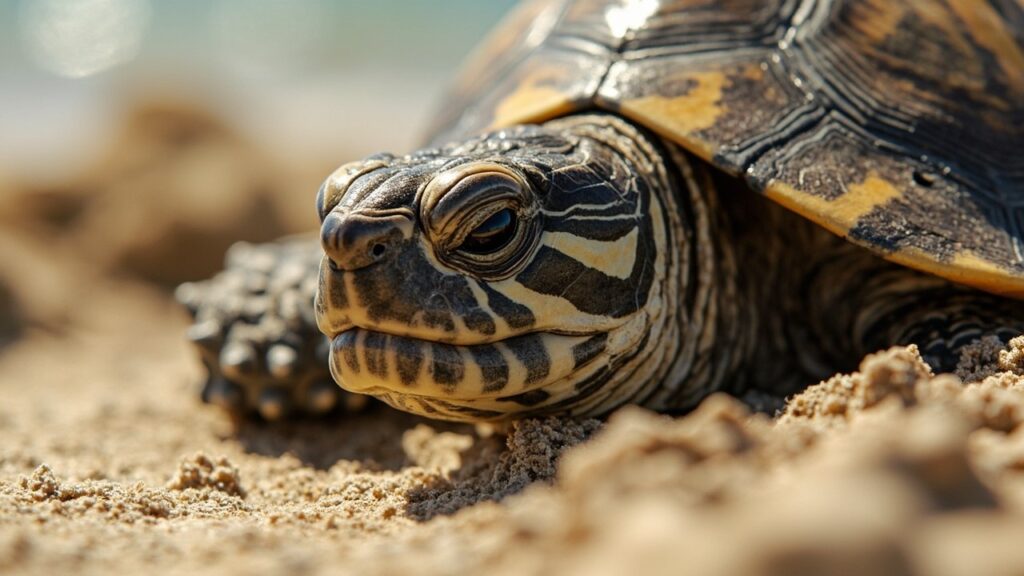
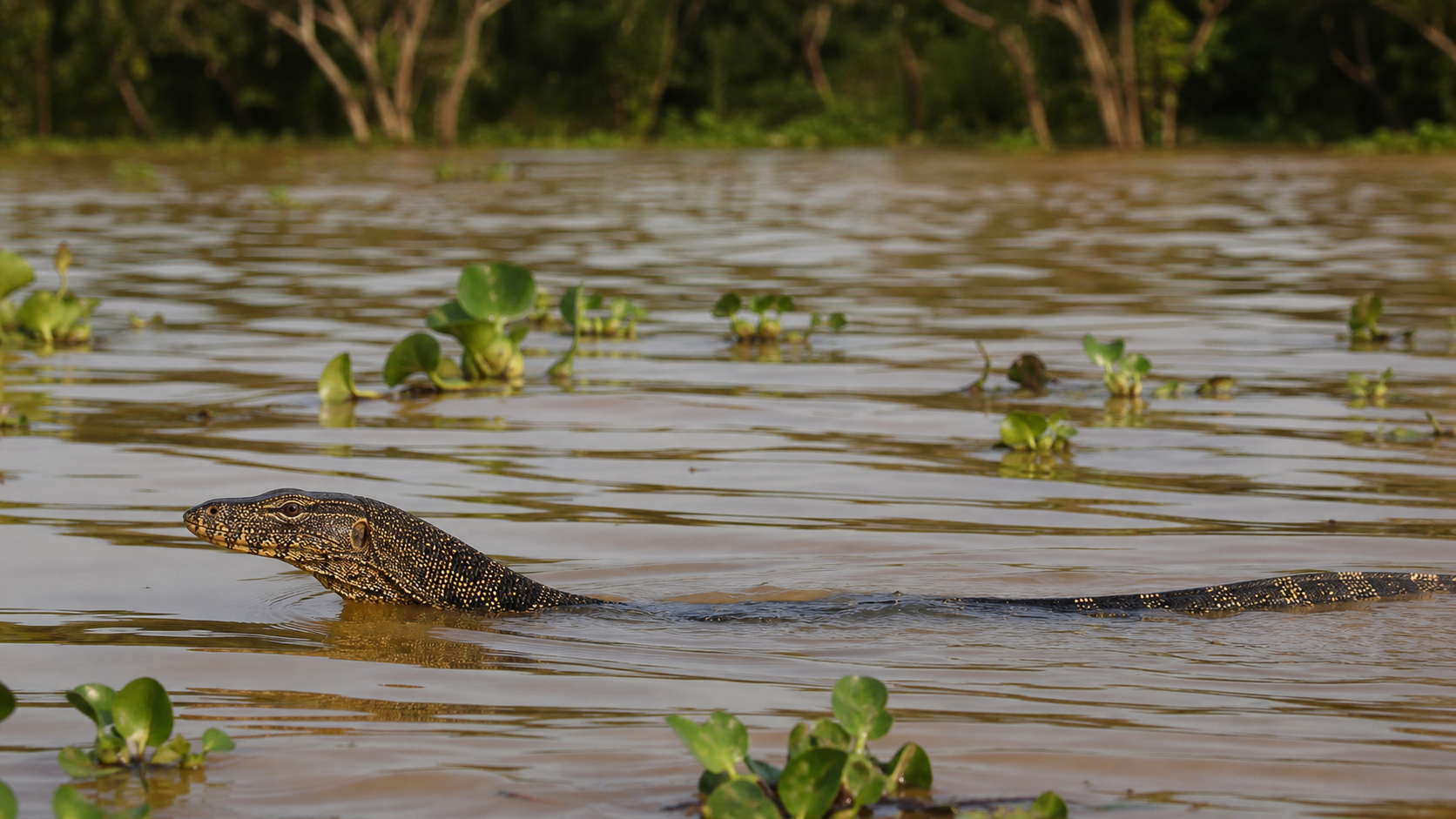
Asian water monitors (Varanus salvator) are large, semi-aquatic lizards native to mainland Southeast Asia, including parts of the Mekong region. They use waterways, wet ground and adjoining vegetation, but they are not a real-time pollution-monitoring system. Their presence alone cannot diagnose water quality or identify a contaminant.
Using a changing wetland landscape
Water monitors can swim well, climb, shelter in vegetation and use a wide range of food sources. Their local ecology depends on available habitat, disturbance and food, so observations should not be turned into universal claims about every Mekong wetland.

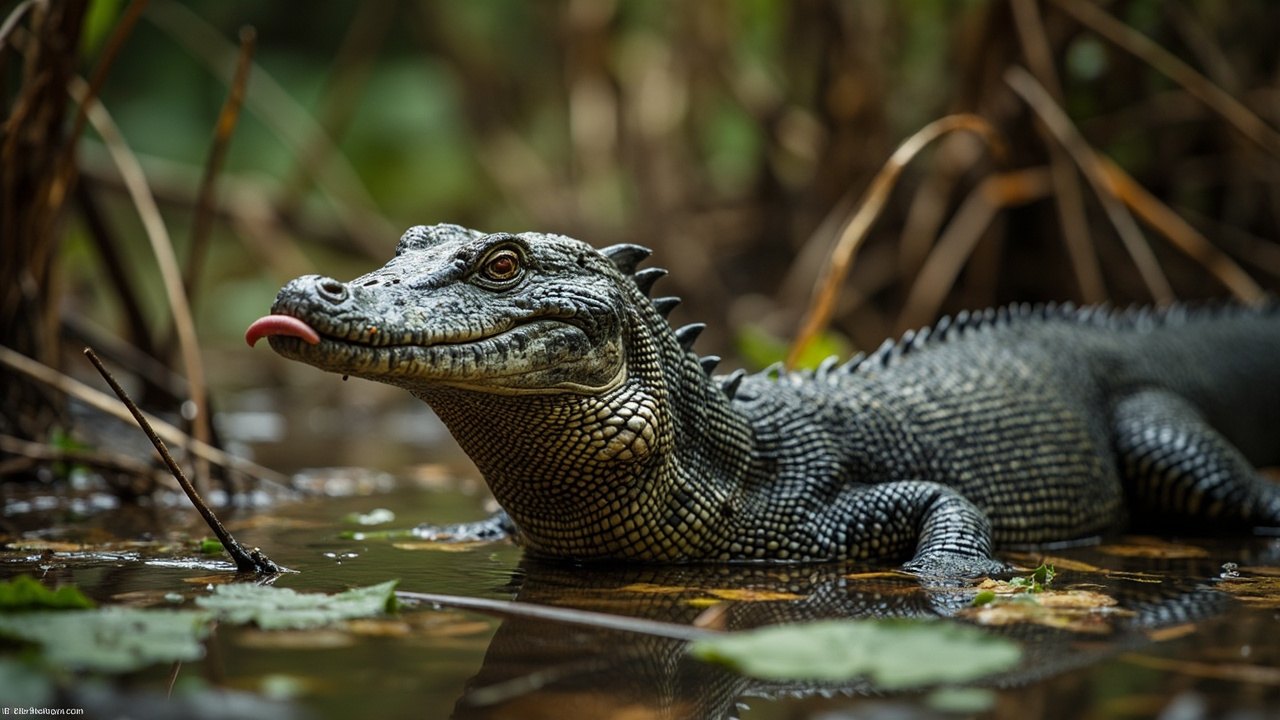
Why Mekong wetland processes matter
The Mekong’s seasonal flow and sediment movement shape floodplains, channels and wetlands. Much of the annual flow occurs during the flood season, while dams, sand mining, groundwater extraction and land-use change can alter downstream conditions. These changes affect many species and communities, not just a single lizard.
Practical conservation
Protecting connected wetland habitat, maintaining water quality and limiting illegal harvest benefit wildlife more reliably than treating monitor lizards as pollution sensors. Site-specific surveys and locally led monitoring are essential before drawing conclusions about a population or habitat.
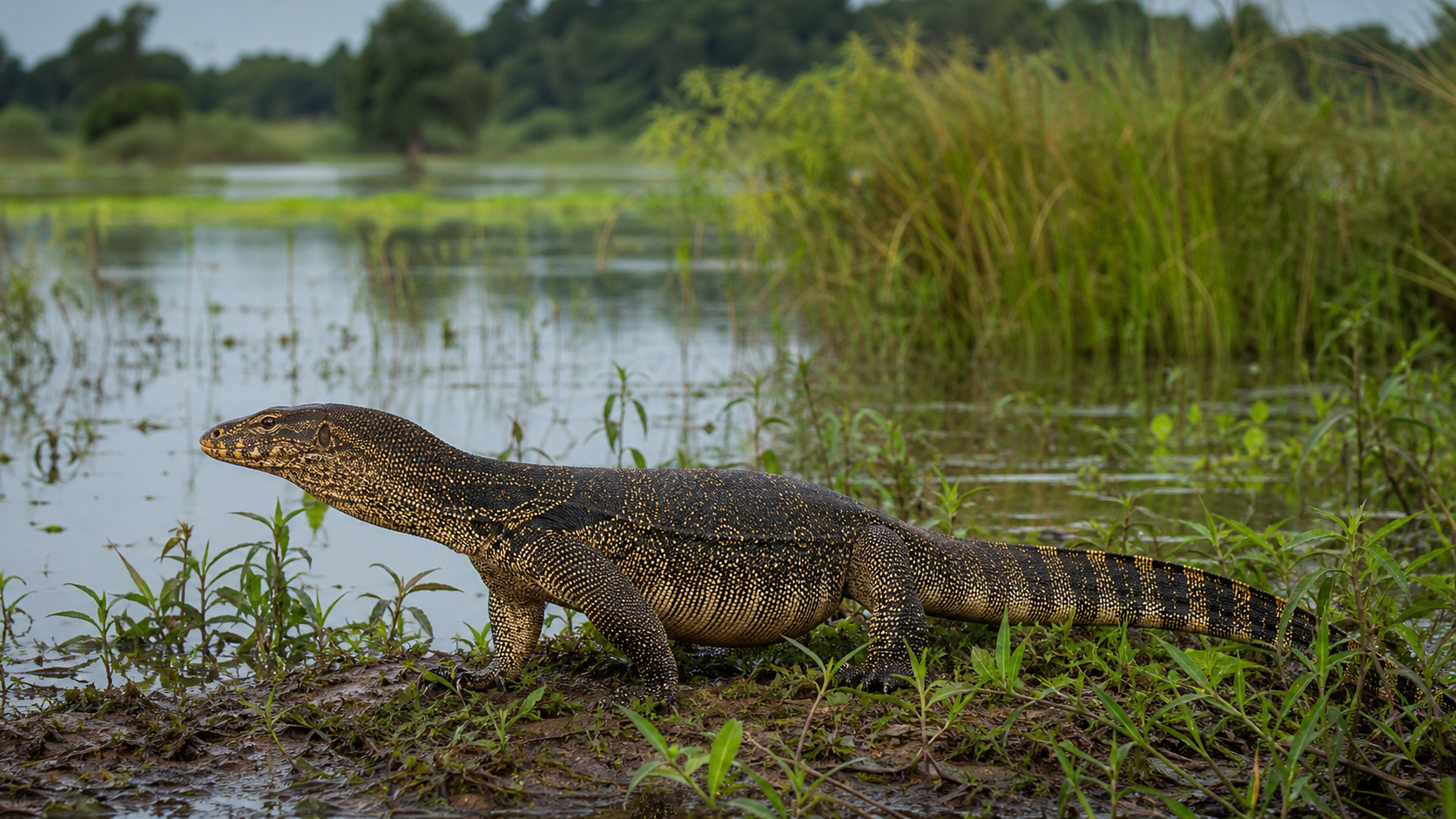
Wildlife safety
Water monitors are wild animals with strong claws, teeth and tails. Watch from a distance, do not feed them and do not attempt to capture one. If an animal is in a dangerous location, contact an authorized local wildlife professional rather than trying to move it yourself.
Wetland Edges Connect Habitats
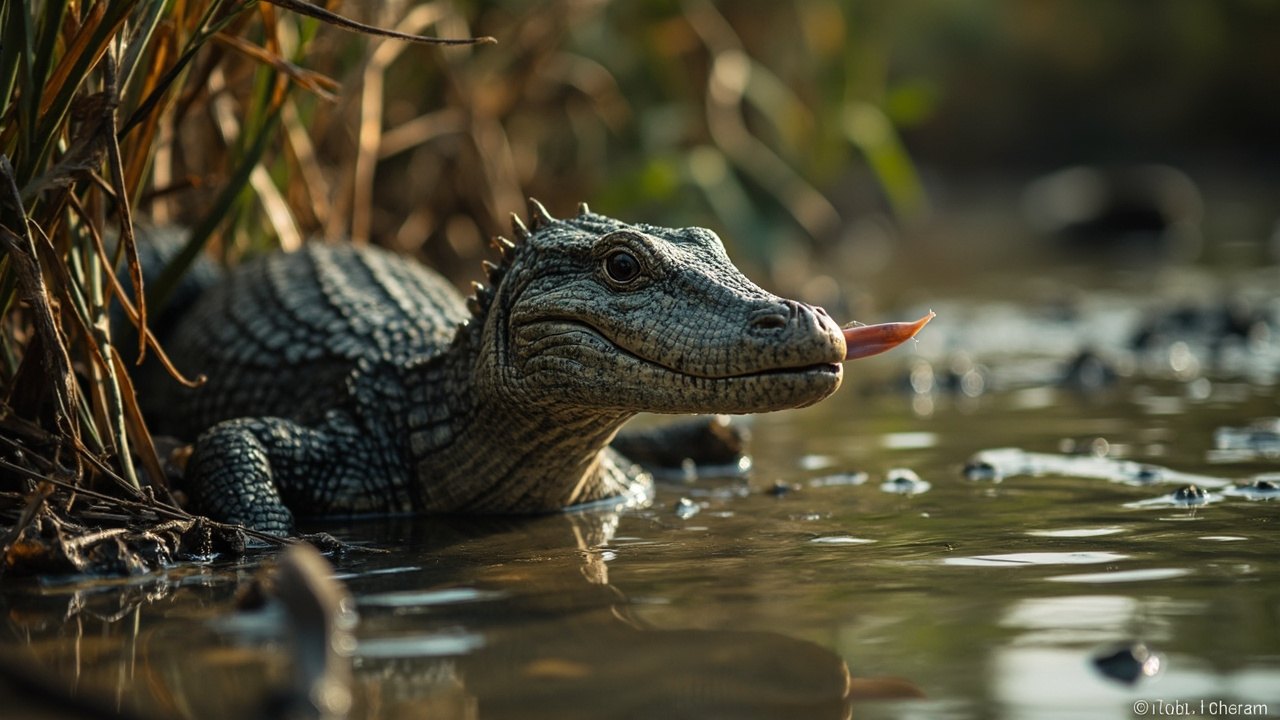
Water monitors can move between water, banks, vegetation and nearby ground. The value of a wetland therefore depends on more than the open channel. Shoreline cover, seasonal pools and connected vegetation can affect feeding, shelter and movement. A concrete edge or cleared bank may still look like a waterway on a map while offering fewer usable conditions for wildlife.
Human Food Changes Encounters
Discarded food and deliberate feeding can draw wild animals into places used by people. That is not evidence that a monitor is tame or asking to be handled. Secure waste, keep pets under control and give a lizard a route away from busy areas. These habits reduce conflict without presenting a wild predator as a tourist attraction.
Observations Need More Than a Sighting
A useful wildlife record includes date, habitat, behaviour and a photograph taken from a safe distance when possible. One sighting cannot show population trend, pollution level or the health of an entire wetland. Local researchers and communities can combine repeated records with water and habitat data to build a more reliable picture.
Sources and review notes
Reviewed 23 August 2026. Reptile biology is wonderfully variable. We have avoided turning one species, photograph or dramatic observation into a rule for an entire group, and we have used cautious wording where evidence or local conditions differ.
Reference starting points: The Reptile Database, The IUCN Red List of Threatened Species, and PubMed-indexed research. Conservation status, taxonomy and local laws can change, so check the linked databases and the relevant local authority for current information.
Spotted something we should revisit? Send Reptile Explorer a correction—thoughtful reader feedback is always welcome.