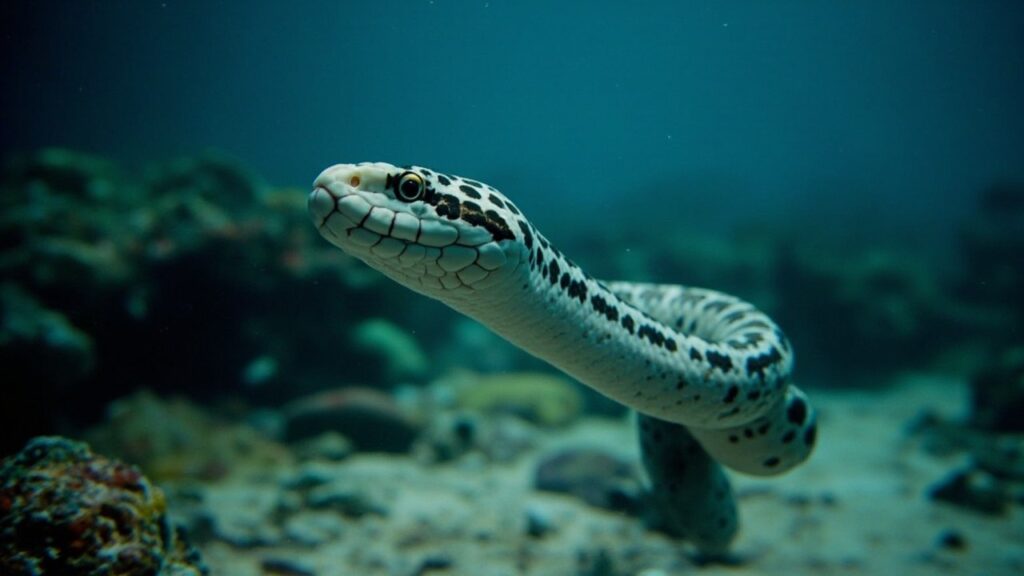
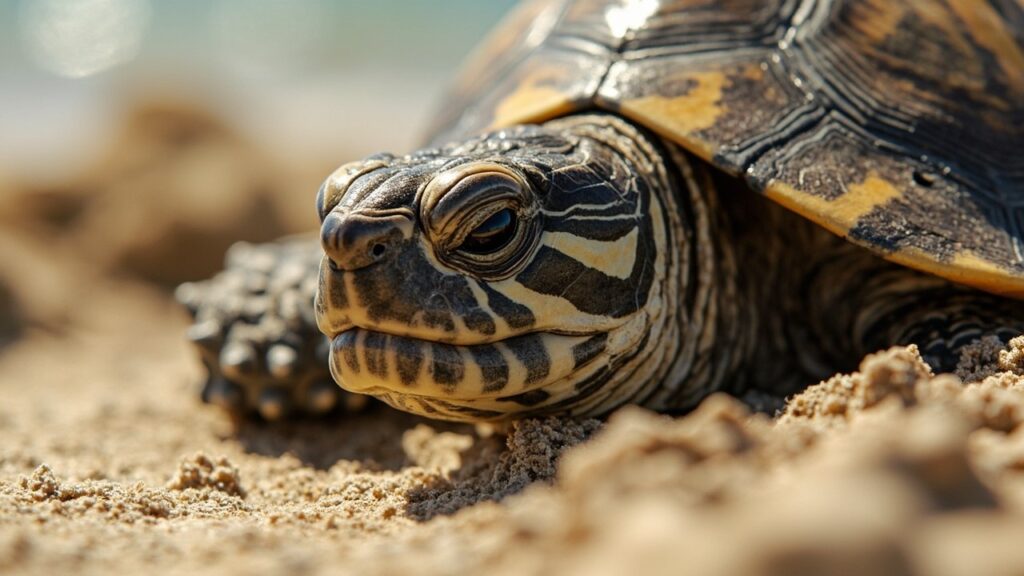
The false gharial, Tomistoma schlegelii, is a long-snouted crocodilian found in parts of Southeast Asia, including Sumatra. The name is historical: it is not the same species as the Indian gharial, even though both have narrow snouts.

A wetland animal, not just a river animal
False gharials use peat-swamp forests, blackwater rivers, lakes, marshes, and other lowland wetlands. In Sumatra, peat swamps and dark, acidic waters are important habitats, but the species should not be reduced to one type of waterway or one island.
What the snout can and cannot tell us
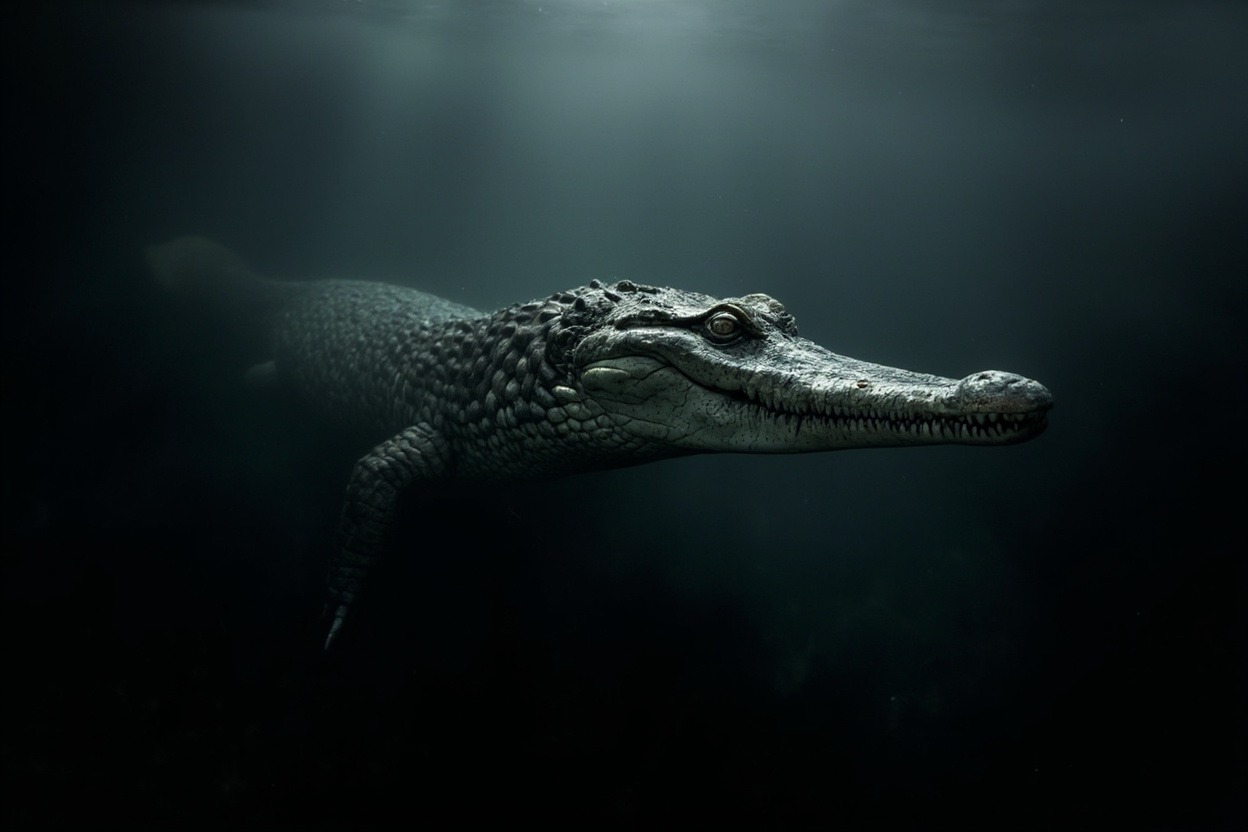
A long, narrow snout is useful for catching aquatic prey, but it is not a complete description of diet, behaviour, or risk. False gharials are still large crocodilians and must never be approached or handled.
Why habitat protection matters
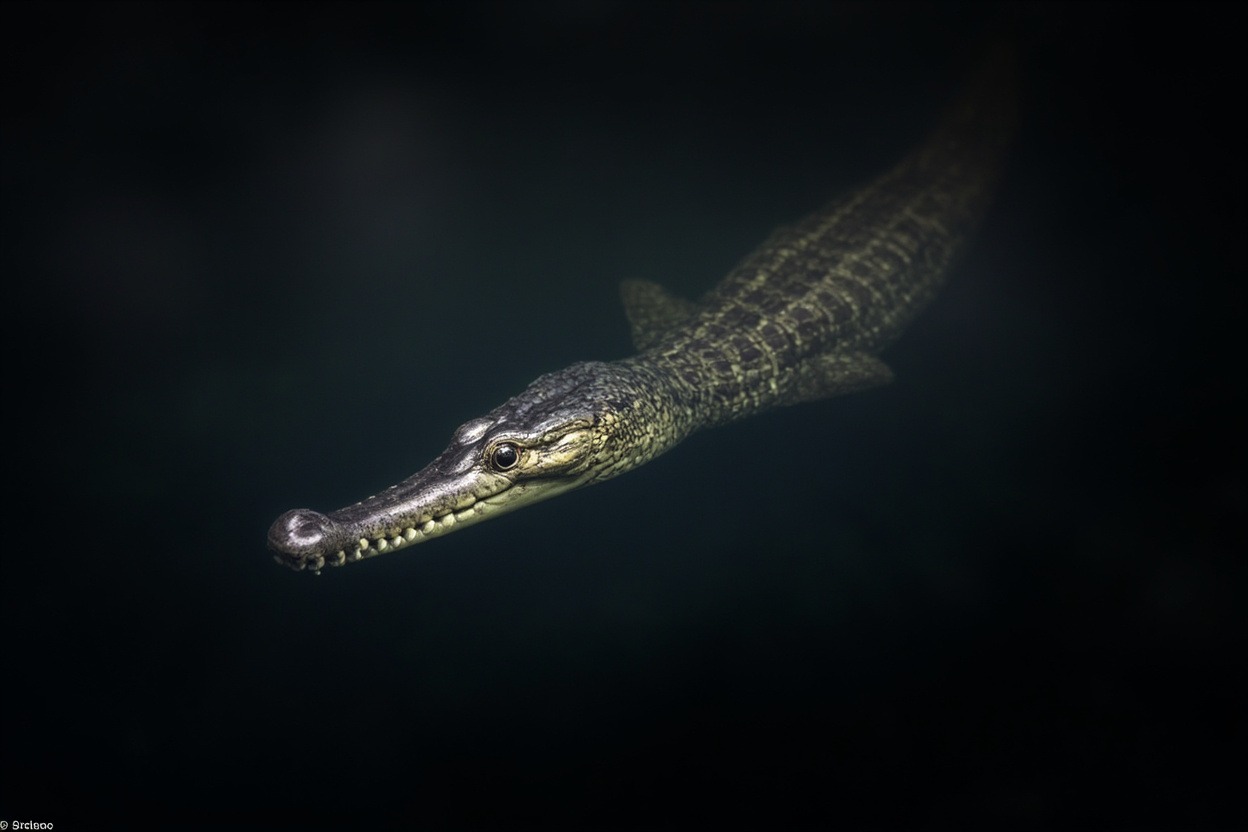
Drainage, conversion, and fragmentation of wetlands affect many species at once. Accurate conservation coverage should connect false gharials with the peat-swamp and freshwater systems they depend on, rather than relying on an unverified generic crocodile image.
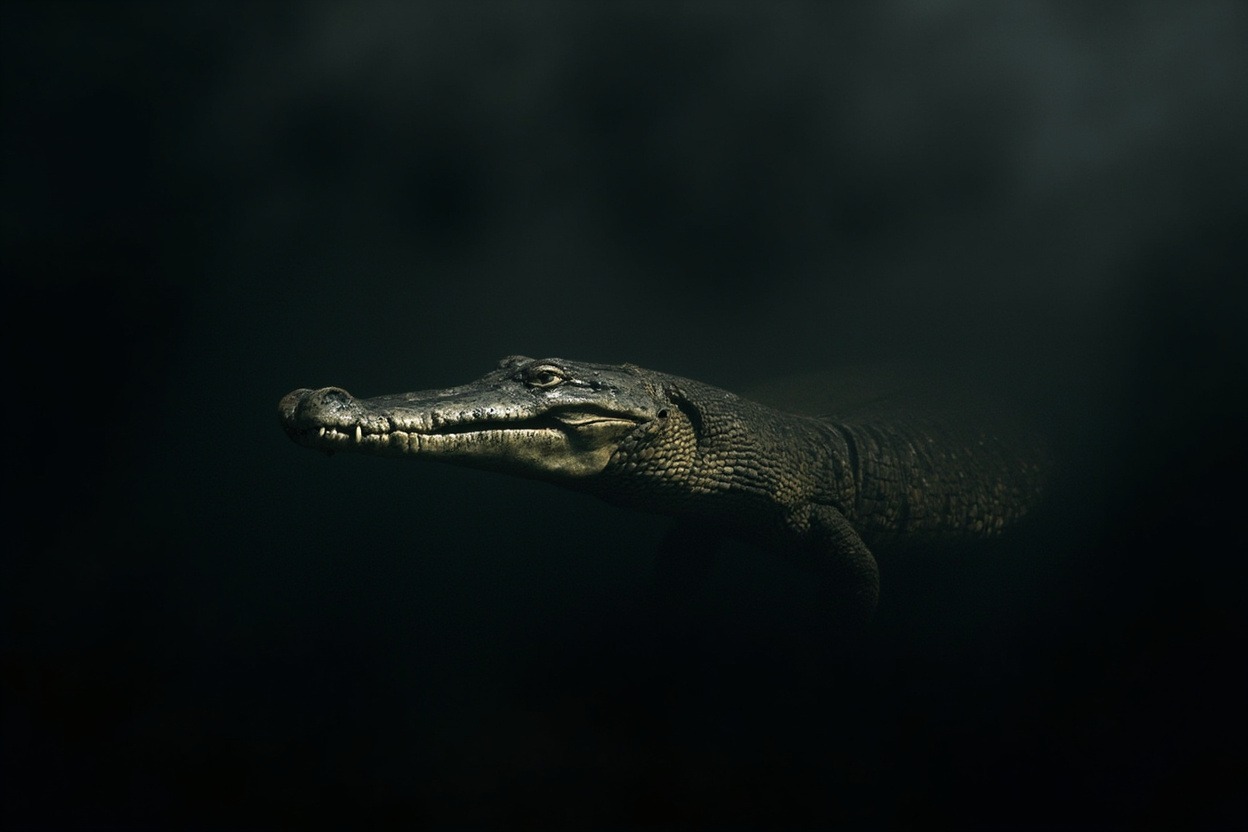
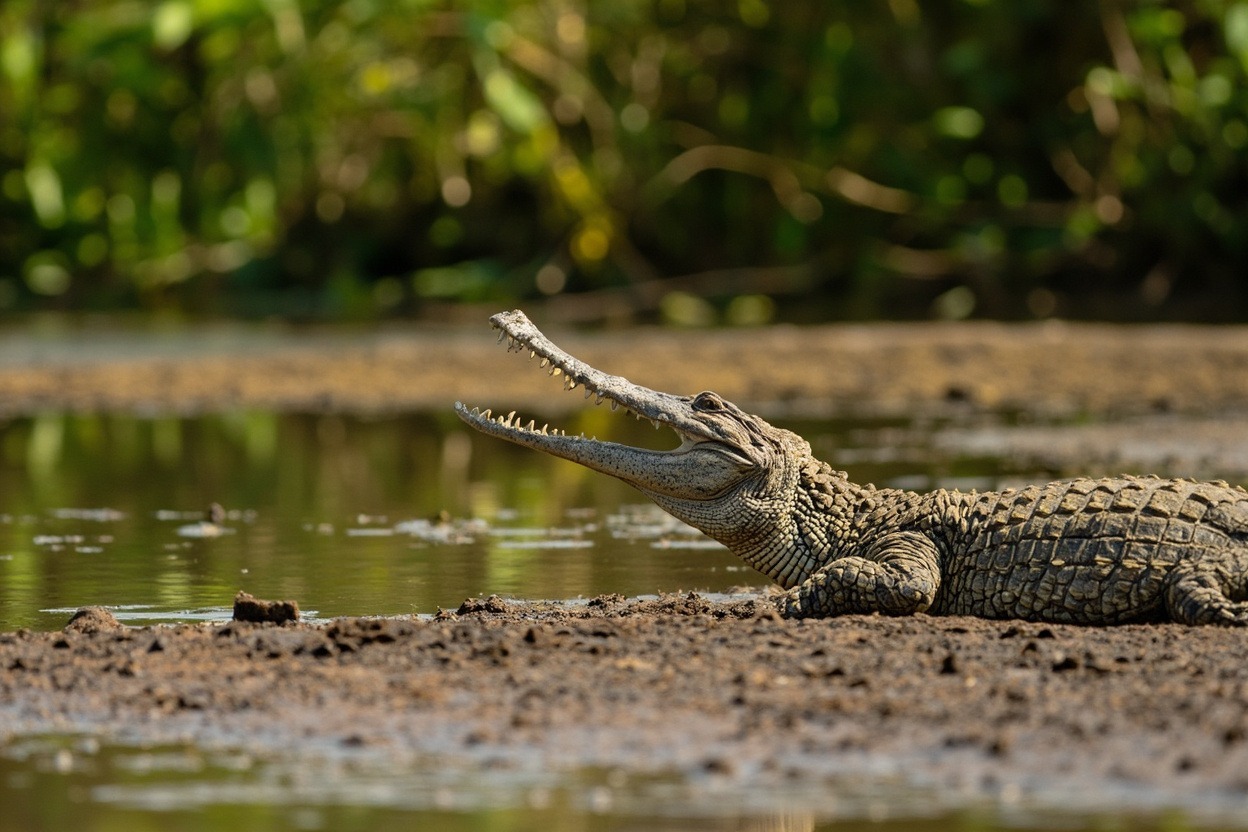
Blackwater Can Be Productive Habitat
Water in peat-swamp forests often looks dark because dissolved organic material enters slow channels and pools. That colour does not automatically mean the water is polluted or unsuitable for wildlife. Tomistoma schlegelii is associated with peat swamps, lakes, marshes and freshwater swamp forest, where water chemistry, vegetation and seasonal flooding create conditions unlike a clear, fast-flowing river.
A Narrow Snout Is Not a Complete Diet Label
The tomistoma’s long snout is a distinctive feature, but it does not establish one fixed prey item or one behaviour. Prey availability changes with the animal’s size, season and wetland type. The animal is also a large crocodilian, so a close photograph cannot provide a safe basis for judging risk. Distance, a telephoto image and local wildlife guidance are safer than attempts to approach or handle it.
Wetland Protection Needs Hydrological Detail
Peat drainage can change water depth, vegetation cover, fire exposure and the connection between channels and swamp forest. Surveys should record habitat type, water conditions and evidence of disturbance alongside confirmed sightings. That information helps distinguish a one-time encounter from a continuing use of the wetland. It also gives conservation teams a clearer basis for protecting the specific freshwater systems tomistomas need.
Sources and review notes
Reviewed 23 August 2026. Reptile biology is wonderfully variable. We have avoided turning one species, photograph or dramatic observation into a rule for an entire group, and we have used cautious wording where evidence or local conditions differ.
Reference starting points: The Reptile Database, The IUCN Red List of Threatened Species, and PubMed-indexed research. Conservation status, taxonomy and local laws can change, so check the linked databases and the relevant local authority for current information.
Spotted something we should revisit? Send Reptile Explorer a correction—thoughtful reader feedback is always welcome.