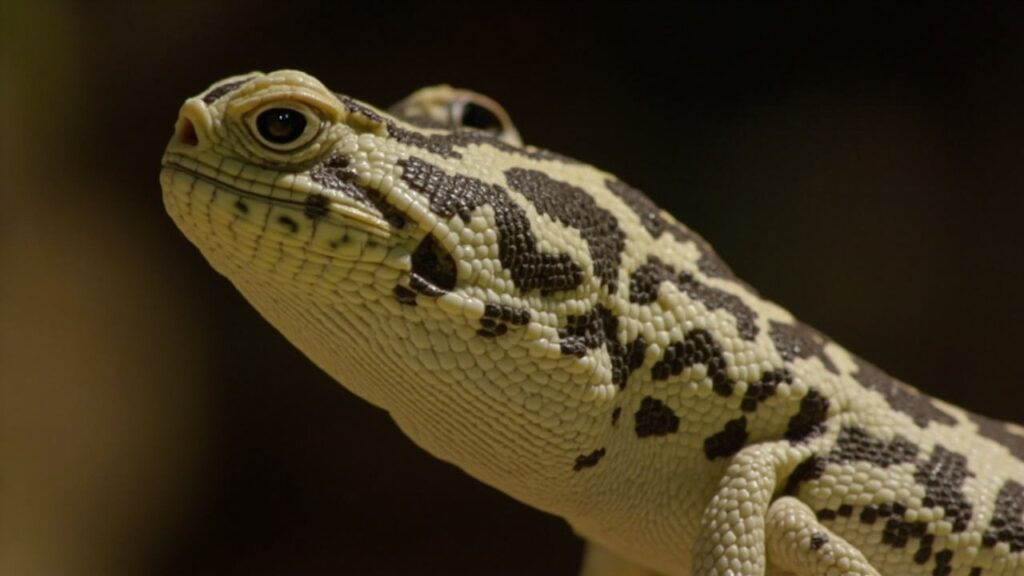
Reptile Body Temperature Facts

Reptiles can't generate their own heat, relying instead on their environment to regulate body temperature. Sunbathing, heat lamps, and warm rocks are crucial for their warmth. Proper temperature is vital for their digestion, movement, and immune function. Larger reptiles have more body mass to heat and cool, meaning they typically require more time and external warmth to reach their ideal temperature. They regulate their temperature by soaking up sun or shifting between warm and cool spots. Without adequate warmth, they risk hypothermia, which can be deadly. Custom enclosures with varied temperature zones are key to their well-being. There's still plenty to learn about how these fascinating creatures adapt and survive.

Importance of Body Temperature

Youtube video

Reptiles' body temperature plays a crucial role in their daily lives. Unlike mammals, these cold-blooded creatures can't produce their own heat. Instead, they depend on their surroundings to warm up or cool down – a trait known as ectothermic physiology.

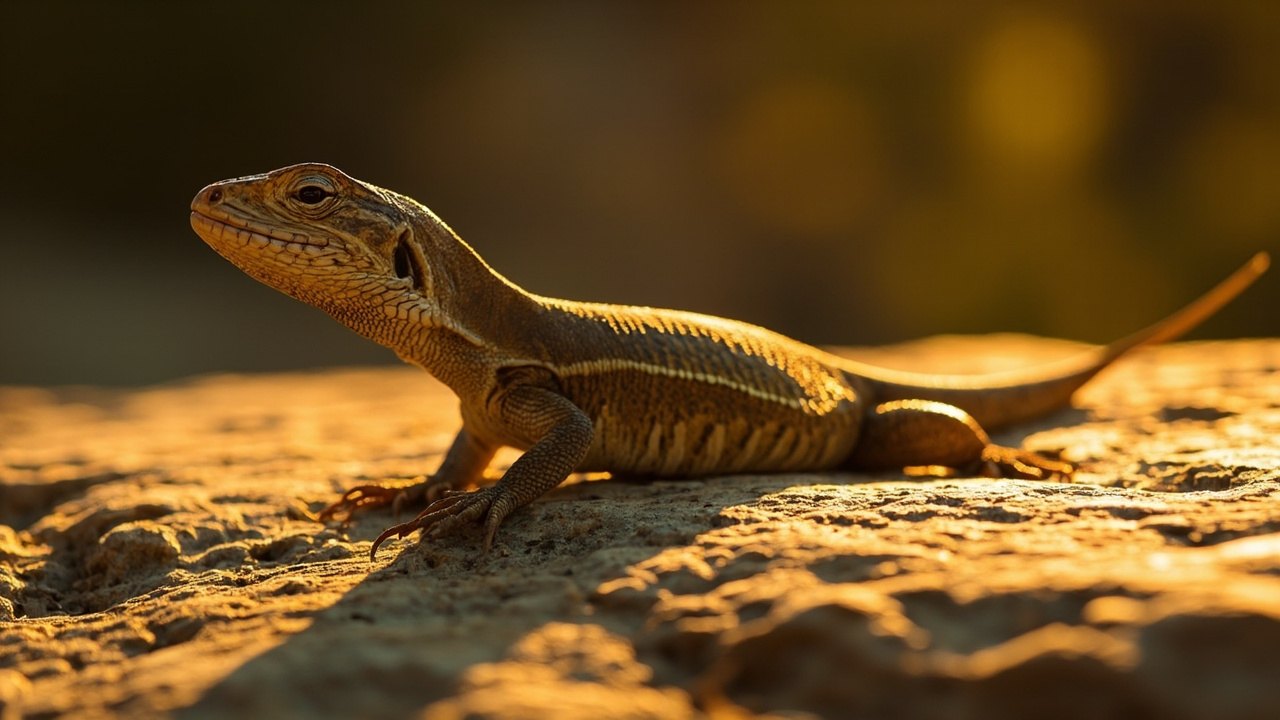
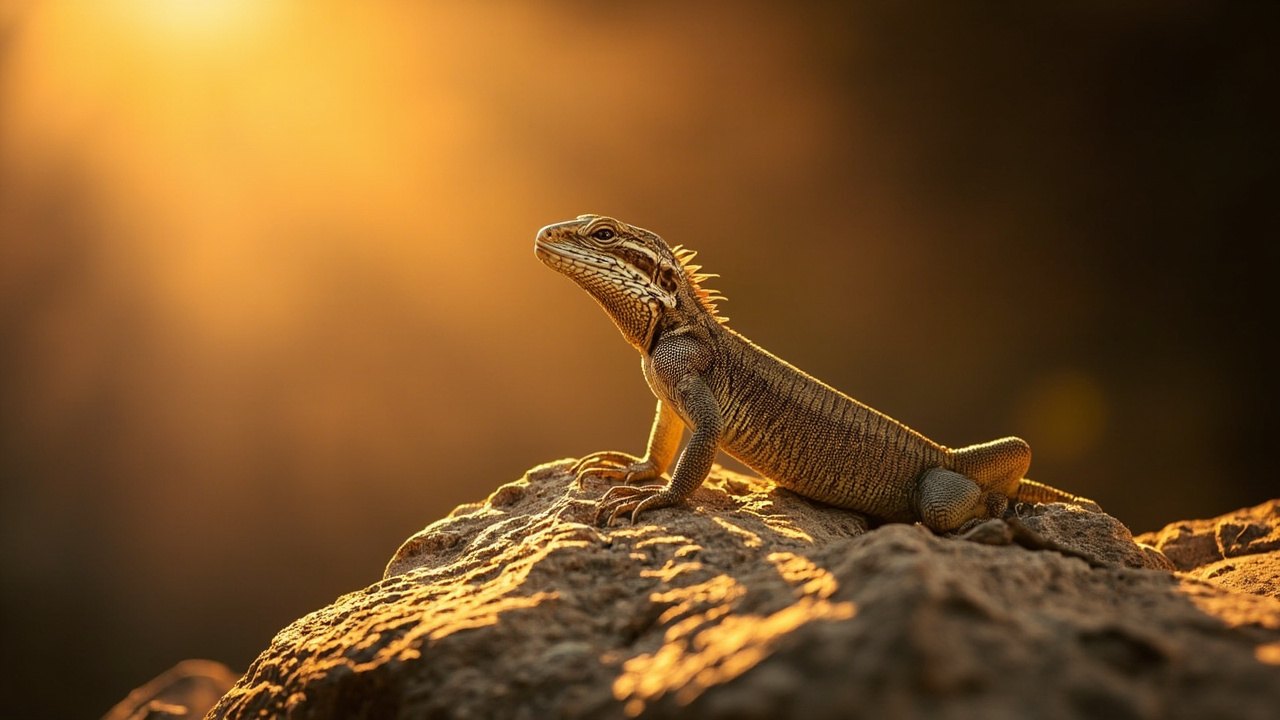
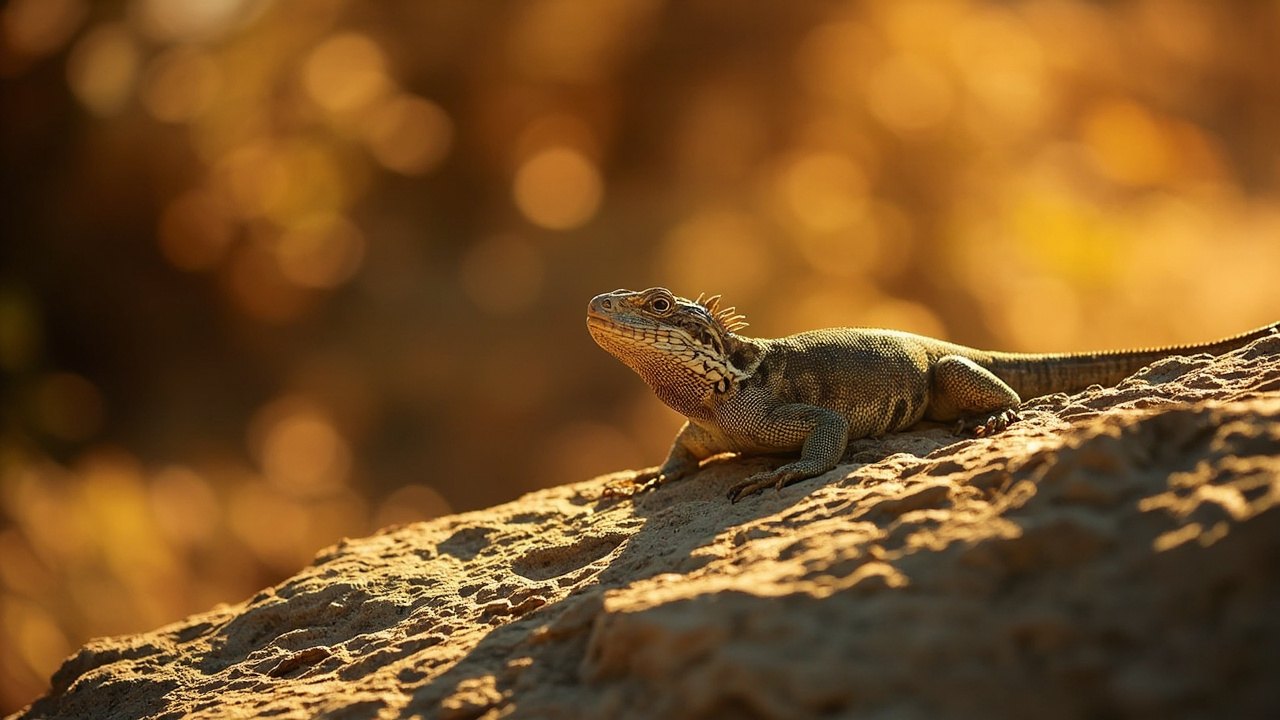
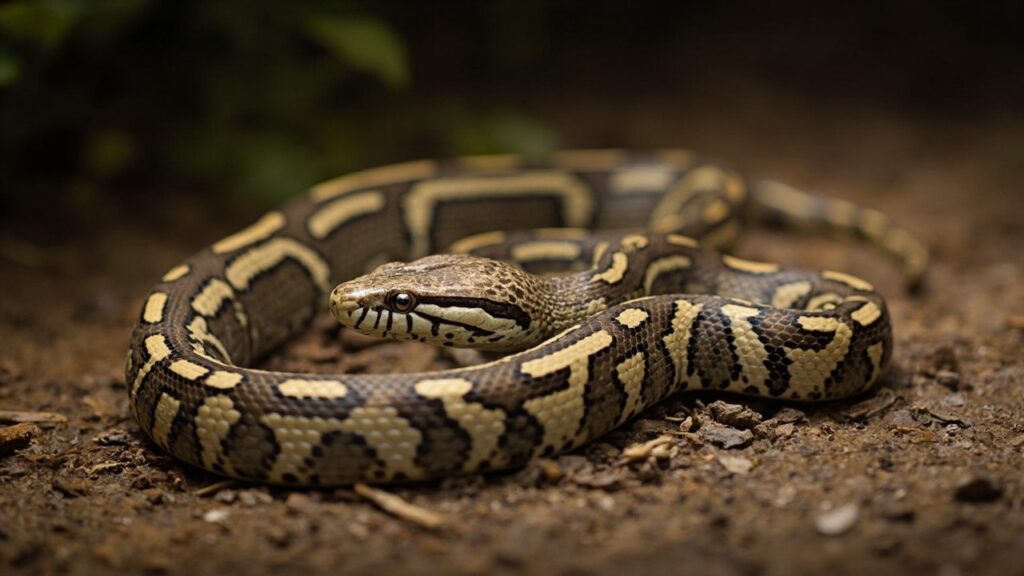
This temperature control affects nearly every aspect of a reptile's life. From eating to moving around, these animals need to be at the right temperature to function properly. They've developed clever ways to manage their body heat. You might spot a lizard sunbathing on a rock to warm up, or see a snake slithering into a shady spot to cool off.

For reptiles, maintaining the right body temperature isn't just about comfort – it's a matter of life and death. When they're too cold, they can't digest food properly or move quickly enough to catch prey or escape predators. If they're too hot, they risk overheating and damaging their organs.

Even their immune systems are tied to temperature. A reptile that's too cold might not be able to fight off infections effectively. This makes keeping the right body temperature critical for staying healthy. Understanding these thermoregulation strategies in reptiles helps us grasp why they behave the way they do.

Understanding how reptiles regulate their temperature also explains why providing the right environment is so important when keeping reptiles as pets. By recognizing the link between temperature and a reptile's well-being, we can better appreciate these fascinating creatures and their unique needs. For more detail, see our guide to ideal temperature ranges.

External Heat Sources

the four word phrase is sources of external heat

Reptiles depend on outside warmth to control their body heat. They can't make enough on their own, so they turn to the sun, special lamps, and heated surfaces. These sources help them stay at the right temperature to digest food, move around, and do other important things.

The sun is their go-to heat source in nature. You'll often see reptiles lounging in sunny spots to warm up. In captivity, keepers use heat lamps as a stand-in for sunlight. Getting the temperature just right can be tricky, though. Heated rocks and special enclosures offer more steady warmth, helping reptiles stay in a safe temperature range.

It's key to have different temperature zones in a reptile's home. This lets them move between warmer and cooler areas to adjust their body heat as needed. Without these options, reptiles would struggle to survive.

Understanding how reptiles use these heat sources is crucial for anyone keeping them as pets or studying them in the wild. By providing the right mix of warm and cool spots, we can help these animals thrive.

Size and Temperature Needs

size and temperature needs

Reptile size and temperature needs go hand in hand. Large reptiles need more time and external warmth to reach their ideal body temperature compared to smaller species. This relationship is key to understanding how different reptiles manage their internal heat.

The larger the reptile, the more mass it has to heat and cool. A massive Komodo dragon requires significantly more warmth than a tiny gecko. This is because bigger reptiles have a lower surface-area-to-mass ratio – they heat up more slowly but also retain their body heat longer once warm. Since reptiles can't generate their own body heat, they rely on external sources like sunlight or warm rocks to regulate their temperature.

Different species have varied temperature preferences. The hardy tuatara thrives in cooler weather, while others need warmer climates. Desert snakes like the sidewinder carefully maintain their body temperature within a narrow active range by moving in and out of sheltered spots throughout the day. Understanding these differences is crucial for anyone studying reptile biology.

Methods of Temperature Regulation

physiological heat management systems

Reptiles have unique ways of managing their body heat, given their inability to produce it internally like mammals do. Let's look at how these fascinating creatures stay comfortable in changing temperatures.

Soaking up the sun is a go-to method for many reptiles. You'll often spot lizards and snakes lounging on rocks or warm surfaces, absorbing heat from their surroundings. When it gets too hot, they'll quickly scurry to shady spots or dig into cooler earth to avoid overheating.

These animals are masters at positioning themselves just right. By changing how they face the sun, they can control how much warmth they take in. Their skin color plays a part too – darker reptiles can soak up more heat, while lighter ones reflect it away. The vast majority of reptiles rely on behavioral thermoregulation as their primary strategy.

It's a constant balancing act for these cold-blooded creatures, but they've perfected the art over millions of years. Their ability to adapt to different temperatures is key to their survival in various habitats around the world.

Preventing Hypothermia in Reptiles

cold blooded creatures need warmth

Keeping reptiles at the right temperature is key to their health. These cold-blooded creatures can't regulate their body heat on their own, so they're sensitive to changes in their environment. If you don't set up their habitat correctly, with different warm and cool areas, your scaly friend might develop a slow-onset form of hypothermia that can be dangerous over time.

To keep your reptile cozy, create a temperature range in their enclosure. Put heat lamps or heating pads on one side to make warm spots and cooler areas. Watch out for drafts or power cuts that could make the temperature drop suddenly.

If your reptile seems sluggish or isn't eating, it's time to call the vet. They'll help you figure out exactly what temperatures your particular reptile needs and how to improve their living space. With the right setup and expert advice, you can keep your reptile healthy and thriving in their home. It also helps to understand reptile hibernation and aestivation for seasonal context.

Frequently Asked Questions

What Is the Body Temperature of Reptiles?

Unlike mammals, reptiles don't keep their body temperature steady. They depend on heat from their surroundings. Their internal temperature changes with the environment, usually between about 21°C and 38°C, varying by species and where they live.

This approach to body heat is quite different from what we see in warm-blooded animals. Reptiles bask in the sun or seek shade to control their temperature. It's a clever adaptation that allows them to thrive in diverse habitats, from deserts to tropical rainforests.

Understanding this aspect of reptile biology helps explain their behavior. You might spot a lizard sunning itself on a rock in the morning, then hiding in the shade during the hottest part of the day. This temperature regulation strategy influences everything from their diet to their activity patterns.

What Traits Help Reptiles Regulate Their Body Temperature?

The vast majority of reptiles rely on their behavior to control their body heat. These cold-blooded creatures have a knack for finding the perfect spot to warm up or cool down. They'll bask in the sunshine when they need to heat up, or seek out shady areas to cool off. This simple yet effective strategy helps them maintain the right body temperature, which is key to their survival. It's a testament to how animals adapt to their environment, using what's available to meet their needs.

How Does Temperature Affect Reptiles?

Reptiles are highly sensitive to temperature changes, which can dramatically affect their bodily functions and behavior. Cold-blooded creatures like snakes and lizards rely on external heat sources to regulate their metabolism. When it's too hot or cold, these animals struggle with basic tasks like hunting or mating. Extreme temperatures put them under considerable stress, potentially threatening their survival. As someone who's spent time observing reptiles, I've noticed how quickly they respond to shifts in their environment. They'll bask in the sun to warm up or seek shade when it's scorching, always trying to find that sweet spot for optimal performance.

What Temperature Is Too Cold for Reptiles?

Cold-blooded creatures like reptiles struggle in chilly conditions. Sudden temperature drops can be dangerous for many species, and prolonged cold can lead to health issues including suppressed immune function and digestive problems. That's why keeping these animals at appropriate temperatures is crucial for their well-being. Maintaining the right temperature range isn't just a comfort issue – it's a matter of survival for our scaly friends.

Scroll to Top