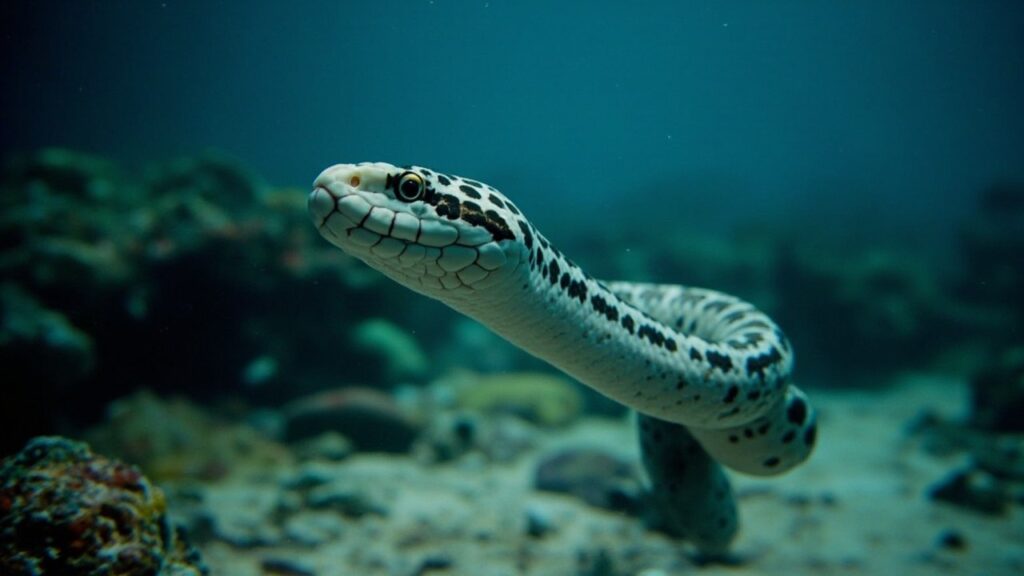
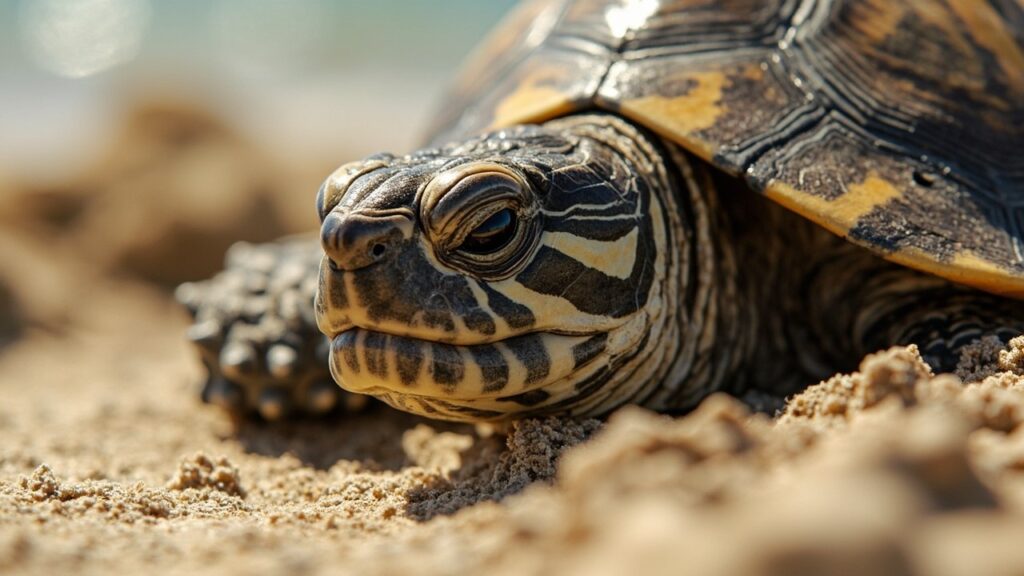
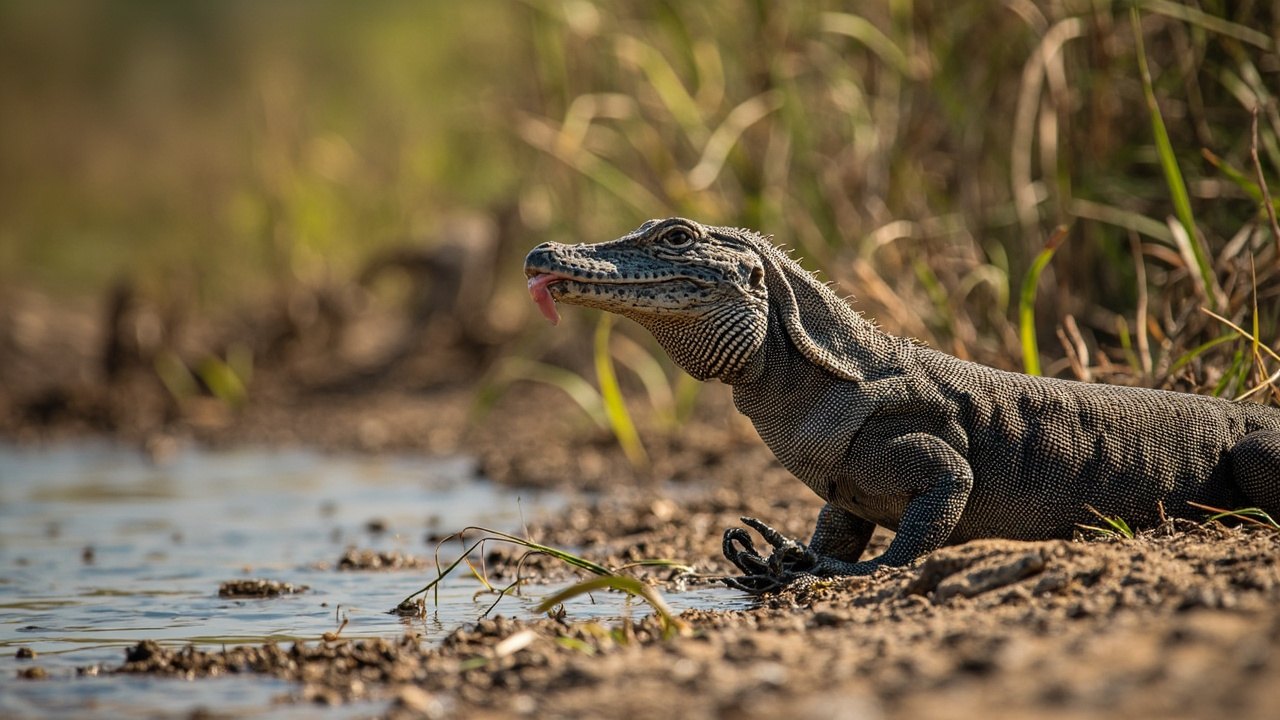
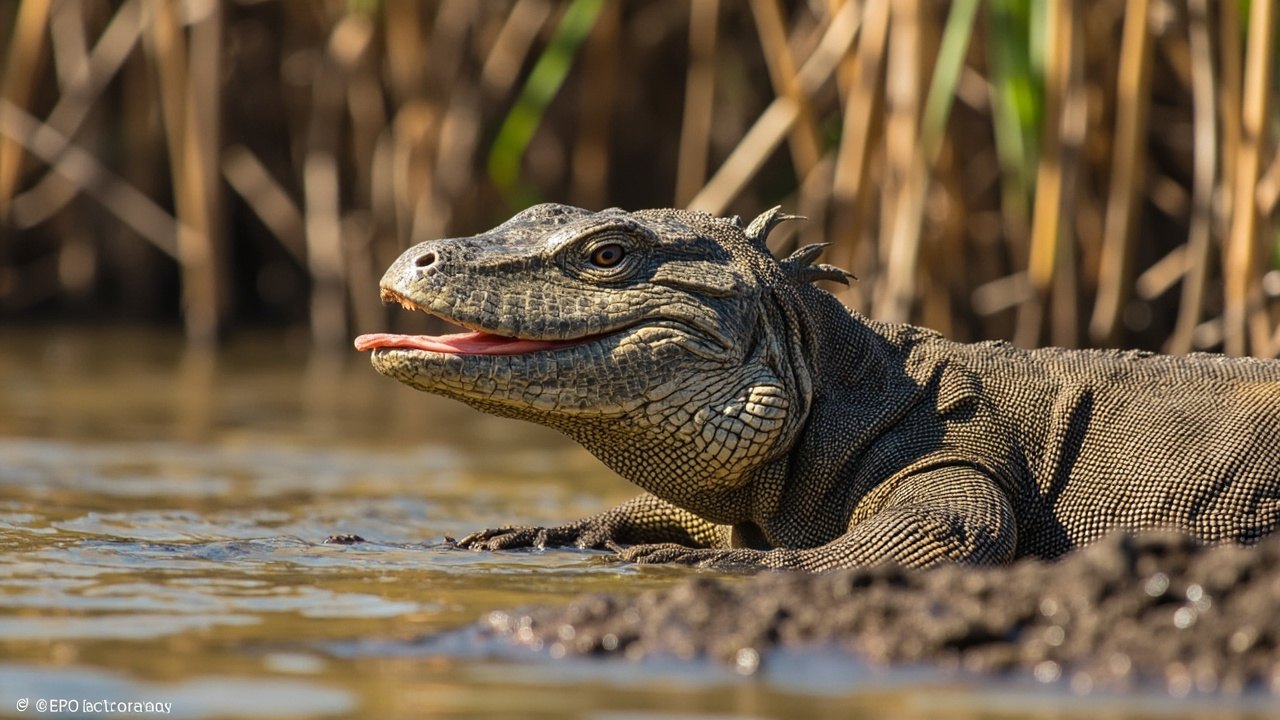
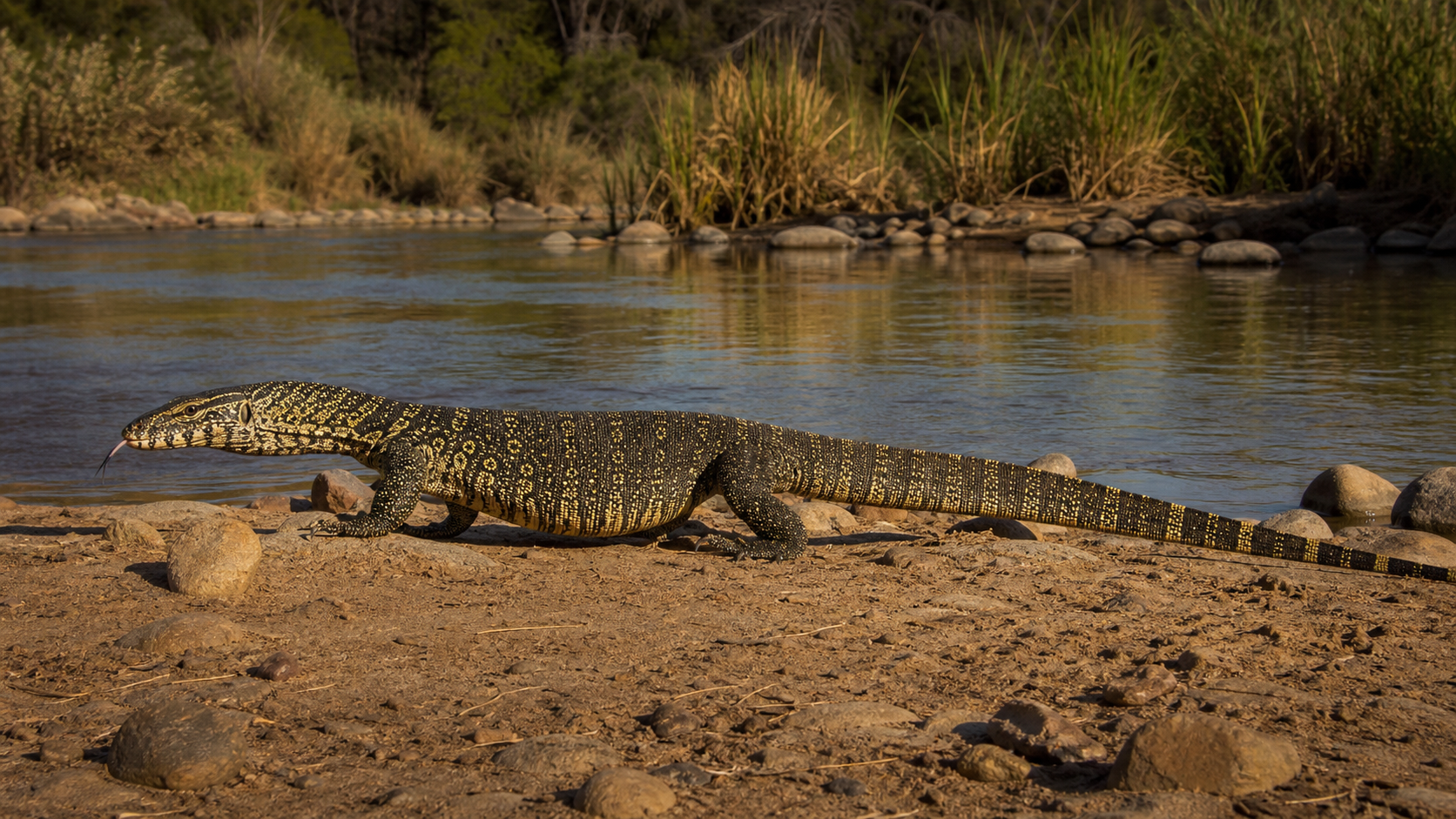
The Nile monitor, Varanus niloticus, is one of Africa’s largest lizards. Despite its common name, it is not restricted to the Nile River. It occurs across much of sub-Saharan Africa in habitats that include rivers, lakes, swamps, floodplains and nearby woodland.
At home near water
Nile monitors are strong swimmers and can stay submerged to avoid danger or search for food. They also climb, dig and travel over land. Their diet is opportunistic and can include invertebrates, fish, amphibians, reptiles, birds, eggs, carrion and small mammals, depending on age and local conditions.

A powerful wild lizard
Large monitors have strong jaws, claws and tails. It is not useful to describe them simply as venomous or non-venomous in a safety article: a bite or defensive encounter can cause significant injury regardless. Never handle a wild monitor or try to feed one.
Native conservation and introduced populations
In its native range, the Nile monitor is generally assessed as Least Concern, although local pressures can still matter. In parts of Florida it is an introduced species managed under invasive-wildlife rules. Those are separate topics and should not be used to imply that native African populations are invasive.
Coexistence
Give a monitor space near water, secure poultry and food waste, and contact a qualified wildlife authority if an animal is in a conflict situation. Accurate range and behaviour information helps people respond safely without turning a native predator into a nuisance stereotype.
Waterways Need Adjacent Cover
A monitor seen near a river may also use bank vegetation, holes, fallen timber and nearby ground. These features provide routes and shelter that are not visible from the water alone. Describing its habitat as simply the Nile River misses the range of freshwater and terrestrial places used across its broad native distribution.
Food Waste Can Increase Conflict
Fish scraps, unsecured rubbish and intentional feeding can bring a monitor into repeated contact with people. Such encounters should not be mistaken for friendliness. Keep food waste contained and give the animal an open route away from a shoreline or campsite. A monitor that seems familiar with people can still bite, scratch or use its tail defensively.
Population Claims Need Local Evidence
Seeing a large lizard does not show whether a local population is increasing, stable or under pressure. Surveys need repeat observations, clear locations and knowledge of habitat change. This is especially important when comparing native populations with introduced populations managed under different laws.
Sources and review notes
Reviewed 23 August 2026. This article includes an amphibian because herpetology studies reptiles and amphibians together. We say that plainly so the relationship is interesting without blurring the difference between the two groups.
Reference starting points: AmphibiaWeb, The IUCN Red List of Threatened Species, and PubMed-indexed research. Conservation status, taxonomy and local laws can change, so check the linked databases and the relevant local authority for current information.
Spotted something we should revisit? Send Reptile Explorer a correction—thoughtful reader feedback is always welcome.