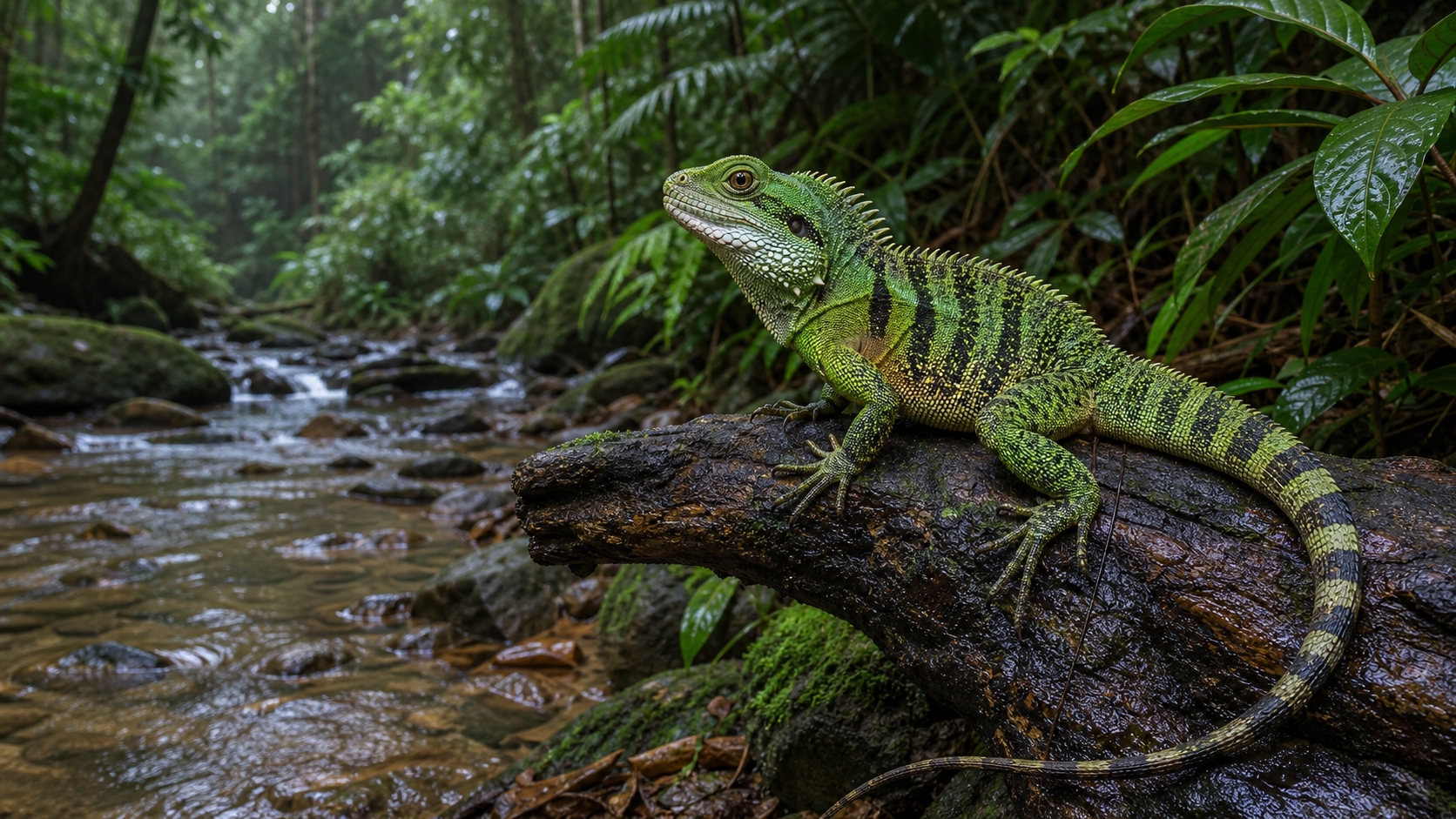
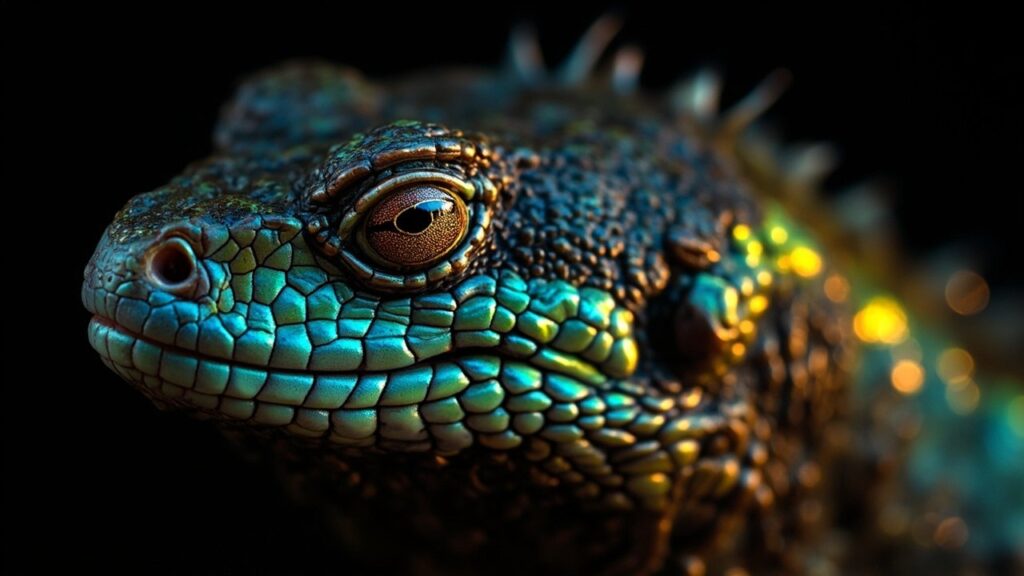
Chinese Water Dragon Underwater Breather

I was fascinated by the Chinese Water Dragon’s unique respiratory system, which allows them to thrive both underwater and on land. They have developed a glottis that seals the airway in their throats, preventing water from entering their lungs. This adaptation enables them to absorb oxygen directly through their skin, letting them stay submerged for up to 30 minutes. This makes them efficient hunters and adept at evading predators. However, their amphibious lifestyle requires a delicate balance, as prolonged exposure to air can lead to dehydration and stress. So, how do they maintain this balance?

Unique Respiratory System

Youtube video

The Chinese Water Dragon‘s remarkable respiratory system allows it to thrive in both water and air, a unique adaptation that supports its amphibious lifestyle. I find it fascinating that this dual capability gives the dragon an extraordinary level of freedom and versatility in its habitat. At the heart of this system is the glottis in their throats. When submerged, the glottis closes, preventing water from entering the lungs and ensuring the dragon can remain underwater for extended periods without risking drowning. Physignathus cocincinus on Wikipedia

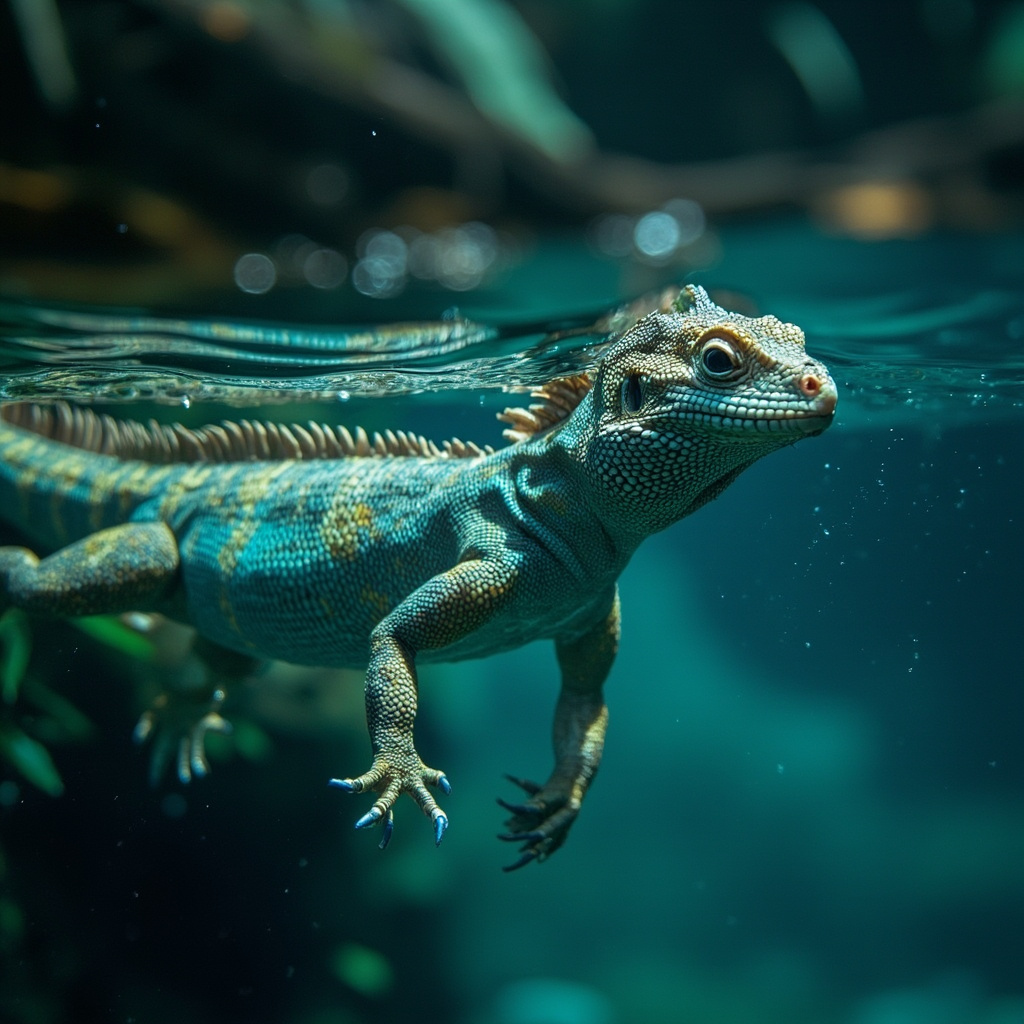
One of the most remarkable features of this system is the dragon’s ability to absorb oxygen directly from the water through its skin, a multi-purpose anatomical feature. This adaptability allows the dragon to stay submerged for up to 30 minutes, making it an efficient hunter and a master of evasion. Whether it’s escaping predators or simply resting underwater, this ability is key to its survival.

However, the dragon’s affinity for water doesn’t mean it’s bound to it. Although it can survive out of water for short periods, prolonged exposure to air leads to dehydration and stress, emphasizing its need for a balanced, amphibious existence.

Oxygen Extraction Techniques

Chinese Water Dragons have mastered the art of oxygen extraction, effortlessly switching between buccal pumping and cutaneous respiration to thrive in their aquatic environments. These remarkable creatures can extract oxygen from both water and air, allowing them to survive in low-oxygen conditions. By rapidly moving their throat and mouth, water dragons push water in and out of their buccal cavity, efficiently extracting dissolved oxygen through buccal pumping.

In addition to this, they use their skin to absorb oxygen directly from the water, a process called cutaneous respiration. This method allows them to remain submerged for extended periods. The skin is richly vascularized, making it a supplementary respiratory organ that enhances their ability to extract oxygen.

Water dragons also boast a highly efficient oxygen delivery system, featuring a large, multi-branched vascular network. This specialized system enables them to extract oxygen from the air with remarkable efficiency when they surface to breathe. By combining these advanced techniques, Chinese Water Dragons conserve energy and adapt to varying oxygen levels in their habitats, showcasing an extraordinary ability to survive in their environment.

Heart Rate Reduction

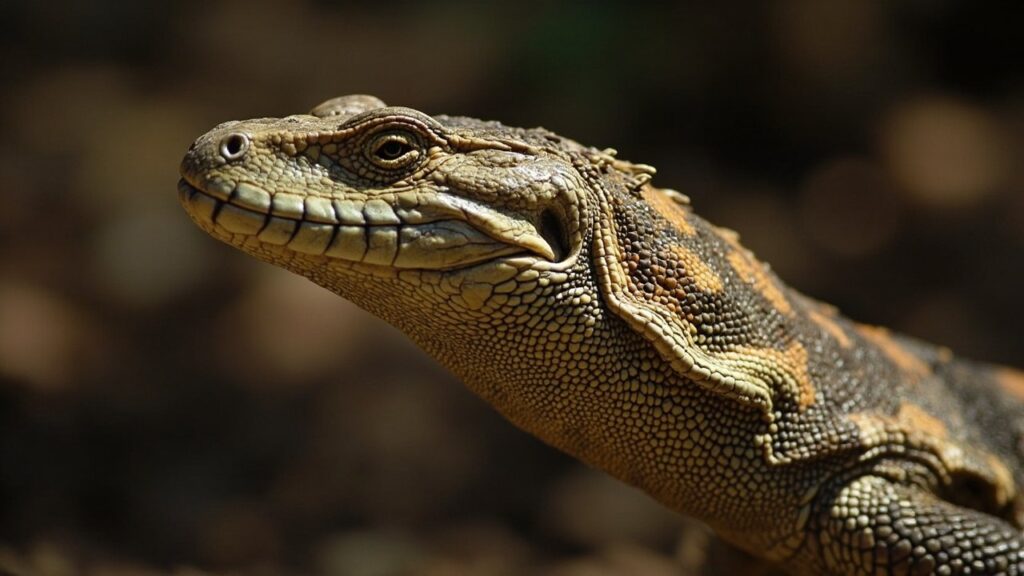
Chinese Water Dragon heart rate reduction while submerged

Water dragons have an remarkable ability to reduce their heart rate when submerged, allowing them to conserve oxygen. This adaptation is crucial for their survival, showcasing their resilience. As skilled swimmers, they optimize their underwater time by slowing down their metabolic processes. When their heart rate drops, they consume less oxygen, enabling them to extend their dive.

Here’s a closer look at this process:

Their heart rate slows down significantly, reducing oxygen consumption and allowing them to stay underwater for longer periods. This metabolic adjustment is essential for their survival, as it improves their chances of evading predators and catching prey.

Skin Oxygen Absorption

Chinese Water Dragon absorbing oxygen through its skin

Chinese Water Dragons have a unique ability to absorb oxygen through their skin, which allows them to thrive in their aquatic habitats. This remarkable adaptation sets them apart from many other reptiles and even aquatic animals. Their skin is rich in capillaries that are close to the surface, making it easy for oxygen and carbon dioxide to exchange directly with the surrounding water.

The skin of Chinese Water Dragons contains many oxygen-absorbing cells, making them highly efficient at extracting oxygen from water. This is crucial for their survival, especially when they’re submerged for extended periods. This is remarkable considering the challenges of getting oxygen while submerged.

Chinese Water Dragons have evolved to take advantage of this physiological trait, allowing them to fully exploit their aquatic habitats. By absorbing oxygen through their skin, they can maintain a balanced respiratory system even when underwater. This adaptation highlights the intricate relationship between their physiology and their environment, and showcases their remarkable resilience. Chinese Water Dragon care guidelines (Reptiles Magazine)

Submersion Benefits

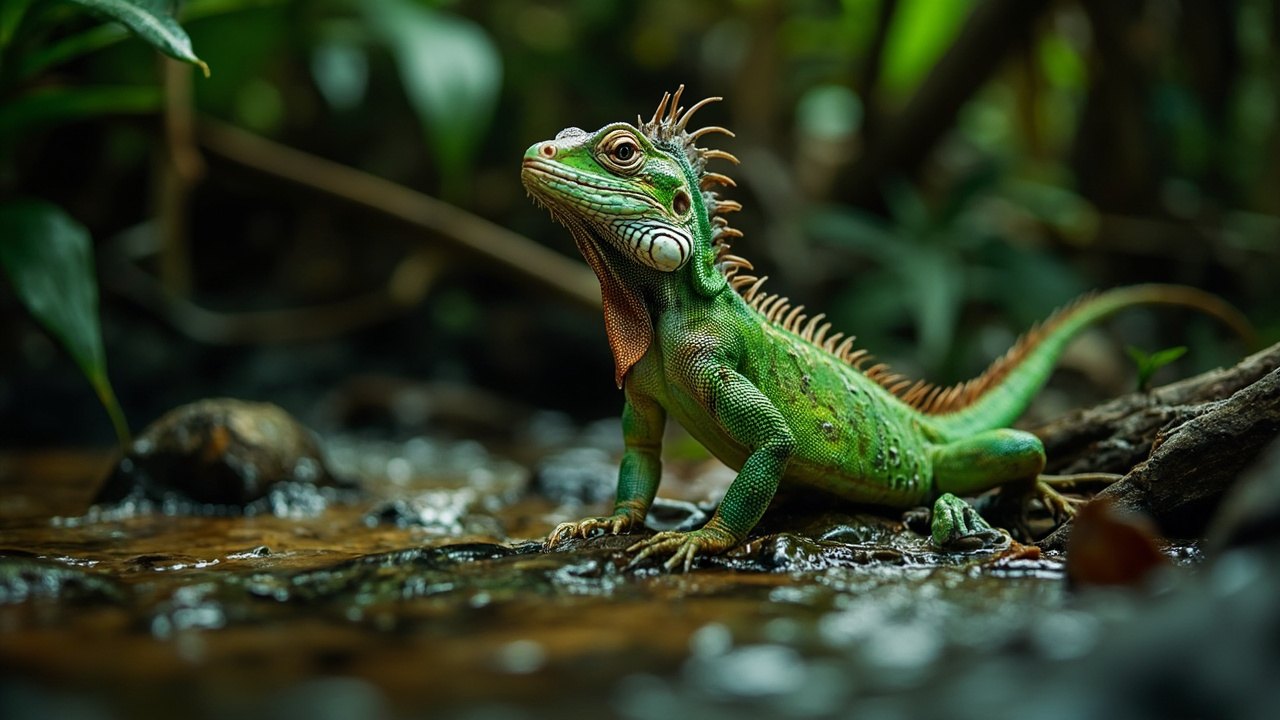
Chinese Water Dragon relaxing in its aquatic habitat

Chinese Water Dragons have a unique ability to absorb oxygen through their skin, which not only helps them survive but also provides significant ecological advantages during submersion. This adaptation allows them to thrive in their natural habitats and interact with their environment in distinct ways.

When submerged, Chinese Water Dragons enjoy several benefits, including:

  • Evasive maneuvers: Prolonged underwater stays make it easier for them to evade predators.
  • Temperature regulation: Water helps regulate their body temperature, providing relief from extreme heat.
  • Hydration maintenance: Absorbing water through their skin keeps them hydrated, especially in arid conditions.
  • Expanded foraging: They can hunt for aquatic prey, broadening their dietary options.
  • Safe breeding grounds: Submerged areas often serve as secure breeding sites.

In captivity, replicating these conditions is vital. A Zoo Med water dish allows these creatures to simulate their natural environment. Creating a habitat with ample water sources enables them to exercise their natural behaviors, ensuring their physical and psychological well-being. Observing a Chinese Water Dragon dive into its water dish, fully immerse itself, and emerge refreshed highlights their remarkable adaptability and resilience. By understanding and accommodating these submersion benefits, we can foster a richer, more fulfilling life for these intriguing reptiles.

Frequently Asked Questions

Can Water Dragons Breathe Underwater?

Water dragons can’t breathe underwater. As air-breathing reptiles, they need regular access to air. While they can hold their breath for a short time, staying submerged for too long can harm them. It’s crucial to provide a proper environment to keep them healthy.

How Do You Treat Mouth Rot in Chinese Water Dragons?

Treating mouth rot in Chinese Water Dragons requires gentle care and attention to detail. I carefully clean the mouth with a cotton swab, use antiseptic baths, and maintain impeccable water quality. In severe cases, it’s crucial to seek veterinary care to prevent further complications. See our guide to mouth rot treatment in reptiles for more detail.

What Do Chinese Water Dragons Need to Survive?

To keep my Chinese Water Dragon thriving, I make sure to provide a spacious 75–120 gallon enclosure for adults (a small aquarium is only suitable for hatchlings) with temperatures ranging from 75–95℉. I also maintain a humid environment of 70–85% humidity and offer UVB lighting to mimic their natural habitat. A varied diet of live insects keeps them nourished, and regular vet check-ups ensure they stay healthy. For a complete care guide, see our Chinese Water Dragon care sheet.

Do Chinese Water Dragons Need UVB Light?

Chinese Water Dragons need UVB light to stay healthy. Without it, they can develop metabolic bone disease. UVB light helps them synthesize vitamin D3, which is crucial for calcium absorption and bone health. I make sure my dragon gets daily UVB exposure to prevent this condition. Read more in our UVB lighting guide for reptiles.

Scroll to Top