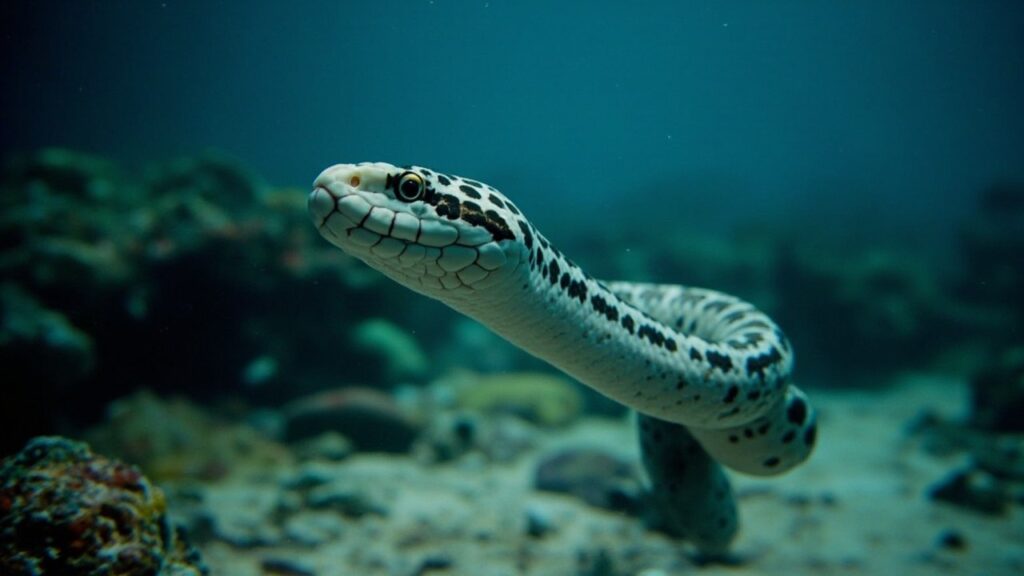
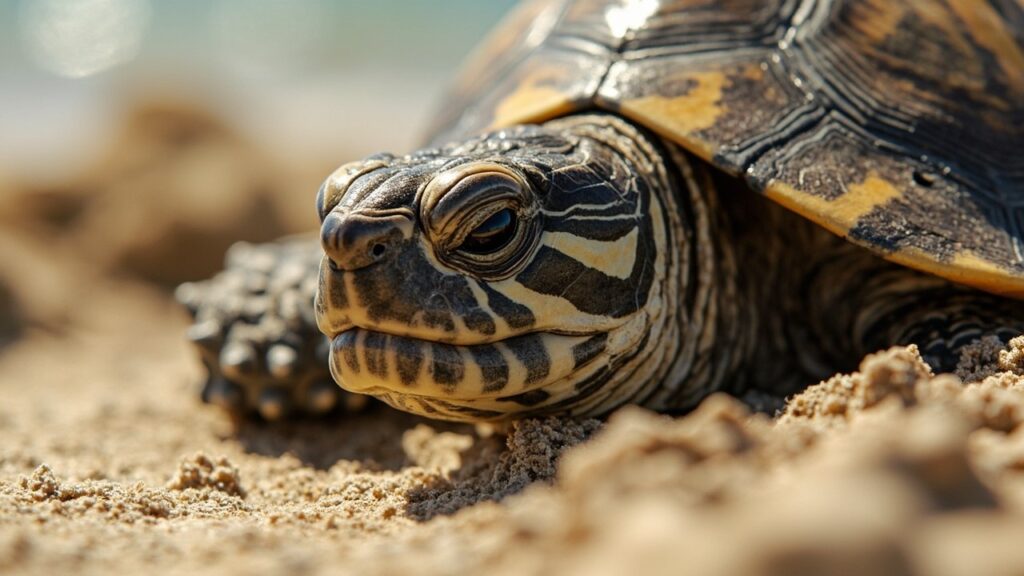
A crocodile of coasts, estuaries and freshwater
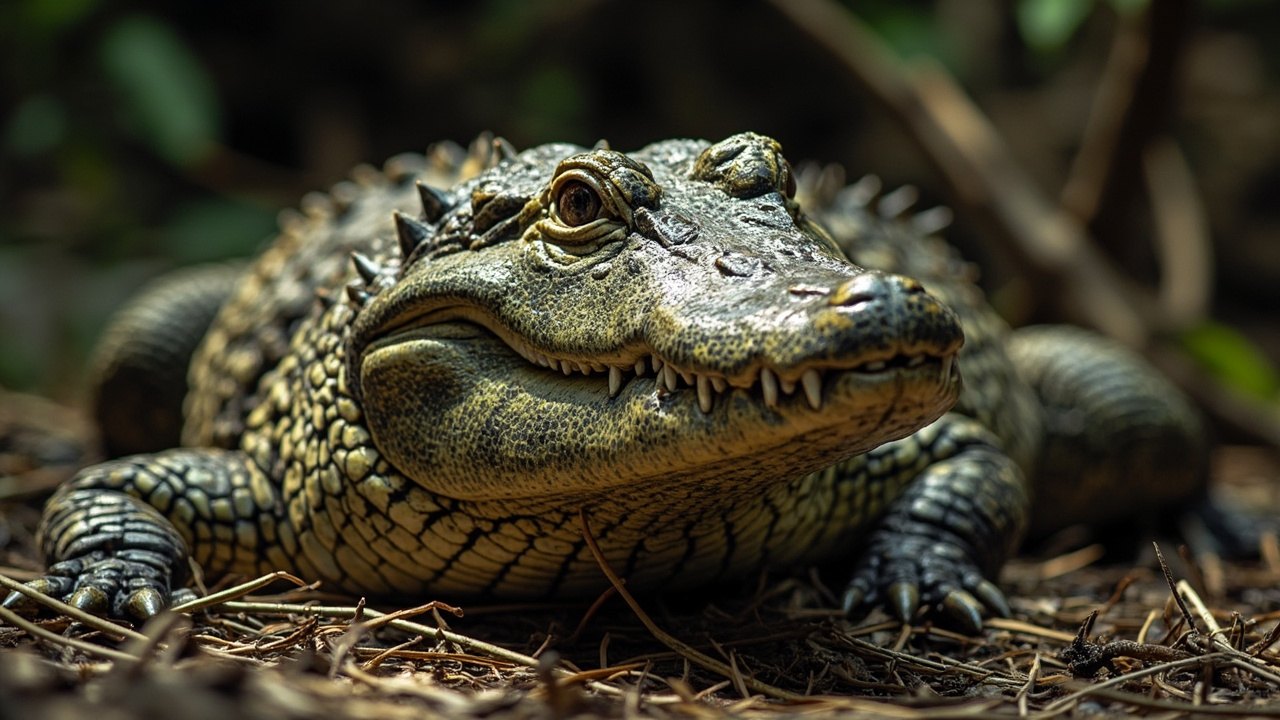
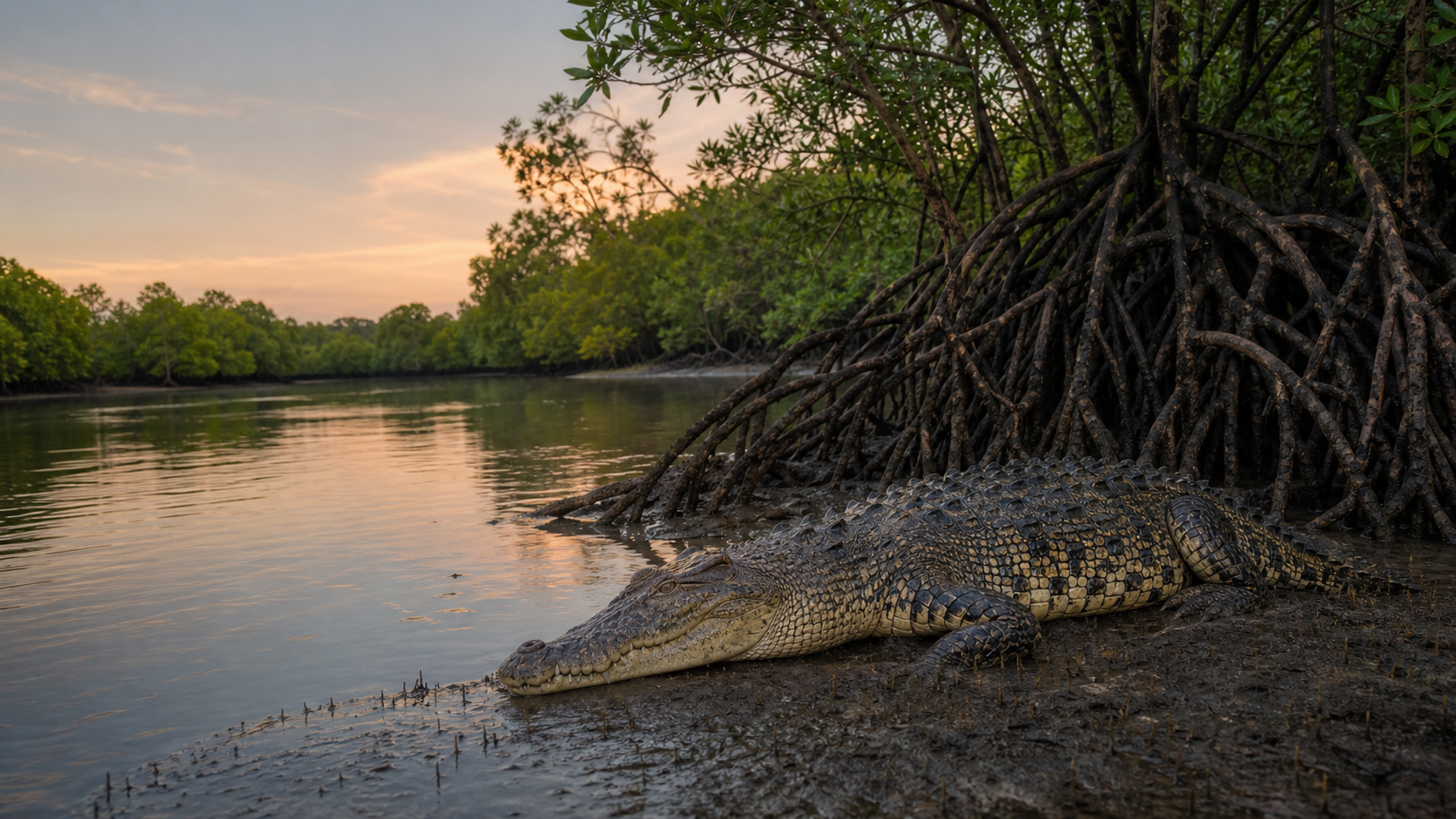
The estuarine crocodile, Crocodylus porosus, is often called the saltwater crocodile, but it uses freshwater rivers, floodplains and billabongs as well as estuaries, mangroves and coastal waters. It has a broad Indo-Pacific range and may travel between water systems, so habitat type alone is not a safety guarantee.

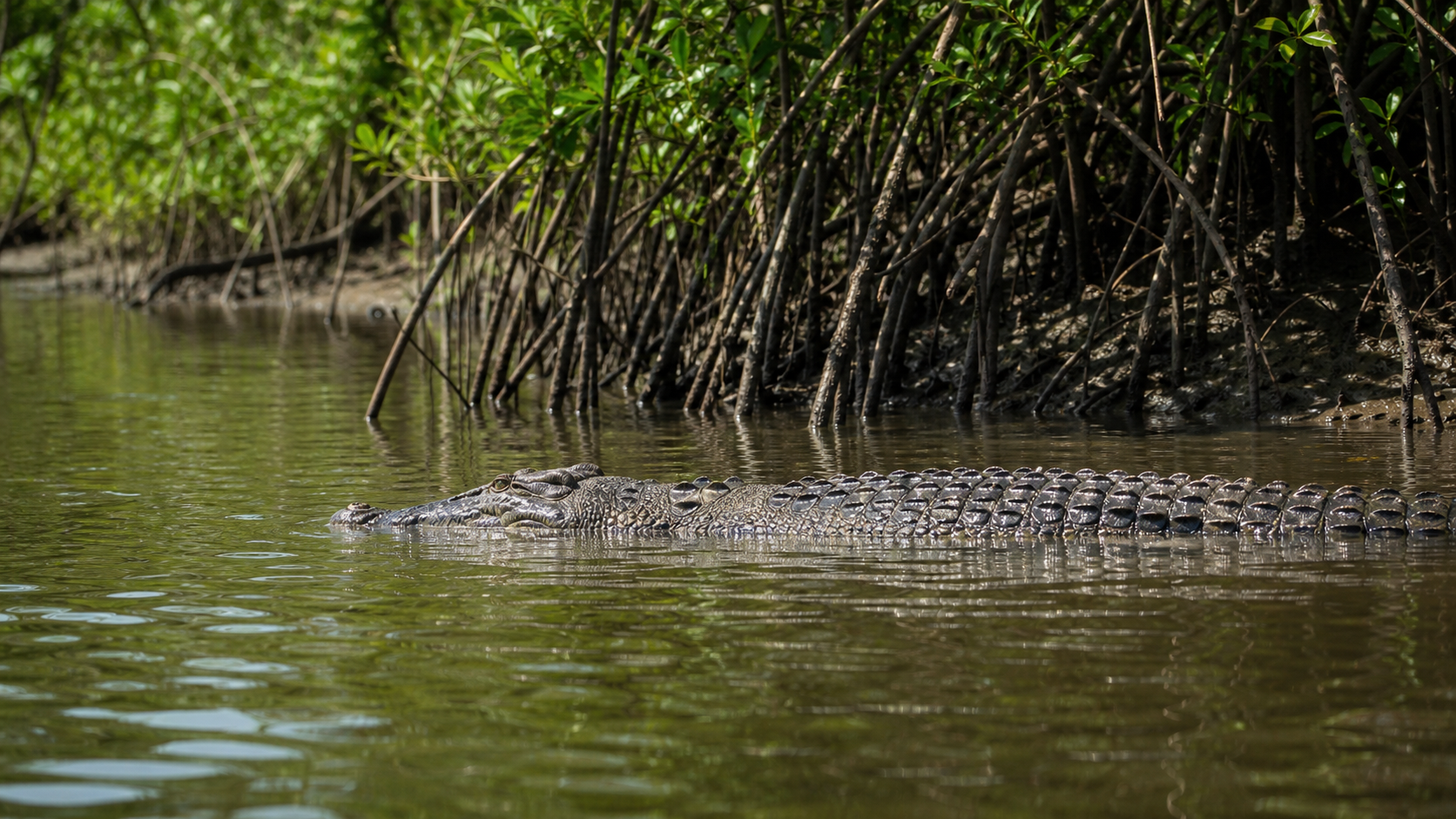
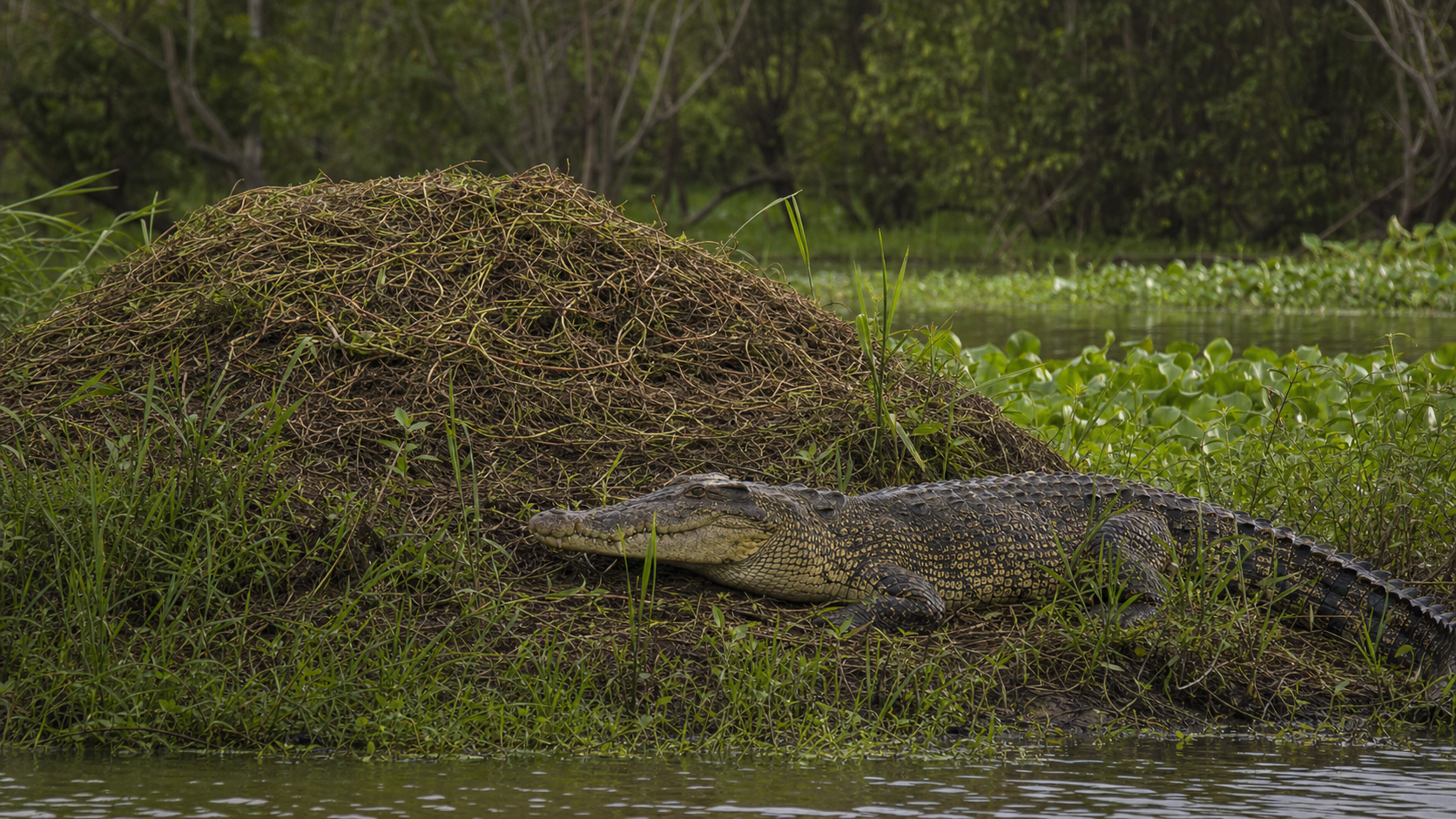
Mangroves are one part of a connected system
Mangroves provide shelter, nursery habitat and feeding opportunities for many animals, including crocodiles and their prey. Crocodiles are predators within these systems, but their effects vary with size, season, prey availability and local conditions. Avoid simplistic claims that one species “keeps everything in balance.”
Safety and coexistence come first
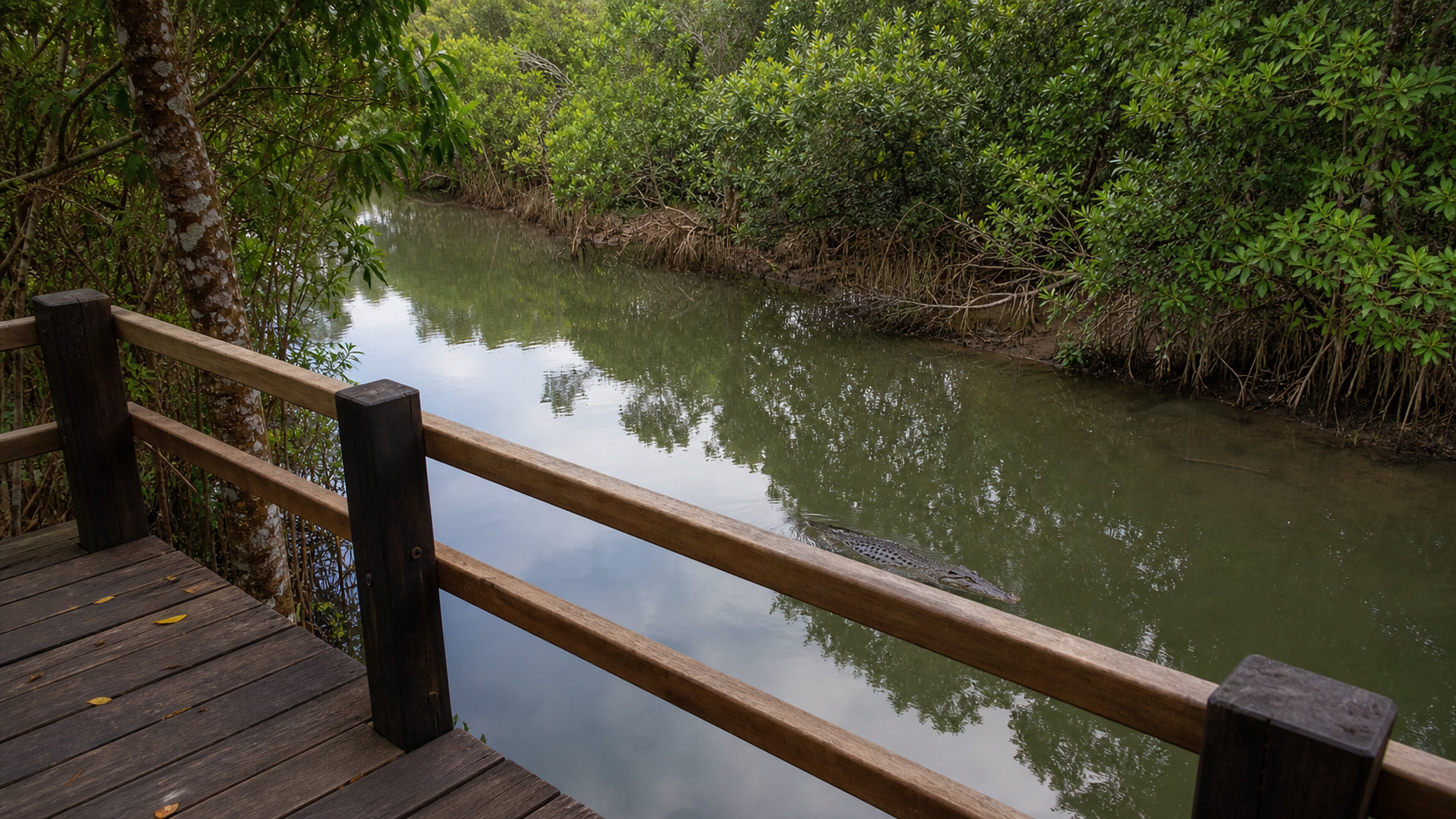
Never enter or stand close to water where estuarine crocodiles may occur. Follow local warnings, keep food and fish waste away from shorelines, and report dangerous wildlife situations to the responsible authority rather than trying to move an animal. Habitat protection and practical safety measures are both necessary for coexistence.
Movement Links Several Water Types
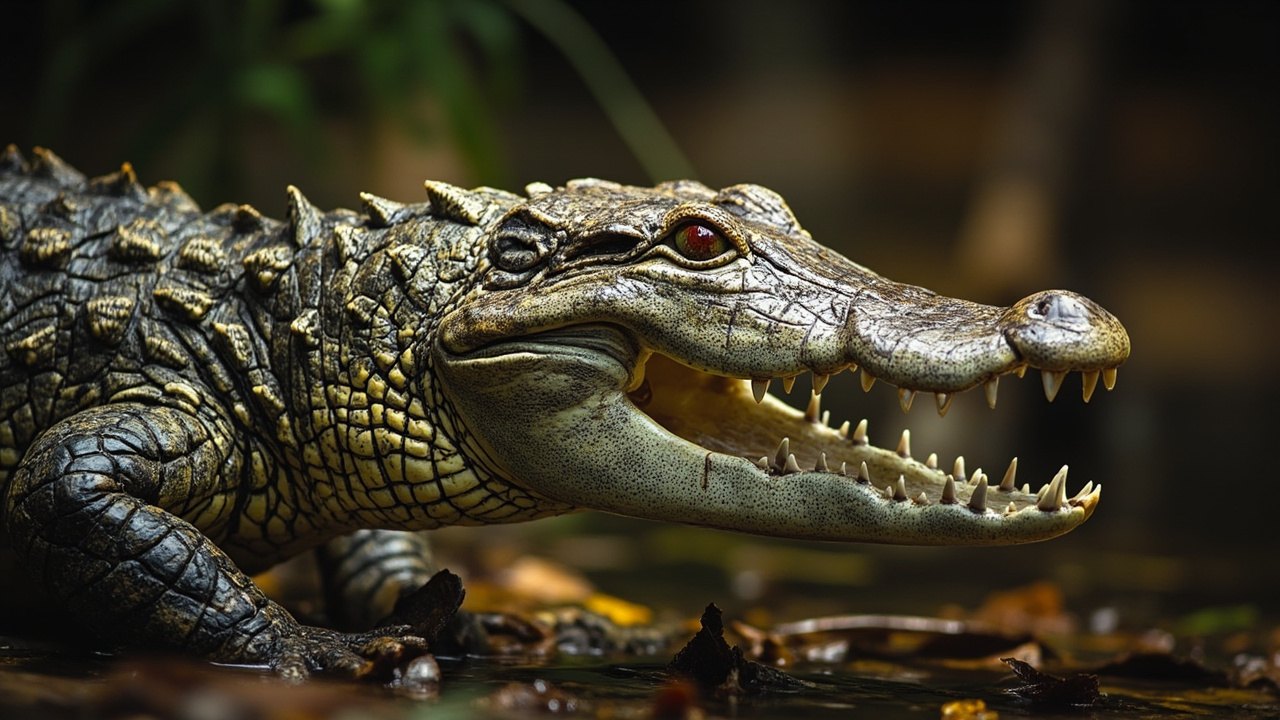
The estuarine crocodile, Crocodylus porosus, can use mangrove channels, estuaries, tidal rivers, floodplains and freshwater systems. Salinity alone does not predict whether crocodiles are present or whether a place is safe for people. Tides, river flow, season, prey and access to shelter can influence where an animal is encountered. A crocodile seen in one channel should not be used to make broad claims about every nearby shore.
Nesting Areas Need Space From People
Nesting and rearing sites are seasonal and can be sensitive to disturbance. Approaching a bank, dense vegetation or a suspected nest for a photograph can increase risk for people and crocodiles. Keep boats, pets, food waste and fishing scraps away from the water’s edge where local guidance requires it. Never attempt to feed, trap or move a crocodile. Those actions can change behaviour and create a serious public-safety problem.
Local Safety Information Is the Right Source
Warnings, closures, signs and advice from wildlife authorities reflect local conditions that a general article cannot assess from a distance. Public safety relies on giving water edges space and reporting dangerous situations promptly. Habitat protection relies on retaining connected mangroves, freshwater areas and suitable nesting ground. Both goals are stronger when observations identify the species, location type, season and behaviour without encouraging a close encounter.
Sources and review notes
Reviewed 23 August 2026. Reptile biology is wonderfully variable. We have avoided turning one species, photograph or dramatic observation into a rule for an entire group, and we have used cautious wording where evidence or local conditions differ.
Reference starting points: The Reptile Database, The IUCN Red List of Threatened Species, and PubMed-indexed research. Conservation status, taxonomy and local laws can change, so check the linked databases and the relevant local authority for current information.
Spotted something we should revisit? Send Reptile Explorer a correction—thoughtful reader feedback is always welcome.