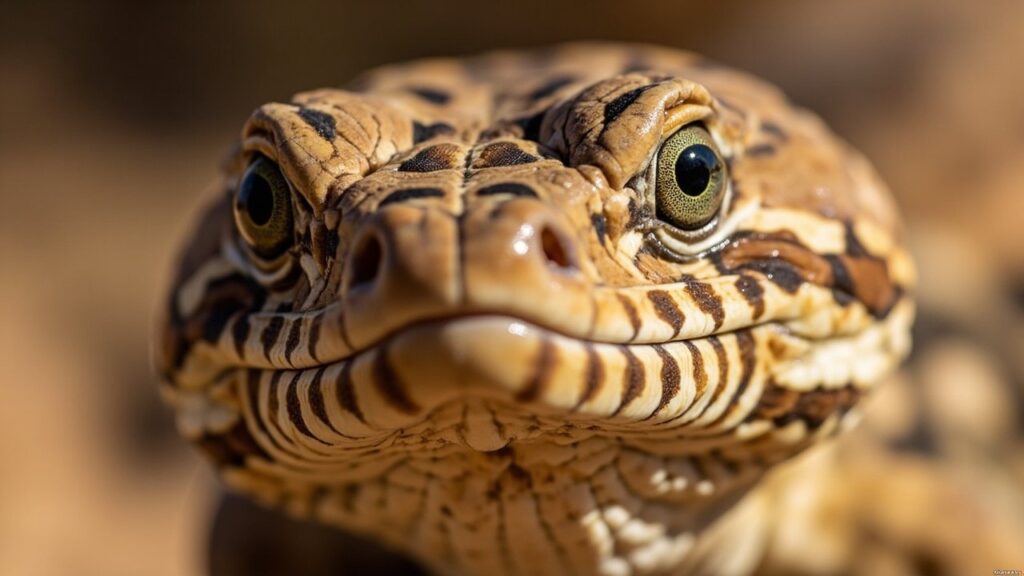
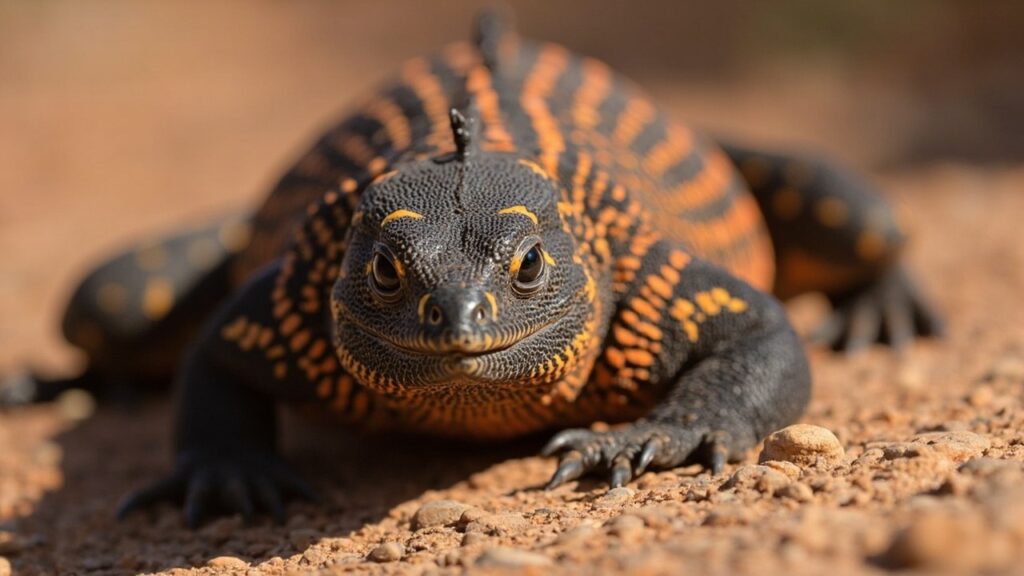
A specialist of arid country
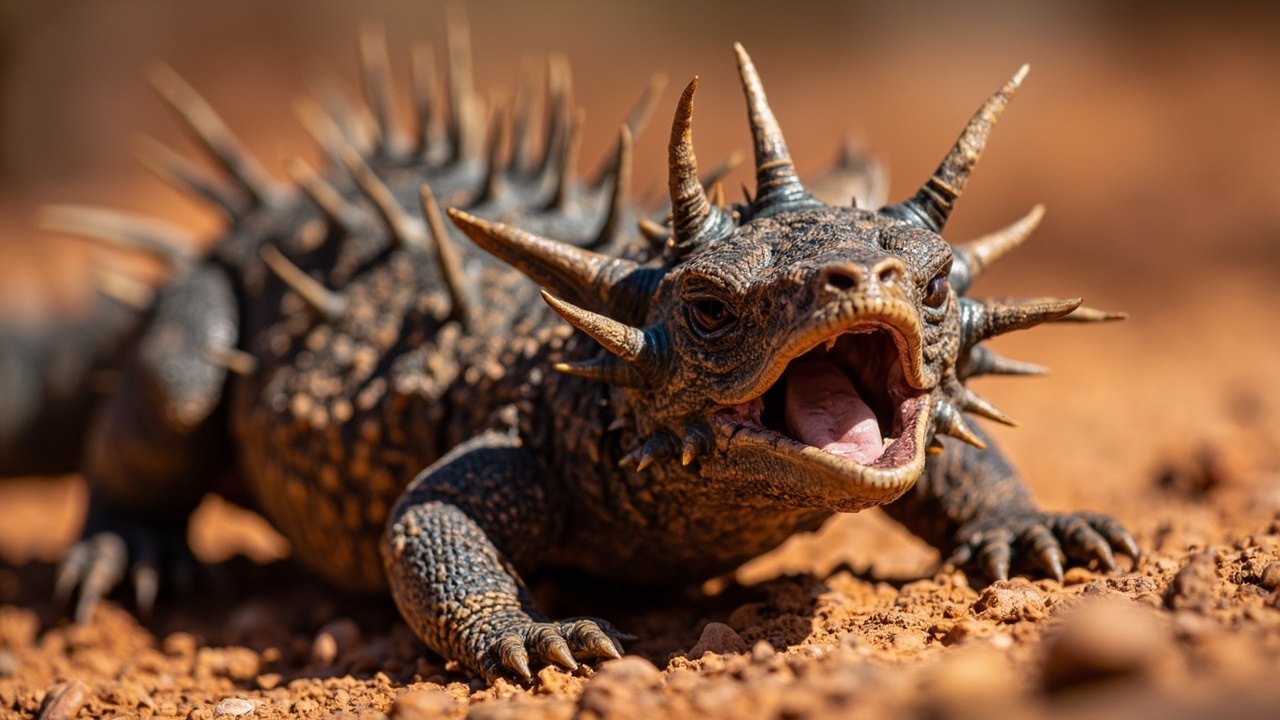
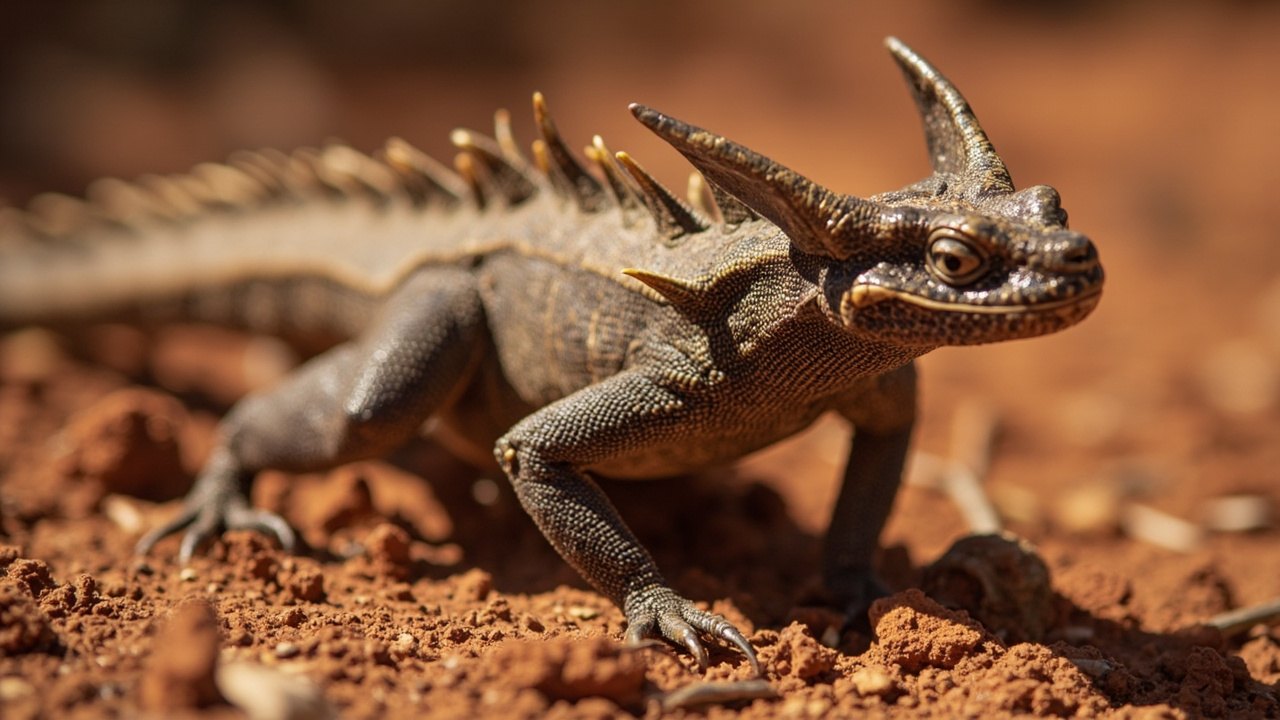
The thorny devil, Moloch horridus, lives in arid and semi-arid parts of central and western Australia, including sandy country, spinifex grasslands and scrub. Its camouflage and stillness help it avoid detection, while its spines make it a difficult target for some predators.

An ant-focused diet and unusual water channels
Thorny devils specialise on ants, collecting individual prey with a sticky tongue. Fine channels between the scales can move water from dew, rain or damp surfaces toward the mouth by capillary action. That adaptation does not make the lizard independent of its habitat; ant availability, shelter and weather still govern its survival.
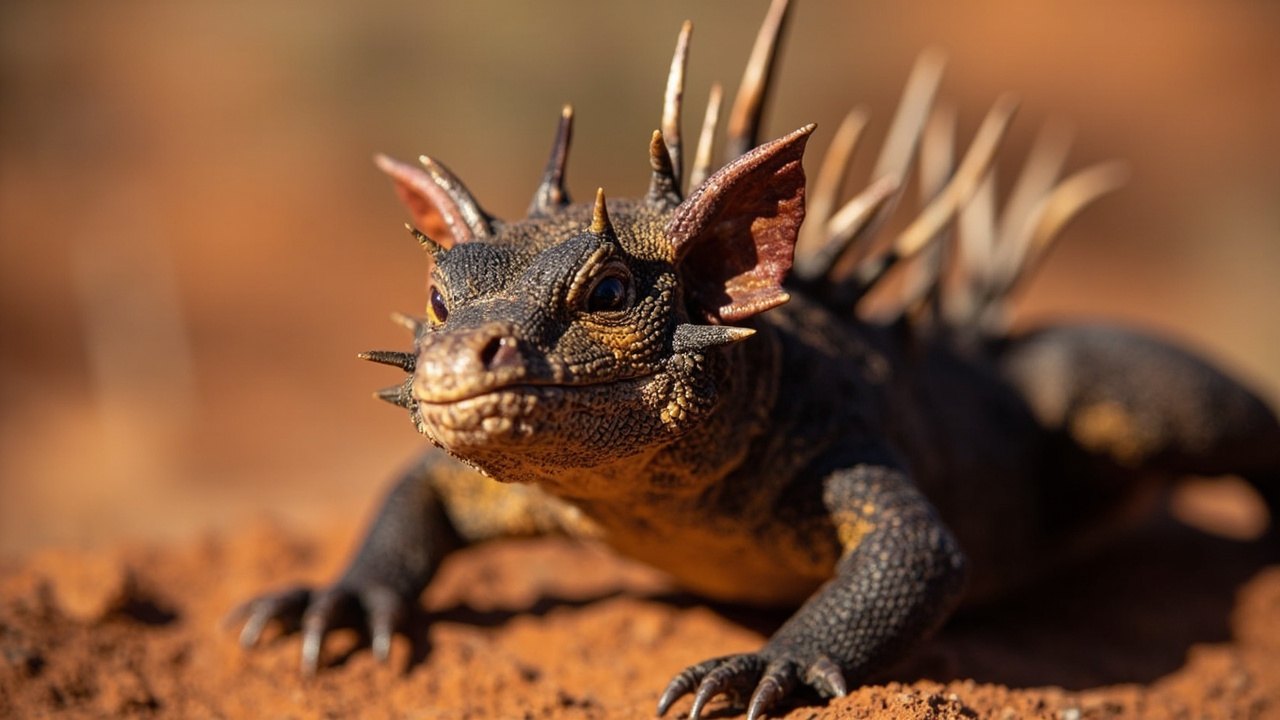
Observe without disturbing desert wildlife
Thorny devils are best appreciated at a distance. Handling can stress a reptile and disrupt its attempts to feed, warm up or avoid predators. Conservation depends on retaining connected native habitat, reducing unnecessary vehicle impacts and using local survey information rather than assuming all arid land supports the same wildlife.
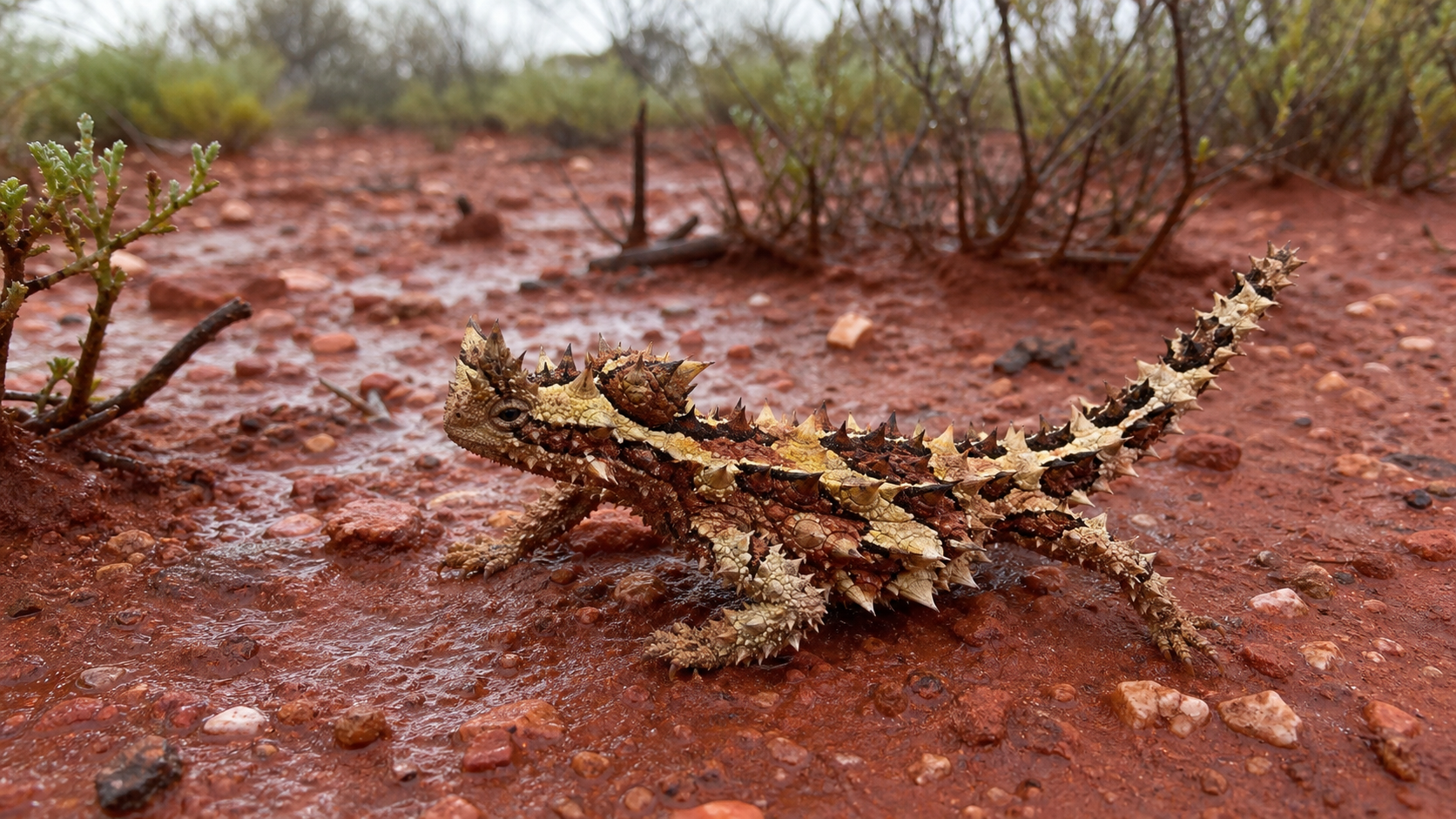
Ants Are the Central Food Source
The thorny devil, Moloch horridus, is specialised for eating ants. It may wait beside an ant trail and capture individual ants with its sticky tongue, so the quality and availability of local ant communities matter to its survival. Its dramatic spines do not make the lizard independent of habitat. Native vegetation, suitable ground conditions, shelter, weather and prey all remain part of the species’ daily requirements.
Water Reaches the Mouth Through Surface Channels
Thorny devils do not drink from their feet. When water contacts wet sand, a puddle or the animal’s body surface, narrow grooves between scales can carry moisture toward the mouth by capillary action. This is a useful adaptation in dry environments, but it is not a source of unlimited water. The lizard still depends on the timing of moisture, local conditions and access to appropriate habitat.
An Unusual Reptile Still Needs Undisturbed Ground
Thorny devils can be hard to see among sandy soils and low vegetation, and handling may interrupt feeding, warming or predator avoidance. Visitors should remain on approved tracks, drive carefully in reptile habitat, and observe from a respectful distance. A record that names Moloch horridus, the habitat, weather and broad location is more useful than a close-up obtained by moving the animal.
Sources and review notes
Reviewed 23 August 2026. Reptile biology is wonderfully variable. We have avoided turning one species, photograph or dramatic observation into a rule for an entire group, and we have used cautious wording where evidence or local conditions differ.
Reference starting points: The Reptile Database, The IUCN Red List of Threatened Species, and PubMed-indexed research. Conservation status, taxonomy and local laws can change, so check the linked databases and the relevant local authority for current information.
Spotted something we should revisit? Send Reptile Explorer a correction—thoughtful reader feedback is always welcome.