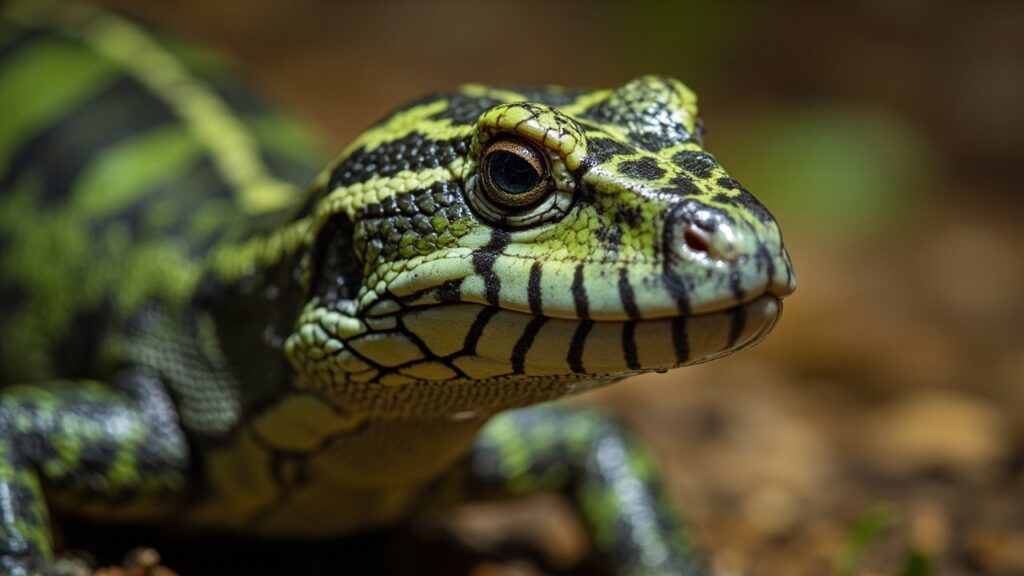
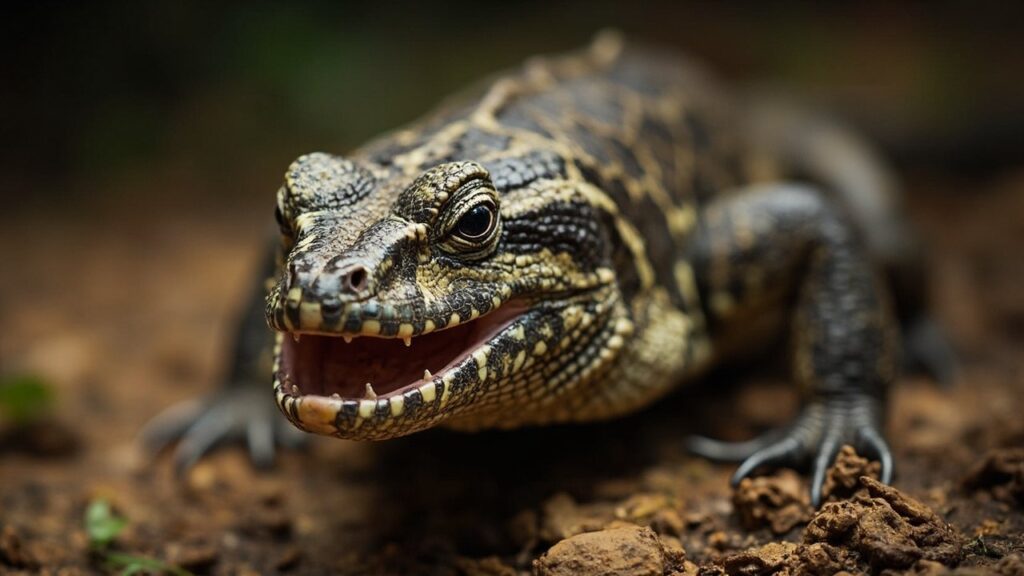
A Bayou Is a Connected Wetland
Louisiana bayous link slow-moving water, swamps, marshes, floodplain forest, and nearby upland ground. Seasonal water levels, submerged vegetation, fallen wood, and shaded banks create the places that reptiles use for feeding, resting, nesting, and moving between habitats.

Native Reptiles at the Water’s Edge
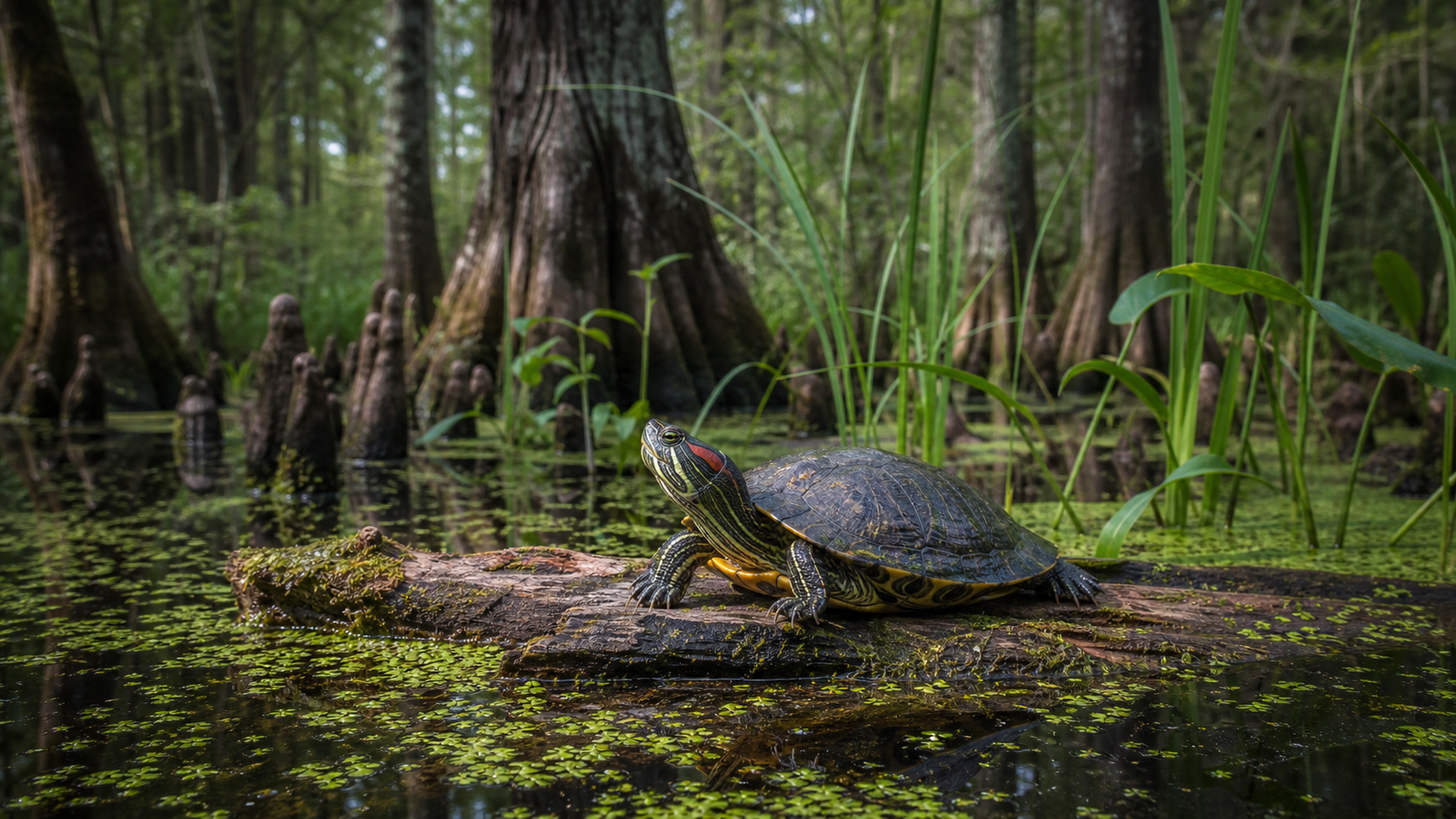
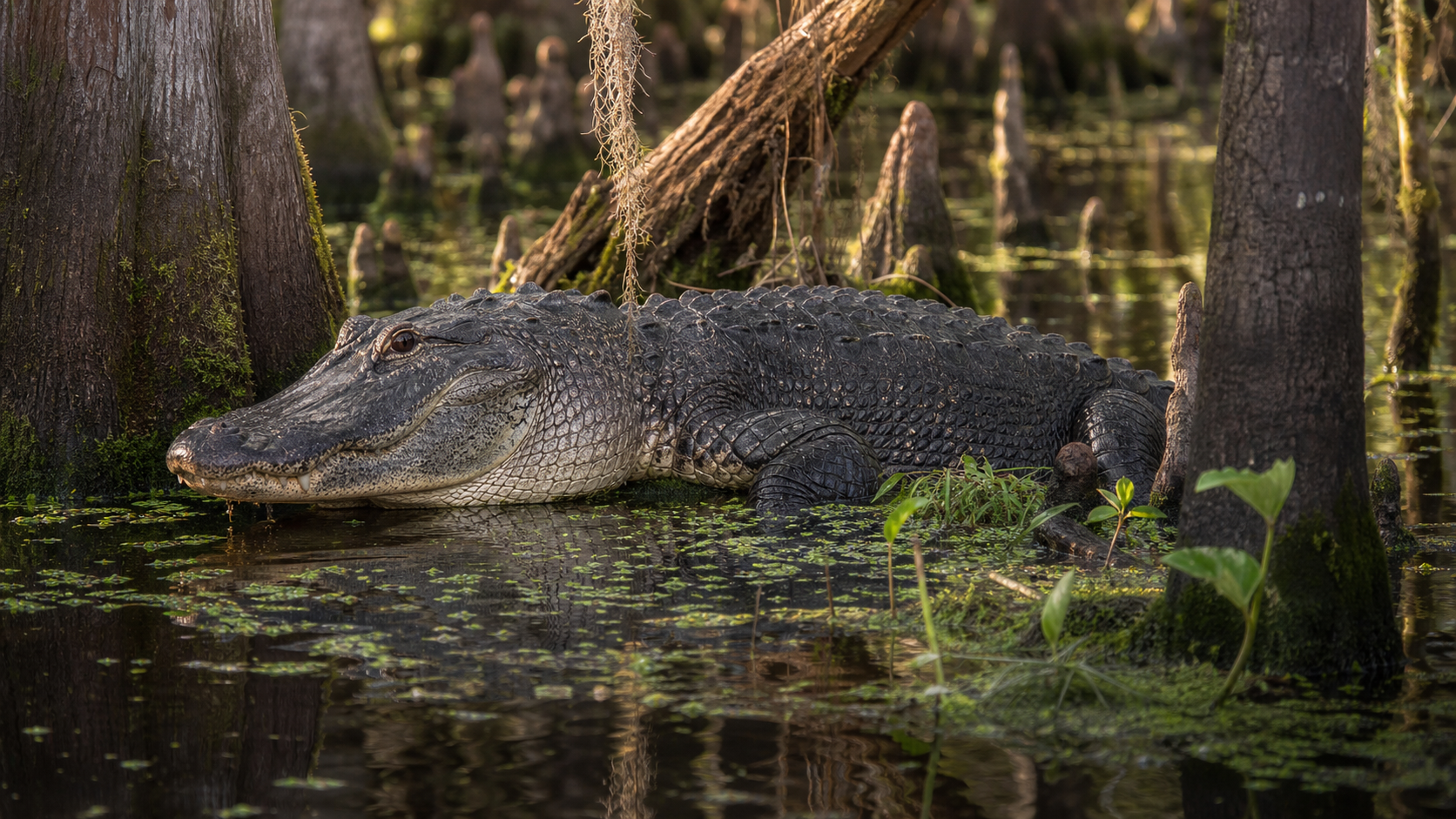
American alligators, turtles, water snakes, and northern cottonmouths are among the native reptiles associated with Louisiana wetlands. Cottonmouths are venomous and should be given space, but they are generally defensive rather than animals that seek confrontation. Species lists should be based on the particular bayou and parish.
Living Alongside Wetland Wildlife
Wetland loss, water quality, traffic, and unregulated collection can affect bayou reptiles. Responsible observation means keeping a distance, not feeding wildlife, and following Louisiana rules for reporting, possession, and harvest. Claims about established invasive populations should be supported by current state or federal records.
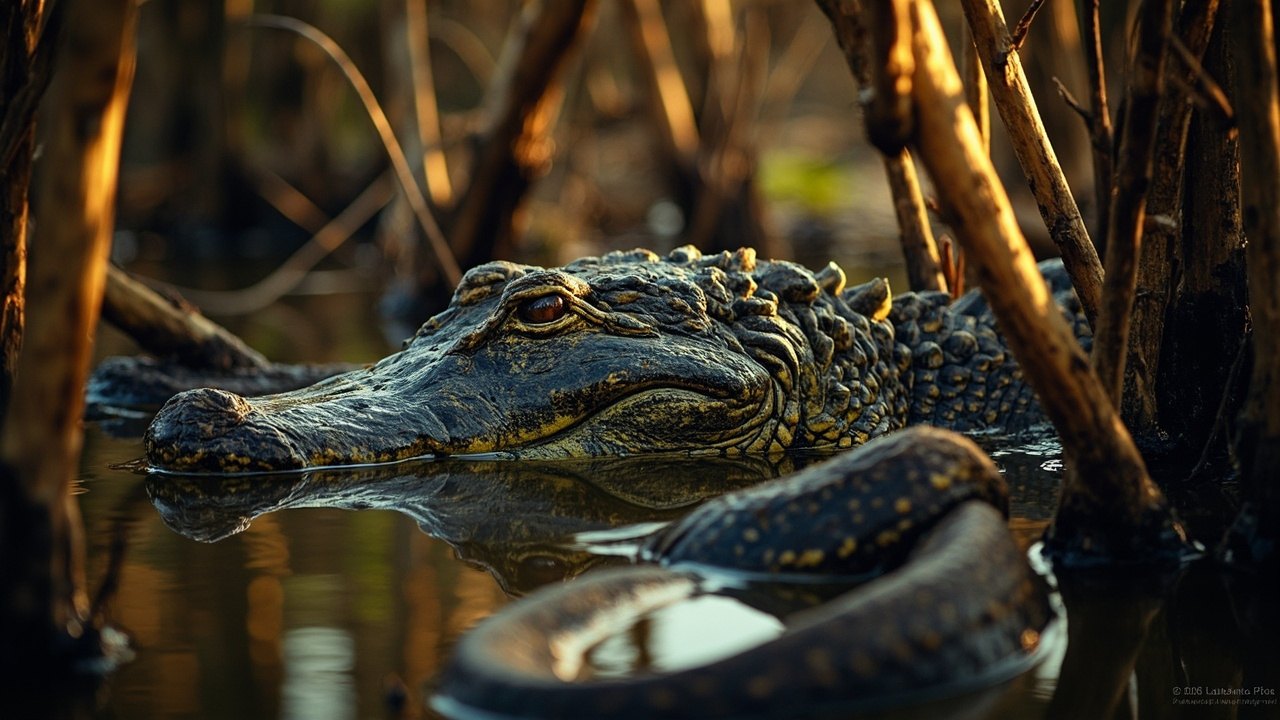
Water levels connect land and water habitat
A bayou changes with rainfall, seasonal flooding, vegetation growth, and the movement of water through nearby wetlands. Turtles may use shallow margins and sunlit logs, while snakes can hunt or travel along the same water’s edge. Higher ground is also needed for nesting, shelter, and movement during floods. When shorelines are filled, hardened, or cut off by roads, the loss affects more than the visible channel.
Species identification matters in Louisiana. Some water snakes are harmless, whereas northern cottonmouths are venomous. Body shape, head posture, and a glimpse from a boat are not reliable reasons to approach an unfamiliar snake. American alligators should also be viewed from a distance, especially near water or nests. Feeding any wild reptile can change its behaviour and increase risky encounters with people.
Prevent avoidable introductions
Pet reptiles and aquarium animals should never be released into a bayou, ditch, pond, or drainage canal. A release may introduce disease, establish a non-native population, or place the animal in conditions it cannot survive. Responsible visitors can help by cleaning mud and plant material from boots, boats, and fishing gear before moving between wetlands, following local fishing and wildlife rules, and reporting unusual animals through verified state or local channels. These small steps protect native wetland communities without making claims that every unfamiliar animal is an established invader.
Sources and review notes
Reviewed 23 August 2026. Reptile biology is wonderfully variable. We have avoided turning one species, photograph or dramatic observation into a rule for an entire group, and we have used cautious wording where evidence or local conditions differ.
Reference starting points: The Reptile Database, The IUCN Red List of Threatened Species, and PubMed-indexed research. Conservation status, taxonomy and local laws can change, so check the linked databases and the relevant local authority for current information.
Spotted something we should revisit? Send Reptile Explorer a correction—thoughtful reader feedback is always welcome.