A Mosaic of Fresh and Coastal Water
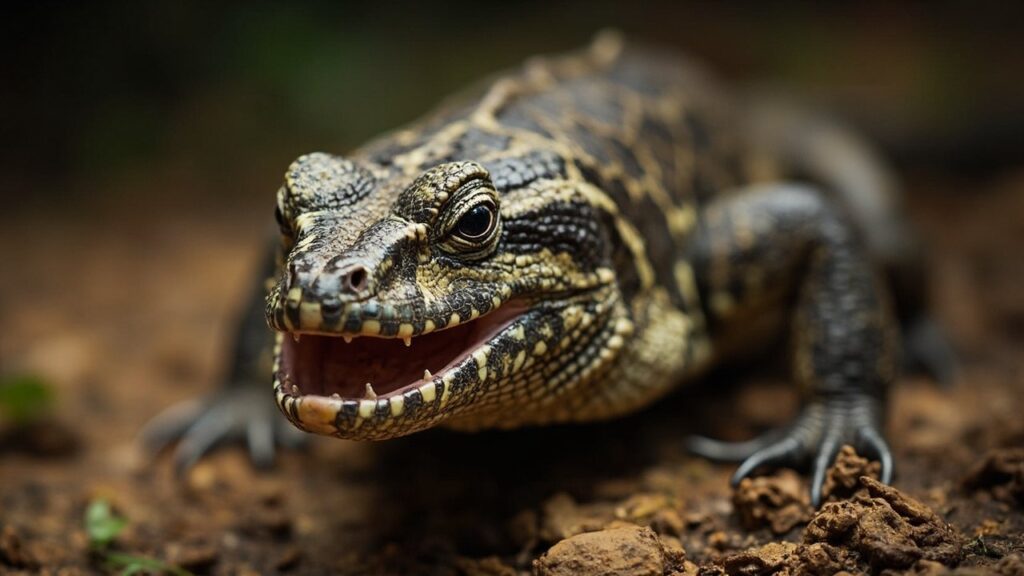
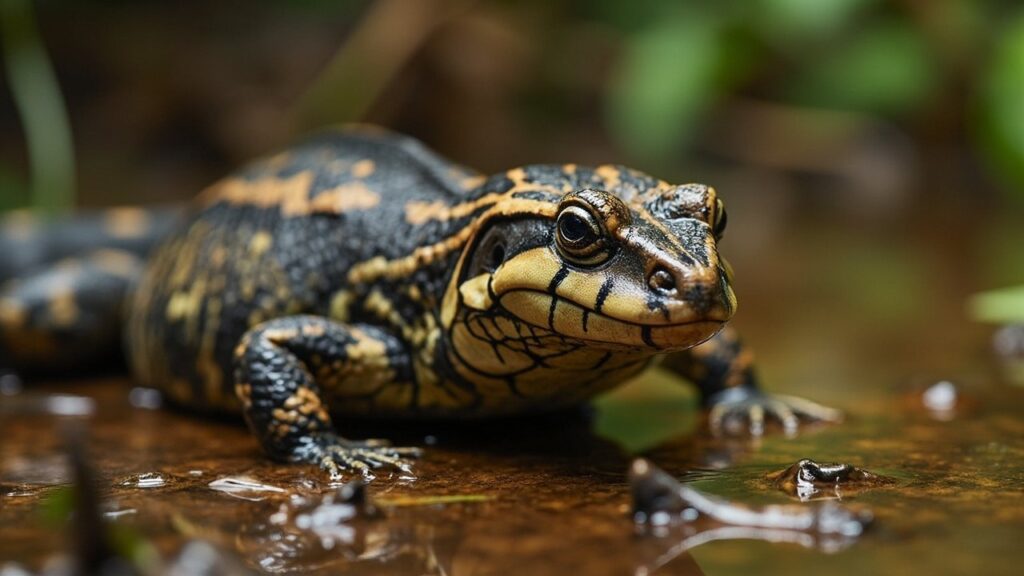
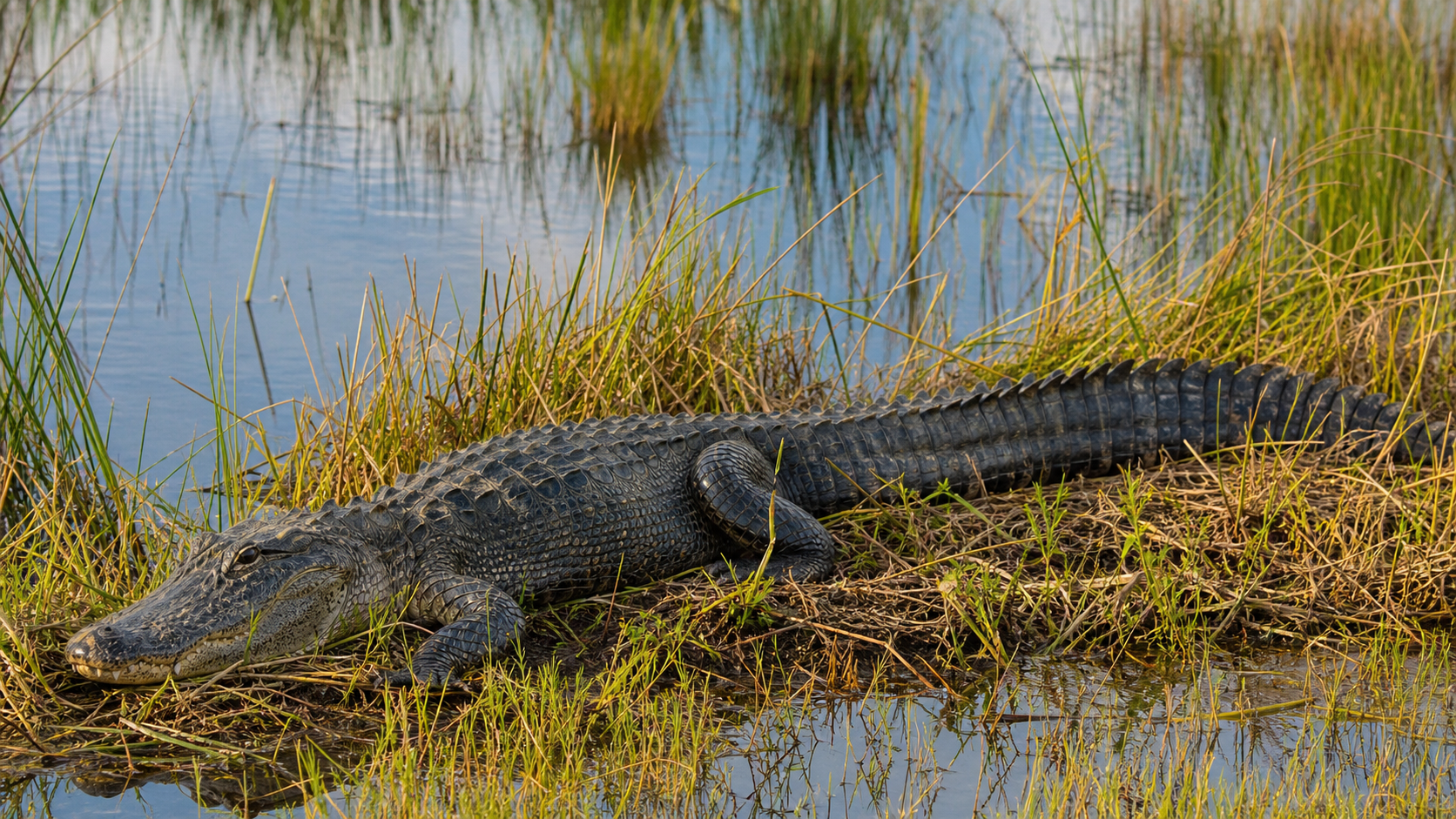
The Everglades contains freshwater marshes, wet prairies, sloughs, mangrove shorelines and brackish coastal waters. That variety supports many reptiles, including American alligators, American crocodiles, turtles, snakes and lizards. Alligators are most closely associated with freshwater, while American crocodiles use coastal, brackish and saltwater habitats in south Florida. Reptiles move among the places that provide suitable food, cover, nesting ground and temperatures.

Native Species and Introduced Pressures
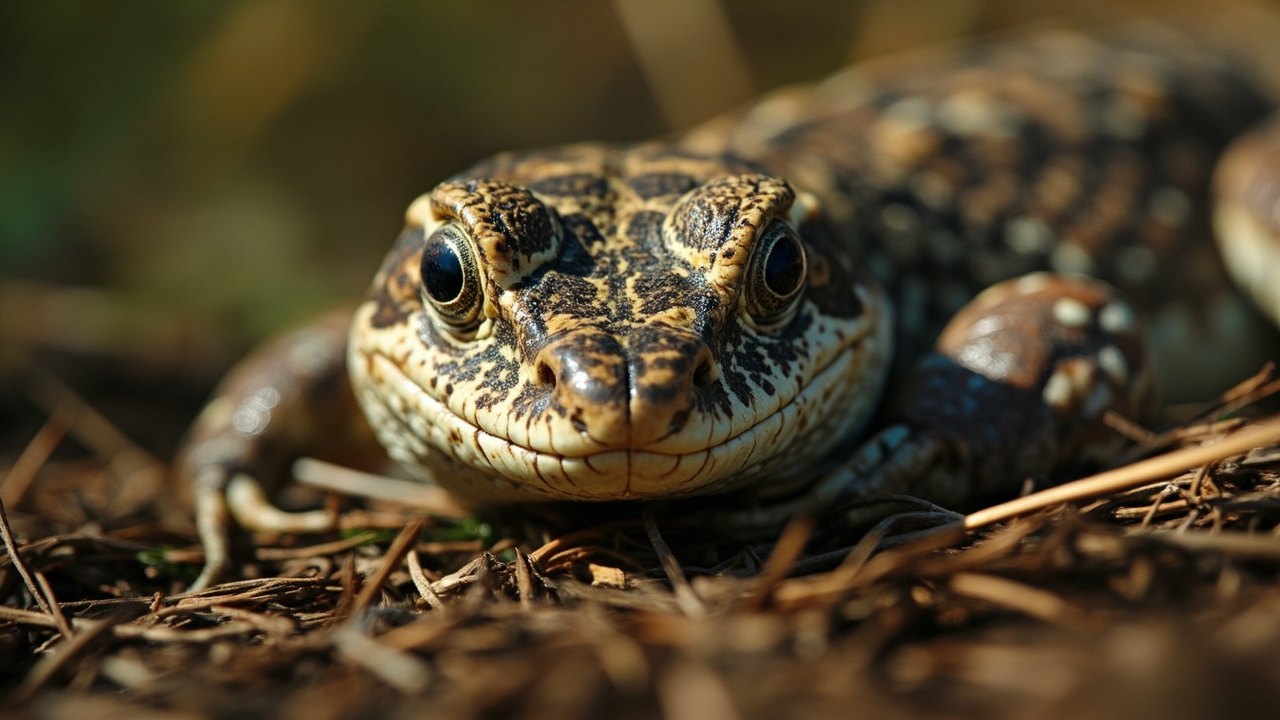
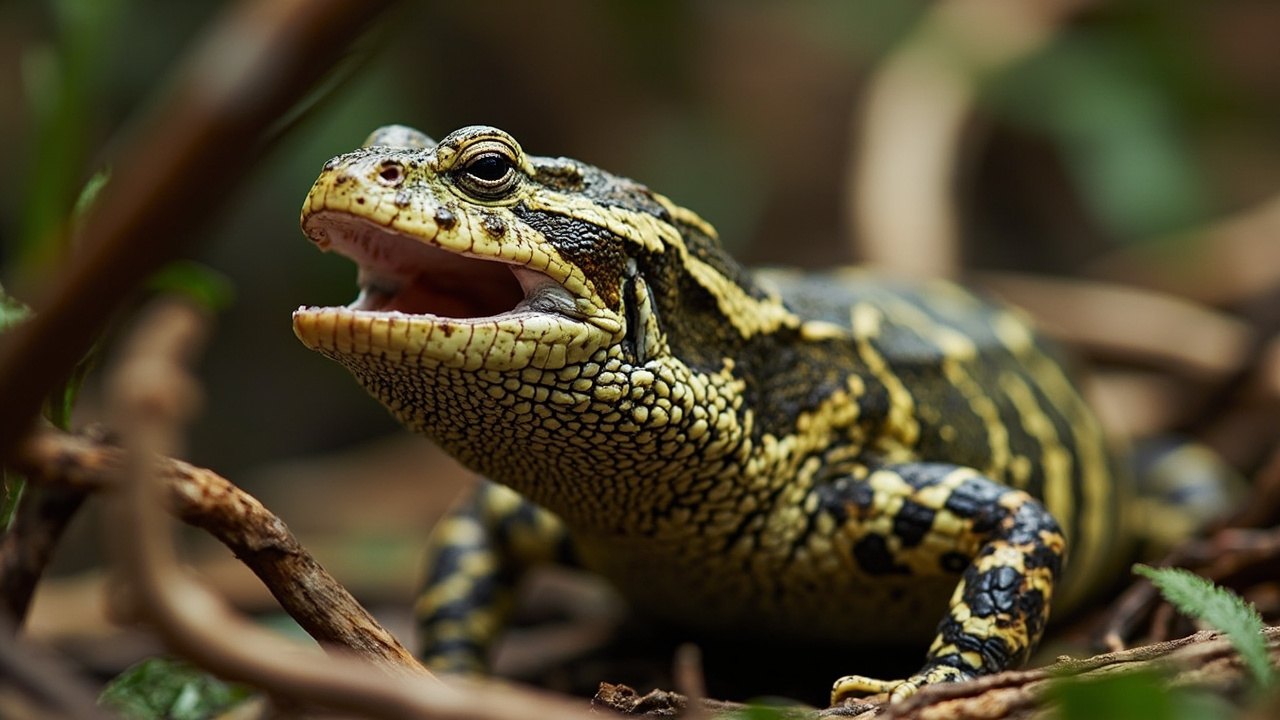
Reptiles are part of the Everglades food web as predators, prey and scavengers. The system also faces pressure from introduced animals. Burmese pythons are established across much of the Greater Everglades and have had serious effects on native wildlife. Other nonnative reptiles can create problems as well, which is why releasing unwanted pets is harmful even when an animal seems capable of surviving outdoors.
Water Restoration Supports Wildlife
Canals, levees and development altered the timing and movement of water through south Florida. Restoration programmes aim to improve more natural water flow while protecting communities and water supplies. Reptile conservation depends on that larger work, along with habitat protection, water-quality management and invasive-species control. Visitors can help by following park rules, keeping a respectful distance from wildlife and never releasing a pet into the environment.
Seasonal Water Patterns Create Moving Habitat
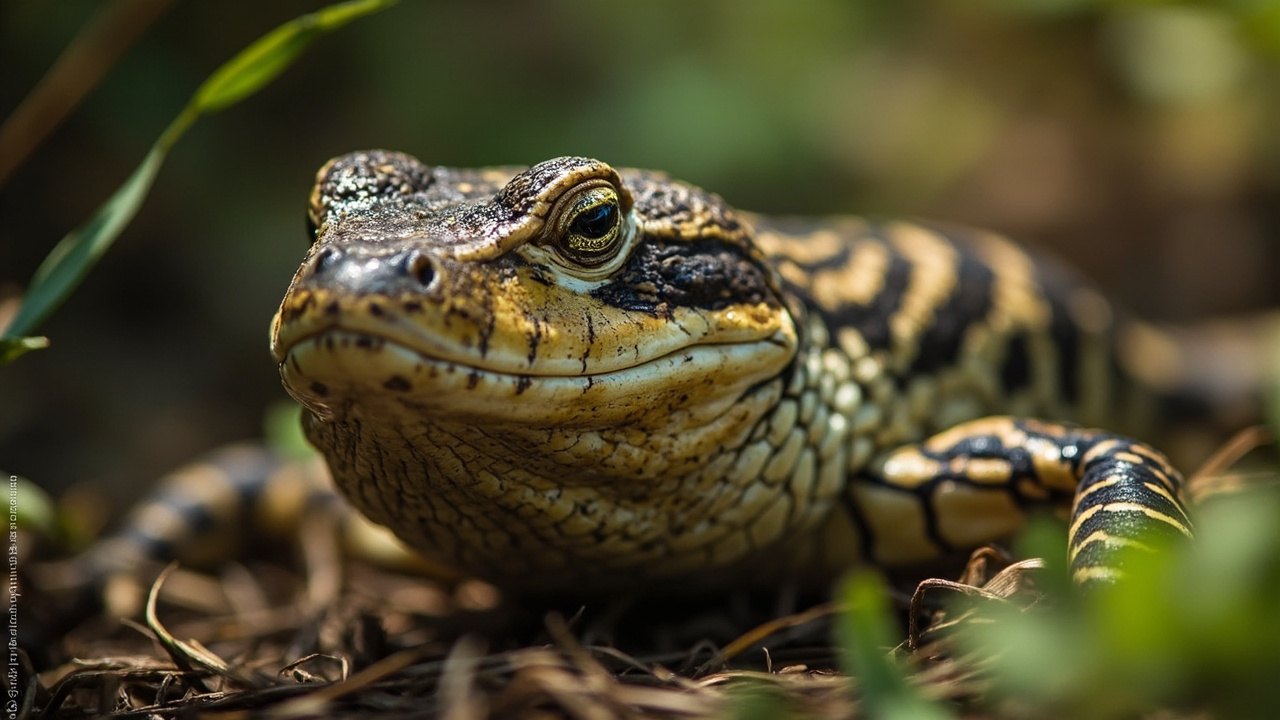
Water depth and timing influence where reptiles can bask, feed, nest and shelter. A marsh that is suitable during one part of the year can be difficult to use when water levels, salinity or vegetation change. This is why a map of the Everglades is only a starting point for understanding reptile habitat. Conditions at a particular site and season matter.
Connected Refuges Support Native Wildlife
Tree islands, wetland edges, canals, higher ground and coastal cover can all serve different functions. Roads, hard barriers and fragmented vegetation can interrupt movement between them. Habitat management is more useful when it retains a range of connected places rather than preserving one attractive viewpoint in isolation.
Introduced Animals Need Responsible Reporting
Releasing a pet adds pressure to an already complex system. If an unfamiliar reptile is seen in a place where it may be introduced, a photograph from a safe distance and a report to the relevant agency can be more useful than trying to catch it. Wildlife rules exist to protect both native species and the person making the report.
Sources and review notes
Reviewed 23 August 2026. Reptile biology is wonderfully variable. We have avoided turning one species, photograph or dramatic observation into a rule for an entire group, and we have used cautious wording where evidence or local conditions differ.
Reference starting points: The Reptile Database, The IUCN Red List of Threatened Species, and PubMed-indexed research. Conservation status, taxonomy and local laws can change, so check the linked databases and the relevant local authority for current information.
Spotted something we should revisit? Send Reptile Explorer a correction—thoughtful reader feedback is always welcome.