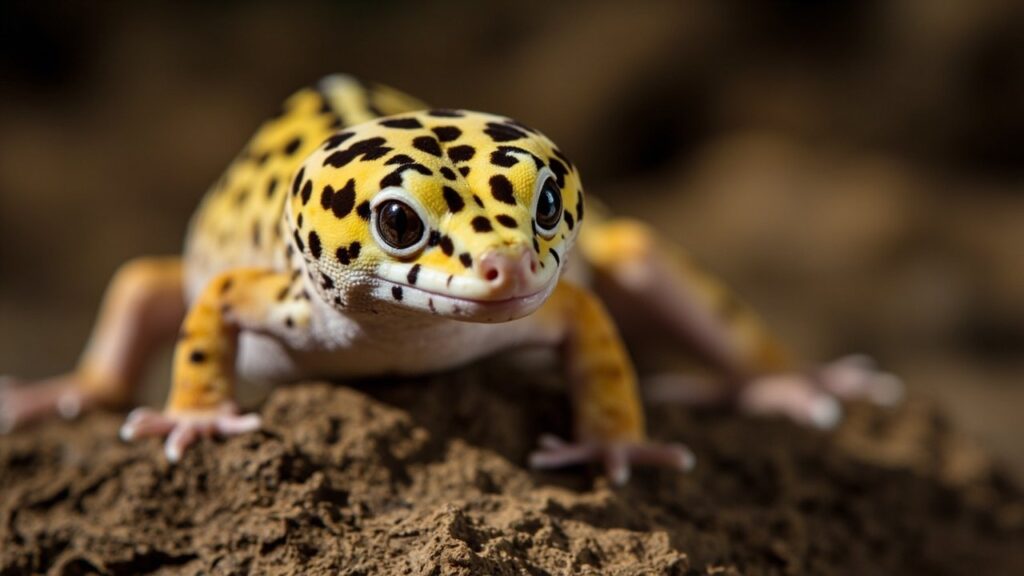
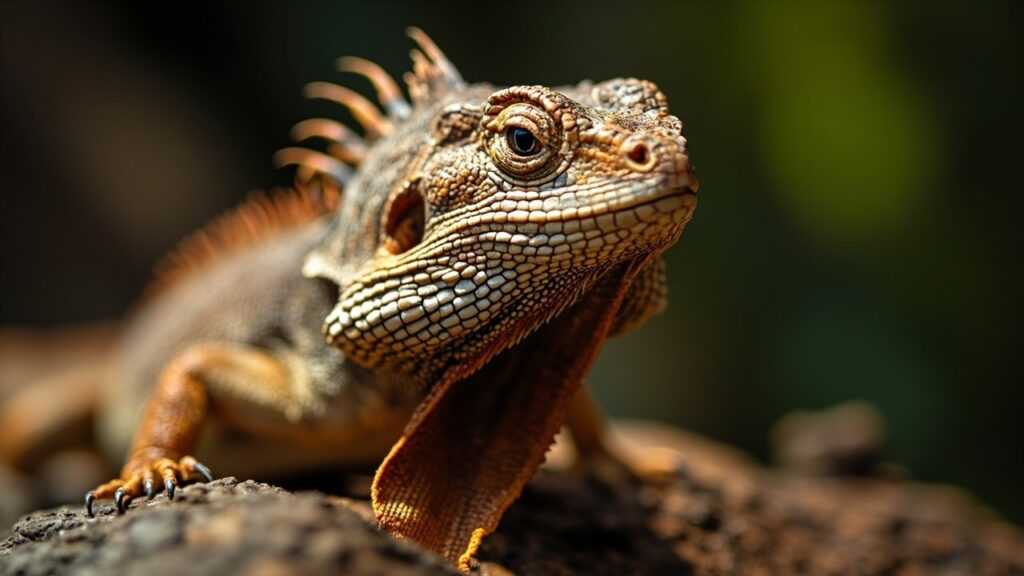
Anoles: The Colourful Jewels of the Caribbean
I’m fascinated by the anoles, those vibrant, agile lizards that inhabit the Caribbean. With their slender bodies, vibrant dewlaps, and adhesive toe pads, they’re masters of climbing and perching. From tree trunks to urban landscapes, anoles thrive in various microhabitats. Their remarkable ability to change colours serves as camouflage and a means of communication. As skilled hunters, they help regulate insect populations. Anoles play a vital role in ecosystem dynamics, serving as both predators and prey. Their adaptability and diverse behaviour make them intriguing creatures that continue to capture our interest.
Key Takeaways
Anoles, those colourful Caribbean jewels, exhibit vibrant colouration and dynamic colour-changing abilities that help them blend in and communicate with each other. Native to the Caribbean, these lizards have adapted to various microhabitats, from tree trunks to urban settings. Their distinctive dewlap, used for communication and mating displays, adds to their visual appeal. As ecological heroes, anoles play a crucial role in controlling insect populations and maintaining biodiversity. Their remarkable adaptive radiation, particularly in Cuba, highlights their evolutionary significance and diversity.
Habitat and Distribution
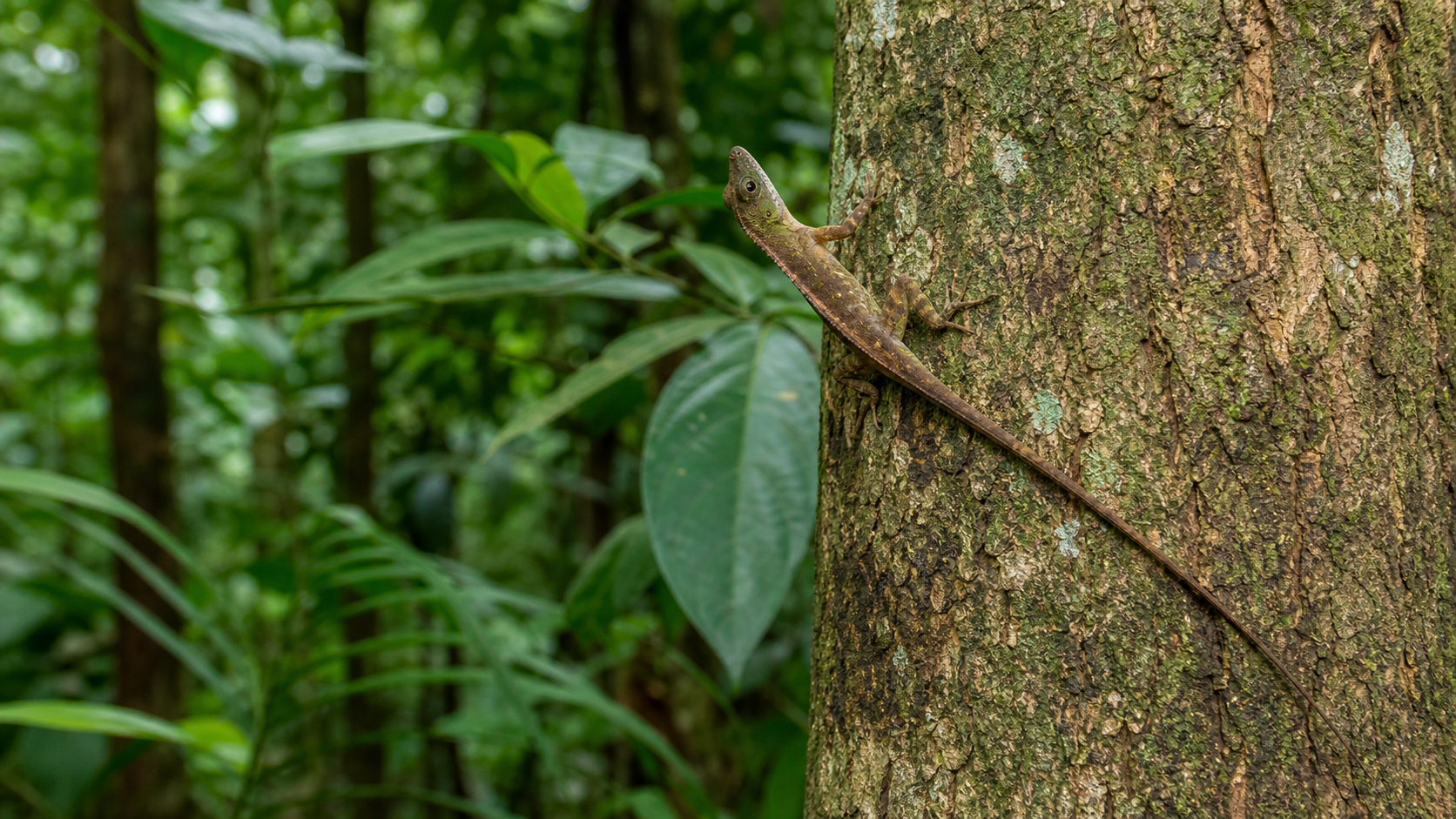
When exploring the vibrant habitats of the Caribbean, you’ll discover that Anolis lizards have carved out niches in nearly every conceivable environment, from the lush canopies of tropical forests to bustling urban landscapes. In natural areas, these lizards demonstrate a fascinating example of adaptive radiation, particularly in Cuba, where the highest diversity of Anolis species can be found. Each species has adapted to specific microhabitats, such as tree trunks, branches, or the ground, showcasing a remarkable ability to exploit different ecological niches.
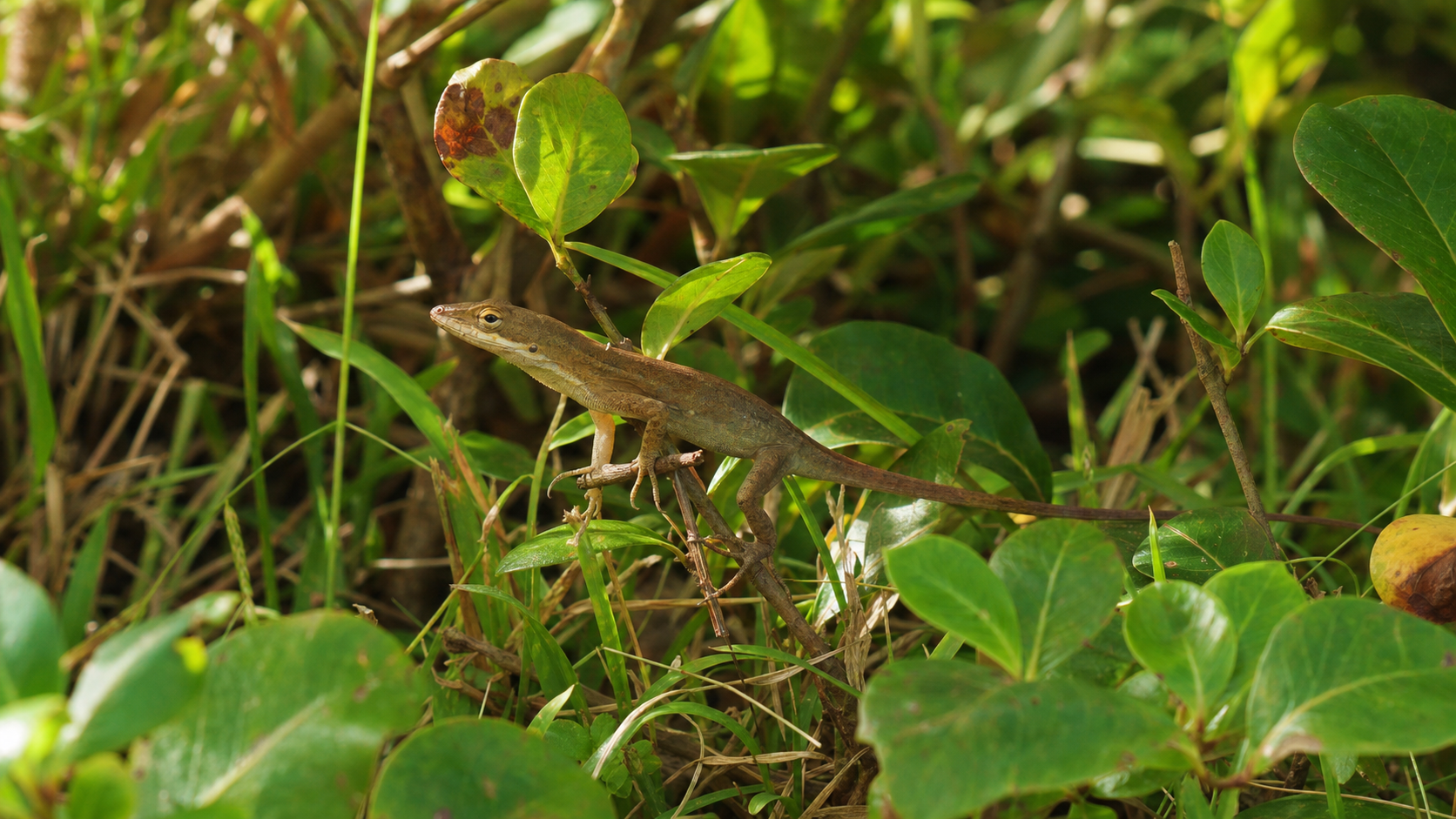
For example, Green Anoles typically thrive in the elevated perches of trees, displaying their bright colors in the sunlight. In contrast, Brown Anoles are often found closer to the ground, traversing the leaf litter and underbrush with ease. These adaptations not only highlight their ecological versatility but also their significant roles as both predators and prey within the Caribbean ecosystems.
Interestingly, Brown Anoles have also established populations outside their native range, adapting to new environments with impressive resilience. This spread underscores the lizards’ remarkable adaptability and the ongoing dynamics of their distribution. The interplay of these species within their habitats paints a vivid picture of evolutionary success and ecological significance.
Physical Characteristics
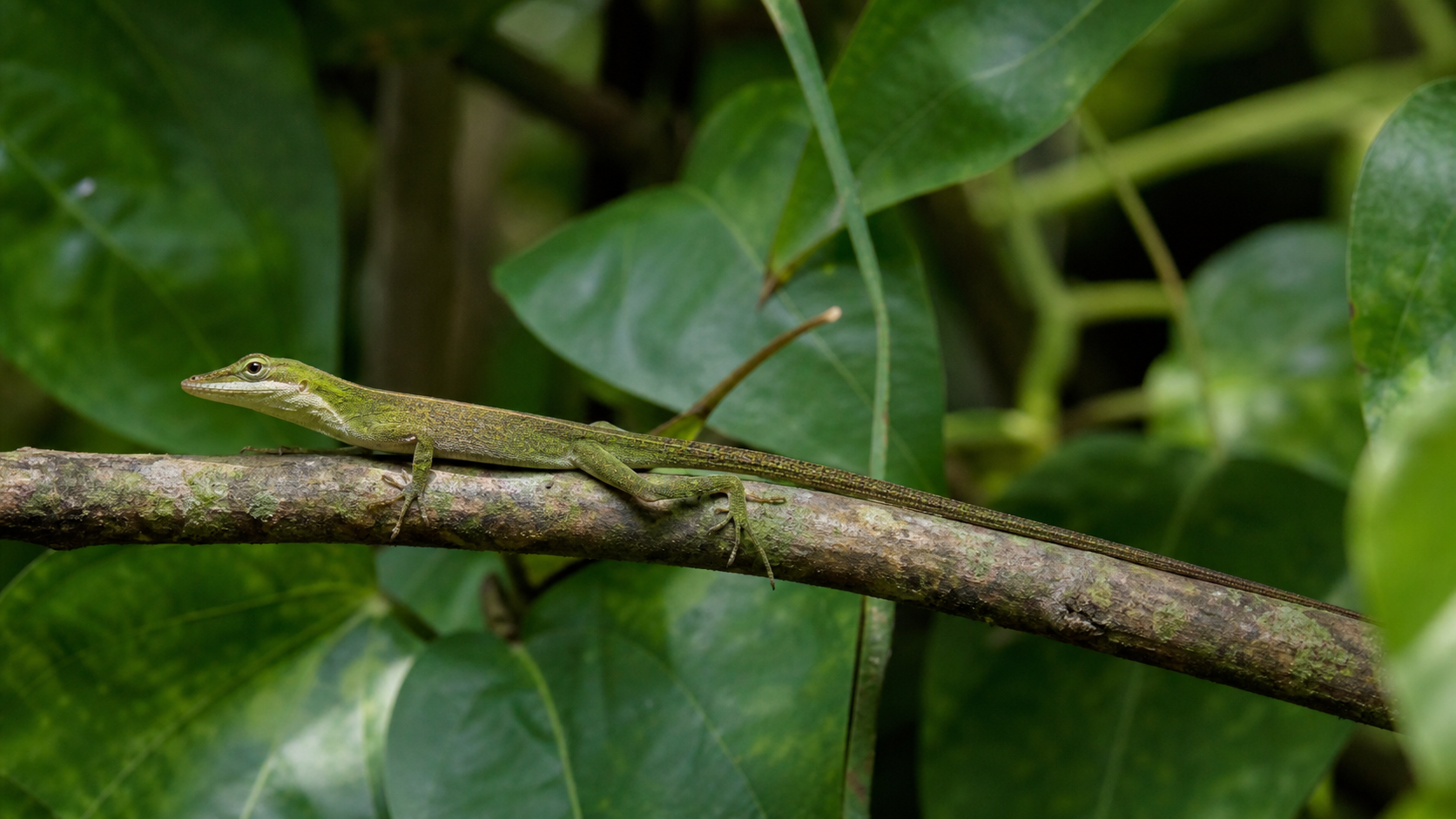
In examining the physical characteristics that make Anoles such versatile inhabitants of the Caribbean, their slender, elongated bodies and long, prehensile tails stand out as key adaptations for their arboreal lifestyle. These features enable them to navigate the complex vertical world of trees and bushes with ease. Their toe pads, equipped with adhesive scales, allow Anoles to climb effortlessly across various surfaces, defying gravity in a natural display of agility and freedom.
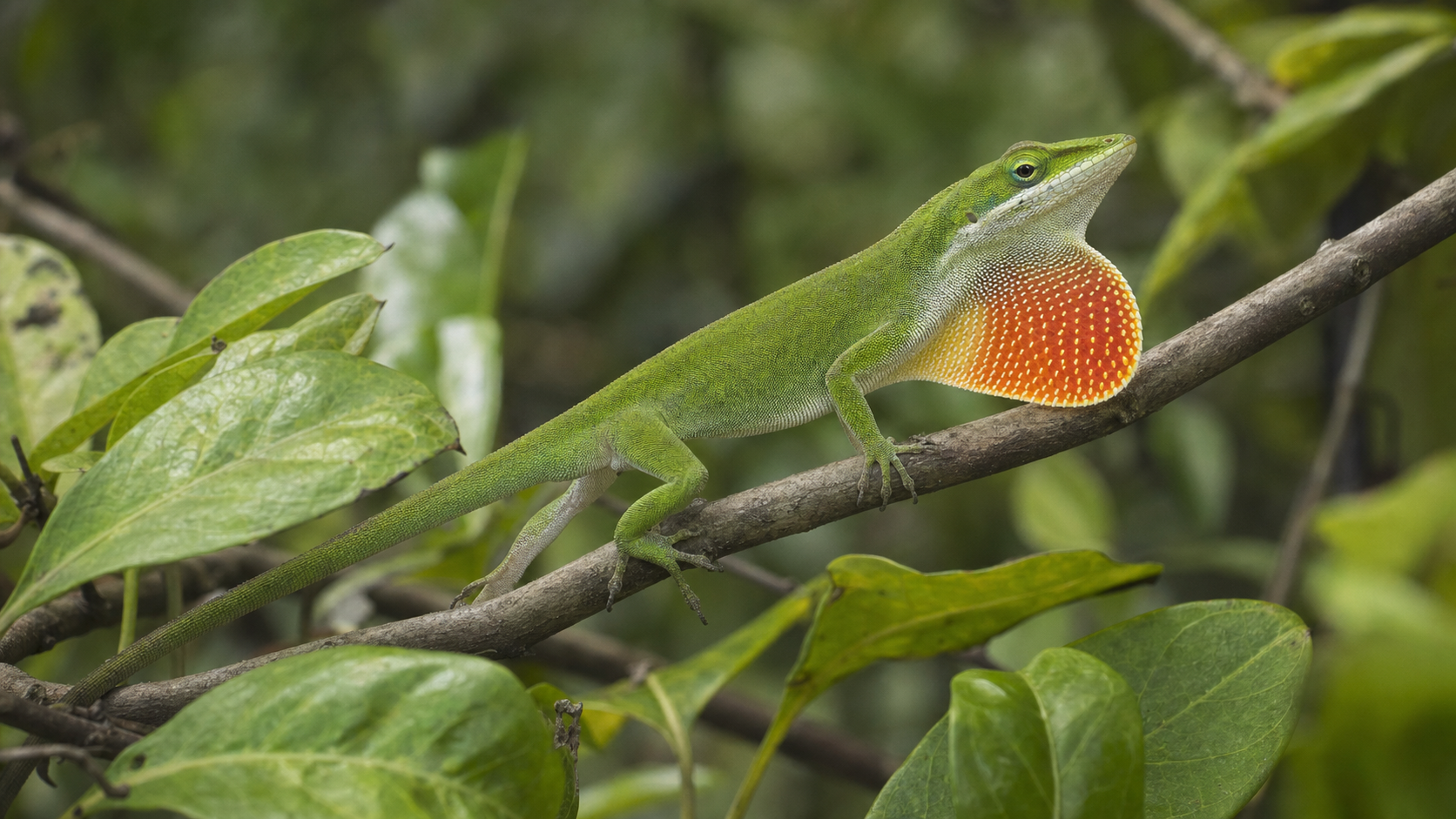
Anoles also possess a distinctive dewlap, a fold of skin under the neck that can be extended for display and communication. This vibrant structure adds a striking element to their natural history, often tinged with bright colors that catch the eye. Measuring 12–20 cm in total length, adult Anoles have a relatively small head compared to their streamlined bodies, further enhancing their aerodynamic form.
One of the most captivating traits of Anoles is their ability to change coloration. This dynamic adaptation allows them to blend into their surroundings, sporting hues that range from greens to browns, sometimes with a light stripe along their body. This natural camouflage is not just for show; it’s a vital survival mechanism in the ever-challenging Caribbean environment.
Behavior and Adaptations
Anoles are a fascinating bunch, and their dynamic behaviors and remarkable adaptations make them a thrill to observe. These colorful lizards, known for their vibrant dewlaps, use these throat fans to communicate, show off their territory, and woo potential mates. Male anoles will bob their heads to assert dominance and attract females, a behavior that’s both intriguing and vital for their social structure.
One of the most impressive things about anole lizards is their ability to rapidly change color to blend in with their surroundings. This not only helps them avoid predators but also plays a role in regulating their body temperature and social interactions. Anoles are incredibly agile, thanks to their specialized toe pads with adhesive scales, which let them scale vertical surfaces with ease and even hang upside down.
These lizards are incredibly adaptable, thriving in diverse habitats ranging from lush forests to bustling urban areas. This versatility reflects their evolutionary history and ability to explore various environments. As we explore the world of anoles, get ready to learn more about their intriguing behaviors and the adaptations that make them such remarkable creatures.
Diet and Predation
Feasting on a diverse array of small invertebrates, these agile lizards use their sticky toe pads to execute swift, ambush-style hunts with remarkable precision. With lightning-fast reflexes, anoles stalk insects, spiders, and other arthropods, taking advantage of their environment to catch their prey.
Researchers at Washington University in St. Louis have long studied these fascinating creatures, uncovering the secrets behind their adept hunting strategies. The university’s lab has documented how their camouflage and color-changing abilities help them remain unseen by both prey and predators.
Survival, however, is never guaranteed. A range of predators — birds, snakes, and larger lizards — constantly pressure anole populations. To cope, anoles have evolved a suite of antipredator responses: they may shed their tail to escape a seizing predator, flash their dewlap to startle a threat, or simply flee at speed. These behaviors reflect the intense selection pressure that has shaped anole evolution across Caribbean islands.
Ecological Importance
Thriving in the lush Caribbean landscapes, these vibrant lizards play a vital role in maintaining ecological balance. By preying on insects, anoles help regulate invertebrate populations within their ecosystems. In regions like south Florida, where they have established populations, anoles are integral to the health of their environments.
Let’s explore their ecological significance:
- Insect control: Anoles prey on insects, helping to maintain plant health and contributing to the broader prey base that supports larger predators.
- Food web dynamics: As prey for larger animals like birds and snakes, anoles contribute to the transfer of energy through the food web, supporting biodiversity.
- Environmental indicators: Certain anole species reflect the health of their ecosystems. Changes in their populations can signal shifts in environmental conditions, such as pollution levels or habitat destruction.
- Evolutionary adaptations: The diverse traits and behaviors among anole species illustrate their evolutionary history, showcasing a wide array of adaptations that highlight their role in sustaining ecosystem stability.
Frequently Asked Questions
What Is the Rarest Type of Anole?
Some uncommon color variations of the green anole (Anolis carolinensis) have been reported, including individuals with atypical yellow or orange pigmentation, though these are not well-documented in the scientific literature. Naturalists and herpetologists find such unusual color expressions fascinating when they do occur.
Why Are There 150 Species of Anole Lizards in the Caribbean Islands?
The Caribbean Islands are a vibrant melting pot, where isolation and diverse habitats have allowed anole lizards to evolve into approximately 150 unique species. Each island’s unique conditions and ecological niches have shaped them into specialized, colorful gems of evolution.
Why Are Anoles so Cheap?
Anoles are incredibly affordable because they’re easy to breed and maintain. Their high reproductive rate and inexpensive diet make them abundant, which keeps prices low for reptile enthusiasts.
What Are the 4 Types of Anoles?
Some of the most widely known and encountered Anolis species include the green anole (Anolis carolinensis), the brown anole (Anolis sagrei), the knight anole (Anolis equestris), and the Cuban green anole — though it’s worth noting that there are approximately 150 Caribbean species in total, far more than four. I’m fascinated by the diverse range of colors and adaptations in these lizards.