A Lizard of Australia’s Semi-Arid Interior
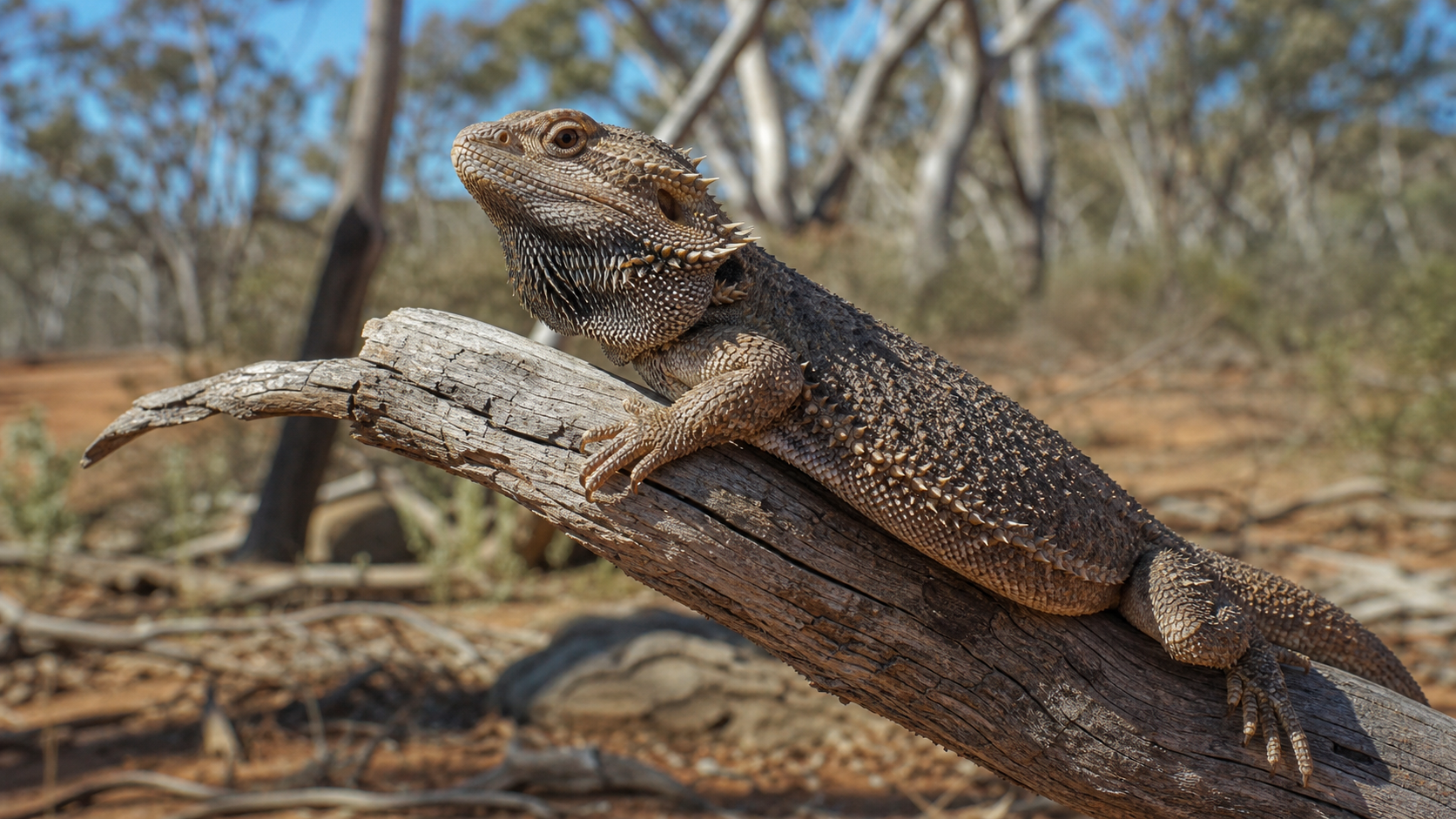
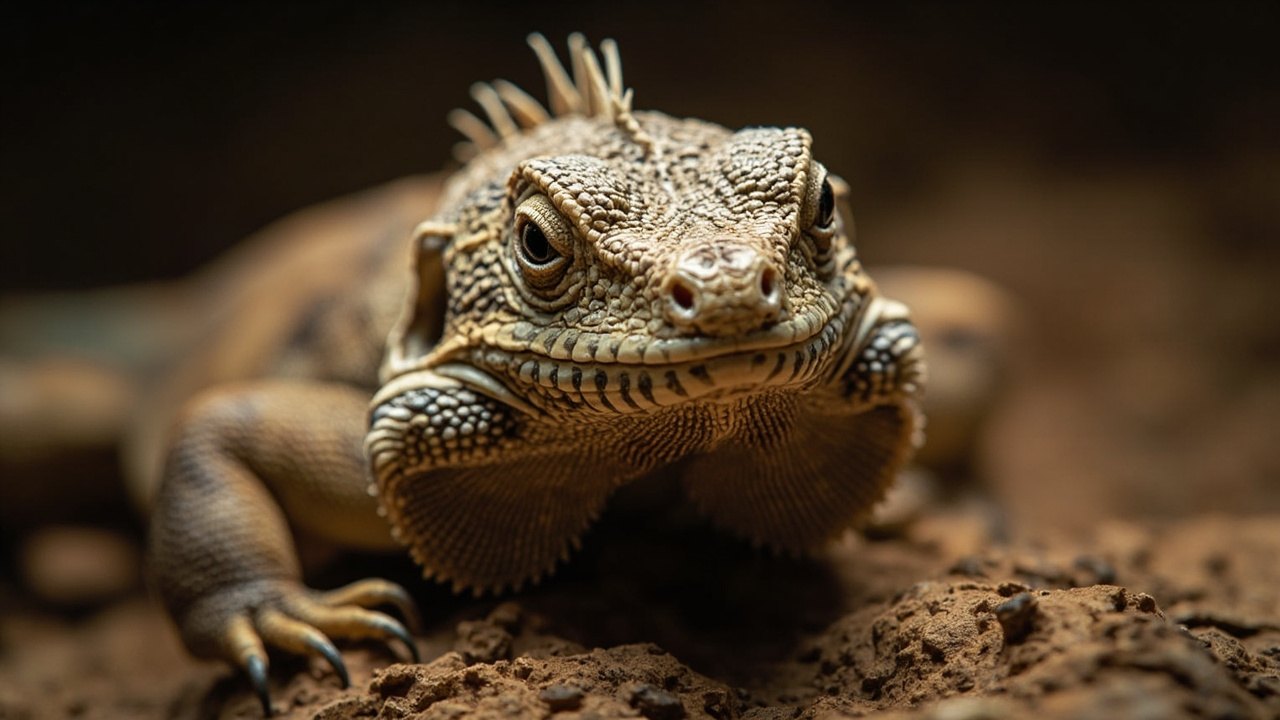
The central bearded dragon (Pogona vitticeps) occurs in arid and semi-arid woodland, shrubland and grassland in inland eastern Australia. It is a day-active omnivore that takes vegetation, invertebrates and occasional small vertebrates. Its broad body, rough-looking scales and throat spines make it easy to recognise, but the spines are mainly a display feature rather than sharp weapons.

Head Bobs, Arm Waves and Dark Beards
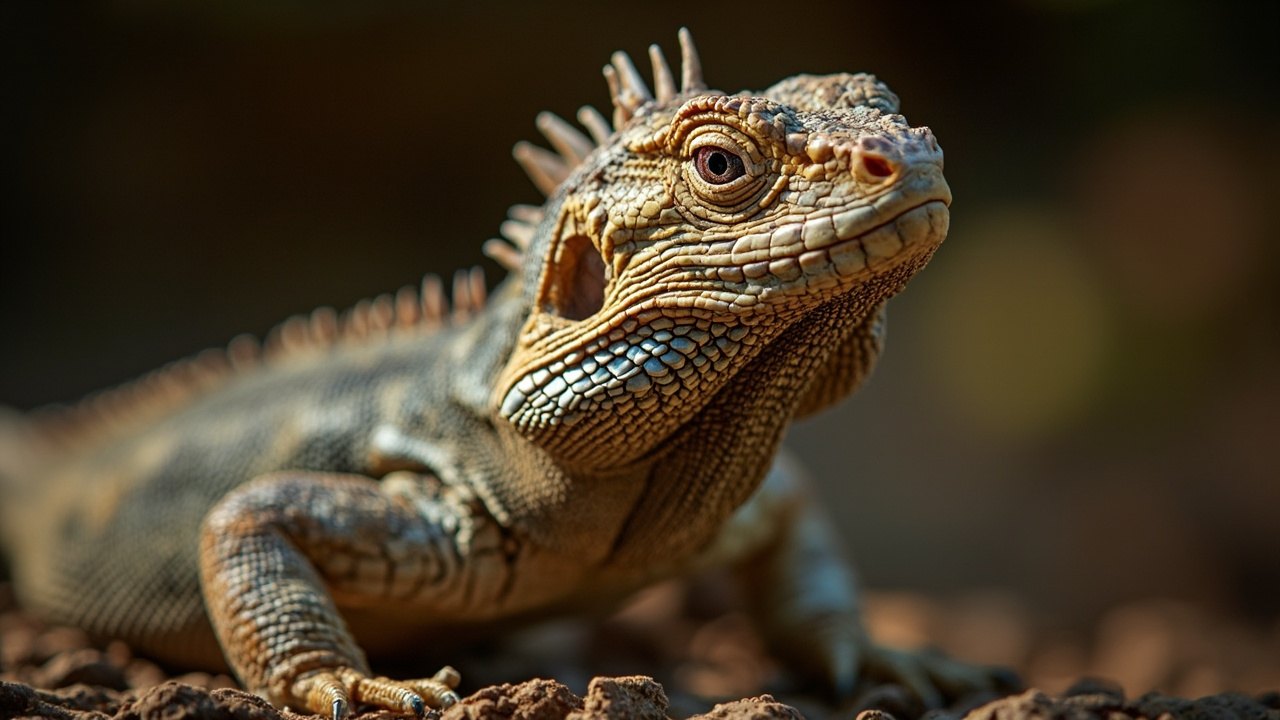
Bearded dragons communicate with posture, colour change, head bobbing and arm waving. A darkened, inflated beard and rapid head bobbing can be part of dominance or courtship displays, while an arm wave can signal submission or receptivity in context. These signals are not a simple measure of whether a lizard likes a person. Temperature, breeding condition, stress and the presence of another dragon can all change how an individual looks and behaves.
Welfare Comes Before Interaction
Captive dragons need adequate space, secure hiding places, a measured thermal gradient, suitable lighting and a varied diet that changes with life stage. Their social displays do not mean they need to live together. Competition for basking sites, food or shelter can create stress even without visible fighting. Handling should be brief and optional, with the body supported and the animal returned to its enclosure if it tries to escape, darkens persistently or shows other signs of distress.
Habitat Is More Than a Basking Site
Central bearded dragons use open ground, low vegetation and sheltered places within dry landscapes. A captive enclosure should let an individual choose between usable conditions instead of placing heat, light, food and cover in one exposed spot. The position of a perch or hide can affect whether the animal can regulate temperature without feeling vulnerable. Measurements and observations are more reliable than judging a setup by how decorative it looks.
Social Signals Need Context
Arm waving, head bobbing and beard darkening can occur in several situations. A display directed at another dragon, a person, a reflection or a nearby animal does not have one fixed meaning. Repeated visual stress can be reduced by reviewing enclosure placement, sight lines and any nearby animals. Forced introductions are not a safe way to find out whether two lizards will tolerate each other.
Species Identification Matters in Captivity
The name bearded dragon covers more than one species, and their ranges and needs are not identical. Care information should match the animal’s confirmed identity, age and health rather than a general label. A reptile-qualified veterinarian can help when appetite, shedding, movement or body condition changes persist.
Sources and review notes
Reviewed 23 August 2026. Reptile biology is wonderfully variable. We have avoided turning one species, photograph or dramatic observation into a rule for an entire group, and we have used cautious wording where evidence or local conditions differ.
Reference starting points: The Reptile Database, The IUCN Red List of Threatened Species, and PubMed-indexed research. Conservation status, taxonomy and local laws can change, so check the linked databases and the relevant local authority for current information.
Spotted something we should revisit? Send Reptile Explorer a correction—thoughtful reader feedback is always welcome.