
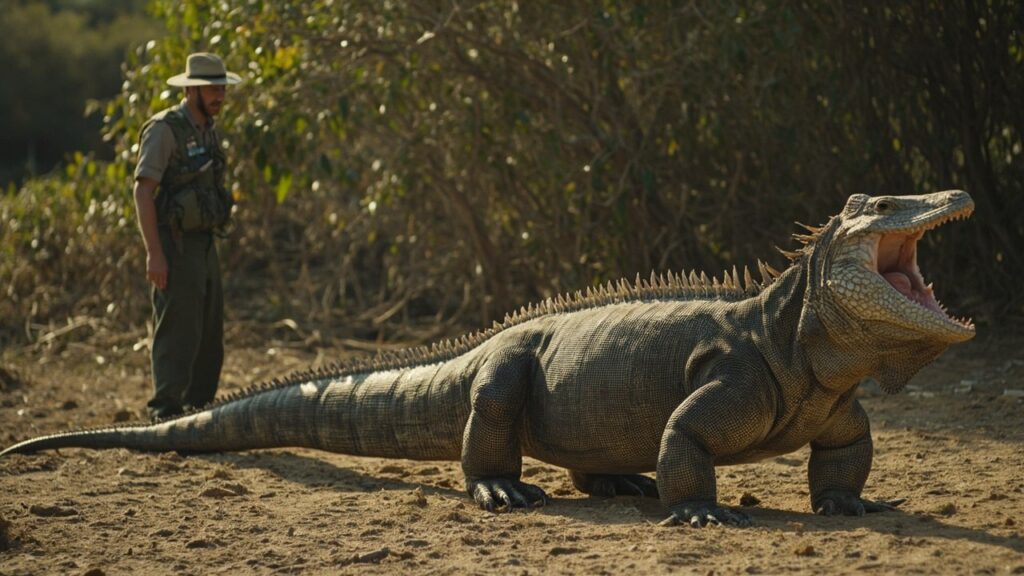
Komodo Dragons: The Largest Lizards
Komodo dragons are the largest living lizards and occur naturally on several Indonesian islands. Their bites can cause severe trauma, blood loss and venom effects.
Komodo dragons are the largest living lizards and occur naturally on several Indonesian islands. Their bites can cause severe trauma, blood loss and venom effects.
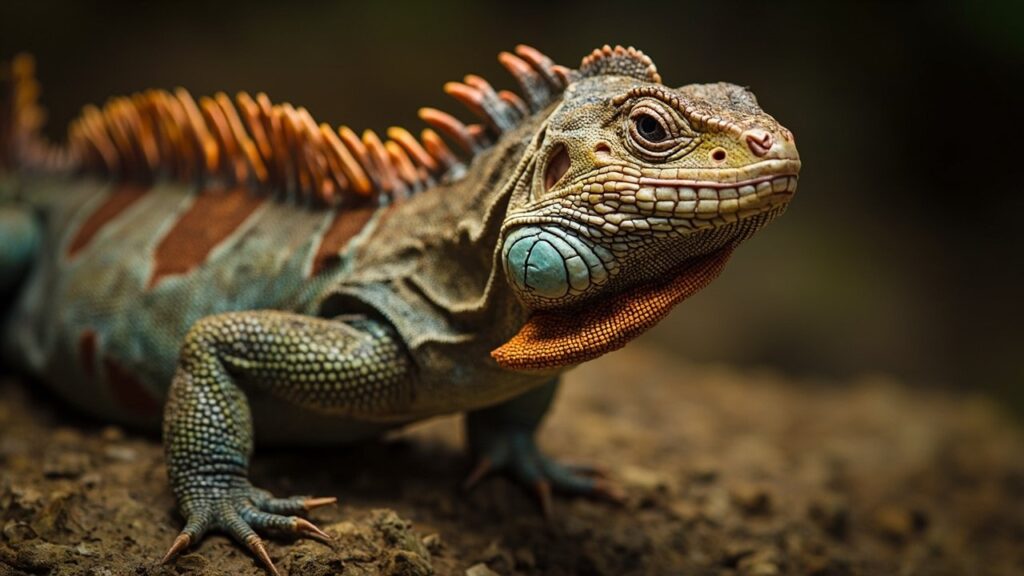
Frilled lizards use their neck frill in defensive and social displays. They live in northern woodlands and feed mainly on insects.
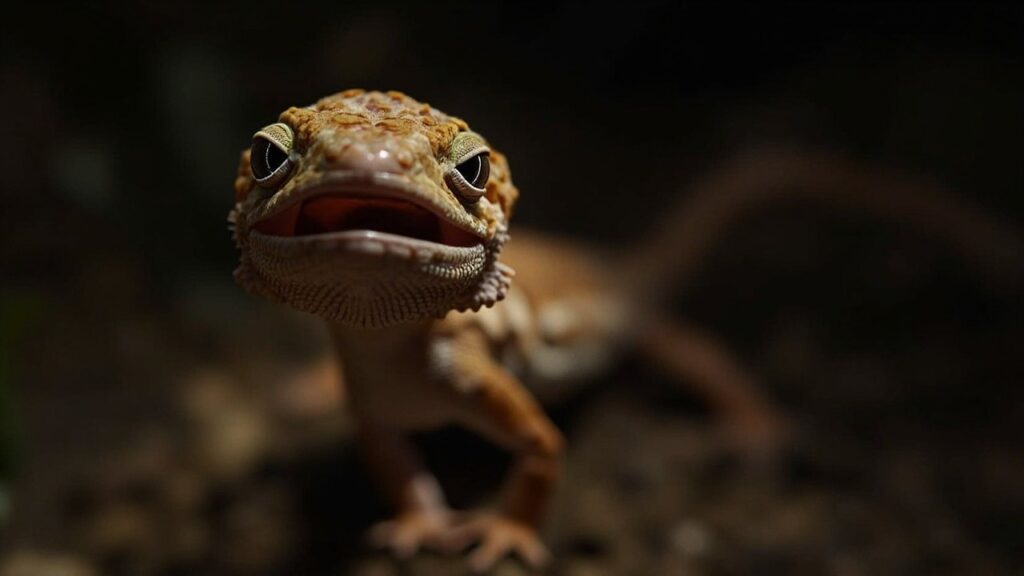
Tokay geckos are large nocturnal climbers from South and Southeast Asia. Their calls support social communication, and legal sourcing matters.
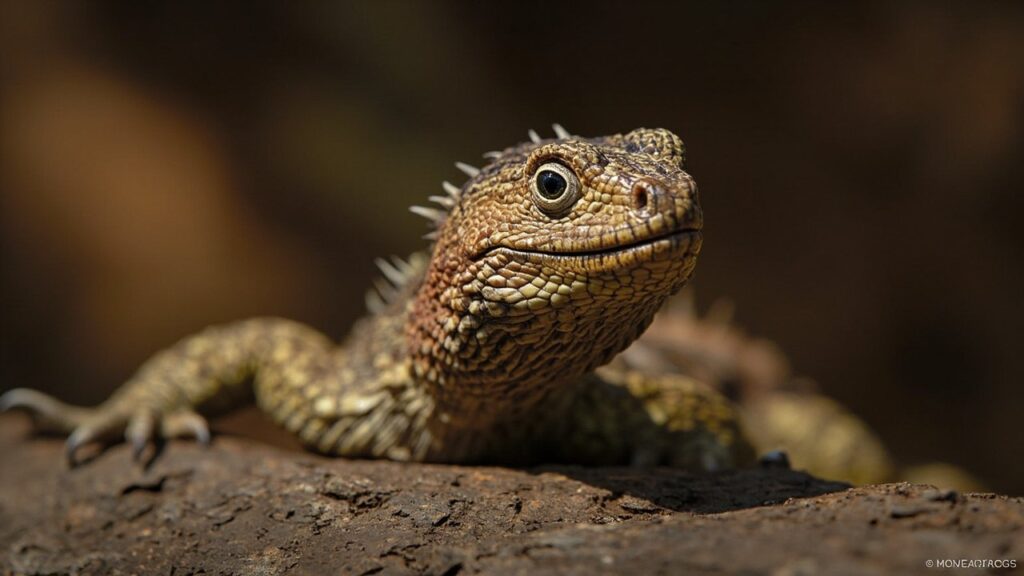
Gila monsters are venomous lizards of the southwestern United States and northwestern Mexico. They should never be handled; a suspected bite requires urgent medical assessment.
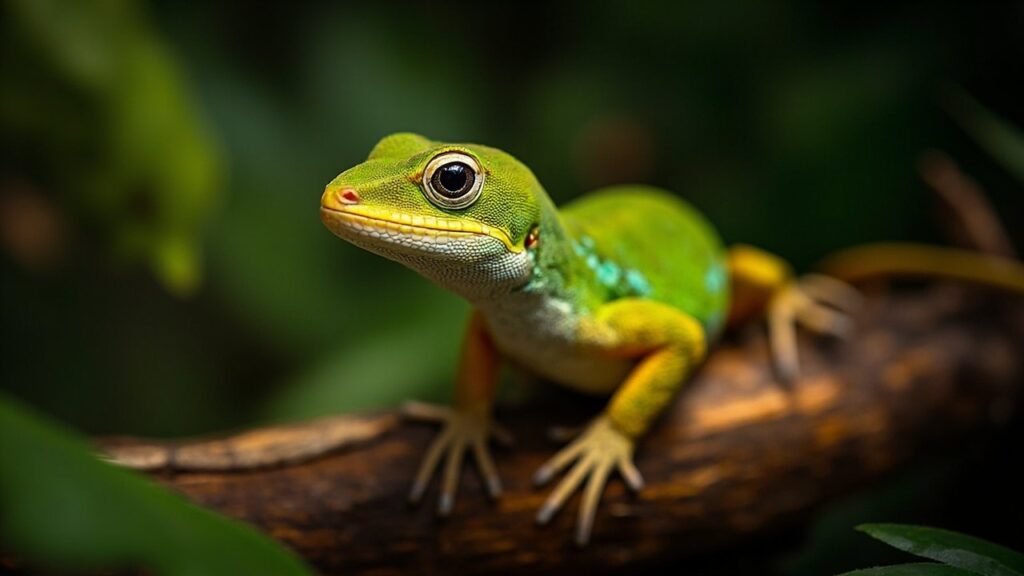
Caribbean anoles use different habitat layers and communicate through dewlaps, posture and movement. Colour and behaviour vary among species.
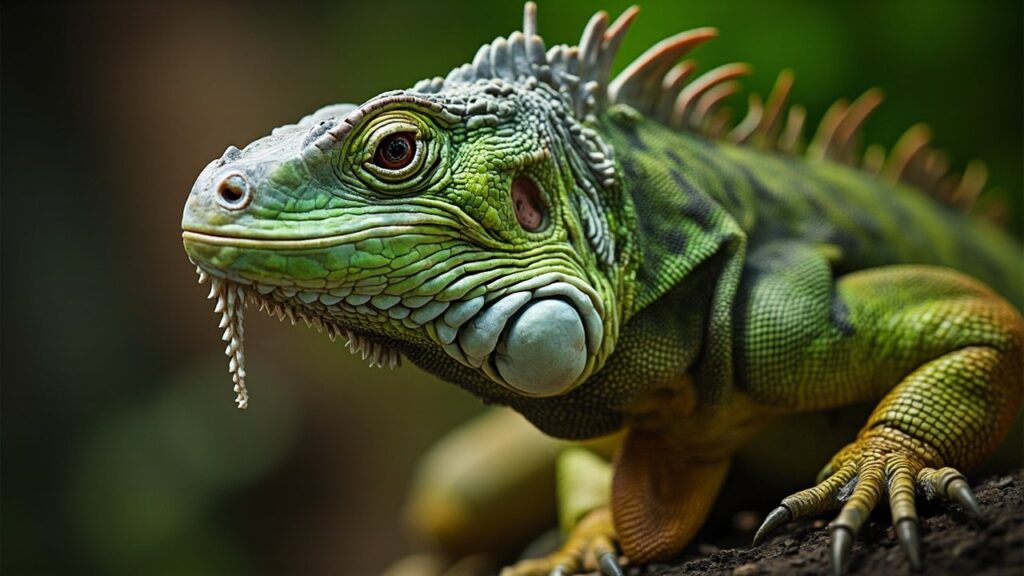
Green iguanas are largely arboreal herbivores native to tropical Central and South America. They use trees, waterways and dense vegetation.
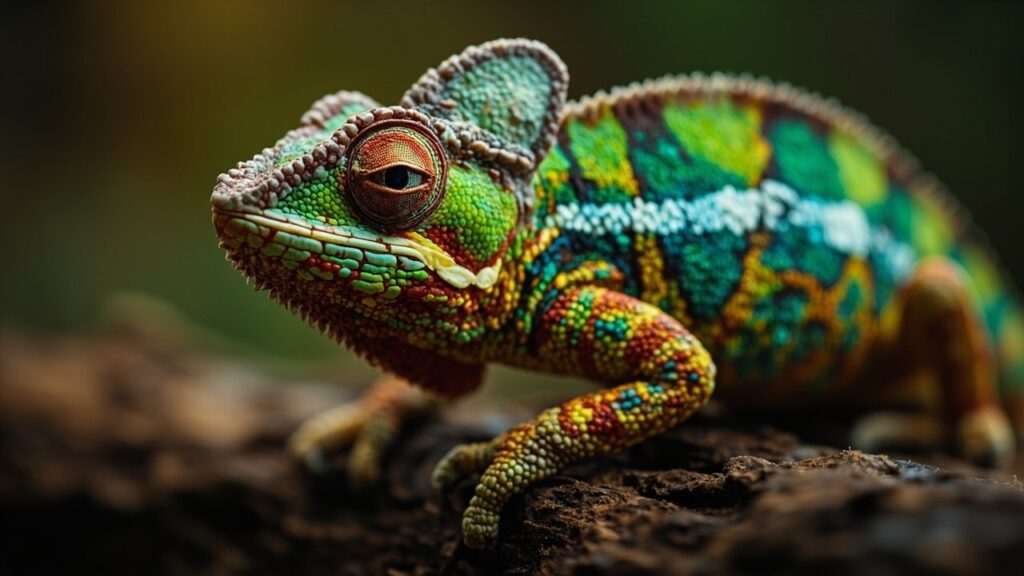
Chameleons change colour for communication, temperature regulation and camouflage. The range and speed of change differ among species.
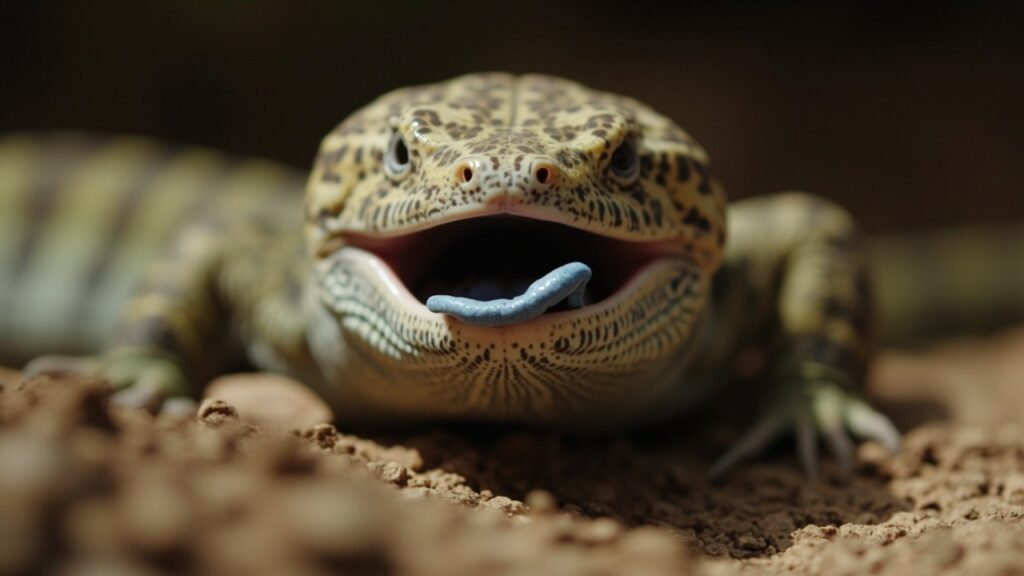
Blue-tongued skinks include several Tiliqua species with different ranges and care needs. Their blue tongue is mainly a defensive display.
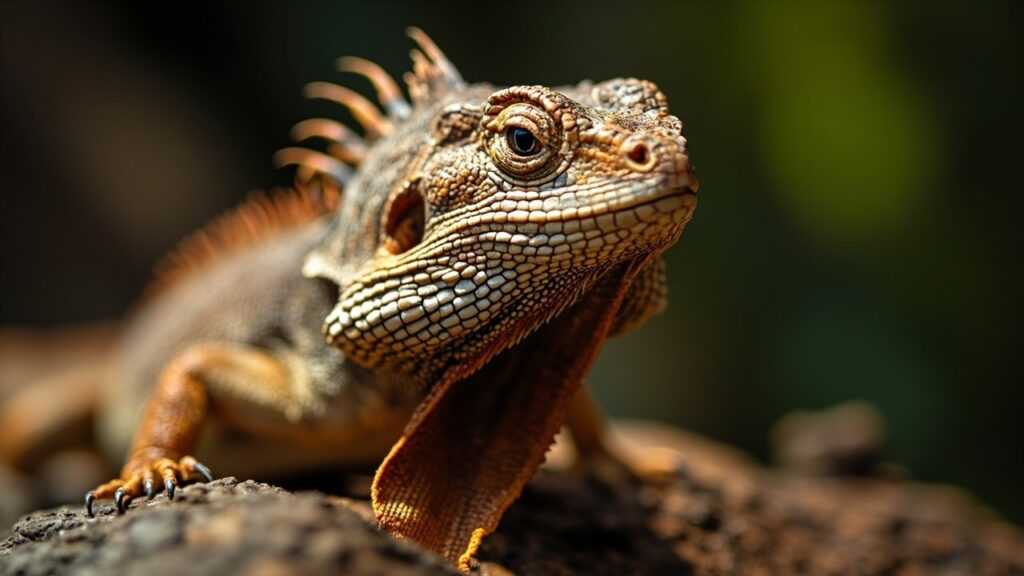
Central bearded dragons use posture, beard displays and colour changes in communication. Care must match their heat, light and dietary needs.
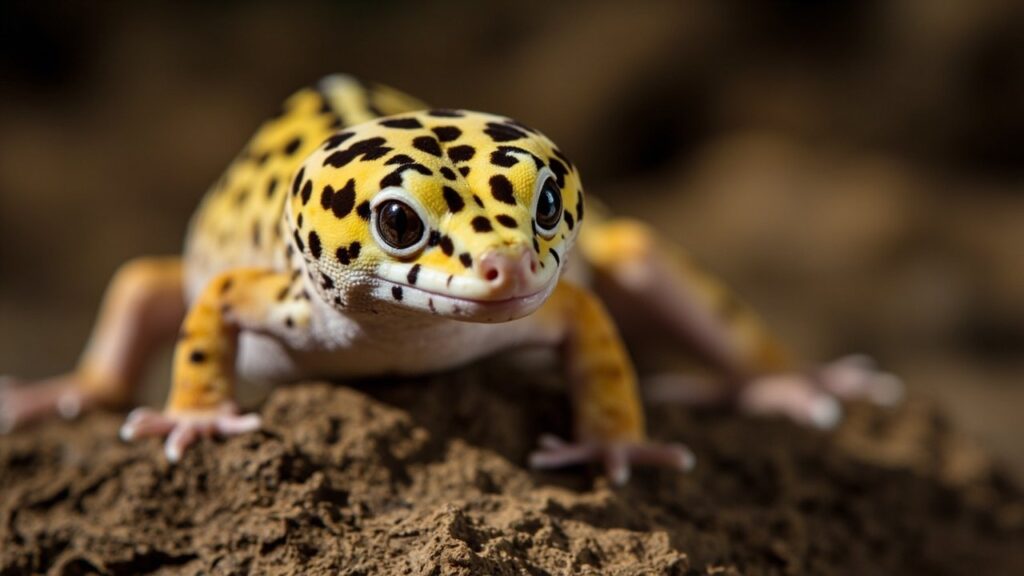
Leopard geckos are ground-dwelling lizards active mainly at dusk and night. Calm handling depends on health and individual tolerance.