Two Related Marine Lifestyles
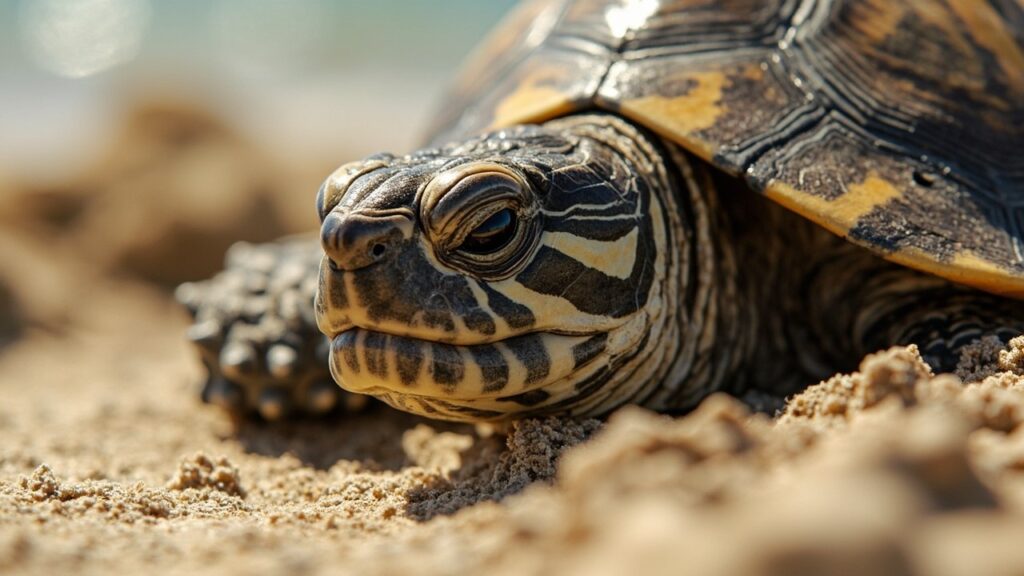
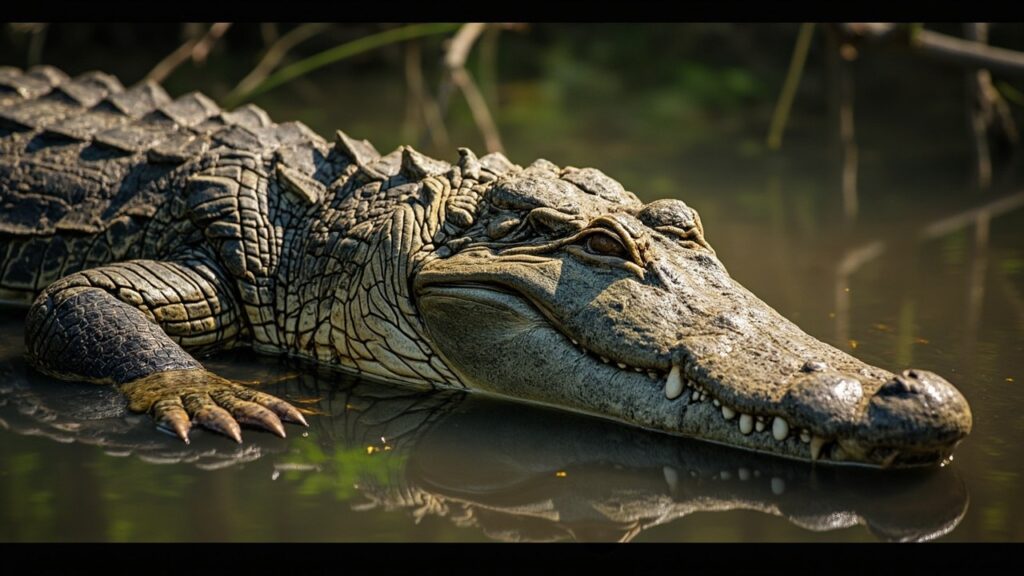
Sea snakes and sea kraits are closely related but do not live in exactly the same way. Most sea snakes spend nearly all of their lives at sea, while sea kraits regularly come ashore and lay their eggs on land. Both are air-breathing reptiles and must surface to breathe.

Adapted for Water, Not for Permanent Submersion
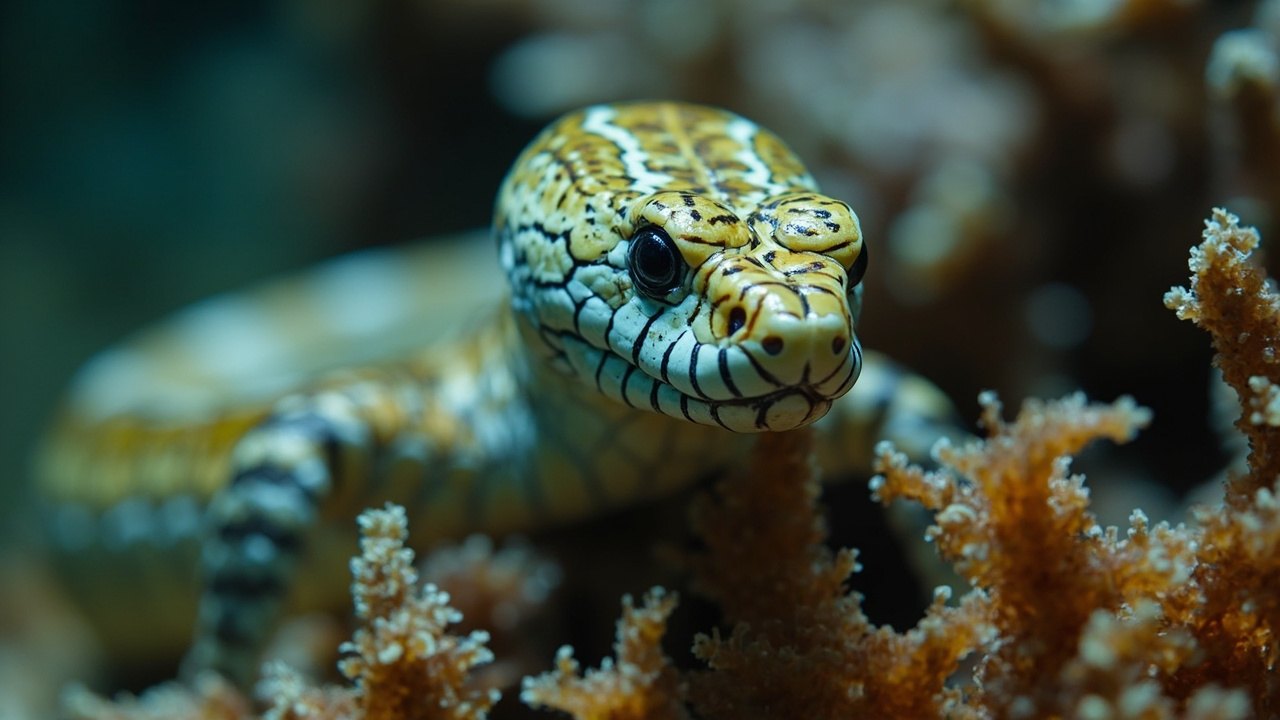
A flattened, paddle-like tail and dorsally positioned nostrils help many sea snakes move and breathe at the surface. Reef-associated species may search crevices, sand and coral structure for fish, fish eggs or eels, but prey preferences differ among species. Coral reefs support highly specialised animals and are vulnerable when those habitats change.
Venom Requires Distance and Respect
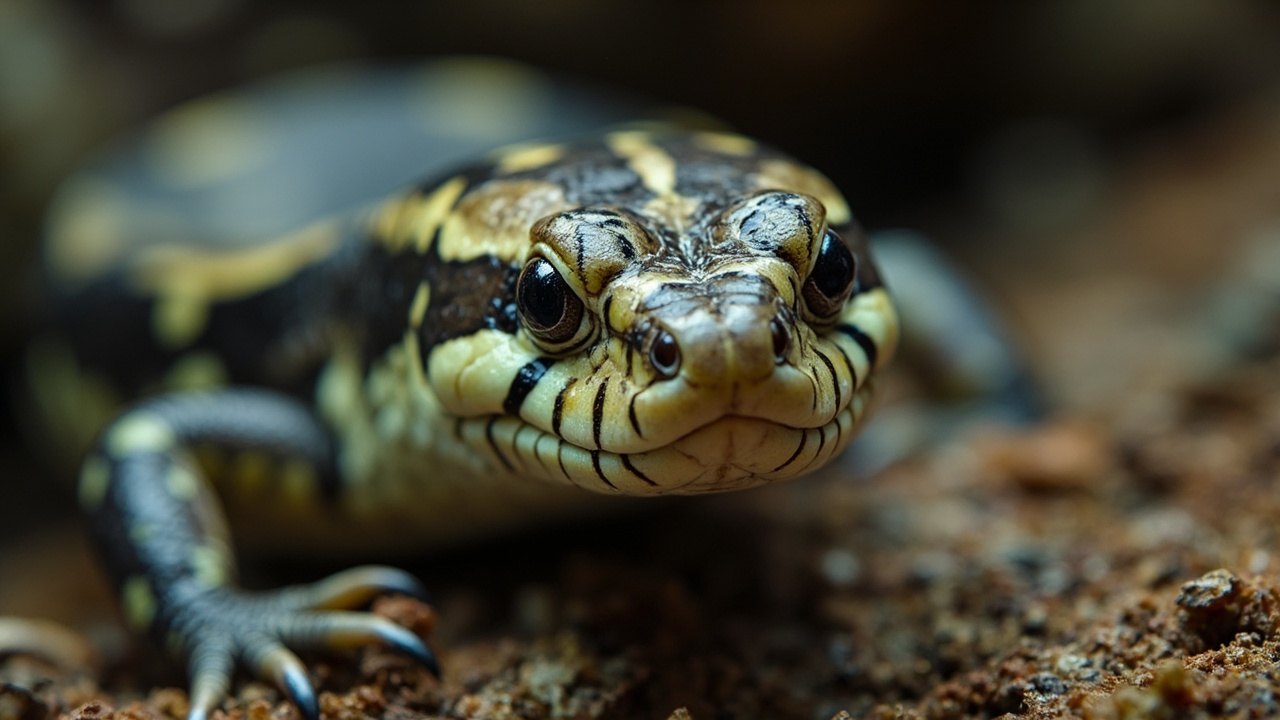
Sea snakes are venomous, yet most incidents are avoidable because they do not need to be handled. Divers, fishers and beachgoers should give them space and avoid reaching into reef crevices or nets without care. A suspected bite requires urgent medical assessment, even if early symptoms seem mild.
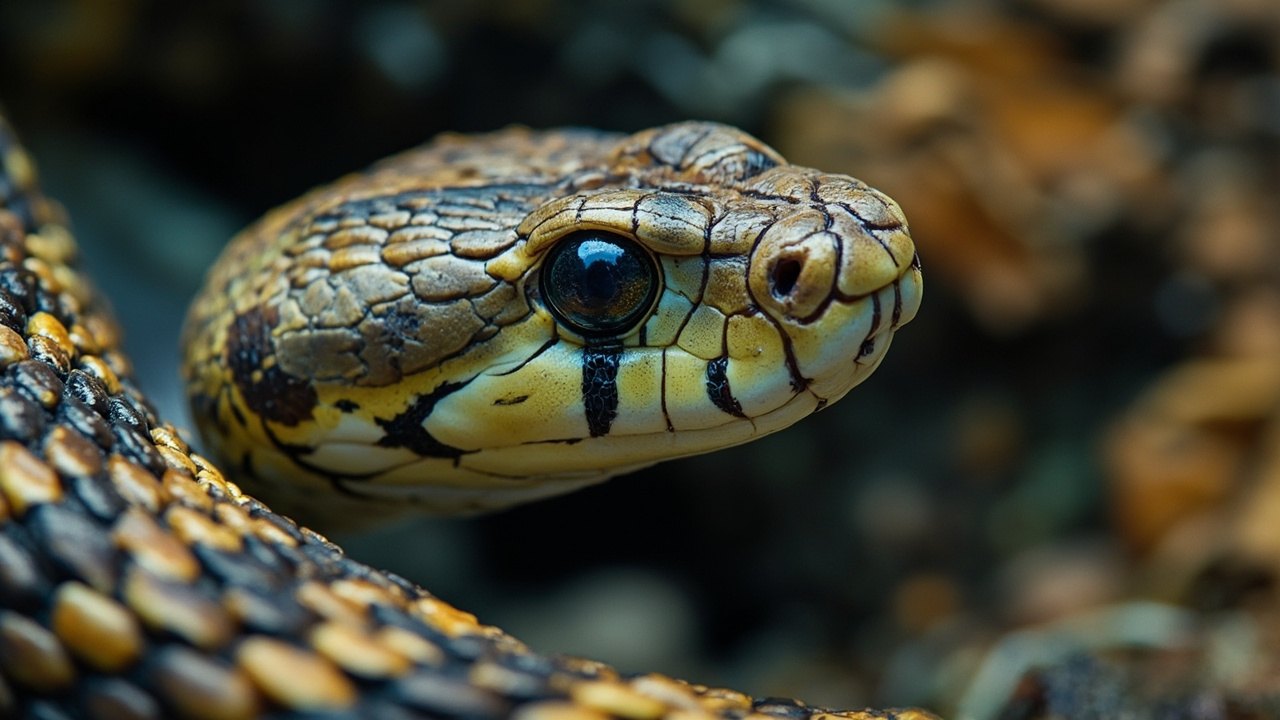
Sea Kraits and Sea Snakes Use Land Differently
Sea kraits regularly return to land, where females lay eggs in sheltered places. Most true sea snakes give birth in the water and may spend nearly all of their lives at sea. Both groups are air-breathing reptiles with flattened tails suited to swimming, but they should not be described as having identical routines, ranges or breeding habits.
Many species forage around reefs, sea grass, soft bottom or coastal structure, where fish and eels provide prey. The same coast can hold several species that differ in body shape, depth use and diet. A sighting of a banded sea krait near shore does not show that every local sea snake comes onto land, and a distant silhouette is rarely enough for a reliable species identification.
Reef Health Supports More Than One Predator
Coral, sea grass, sheltered crevices and abundant prey create the conditions used by marine reptiles and many other animals. Pollution, destructive fishing, coastal construction and warming water can alter those systems. Protecting a reef means protecting connections among feeding areas, resting sites and nearby land used by species that come ashore.
Distance Is the Safe Response
Sea snakes and sea kraits are venomous. A diver, swimmer or fisher should not pick one up, corner it in a net or reach into a crevice without looking. If a bite is suspected, seek urgent medical help even when early symptoms seem mild. The safest observation is quiet and hands-off.
Sources and review notes
Reviewed 23 August 2026. Reptile biology is wonderfully variable. We have avoided turning one species, photograph or dramatic observation into a rule for an entire group, and we have used cautious wording where evidence or local conditions differ.
Reference starting points: The Reptile Database, The IUCN Red List of Threatened Species, and PubMed-indexed research. Conservation status, taxonomy and local laws can change, so check the linked databases and the relevant local authority for current information.
Spotted something we should revisit? Send Reptile Explorer a correction—thoughtful reader feedback is always welcome.