A Distinctive Desert Lizard
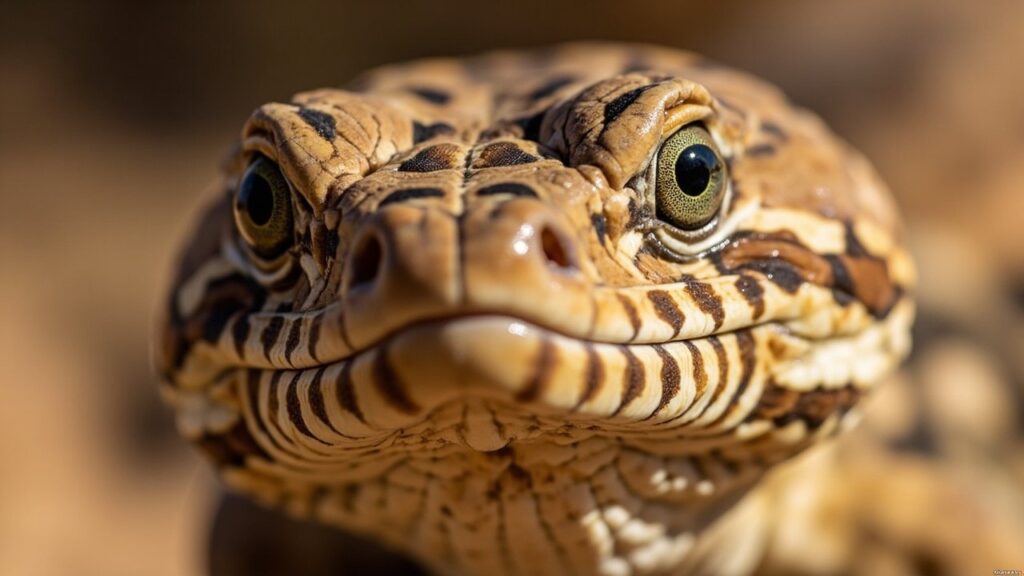
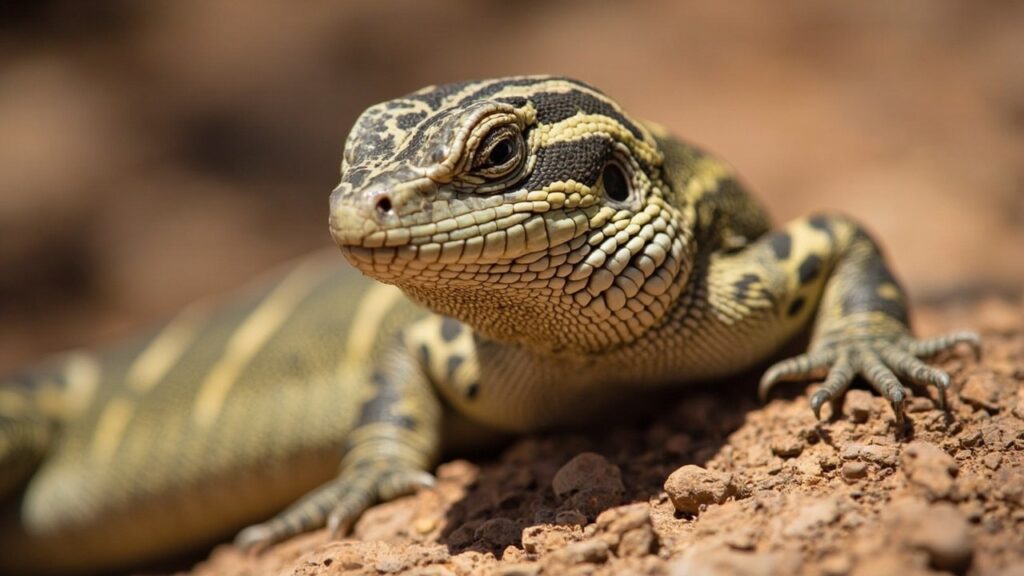
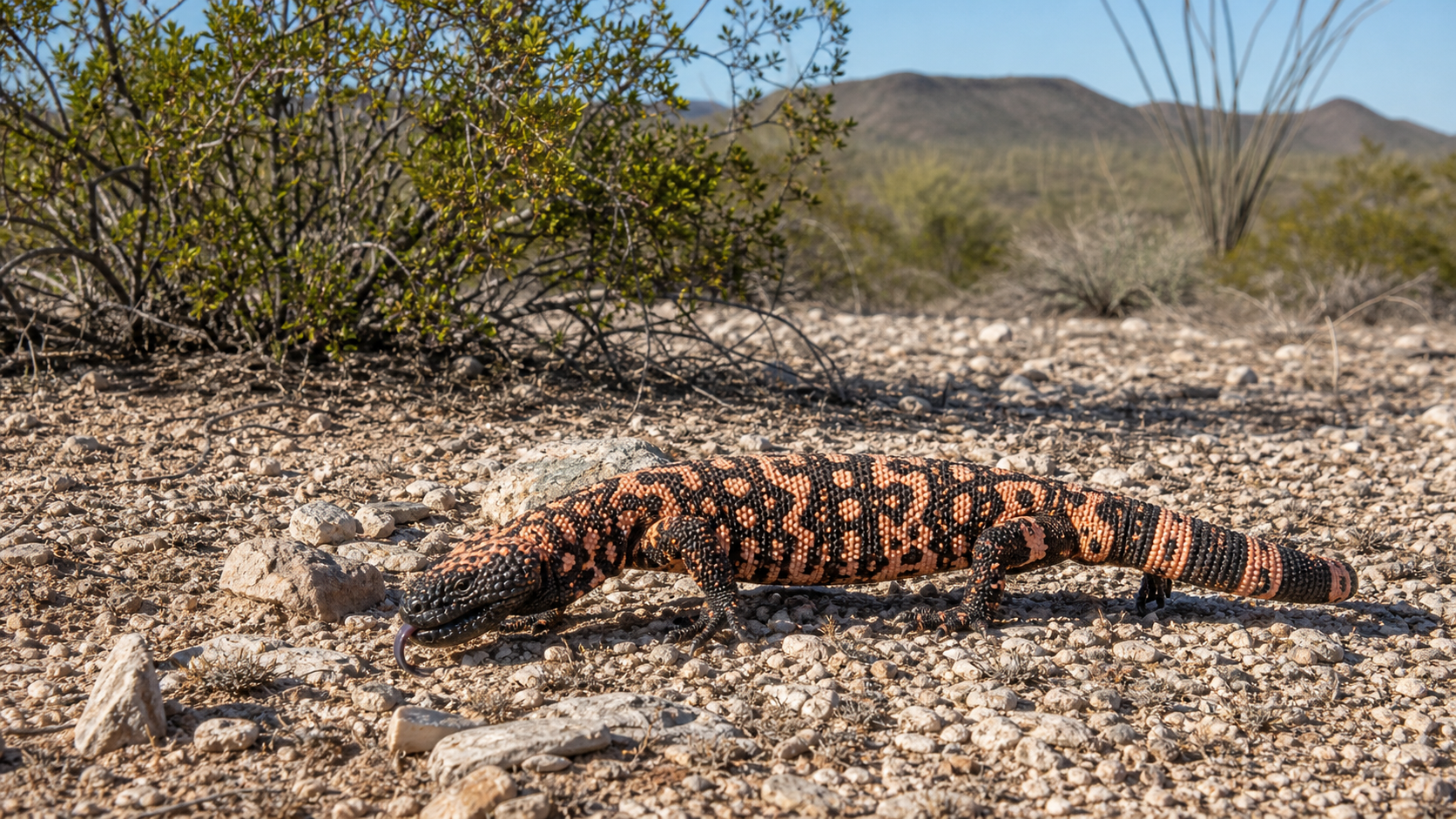
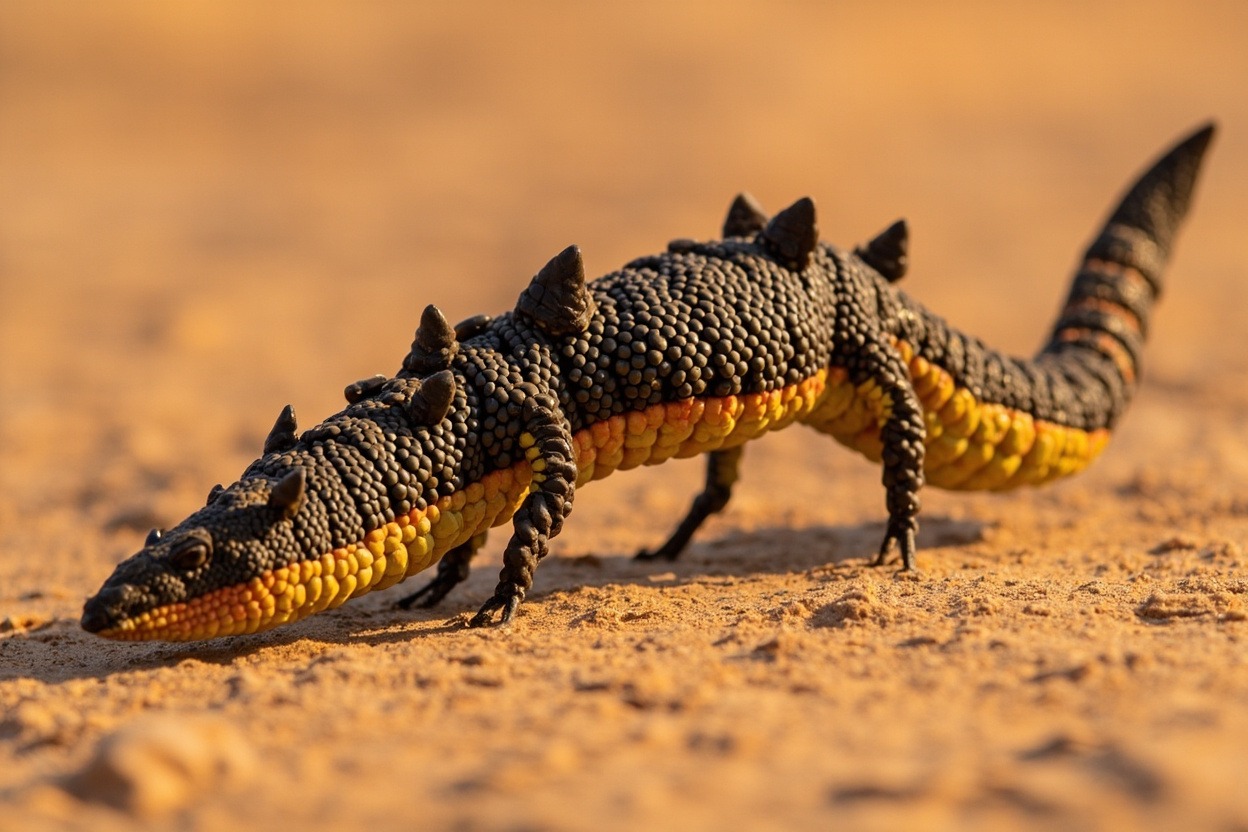
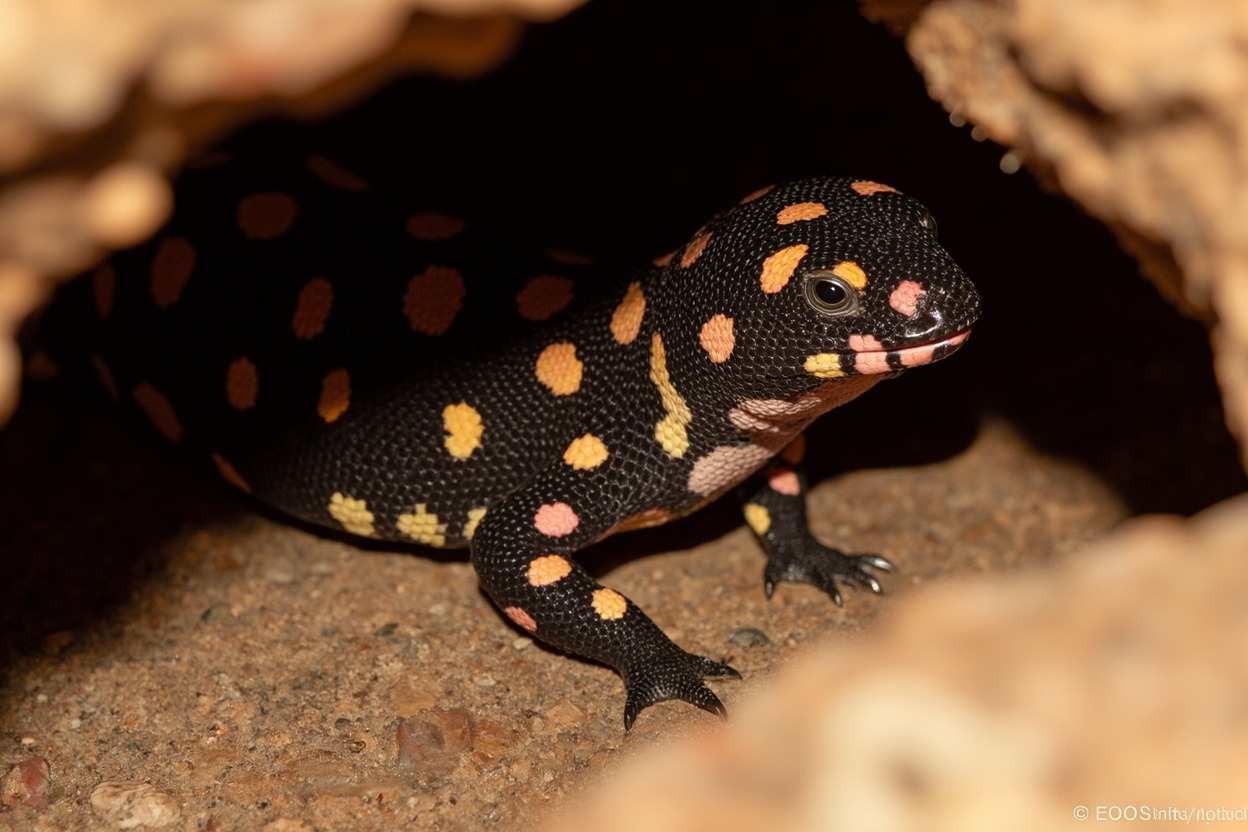
The Gila monster (Heloderma suspectum) is the largest lizard native to the United States and one of the two known venomous lizards in North America. Its bead-like scales, heavy body and black-and-orange or pink pattern make it distinctive, but it is rarely seen because it spends much of its life sheltered underground.

More Than One Desert
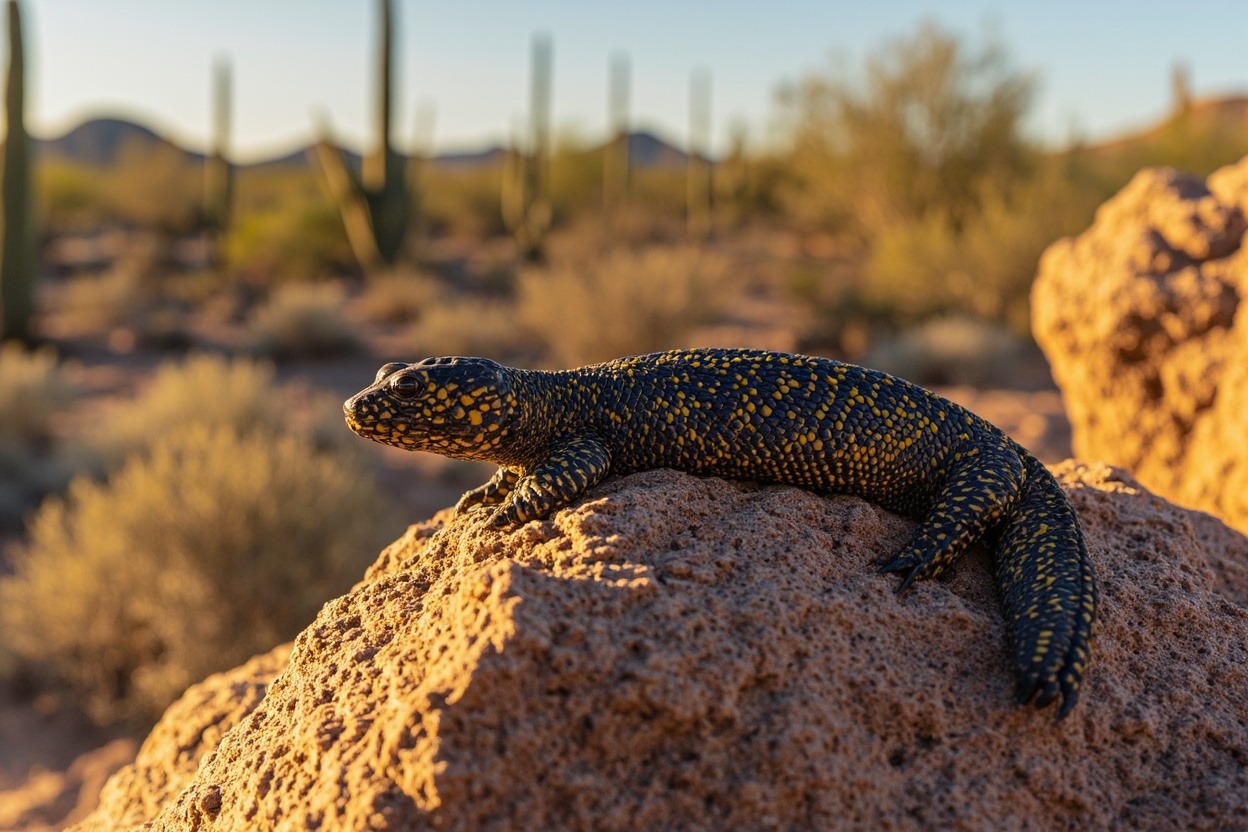
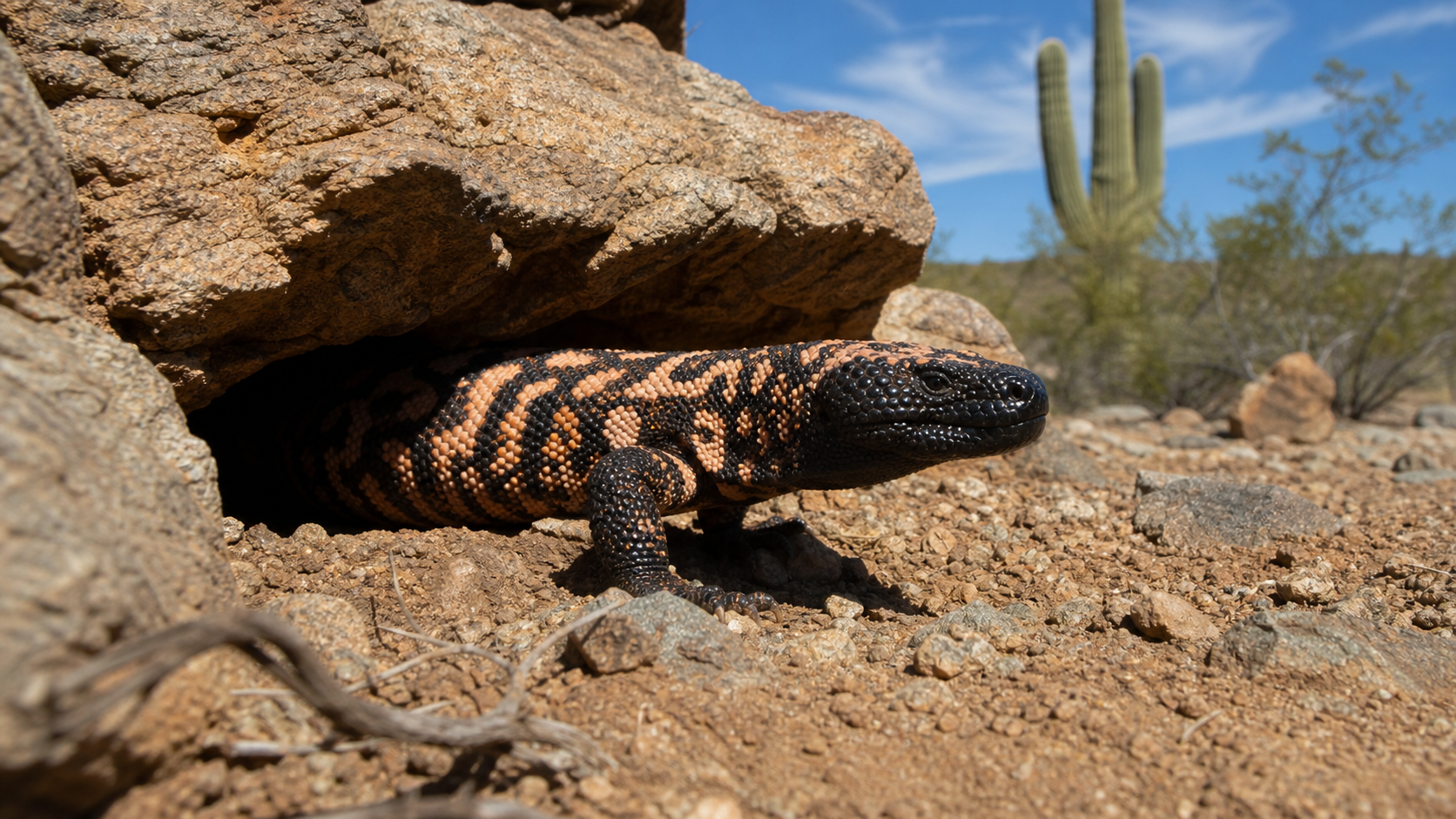
Gila monsters are strongly associated with the Sonoran Desert, but their range also reaches other arid habitats in the southwestern United States and northwestern Mexico. They use burrows, rocky cover and other refuges, emerging seasonally to bask, search for prey and reproduce. Small mammals, eggs, nestlings, lizards and carrion can all be part of their diet.
Venom and Protection
A Gila monster should never be handled. Most bites occur when people attempt to pick one up, and the bite can be extremely painful and medically serious. These lizards are protected in the areas where they occur; the correct response to a sighting is to keep distance, take a photograph if safe, and let the animal continue undisturbed.
Seasonal Activity Can Hide a Local Population
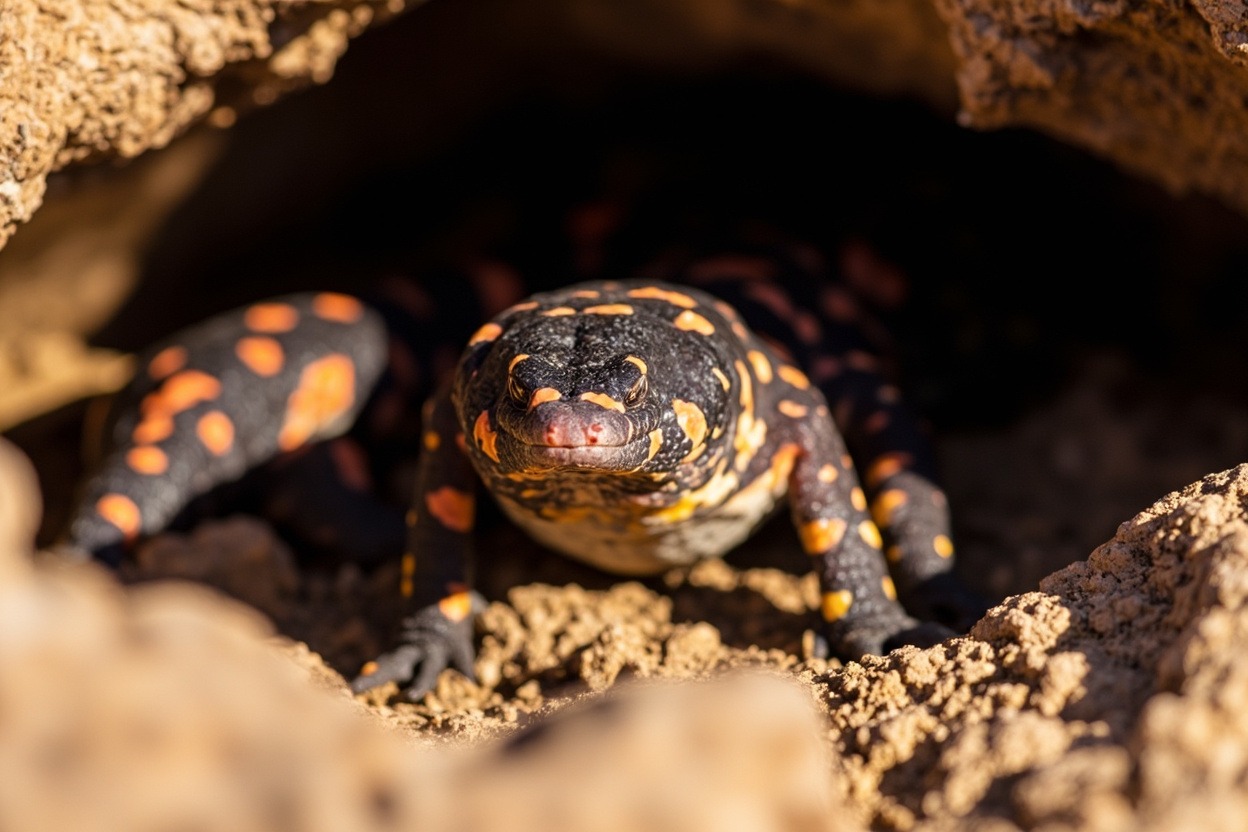
A Gila monster may spend long periods below ground or under cover, then emerge when local temperature and seasonal conditions permit feeding, movement or reproduction. This means a suitable wash, arroyo or rocky desert slope can contain Gila monsters without producing frequent sightings. One encounter does not show that a population is common, and a short search without a sighting does not show that it is absent.
Desert Habitat Includes Small Refuges
Rock crevices, burrows, shaded soil, vegetation and drainage features can give Heloderma suspectum usable temperatures and shelter within a hot landscape. Off-road travel, construction and the removal of ground cover can affect those features even where the wider desert still appears intact. Habitat records should note the cover and terrain used by the animal, not merely label the observation as Sonoran Desert.
Distance Protects People and Lizards
Gila monsters are venomous and should be left alone. Do not attempt to move one from a trail, road or garden without guidance from the responsible wildlife authority. A clear photograph taken from a safe distance can support a sighting record, while exact locations should be kept private where collection is a concern. Leaving the lizard with access to its refuge is the safest response.
Sources and review notes
Reviewed 23 August 2026. Reptile biology is wonderfully variable. We have avoided turning one species, photograph or dramatic observation into a rule for an entire group, and we have used cautious wording where evidence or local conditions differ.
Reference starting points: The Reptile Database, The IUCN Red List of Threatened Species, and PubMed-indexed research. Conservation status, taxonomy and local laws can change, so check the linked databases and the relevant local authority for current information.
Spotted something we should revisit? Send Reptile Explorer a correction—thoughtful reader feedback is always welcome.