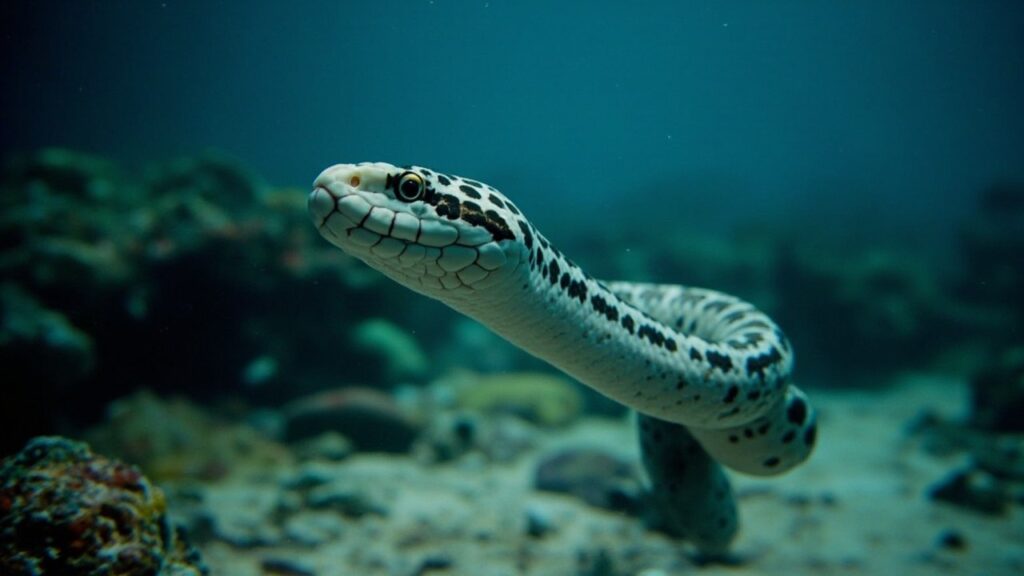
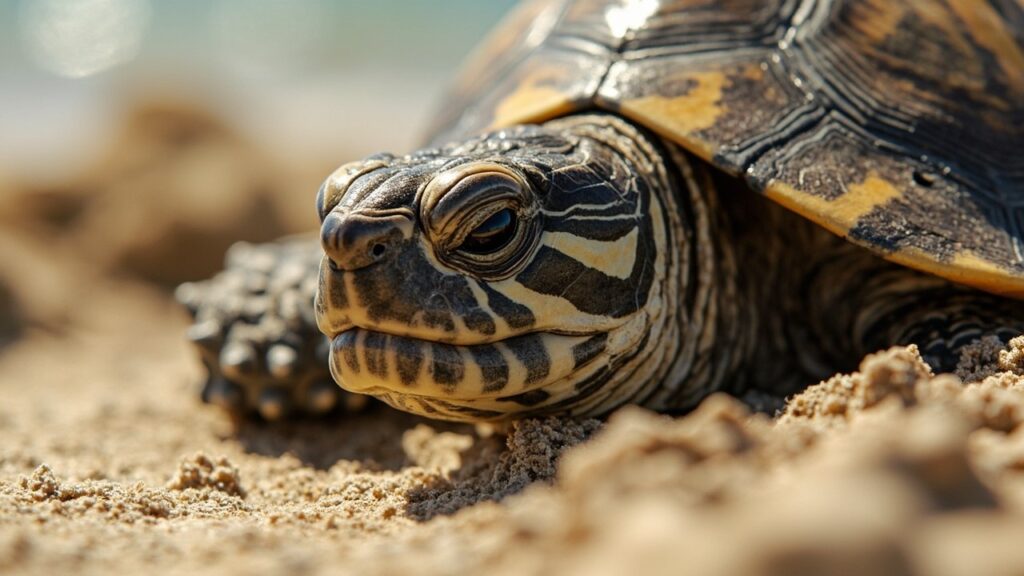
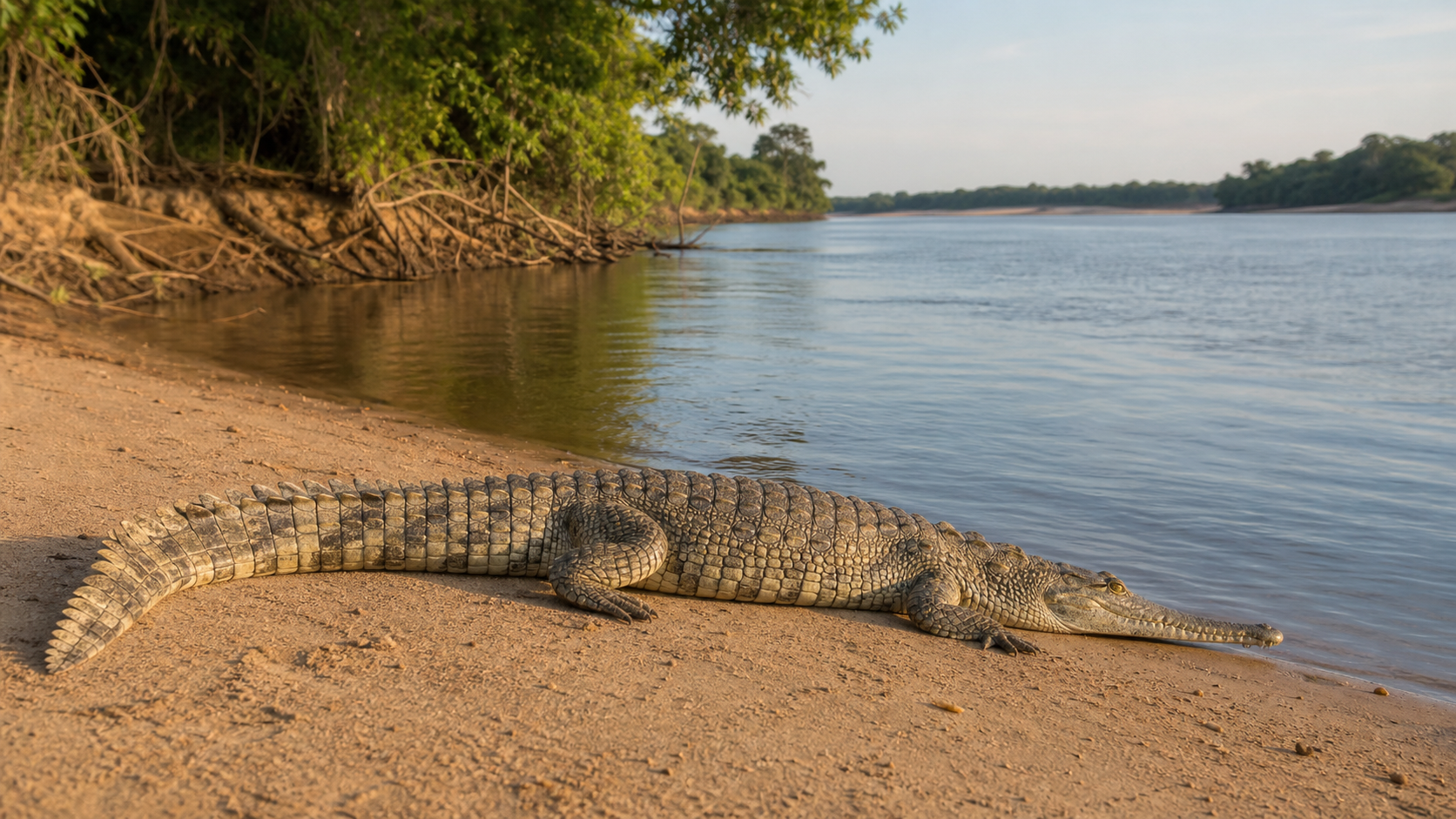
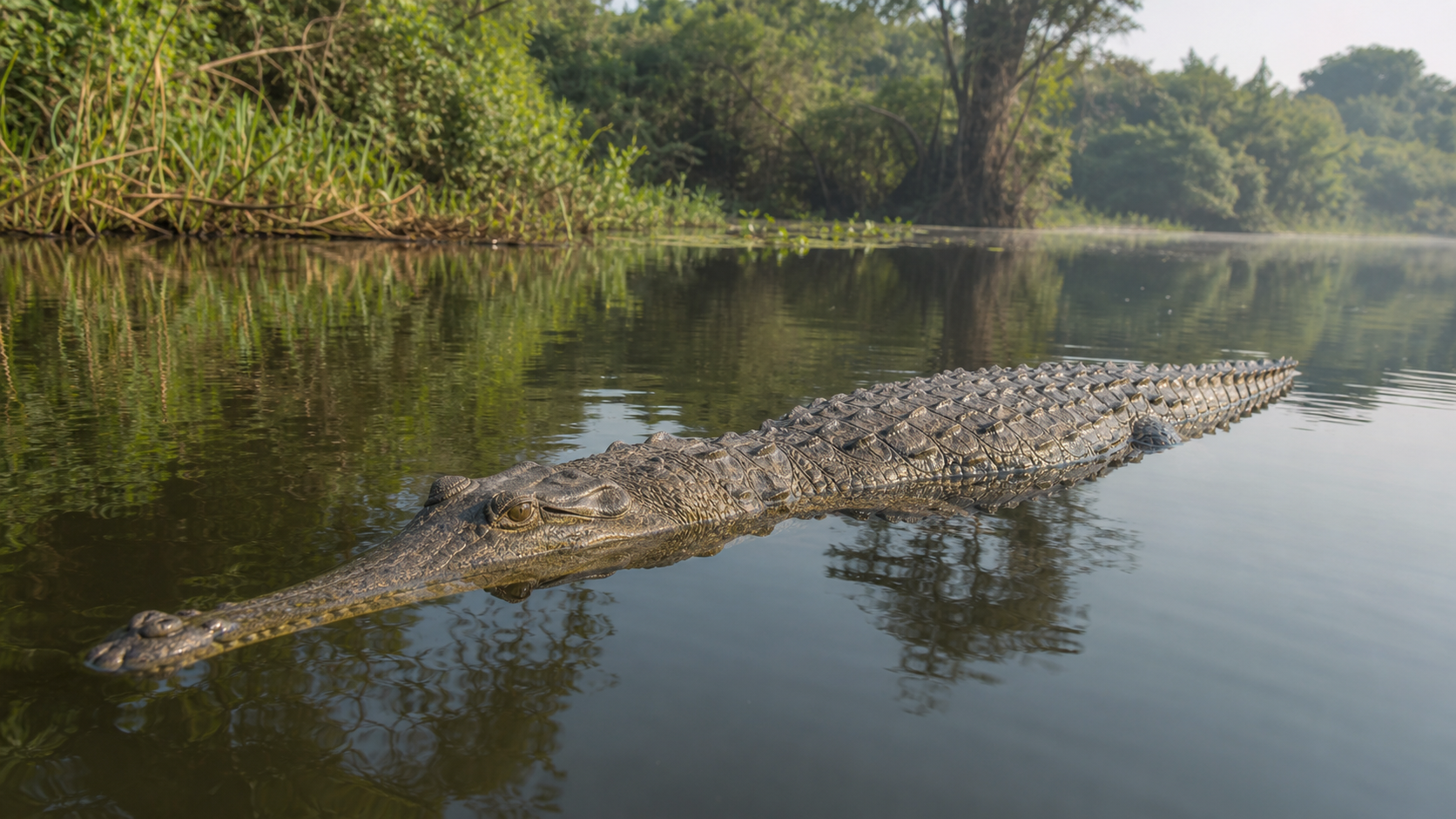
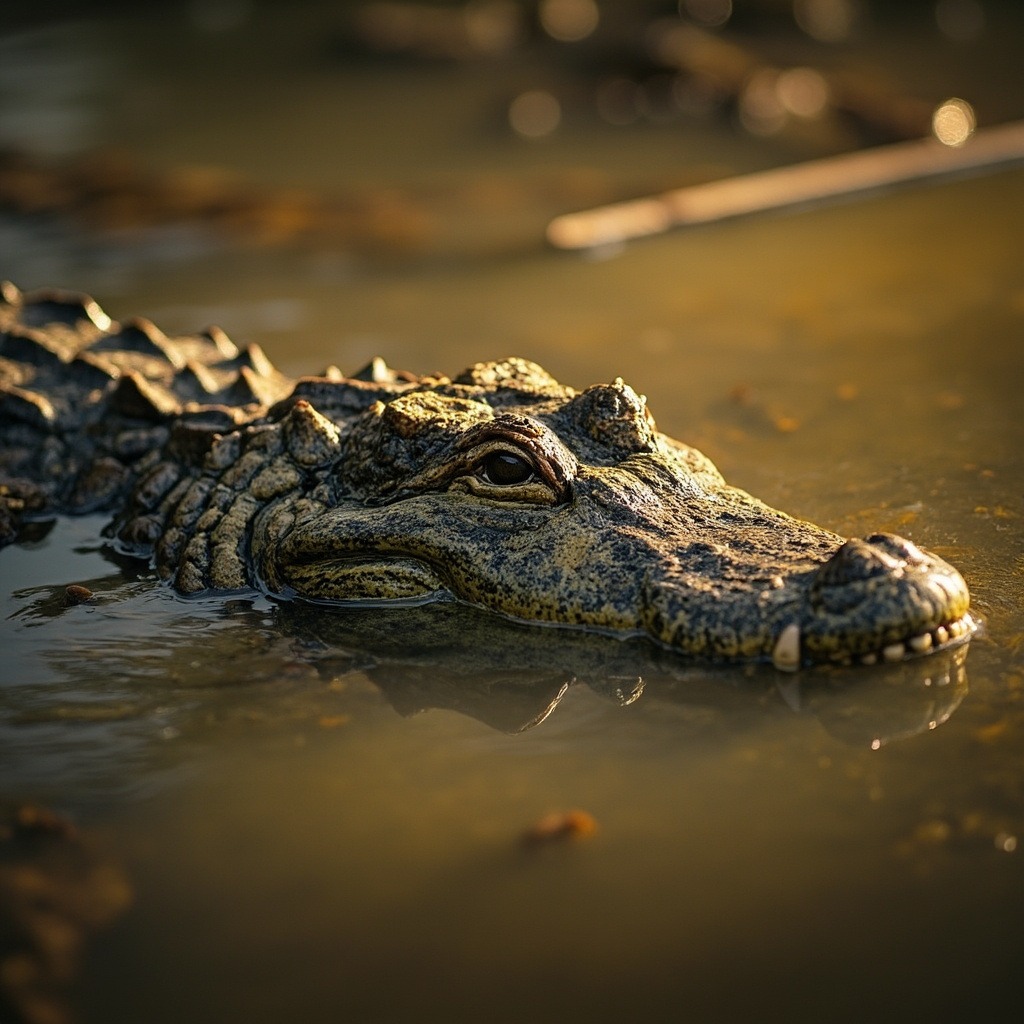
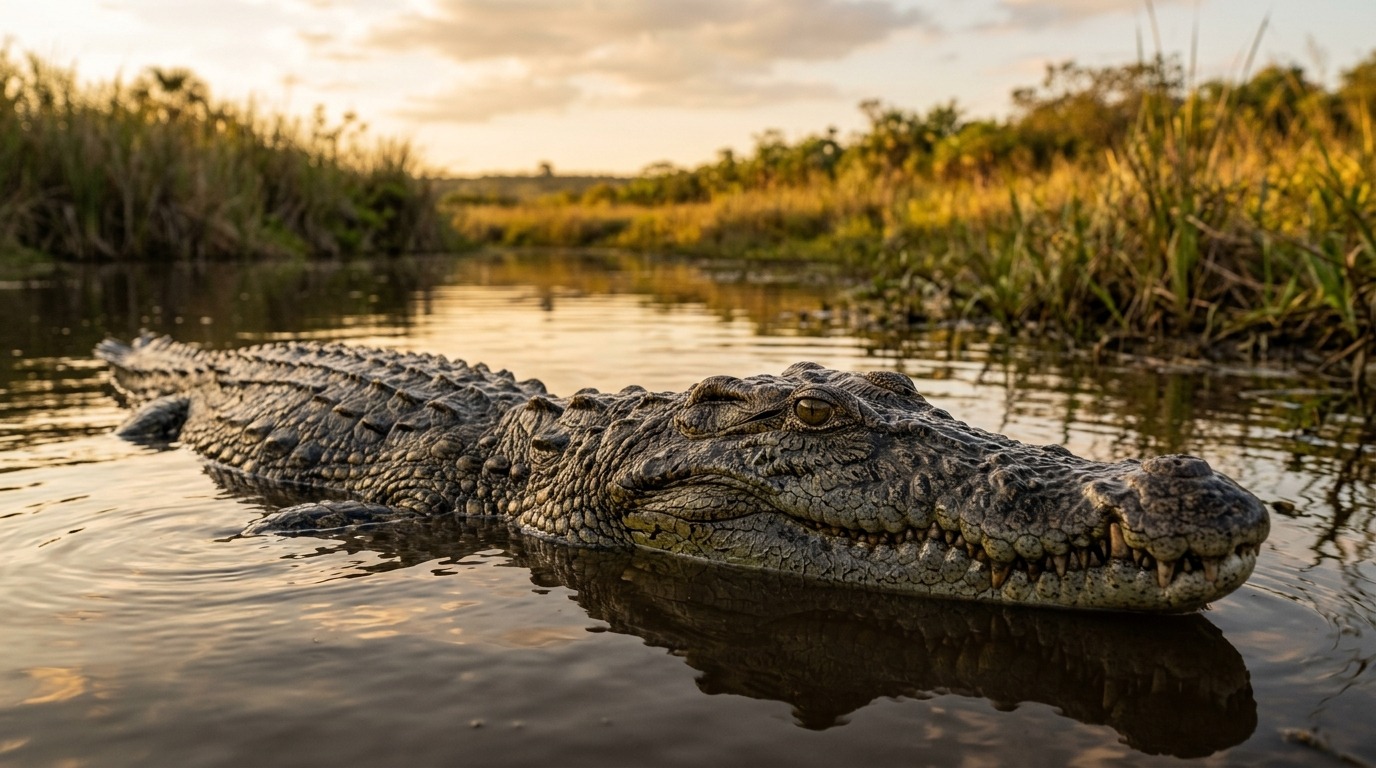
The Critically Endangered Orinoco crocodile (Crocodylus intermedius) is restricted to the Orinoco drainage of Venezuela and Colombia. It is one of the world’s rarest crocodilians and depends on rivers, seasonal waterways and suitable nesting banks within that basin.
Built for a river system
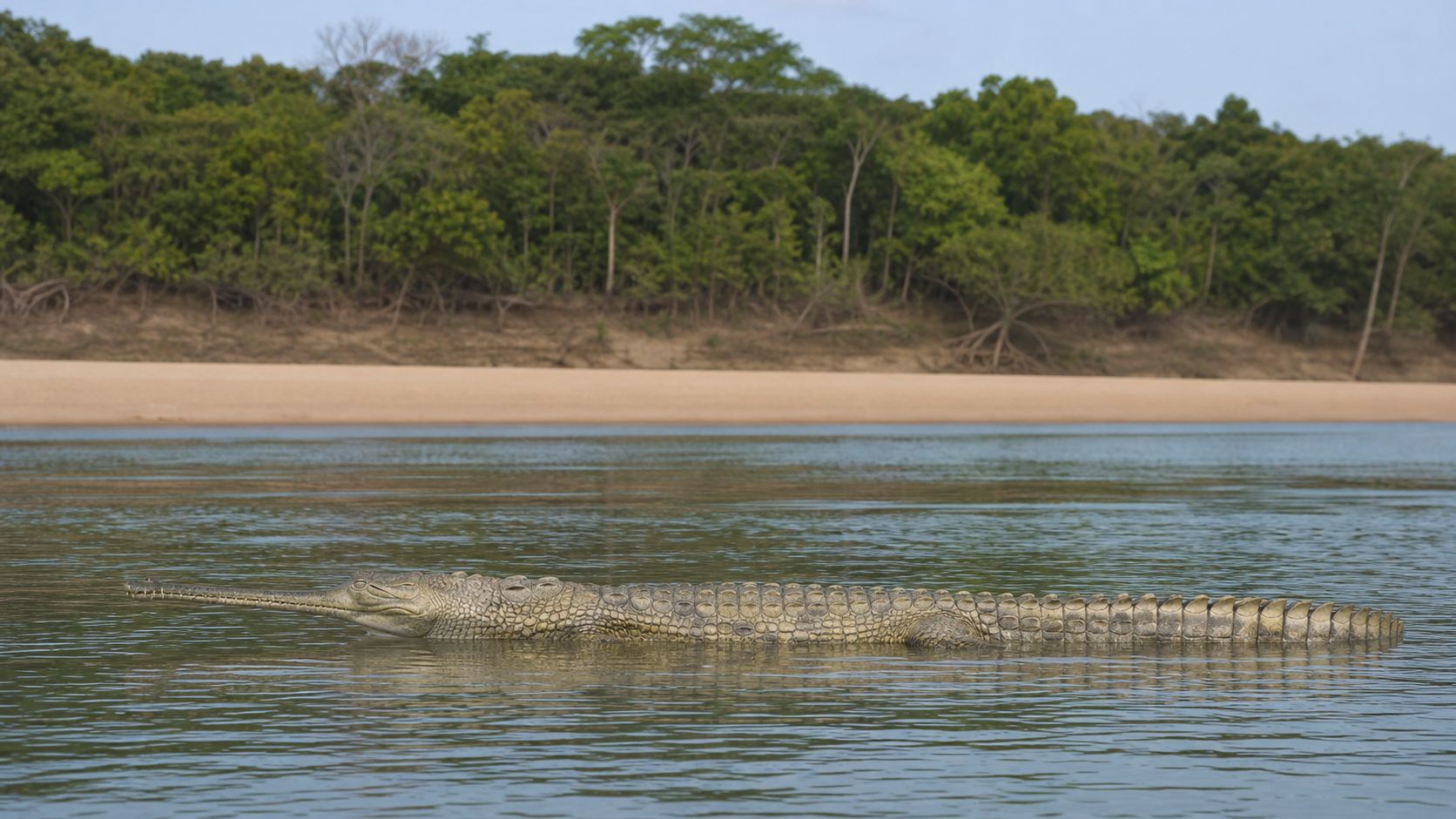
Its long, narrow snout is suited to catching aquatic prey. Young crocodiles eat insects, crabs, snails and other invertebrates; larger animals also take fish, birds and mammals. Reports of exceptional historic sizes should not be treated as a normal, verified maximum for the species.
Nesting and survival
At the end of the dry season, females lay roughly 15 to 70 eggs in sandy hole nests on sandbars or riverbanks. Successful nesting depends on water levels, nesting habitat and protection from disturbance. It is better to avoid unsupported claims about cooperative hunting, fixed social hierarchies or years of maternal care.
Conservation work
Conservation has included surveys, egg collection and rearing, captive breeding and release or reintroduction programs in parts of Venezuela and Colombia. Habitat protection and locally coordinated management remain critical because small populations are vulnerable to loss of breeding adults and nest sites.
Keep a safe distance
All crocodilians can injure people. Observe from a secure distance, never enter water where crocodiles may be present and follow local safety advice. Wildlife photography should never involve baiting, approaching nests or blocking an animal’s route to water.
River Cycles Shape Nesting Banks
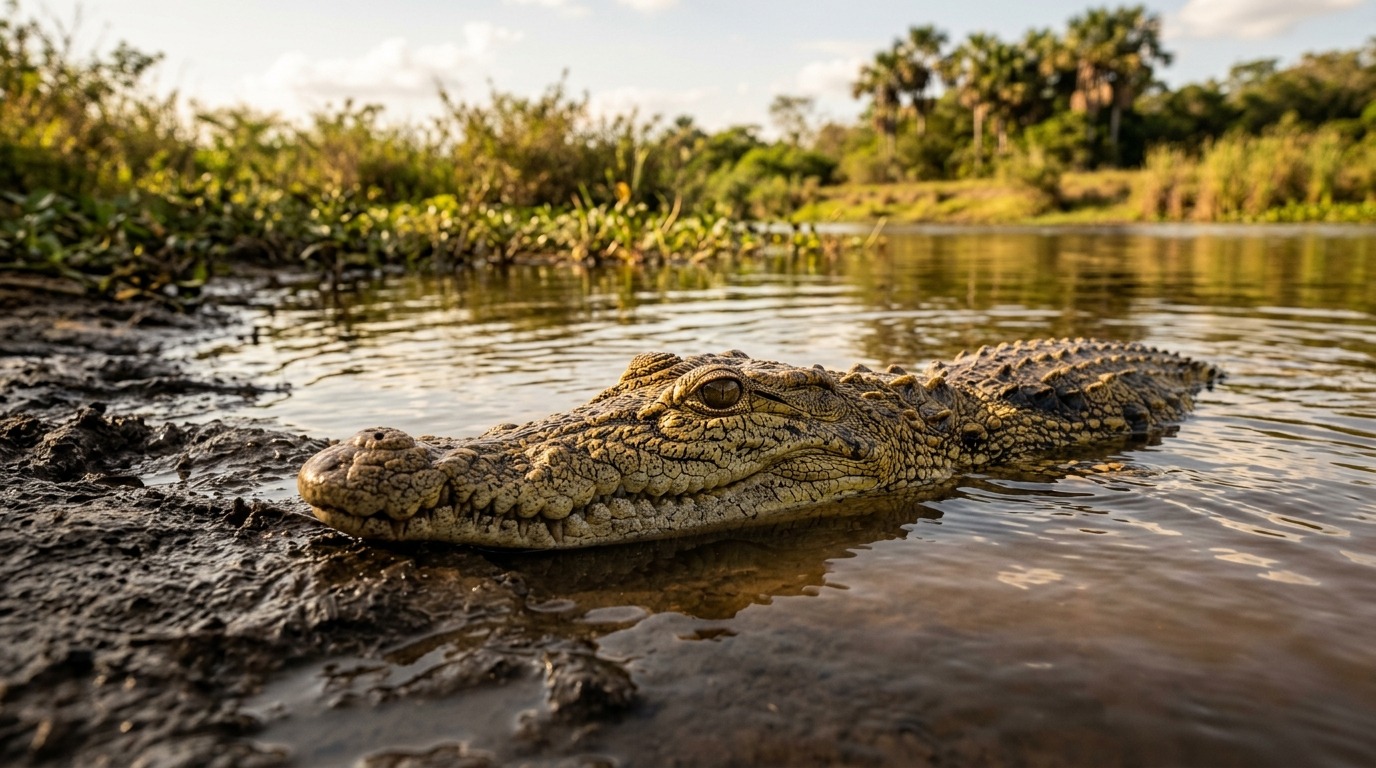
Suitable nesting ground is tied to the river’s seasonal rhythm. Sandbars and shorelines may be exposed during lower water, then altered or flooded when water rises. A bank that looks suitable on one visit may not provide the same conditions later in the year. Protection therefore needs to consider connected river reaches, nesting substrate and disturbance, rather than treating one visible sandbank as the whole habitat.
Released Young Need Time to Contribute
Head-starting and releases can support recovery, but a release total is not the same as a recovered wild population. Young crocodiles still need food, cover, suitable water and enough time to mature. Repeated surveys, nest records and evidence of breeding adults help teams assess whether conservation work is improving the population over the long term.
Local Knowledge Should Guide Visitors
River users should follow the advice of local authorities, protected-area staff and communities that know current water conditions. Boats, fishing activity and shoreline access can affect wildlife even without direct contact. Reporting an unusual sighting from a safe distance is more useful than trying to approach an animal for a closer look.
Sources and review notes
Reviewed 23 August 2026. Reptile biology is wonderfully variable. We have avoided turning one species, photograph or dramatic observation into a rule for an entire group, and we have used cautious wording where evidence or local conditions differ.
Reference starting points: The Reptile Database, The IUCN Red List of Threatened Species, and PubMed-indexed research. Conservation status, taxonomy and local laws can change, so check the linked databases and the relevant local authority for current information.
Spotted something we should revisit? Send Reptile Explorer a correction—thoughtful reader feedback is always welcome.