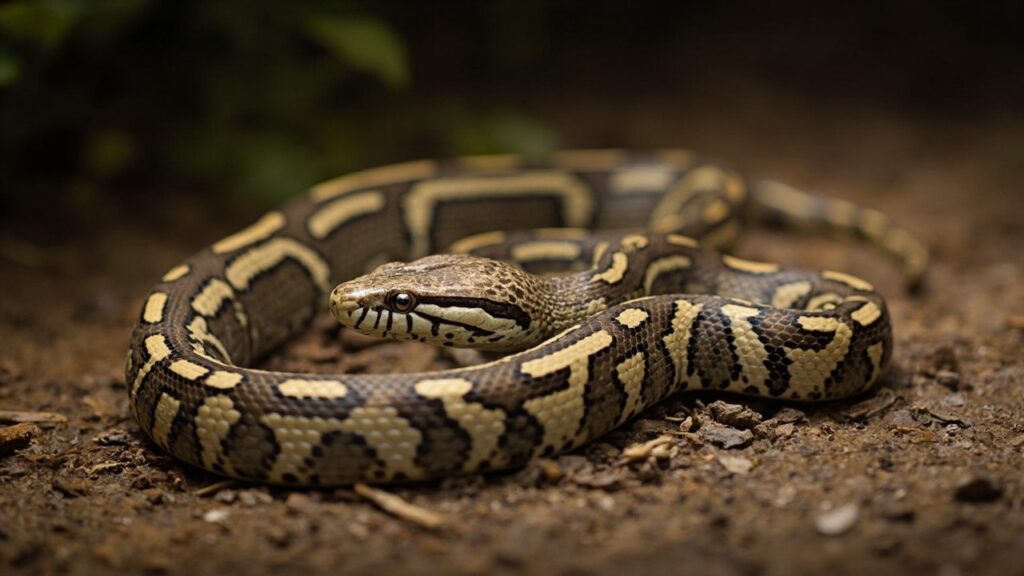
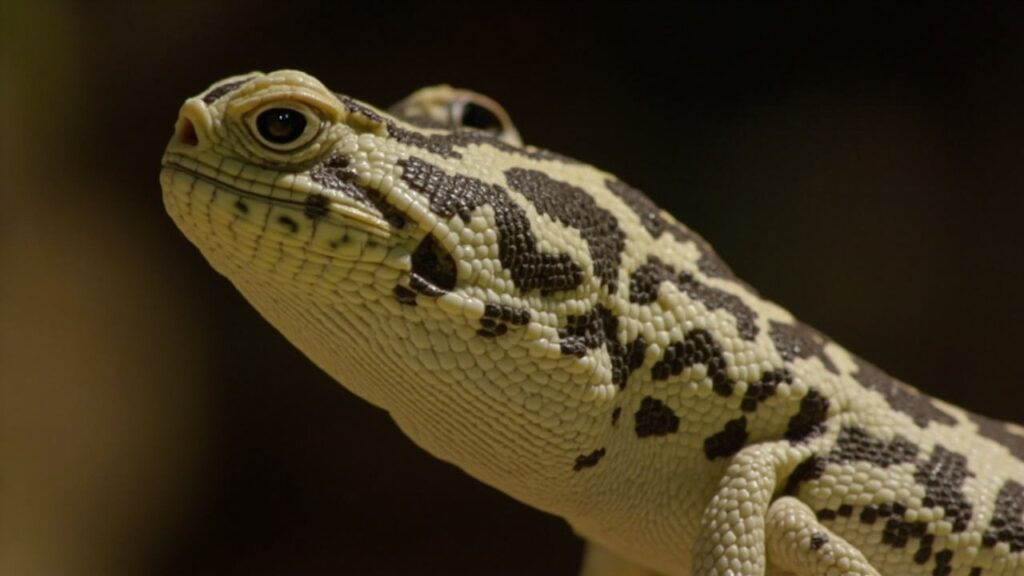
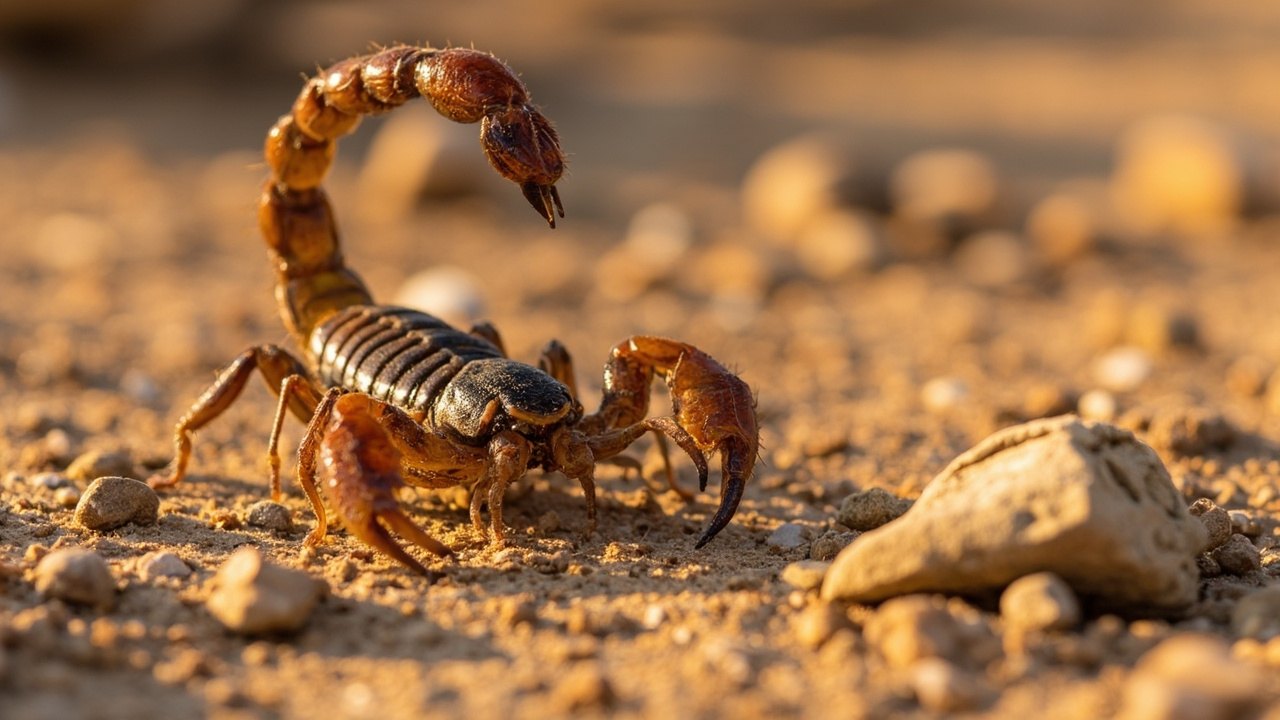
A scorpion’s size cannot tell you whether a sting is medically dangerous. Species, location, the amount of venom, the person’s body size and the symptoms all matter. Never use body size, color or claw shape as a field test for safety.
Why simple rules fail
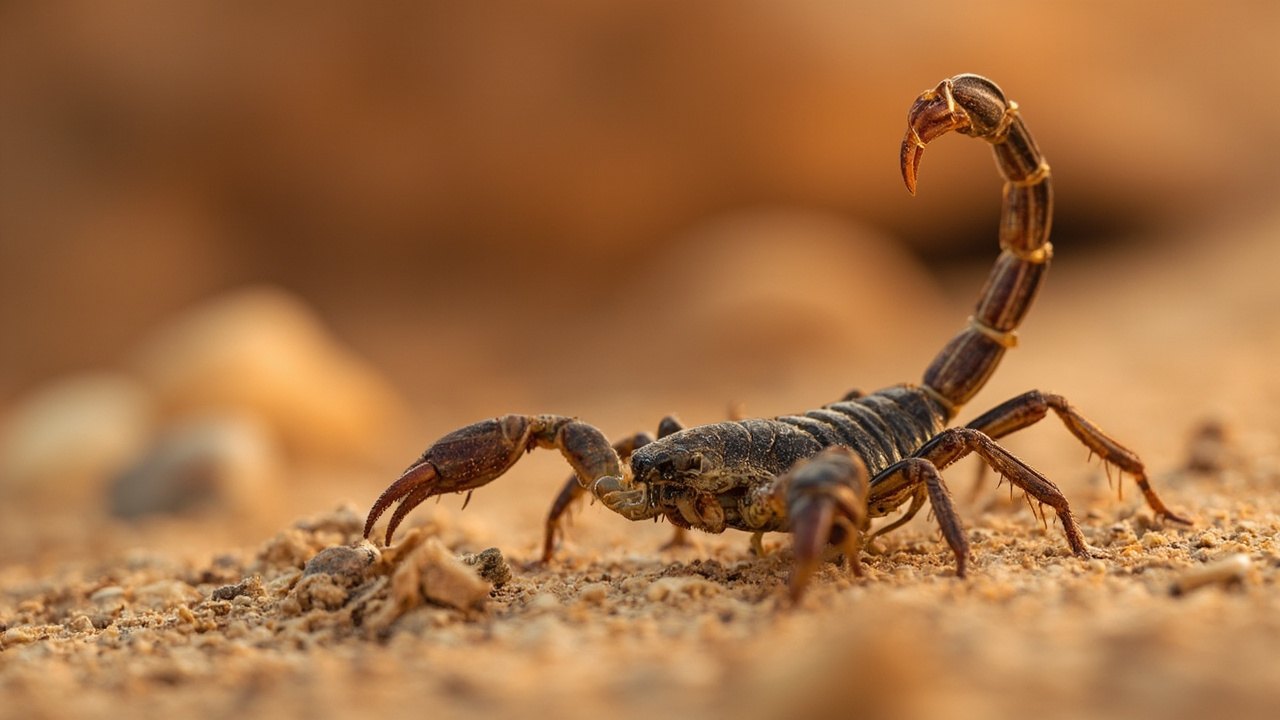
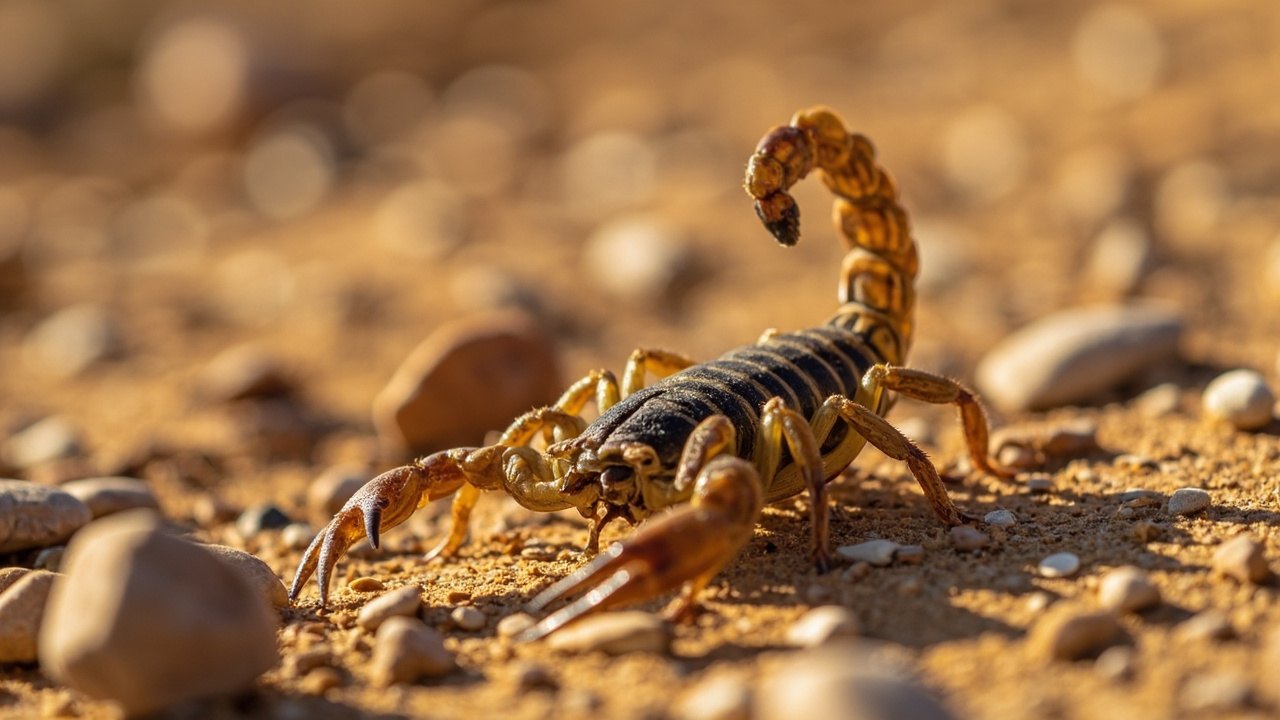
Comparative research has found broad patterns between body size, pincers and venom potency across some scorpion species, but those patterns cannot predict the risk from an individual animal or sting. A small scorpion is not automatically dangerous, and a large one is not automatically harmless.
If someone is stung
Wash the site with soap and water and seek local poison-center or medical advice. Urgent assessment is important for trouble breathing or swallowing, marked muscle movements, widespread neurologic symptoms, severe illness or concerning symptoms in a child. Antivenom decisions are made by clinicians for the species and symptoms involved, not by appearance alone.
Prevention
Shake out footwear and gloves left outside, use a light at night and avoid reaching into dark crevices. Do not try to catch a scorpion for identification if that would create another exposure. A clear photo taken from a safe distance may be more useful to local experts.
Respect local guidance
Scorpion risk differs greatly by region. Follow advice from local health authorities, poison services and wildlife agencies rather than relying on an online rule of thumb. Smaller body mass can mean a larger dose relative to body size, so children and vulnerable people deserve particular caution.
Location Changes the Advice
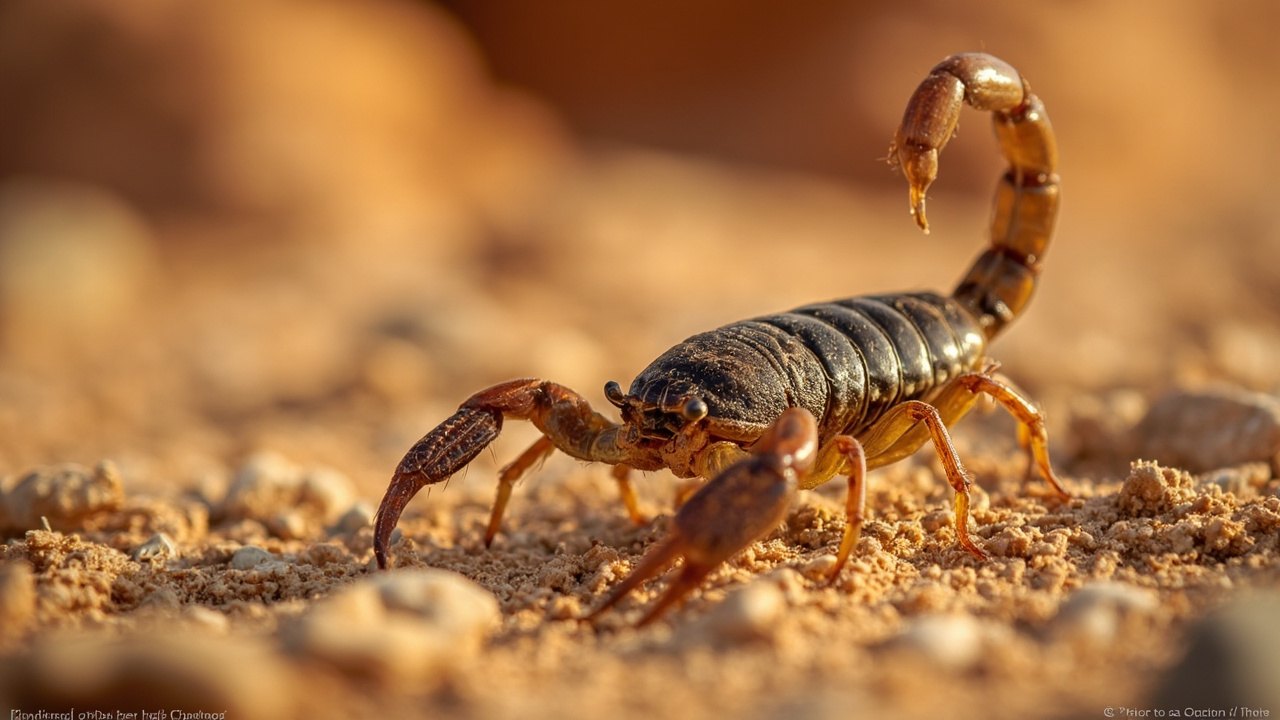
Scorpion species and medical services differ sharply by region. A rule learned in one country may be unsafe in another. Before travelling or working outdoors, find the current number for local poison advice or emergency care. Local experts can interpret a sighting or sting in a way that a general body-size rule cannot.
Leave the Animal a Route Away
Most encounters can be avoided by not placing hands or feet where the animal cannot be seen. If a scorpion is indoors, keep people and pets back and contact an appropriate local wildlife service when removal is needed. Do not attempt to trap it in a bare hand, provoke it into striking or use a close photograph as a reason to reduce distance.
Symptoms Matter More Than Appearance
After a sting, healthcare professionals consider the person, symptoms and likely local species. Rapidly changing symptoms, trouble breathing or swallowing, widespread muscle effects or severe illness need urgent care. Size, colour and claw shape do not replace that assessment.
Sources and review notes
Reviewed 23 August 2026. Scorpions are arachnids, not reptiles, but this myth belongs here because appearance-based “rules” can create the same dangerous confidence around many venomous animals. Body size is not a safe field test for an individual sting.
Reference starting points: comparative research on scorpion body size and venom potency, Poison Control guidance on scorpion stings, and PubMed-indexed envenomation research. Species, dose, symptoms and access to treatment all matter; follow local medical and poison-centre guidance.
Spotted something we should revisit? Send Reptile Explorer a correction—thoughtful reader feedback is always welcome.