The Chinese alligator, Alligator sinensis, is one of only two living alligator species. It is native to the lower Yangtze region of China, where its freshwater habitat includes wetlands, ponds, marshes, and slow-moving waterways. It should not be portrayed as an animal that lives throughout the main Yangtze River.

A restricted wetland specialist
Wild Chinese alligators persist in a small, fragmented portion of their historical range. Wetland loss, altered waterways, and human pressures make habitat protection central to their future. Captive breeding and release efforts are important, but they are not the same thing as a secure, connected wild population.
Why identification matters
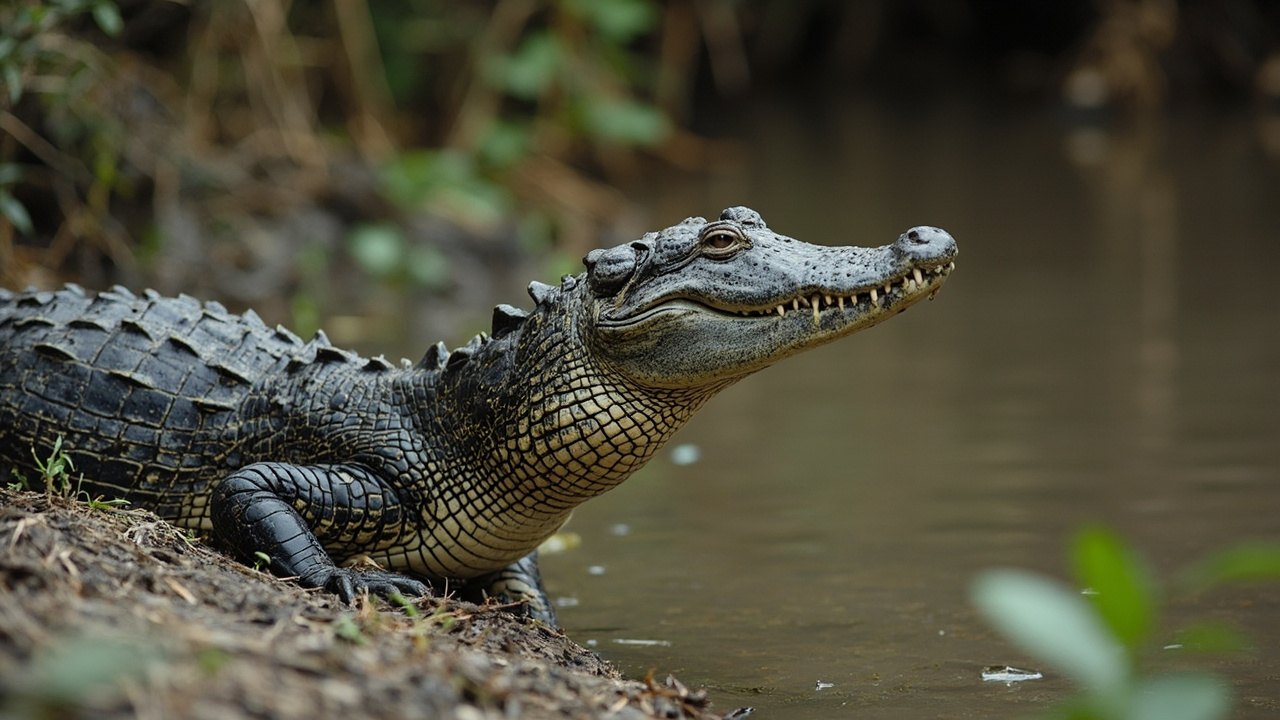
An unlabelled American alligator photo cannot stand in for a Chinese alligator. Accurate imagery should be species-verified and should show a freshwater-wetland context, not present the animal as a generic swamp predator.
Conservation without false precision
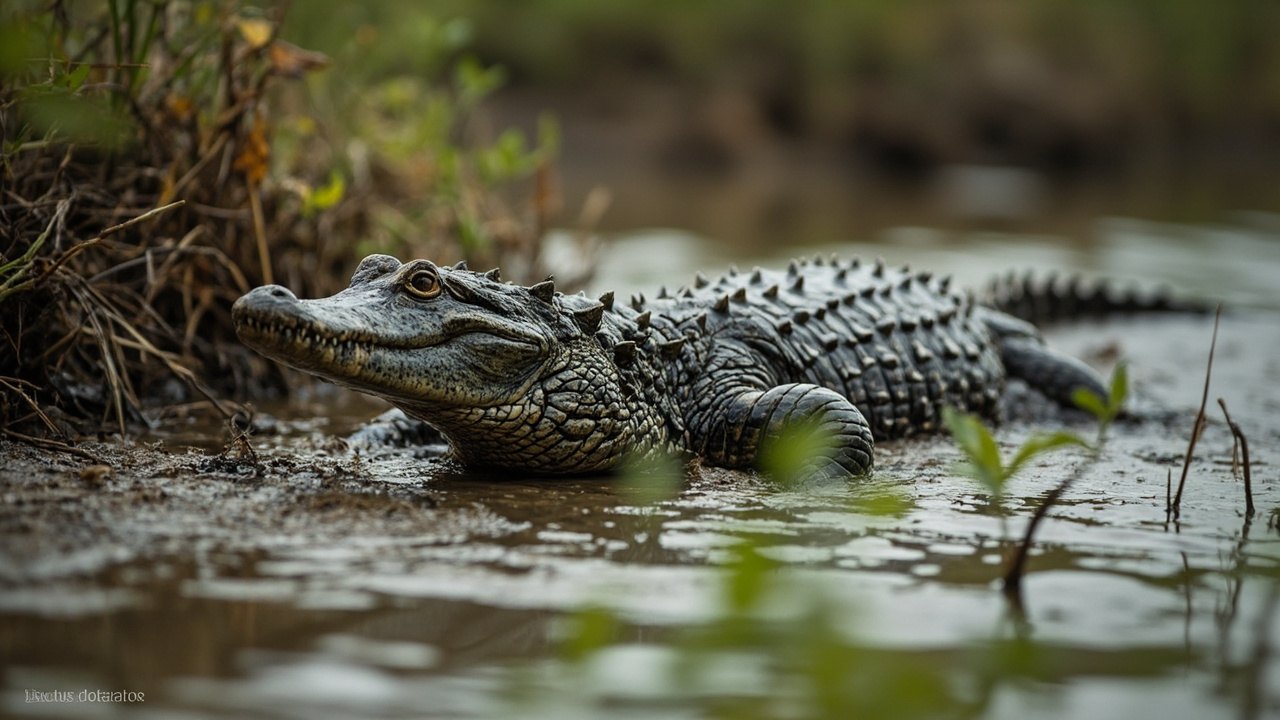
Population estimates and release-program results change over time. Responsible reporting distinguishes wild animals from animals in managed care and uses current, cited conservation assessments for numbers or status claims.
Winter Burrows Support Seasonal Dormancy
Chinese alligators, Alligator sinensis, become dormant during the cool season and use burrows on wetland banks. These burrows can provide more stable conditions than the surface, while also serving as refuge sites at other times of year. Wetland conservation therefore needs banks, suitable soil, water access and connected habitat, not only an open pond with a display sign.
Diet Links Alligators to Freshwater Food Webs
In slow freshwater habitats, Chinese alligators eat prey such as snails, crustaceans, insects, fish, young waterfowl and rodents. Diet changes with availability and the size of the animal. This broad feeding pattern does not mean every wetland can support the species. Water quality, vegetation, prey communities, winter refuges and safe movement between habitat patches all affect whether a site is usable.
Releases Need Long-Term Evidence
Captive breeding can preserve genetic material and supply animals for carefully planned releases, but a release alone does not establish a secure wild population. Monitoring needs to examine survival, reproduction, habitat condition and the connection between wetlands over time. Reporting should state whether numbers refer to animals in managed care, release projects or confirmed wild populations. Those categories answer different conservation questions.
Sources and review notes
Reviewed 23 August 2026. Conservation is rarely a one-step success story. We have kept the language specific about evidence, limits and local context, because a programme that helps one population may not transfer neatly to another.
Reference starting points: The IUCN Red List of Threatened Species, IUCN conservation-translocation guidelines, and the current CITES Appendices. Conservation status, taxonomy and local laws can change, so check the linked databases and the relevant local authority for current information.
Spotted something we should revisit? Send Reptile Explorer a correction—thoughtful reader feedback is always welcome.