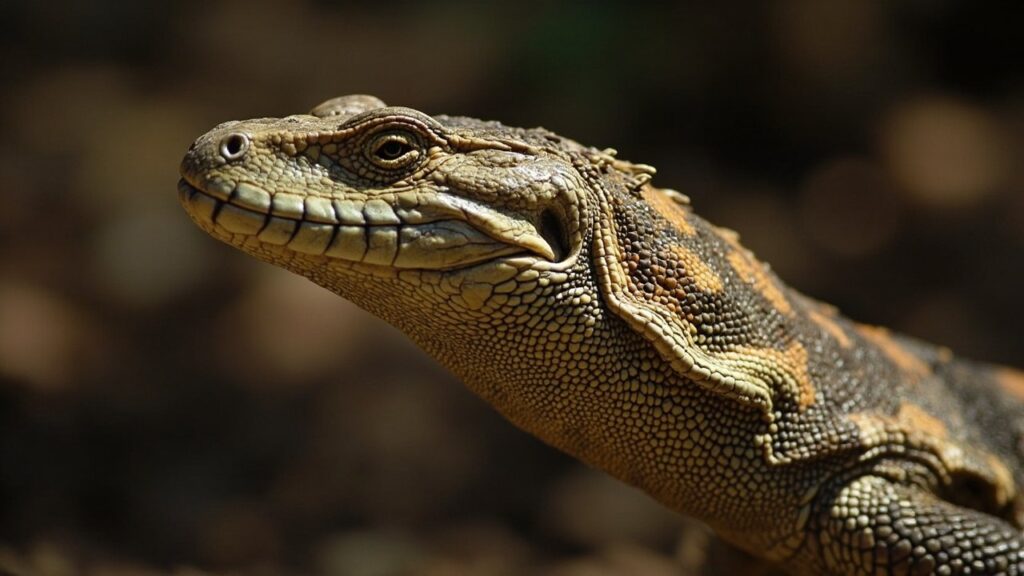
The armadillo girdled lizard, Ouroborus cataphractus (formerly Cordylus cataphractus), is a spiny lizard from South Africa. Its famous tail-gripping posture is a defensive response, not a hug, a sign of happiness, or an attempt to eat its own tail.

Why it curls up
When threatened, the lizard can curl into a ball and hold its tail in its mouth. This positions its heavily armoured scales outward and protects the softer underside of the body. The behaviour is an anti-predator strategy and may indicate that the animal feels unsafe.
What the name does and does not mean
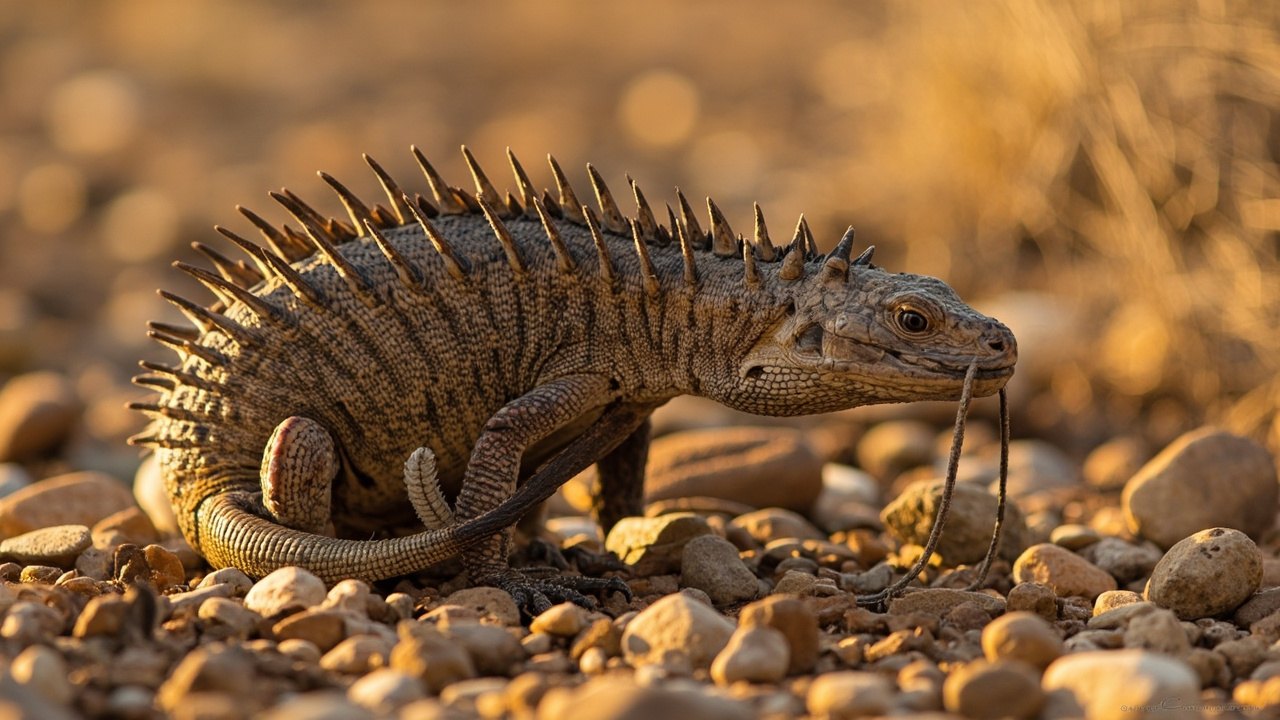
“Armadillo” refers to its armour-like appearance. It is a lizard, not a mammal, and it does not live permanently curled into a circle. The scientific name reflects the ouroboros-like outline created by the defensive posture.
Do not stage the behaviour
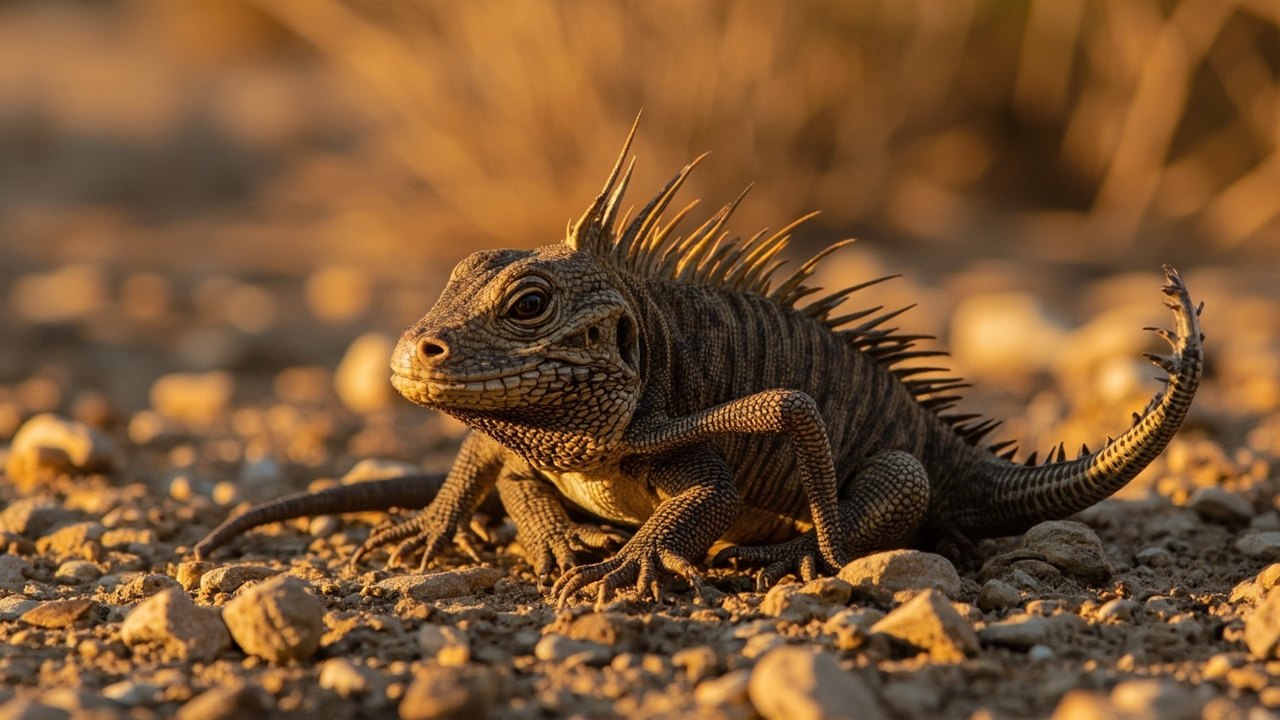
Wild animals should never be stressed into defensive positions for photographs. Any image used to explain this species should be verified and should describe the pose as defence rather than affection.
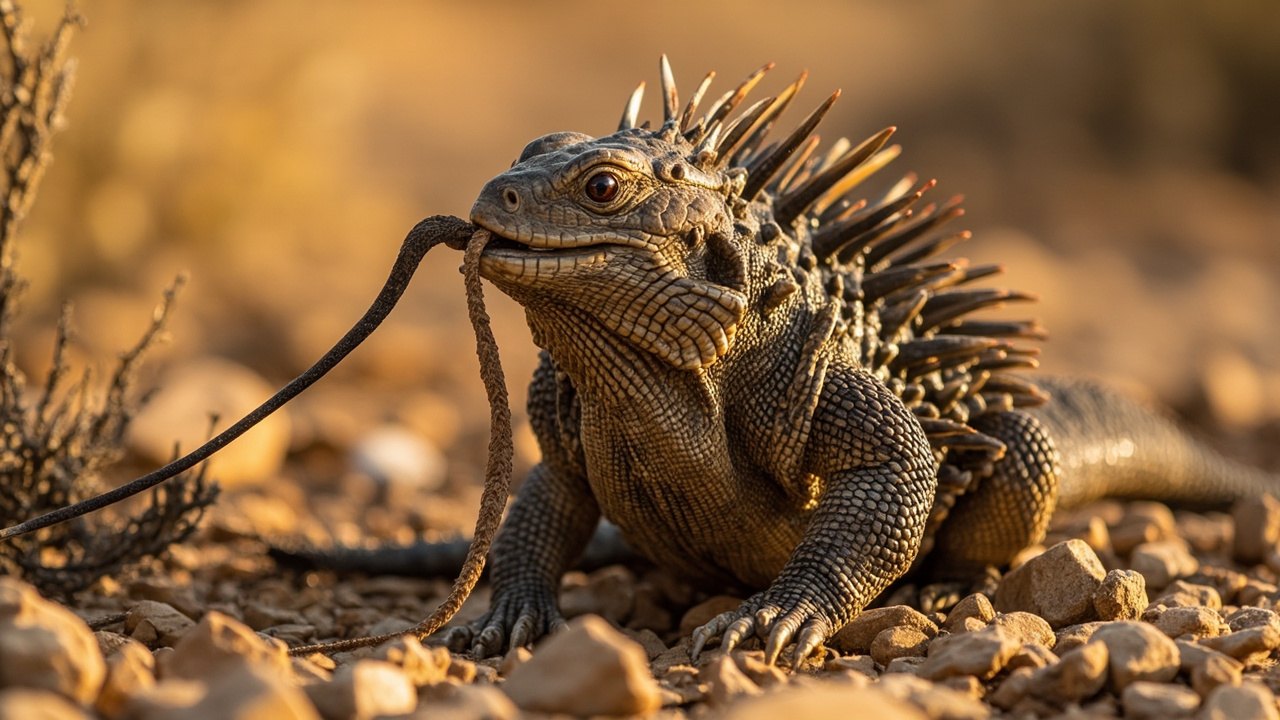
Armour Has a Living Structure
The armour of Ouroborus cataphractus includes osteoderms, bony structures within the skin, beneath robust outer scales. These tissues help protect the upper body when the lizard curls, while the tail-gripping posture shields the softer underside. Armour does not make the animal invulnerable. The lizard still needs shelter, food, suitable temperatures and freedom from repeated disturbance.
Rock Crevices Are Part of the Habitat
Armadillo girdled lizards use rock cracks and crevices as refuge. Those spaces provide protection from predators and weather, and they affect where an animal can rest and become active. A loose rock pile is not automatically suitable habitat if it lacks stable crevices, surrounding forage or the local conditions used by the species. Removing rocks for photographs or souvenirs can reduce shelter for several animals at once.
Defensive Poses Are Welfare Signals
A curled lizard is responding to perceived danger, not volunteering for a demonstration. Captive keepers should avoid repeatedly provoking the posture to check whether it occurs. Wild observers should not pick up the animal or block access to cover. Natural behaviour is easier to interpret when the lizard can choose whether to remain visible, retreat into a crevice or move away without pressure.
Sources and review notes
Reviewed 23 August 2026. Reptile biology is wonderfully variable. We have avoided turning one species, photograph or dramatic observation into a rule for an entire group, and we have used cautious wording where evidence or local conditions differ.
Reference starting points: The Reptile Database, The IUCN Red List of Threatened Species, and PubMed-indexed research. Conservation status, taxonomy and local laws can change, so check the linked databases and the relevant local authority for current information.
Spotted something we should revisit? Send Reptile Explorer a correction—thoughtful reader feedback is always welcome.