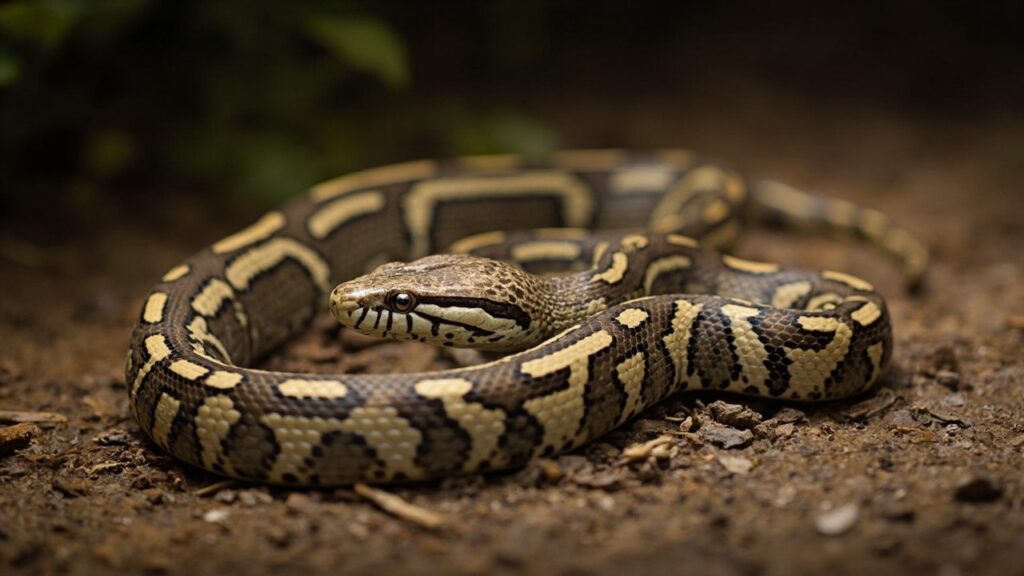
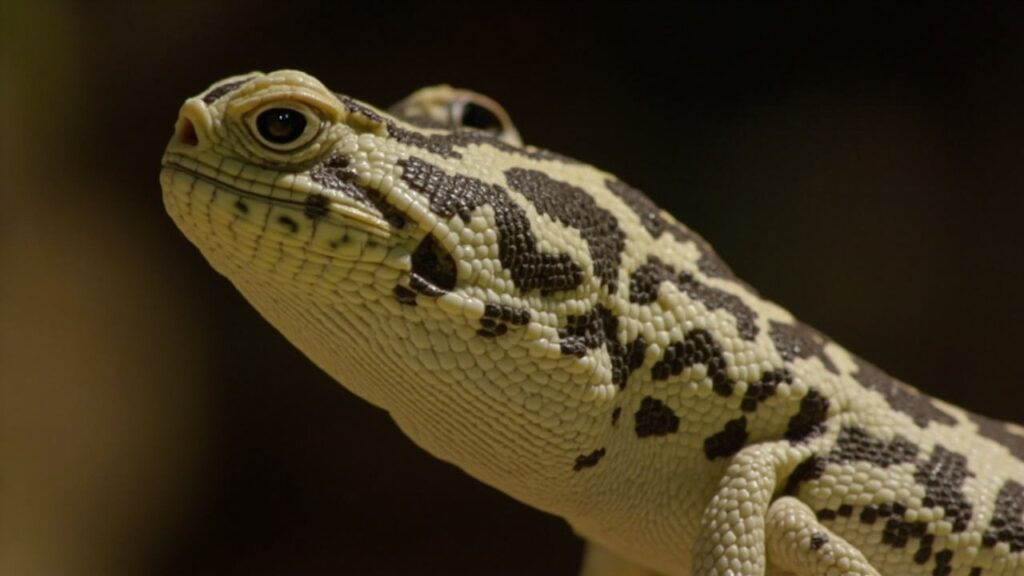
Many lizards can shed part of the tail as an escape response, a process called autotomy. It is not a universal lizard trait, and it is not a painless or consequence-free trick. Tail loss can affect movement, energy reserves, social signalling, and a pet’s health.

What grows back?
A regrown tail can contain new skin, muscle, nerves, and supporting tissue, but it is usually not a perfect replica. In many species the new internal support is a cartilage structure rather than a reconstructed series of vertebrae. The replacement may differ in length, colour, scales, shape, or function.
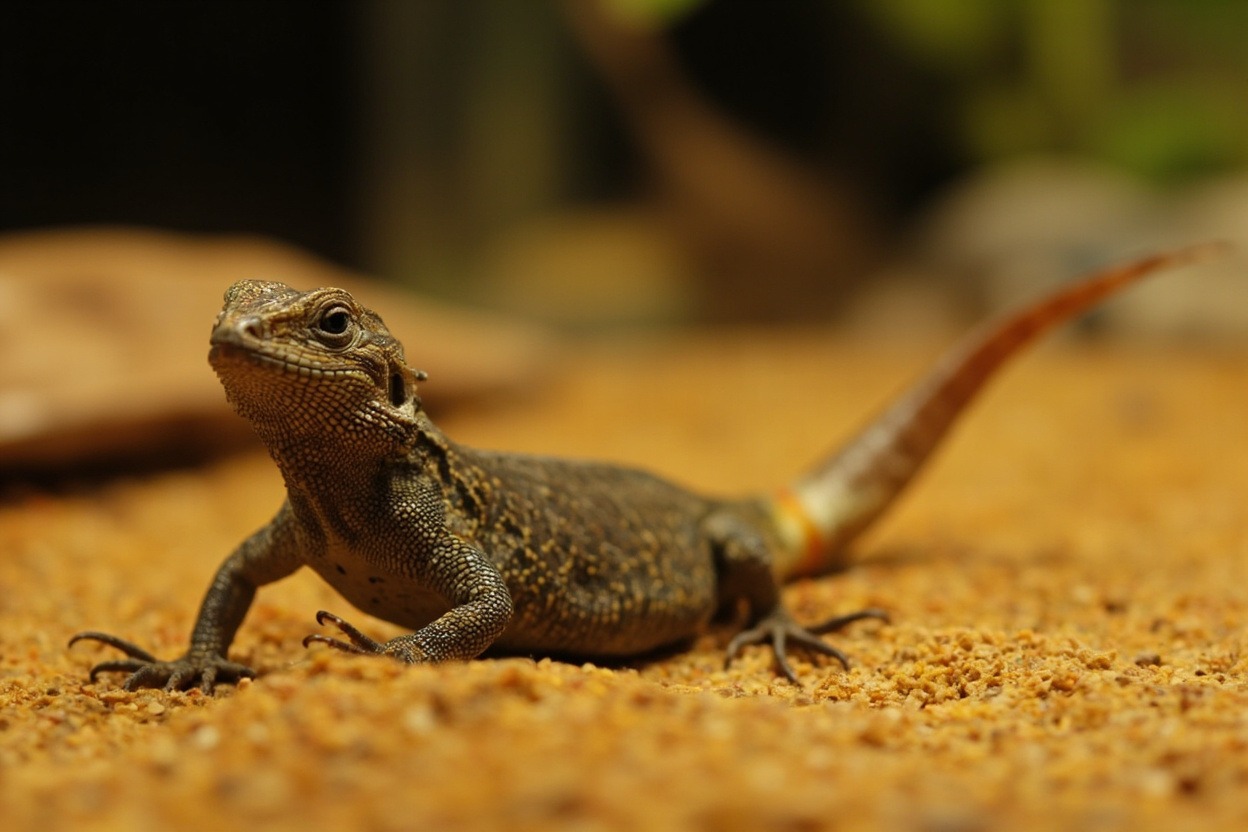
Why it should never be induced
Autotomy is an emergency escape mechanism, not a handling technique or a photo opportunity. Grabbing a lizard by the tail can cause injury and severe stress. A lizard that loses a tail should be given appropriate care and, when needed, assessed by a reptile-experienced veterinarian.
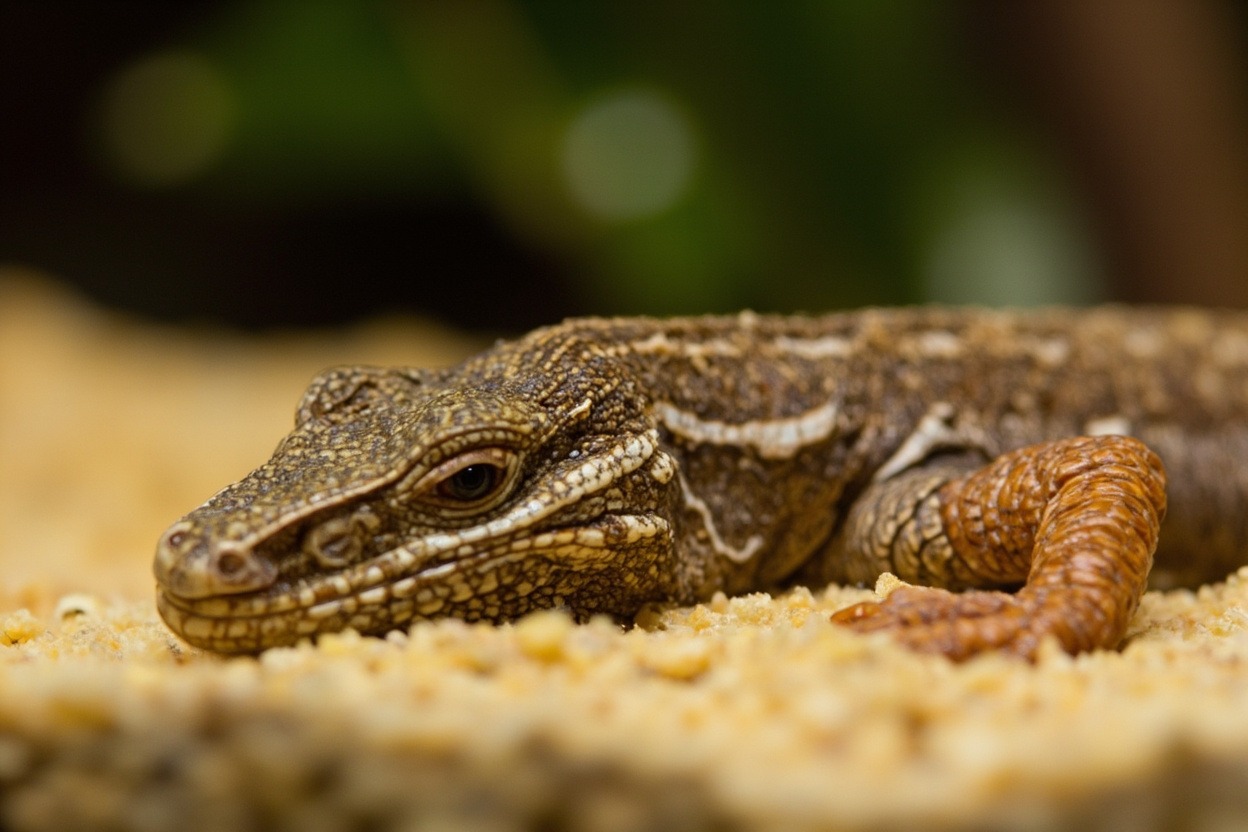
A better way to describe regeneration
Regeneration restores useful tissue, but it does not make an identical new tail instantly. Species, age, health, injury site, and living conditions all affect the outcome.
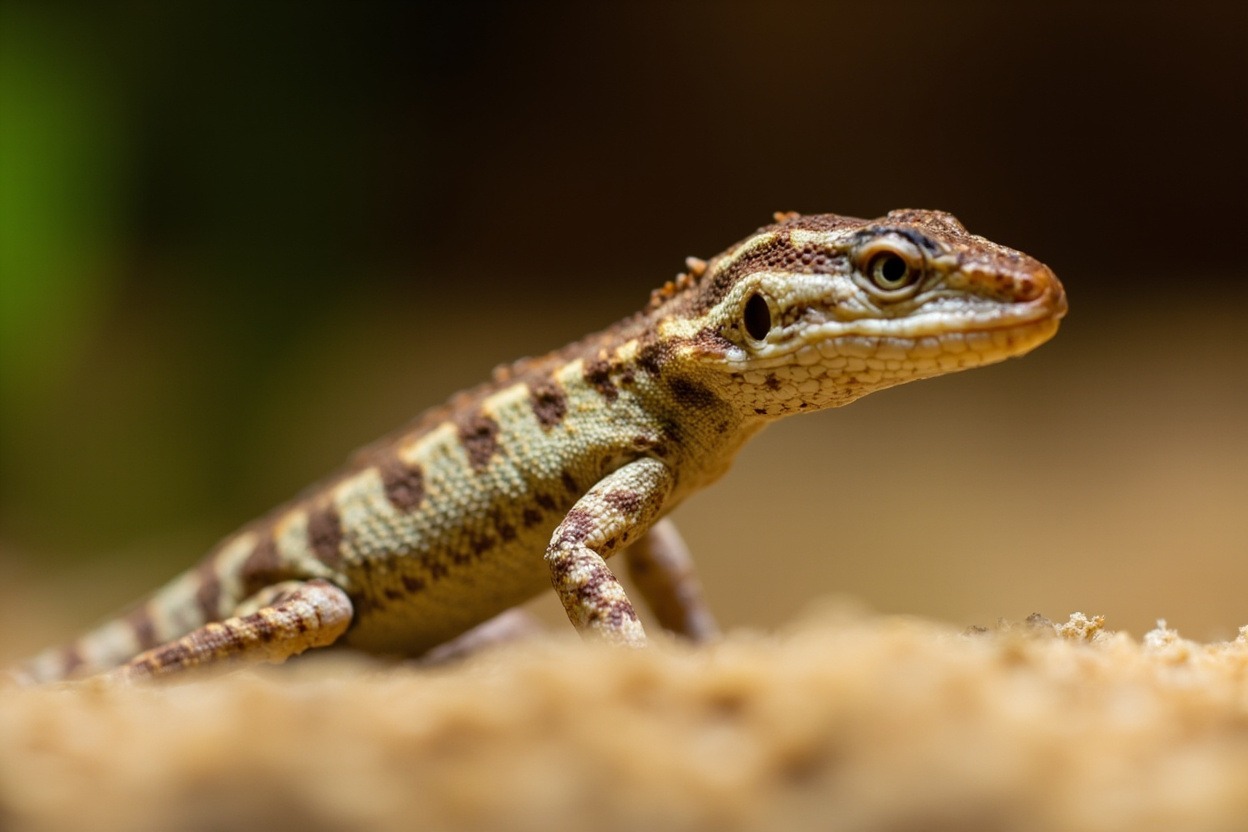
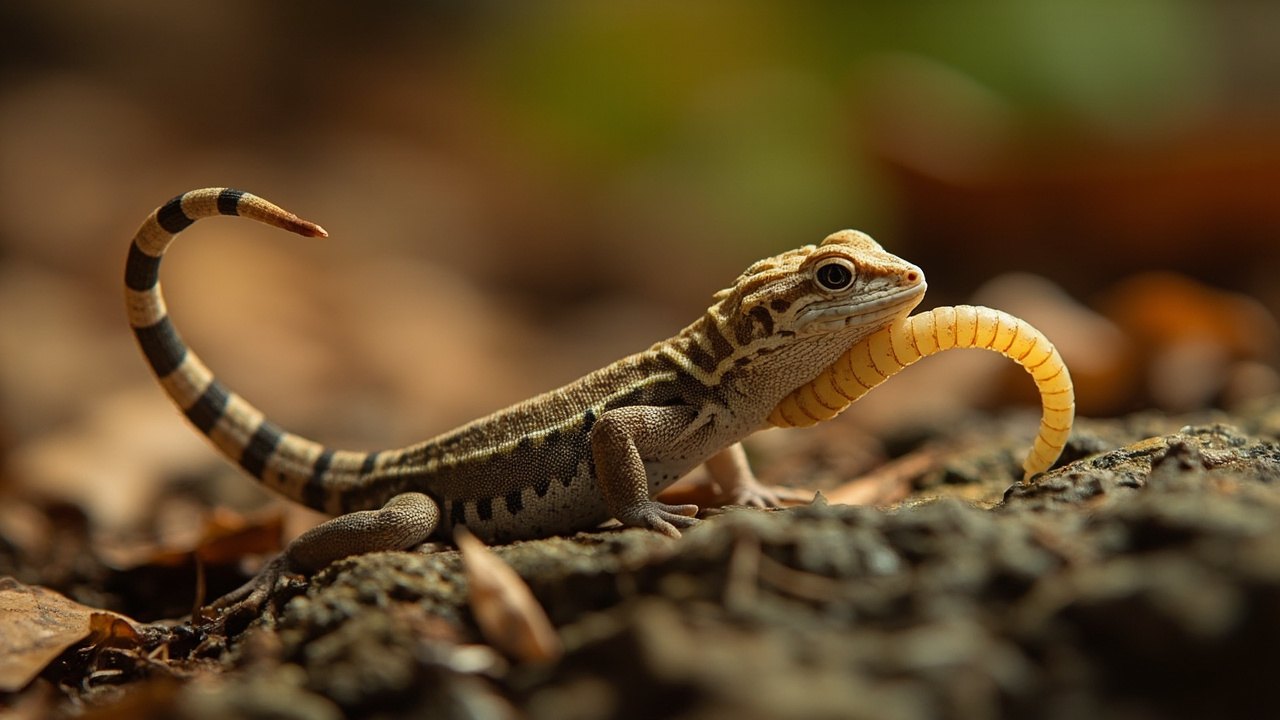
Not Every Lizard Can Shed a Tail
Caudal autotomy occurs in many lizard species, but it is not universal. In species that can shed a tail, specialised fracture planes and tissues help limit damage at particular points along the original tail. A broken tail caused by injury is not always the same as a controlled escape response. Any tail wound, bleeding, swelling or exposed tissue warrants careful husbandry review and veterinary advice.
The Detached Tail Can Keep Moving
After autotomy, the separated tail may twitch for a short time because nerves and muscles continue to produce movement. This can distract a predator while the lizard escapes. It is not evidence that the tail feels independently or that the animal should be made to drop another one. The loss still requires energy for healing and may change movement, escape ability and social signalling.
Regrowth Has Biological Limits
A replacement tail can restore useful length and tissue, but it usually has a cartilage support rather than a rebuilt series of vertebrae. Its colour, scale pattern, shape and function can differ from the original. Regeneration rate also varies with species, age, nutrition, temperature, injury site and health. A healthy enclosure and minimal handling help recovery, but they do not guarantee an identical tail.
Sources and review notes
Reviewed 23 August 2026. Reptile biology is wonderfully variable. We have avoided turning one species, photograph or dramatic observation into a rule for an entire group, and we have used cautious wording where evidence or local conditions differ.
Reference starting points: The Reptile Database, The IUCN Red List of Threatened Species, and PubMed-indexed research. Conservation status, taxonomy and local laws can change, so check the linked databases and the relevant local authority for current information.
Spotted something we should revisit? Send Reptile Explorer a correction—thoughtful reader feedback is always welcome.