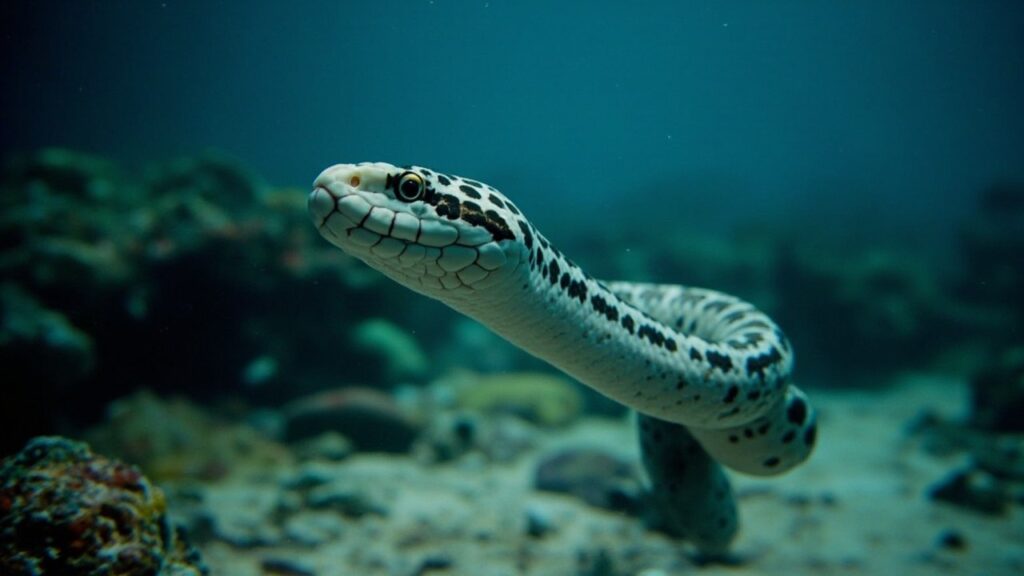
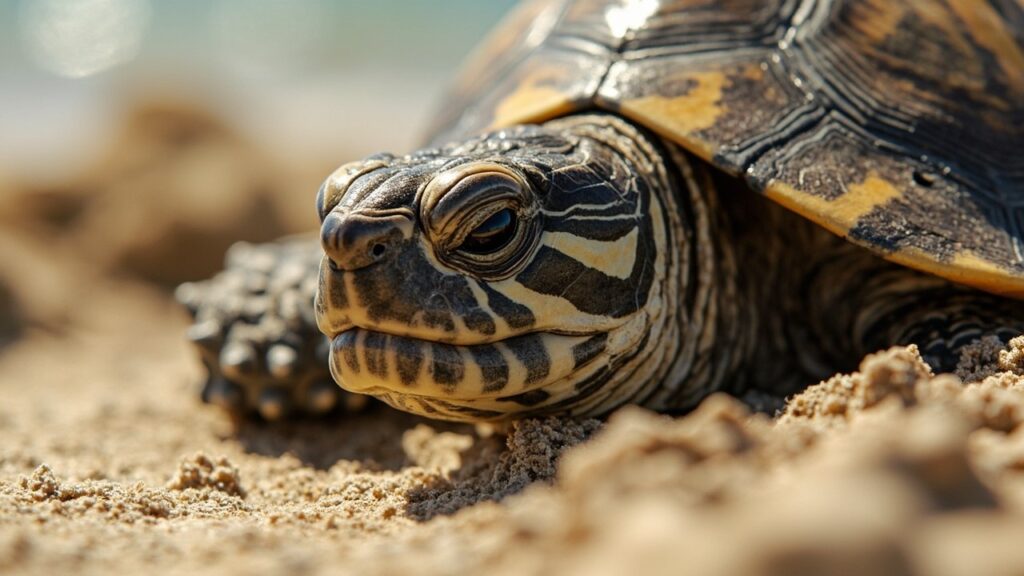
This article focuses on Cuvier’s dwarf caiman, Paleosuchus palpebrosus, one of the smallest living crocodilians. The term dwarf caiman can also refer to the smooth-fronted caiman, so naming the species matters. Cuvier’s dwarf caiman occurs across parts of northern and central South America, including Amazon and Orinoco drainages.
Habitat is varied
Cuvier’s dwarf caimans use forest streams, flooded forest, swamps, ponds and other freshwater habitats. They are not simply an Orinoco floodplain specialist, and they can occur alongside other caiman species where habitat conditions allow. Local water level, cover and prey availability influence where an individual is found.

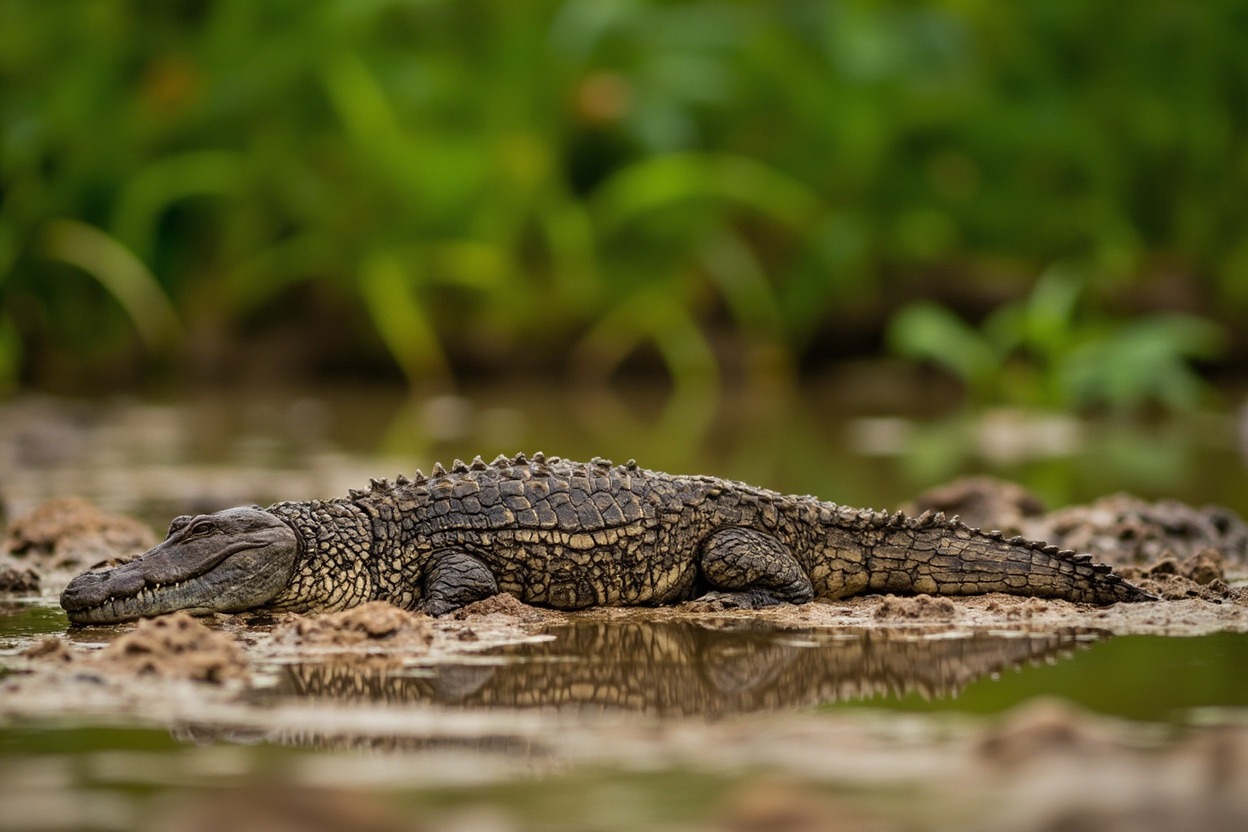
A small crocodilian with a broad diet
Juveniles commonly take insects and other small invertebrates. Larger animals eat a wider range of prey, including fish, crustaceans, amphibians and small vertebrates. As a predator, the species contributes to food-web dynamics, but claims that it alone controls an entire floodplain overstate the available evidence.
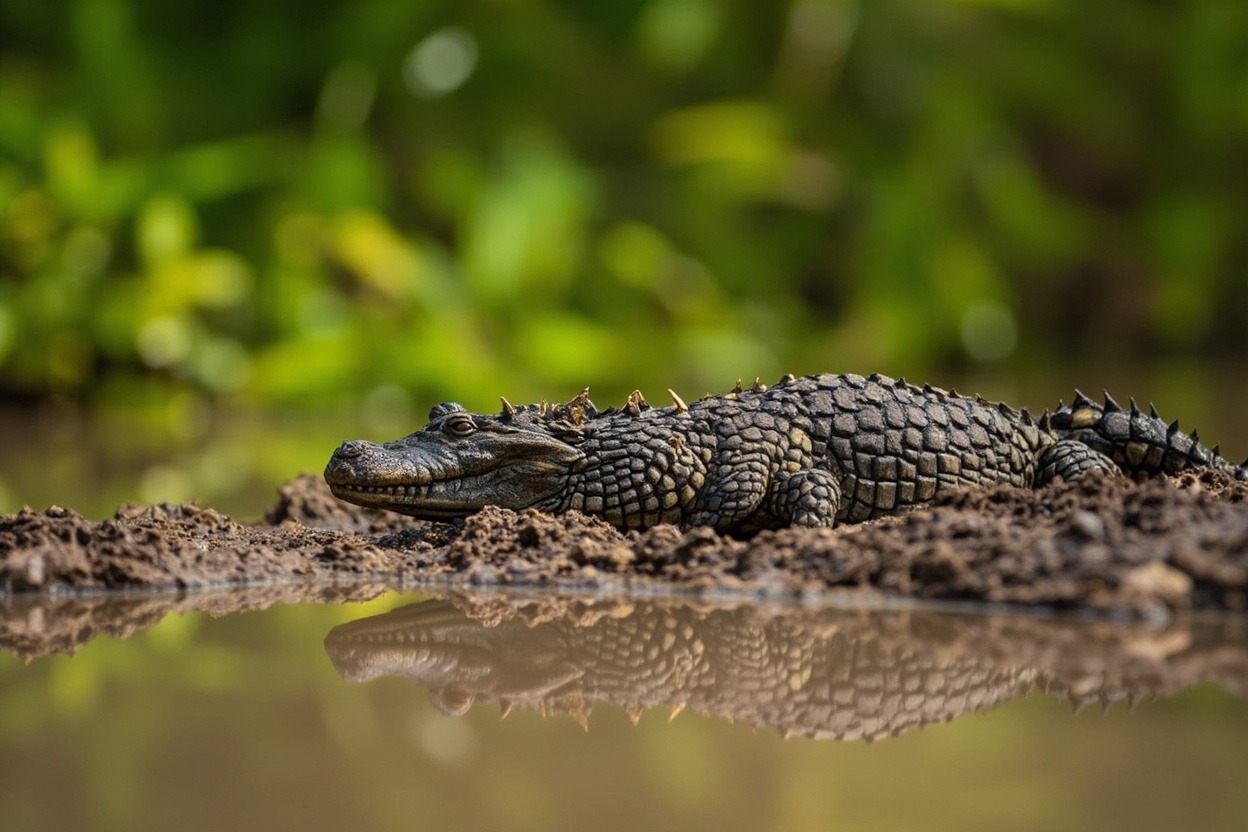
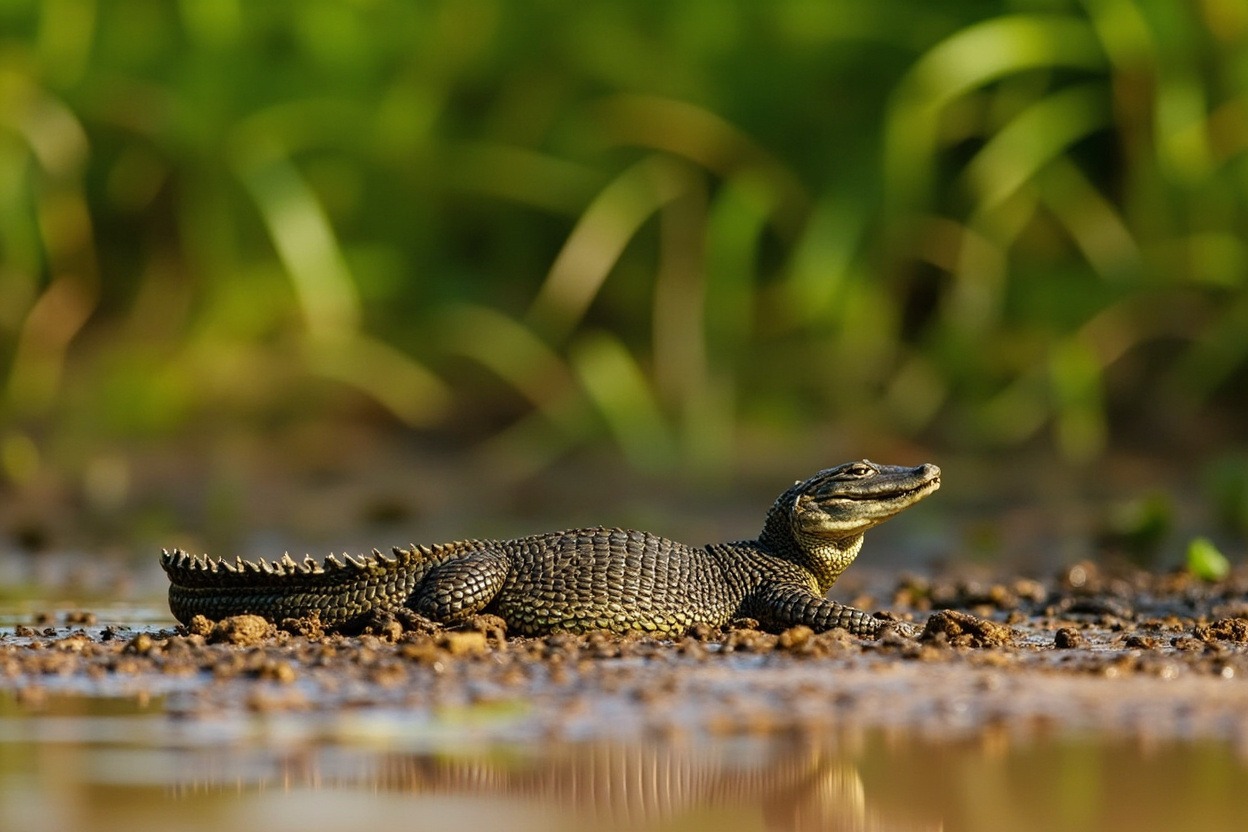
Nesting and seasonal behaviour
Females build vegetation-and-debris mound nests and guard them during incubation. Nest location, clutch size and timing vary with locality and conditions. Some populations in seasonally dry regions use burrows and may show periods of reduced activity; that should not be generalised as an Orinoco-wide behaviour.
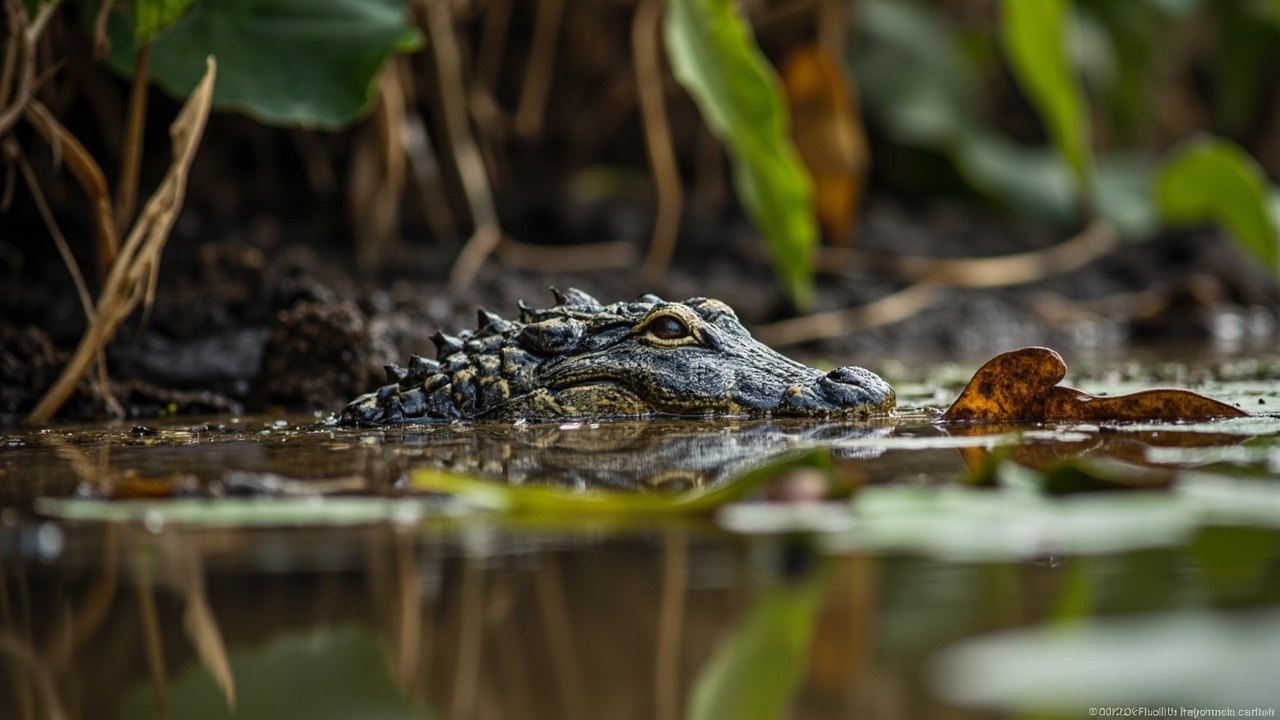
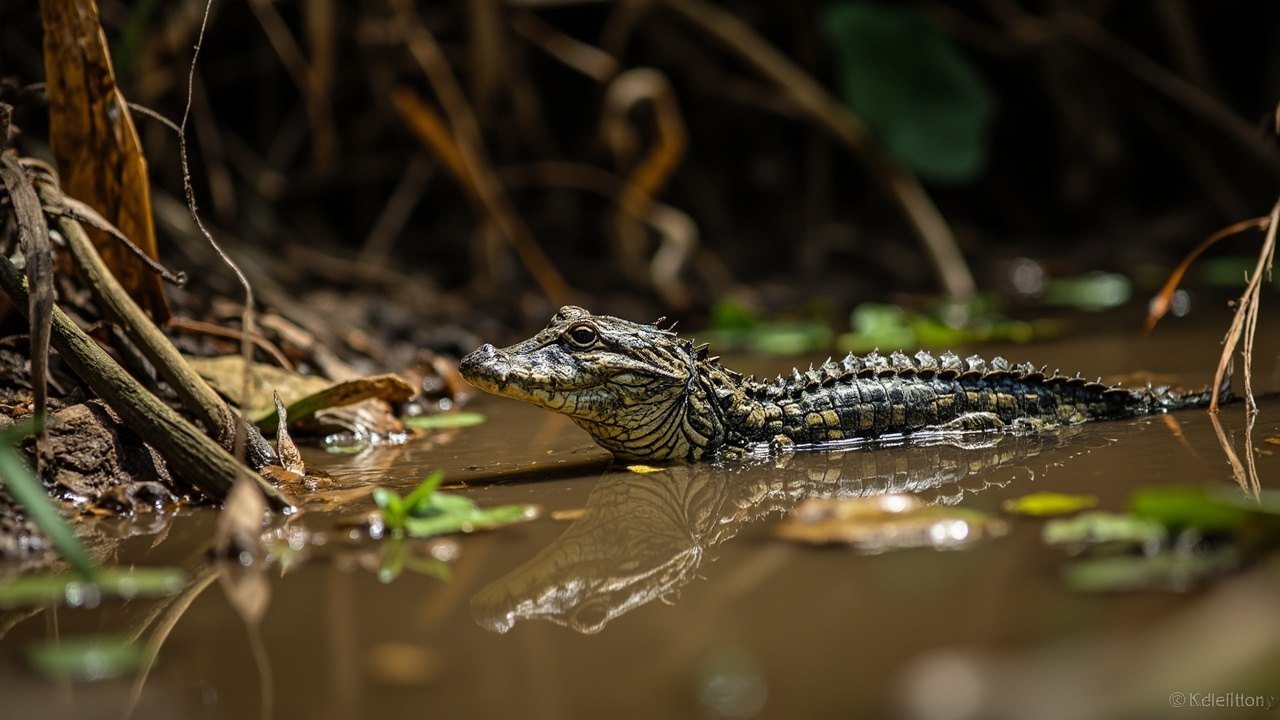
Conservation without exaggeration
Habitat conversion, contamination, hunting pressure and local collection can affect caiman populations. Protecting freshwater habitat and reducing conflict with people benefit many species at once. Accurate conservation messaging should distinguish Cuvier’s dwarf caiman from other caimans and avoid unsupported claims about its ecosystem role.
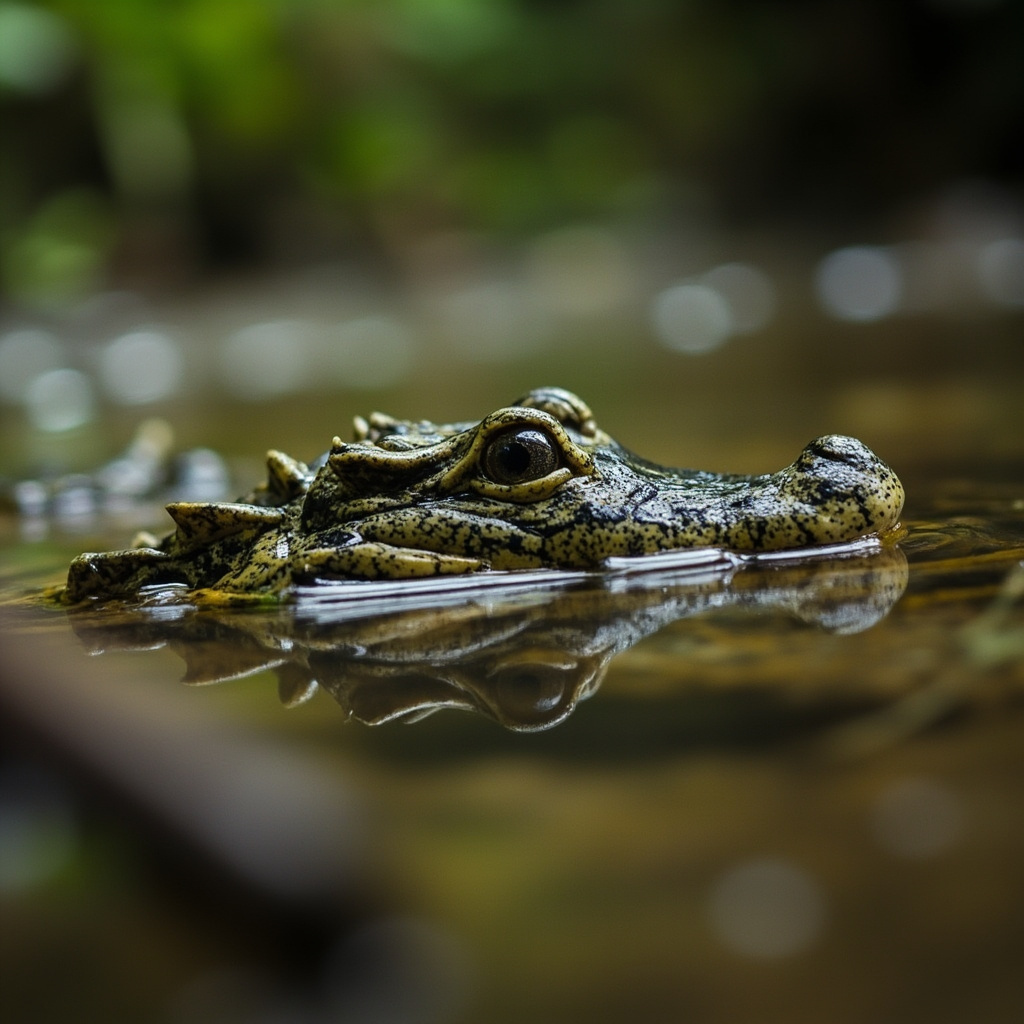
Names Can Hide Real Differences
Calling several species a dwarf caiman is convenient, but it can conceal differences in range, habitat use and conservation needs. A report should use the scientific name when possible and avoid claiming that an observation represents every small crocodilian in the region. Good identification gives managers a clearer starting point for conservation work.
Forest and Water Are Connected
Flooded forest, streams, banks and seasonal pools can provide different conditions across the year. Clearing riparian vegetation or isolating water bodies can affect more than a single hunting site. Protecting habitat connectivity helps retain the cover and movement routes that a caiman may use as water levels change.
Wildlife Viewing Should Stay Quiet
A small crocodilian remains a wild animal with strong defensive abilities. Do not feed one, block its route to water or approach a nest for a photograph. Distance reduces disturbance and gives the animal space to use its habitat normally.
Sources and review notes
Reviewed 23 August 2026. Reptile biology is wonderfully variable. We have avoided turning one species, photograph or dramatic observation into a rule for an entire group, and we have used cautious wording where evidence or local conditions differ.
Reference starting points: The Reptile Database, The IUCN Red List of Threatened Species, and PubMed-indexed research. Conservation status, taxonomy and local laws can change, so check the linked databases and the relevant local authority for current information.
Spotted something we should revisit? Send Reptile Explorer a correction—thoughtful reader feedback is always welcome.