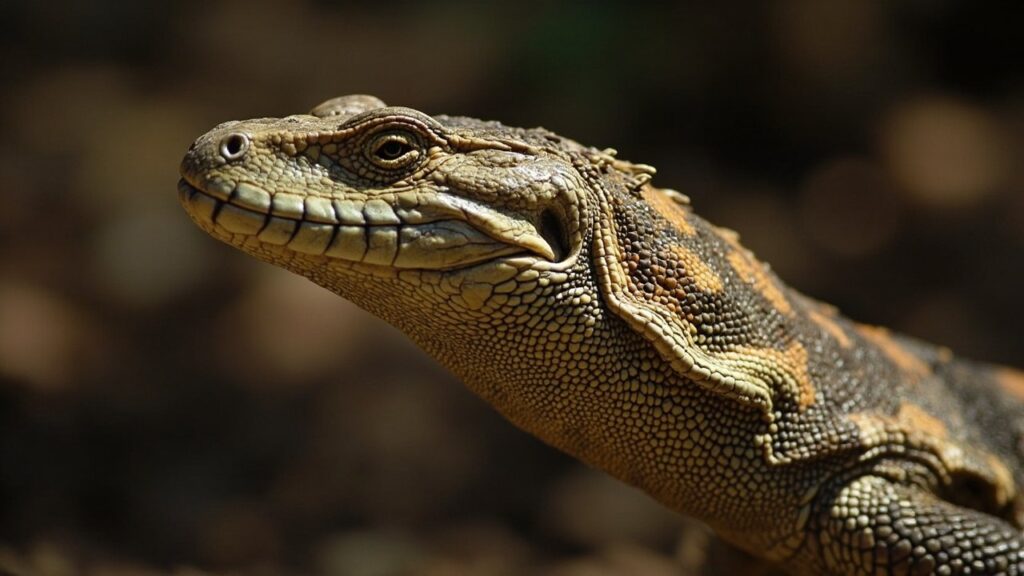
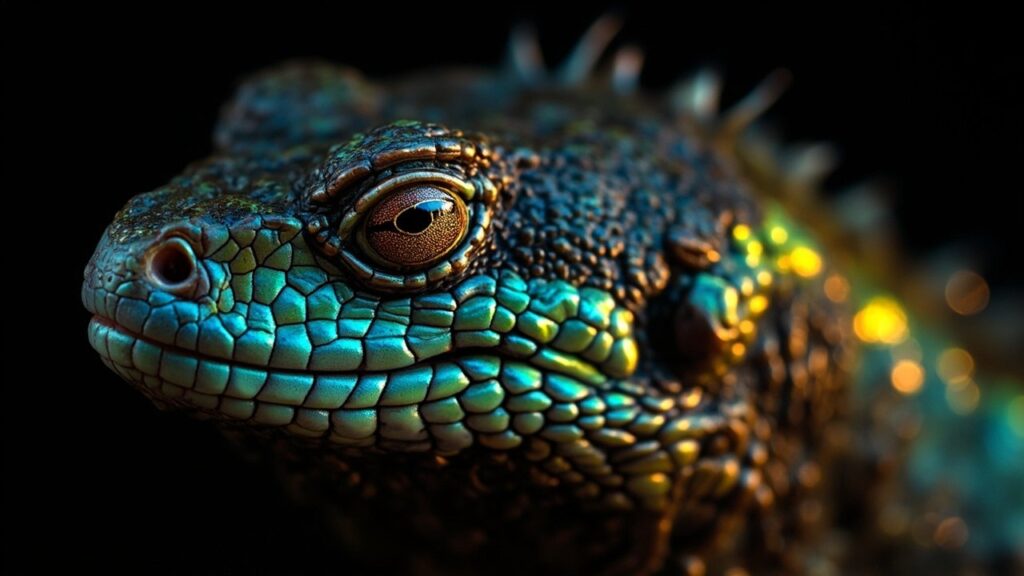
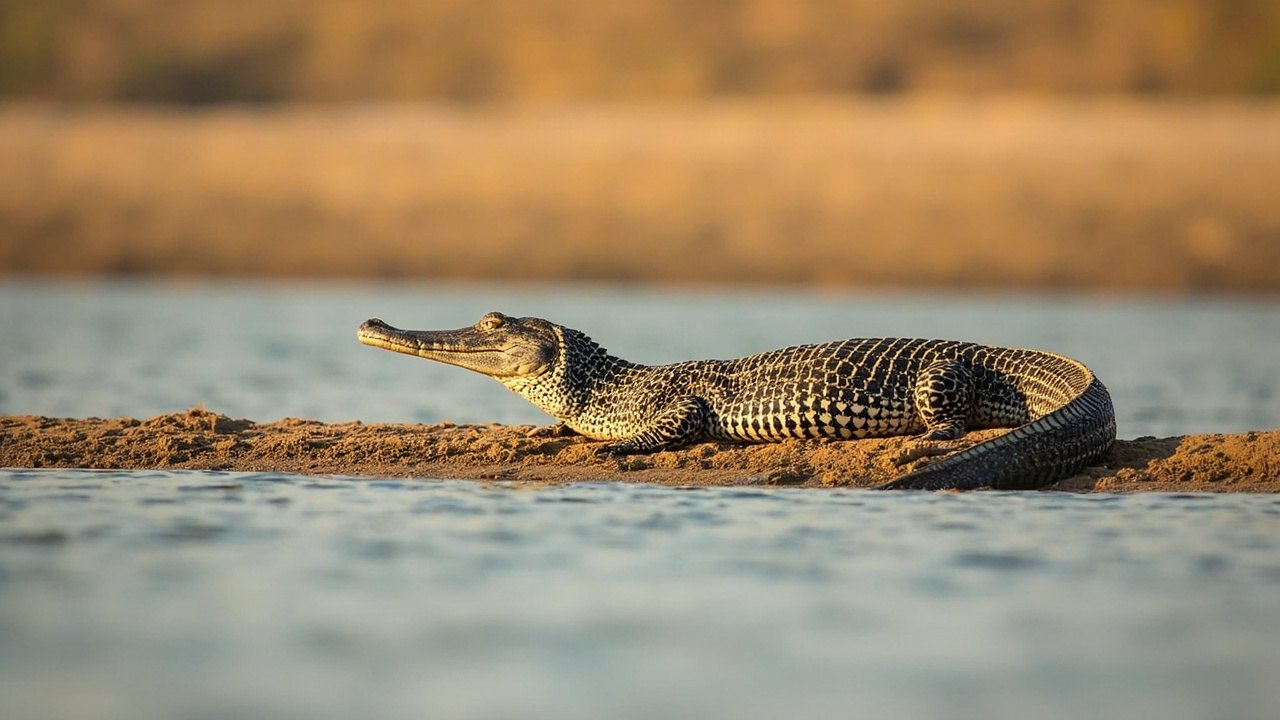
The gharial, Gavialis gangeticus, is a highly specialised crocodilian of major river systems in India and Nepal. Its long, narrow jaws and interlocking teeth are adapted for catching fish. This species is very different in appearance from broad-snouted alligators and many true crocodiles.
Built for a fish-based diet
A narrow snout reduces resistance as the gharial moves its head through water. The teeth help grip slippery prey. Young gharials eat a wider range of small aquatic animals, while adults feed mainly on fish. A specialised jaw does not make the animal harmless: wild gharials are still large reptiles that should never be approached.

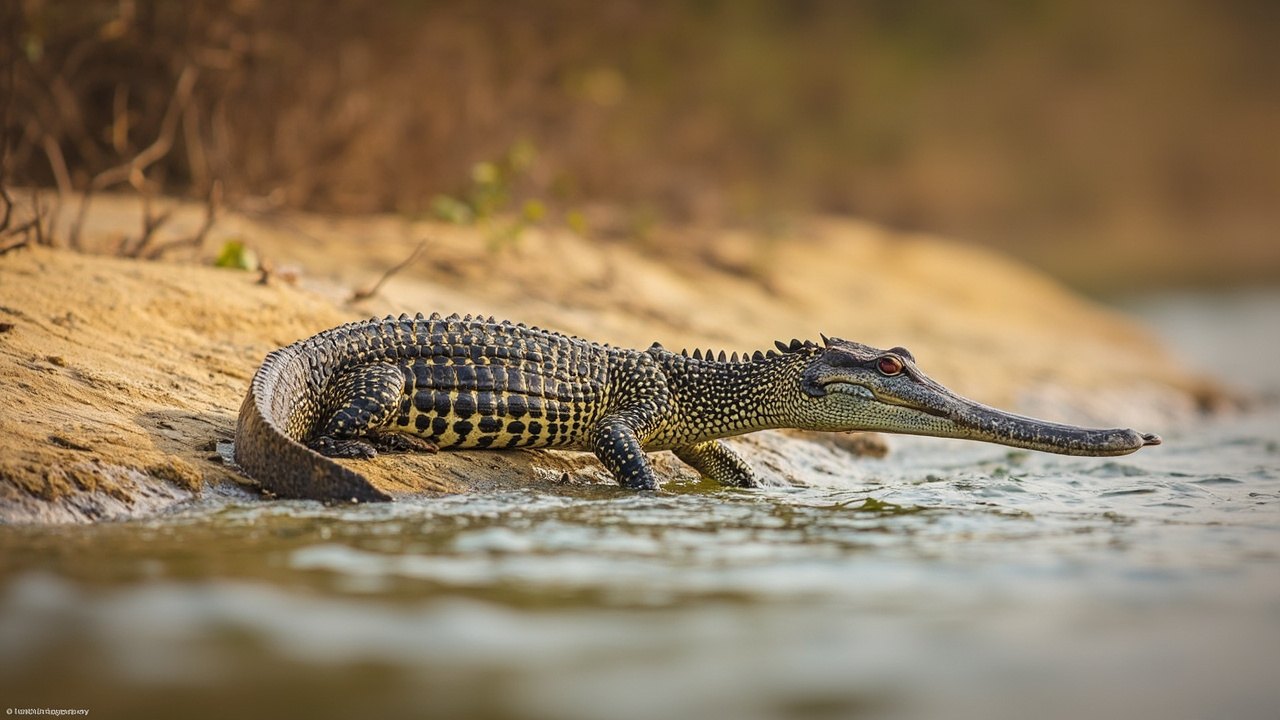
The ghara of adult males
Mature males develop a bulbous structure at the tip of the snout called a ghara. It is used in visual and acoustic courtship displays. Females are smaller and do not develop this structure, making the ghara one of the clearest signs of adult sexual dimorphism.
A crocodilian, but not a true crocodile
Gharials are crocodilians, but they are not members of the true-crocodile family Crocodylidae. They belong to Gavialidae. The false gharial, Tomistoma schlegelii, is also placed in Gavialidae by modern molecular classifications, although it is a different genus and species from the Indian gharial.
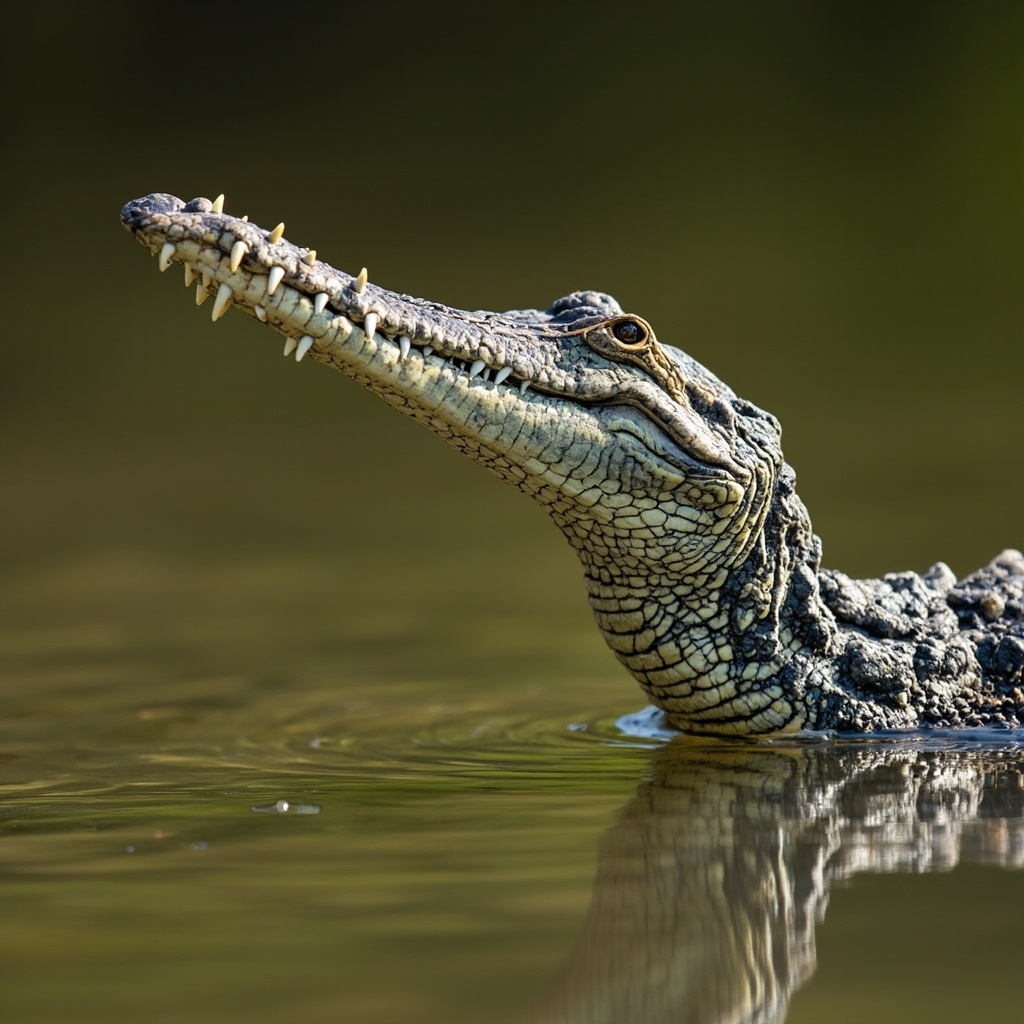
Why river protection matters
Gharials depend on large rivers with suitable fish populations, nesting sandbanks and connected habitat. Dams, sand mining, fishing-net entanglement and disturbance can all affect them. Their conservation is inseparable from the health of the river systems they use.
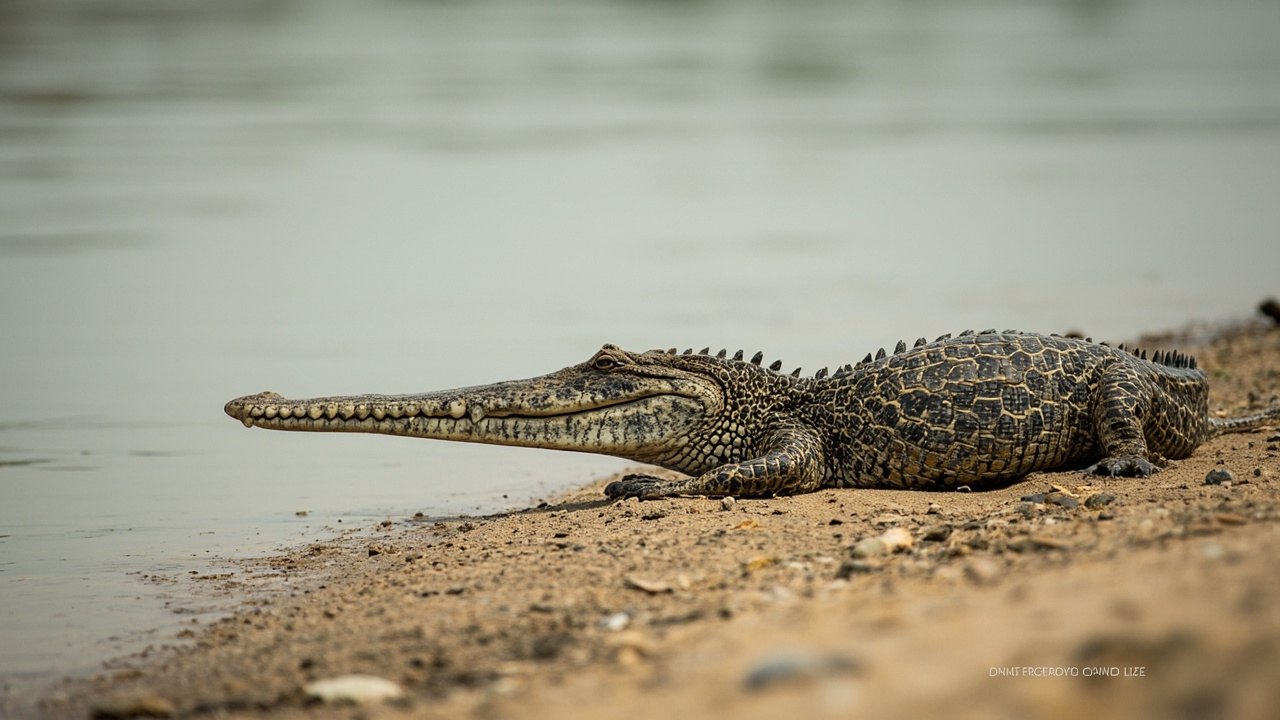
River Form Matters
Gharials need more than water in a channel. Fish availability, suitable depth, connected reaches and exposed nesting banks can all affect how useful a river is. Dams, shoreline extraction and heavy disturbance can alter several of these features at once. Protecting a short stretch of bank is valuable, but it cannot substitute for maintaining a functioning river system.
Sandbanks Need Space
Nesting females require access to banks that are not repeatedly disturbed by people, vehicles or extraction. A distant view is enough for responsible wildlife watching. Boats should not be used to crowd a resting animal or force it into the water simply to obtain a close image.
Captive Work Supports, Not Replaces, Habitat Protection
Breeding and release programmes can be part of conservation, especially for a species under severe pressure. Their success still depends on safe habitat and river processes after release. The strongest public message connects the remarkable anatomy of the gharial to the waterways it needs to survive.
Sources and review notes
Reviewed 23 August 2026. Reptile biology is wonderfully variable. We have avoided turning one species, photograph or dramatic observation into a rule for an entire group, and we have used cautious wording where evidence or local conditions differ.
Reference starting points: The Reptile Database, The IUCN Red List of Threatened Species, and PubMed-indexed research. Conservation status, taxonomy and local laws can change, so check the linked databases and the relevant local authority for current information.
Spotted something we should revisit? Send Reptile Explorer a correction—thoughtful reader feedback is always welcome.