Living Across a Salinity Gradient
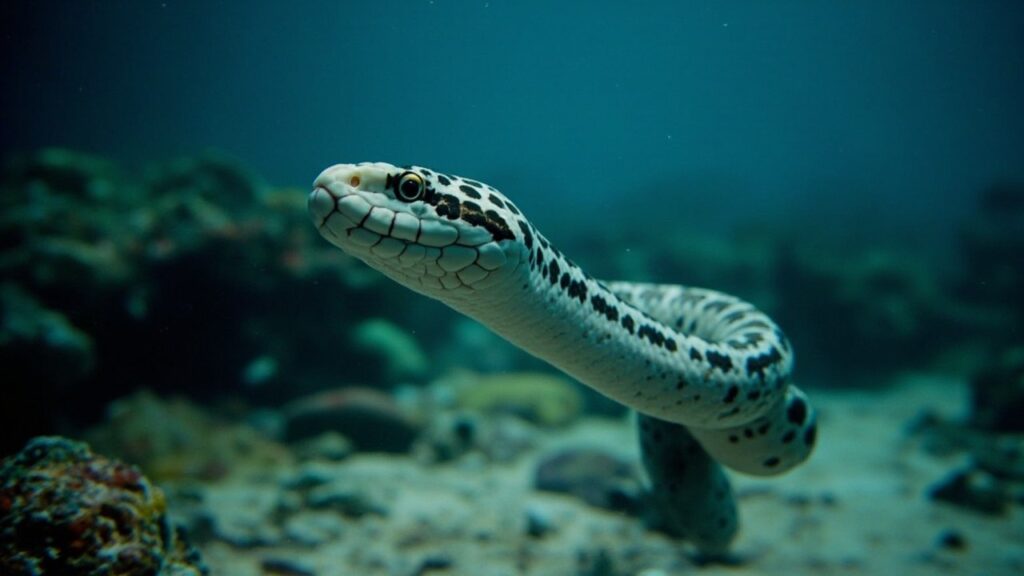
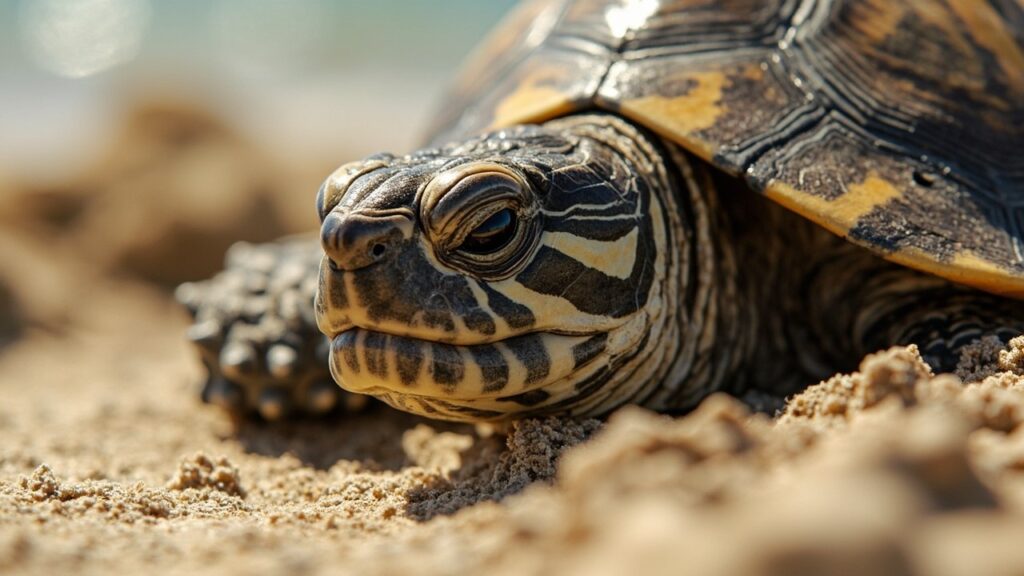
Estuarine crocodiles, also called saltwater crocodiles, occur in freshwater, brackish estuaries, and marine coastal waters. Lingual salt glands help them manage salt balance, but the species still relies on a varied coastal landscape and does not use every part of that landscape in the same way.

Nesting Near Suitable Fresh Water
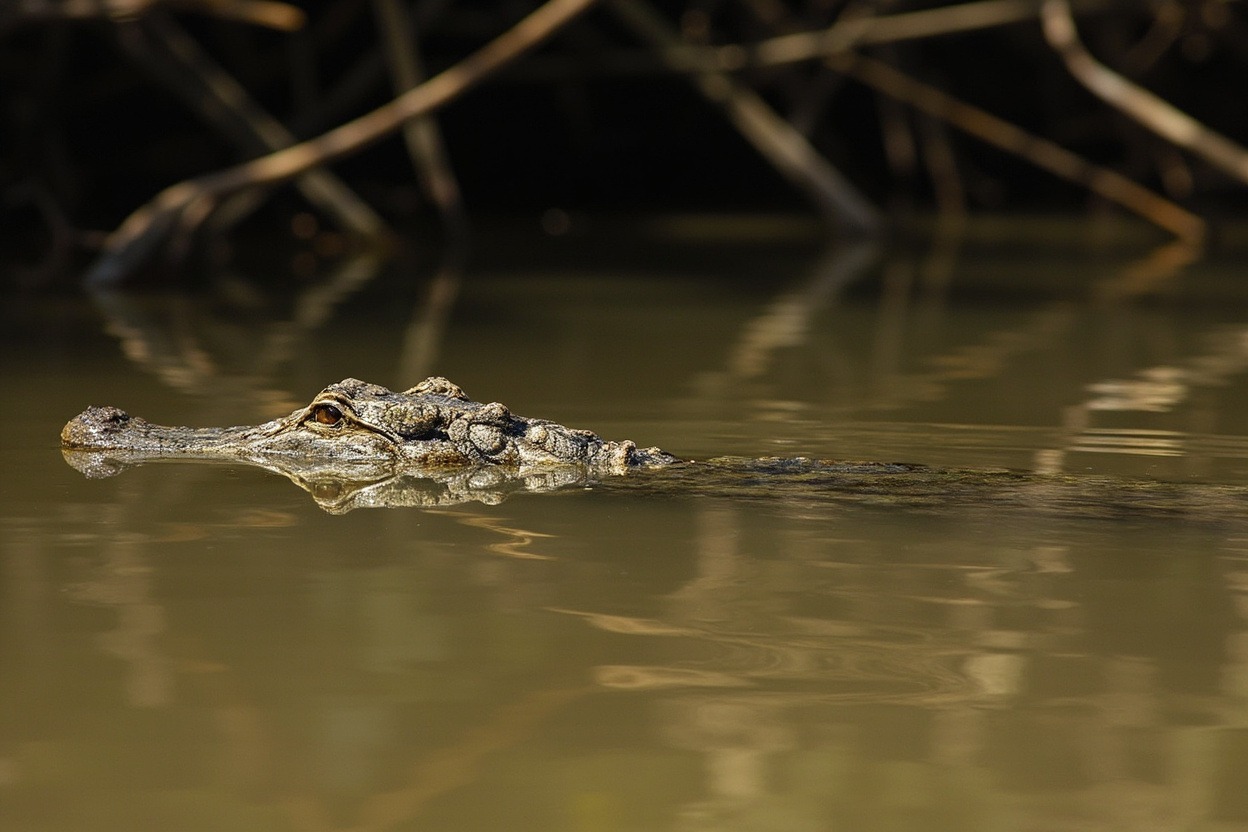
Females build mound nests from vegetation, soil, and other available material near freshwater or low-salinity water. Nest temperature influences development, while flooding, disturbance, and changes to water regimes can affect the safety of eggs and hatchlings.
Coexistence at the Water’s Edge
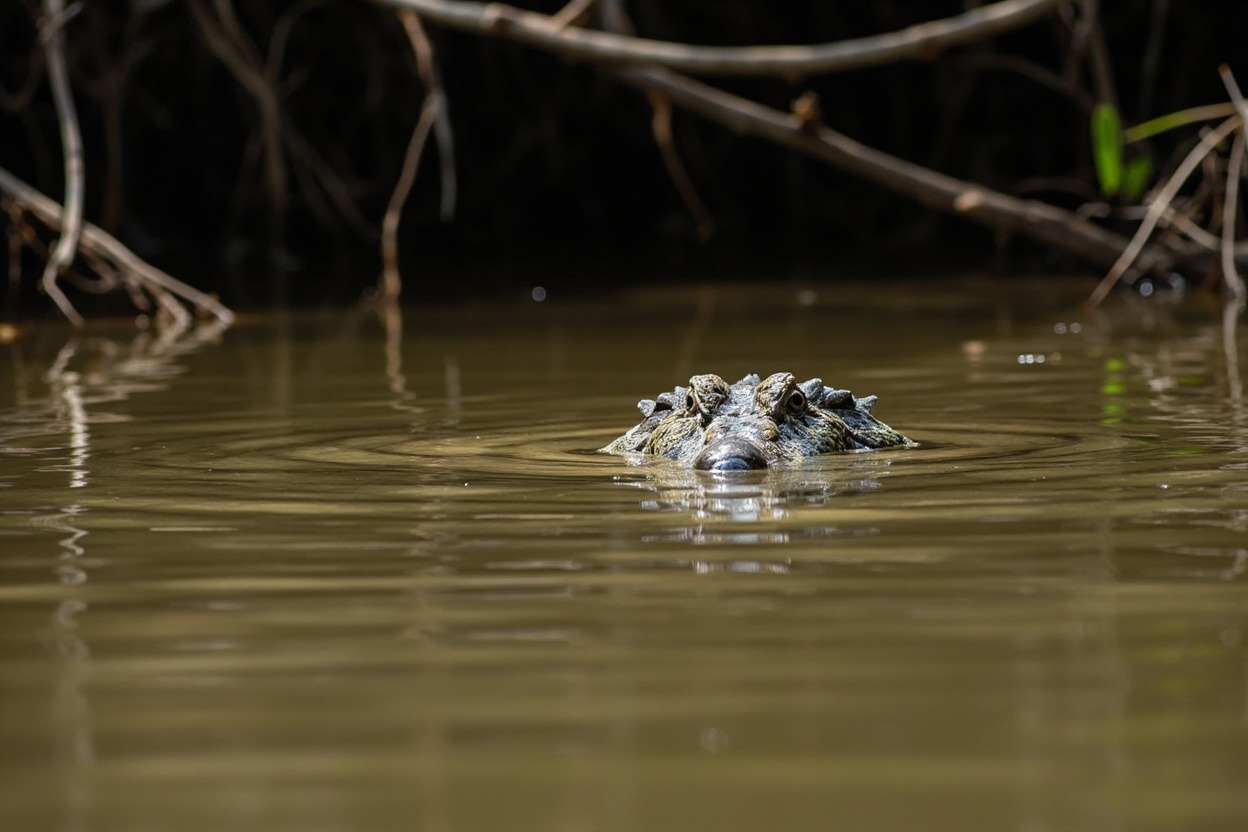
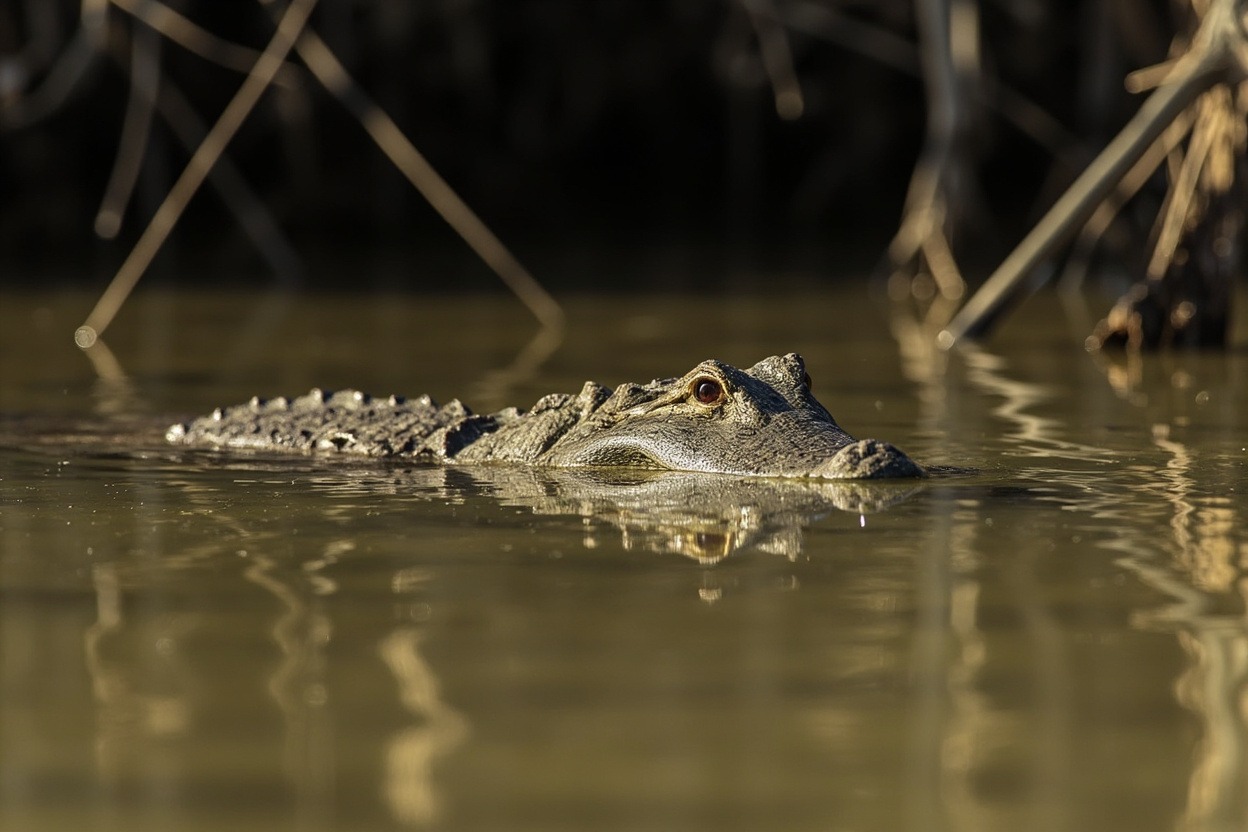
Coastal wetlands are also places where people fish, travel, and live. Safety messages, reporting systems, and crocodile management must reflect local conditions and led by the responsible wildlife authorities. Maintaining habitat and reducing risky encounters are complementary goals.
Coastal Wetlands Form a Connected System
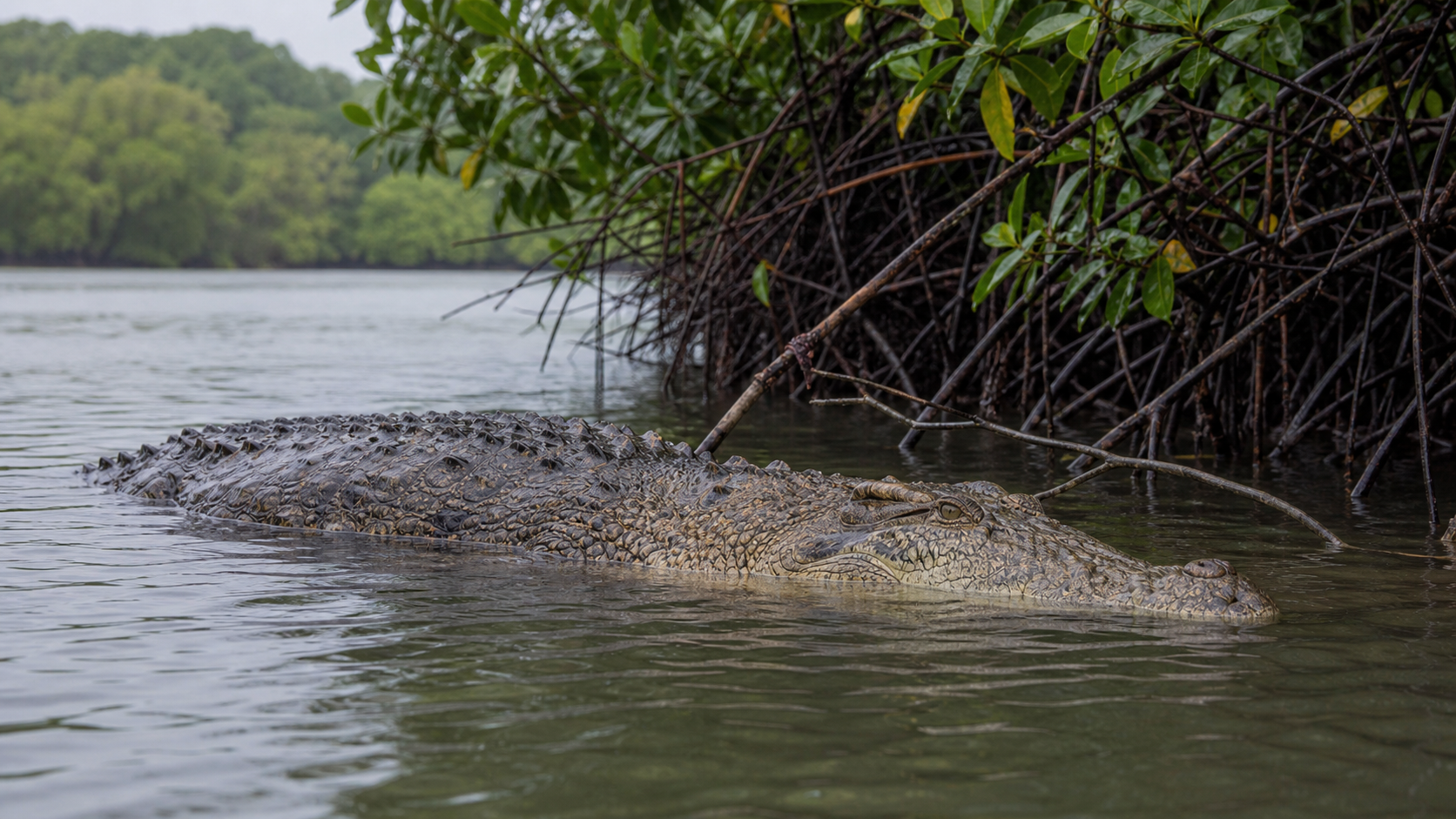
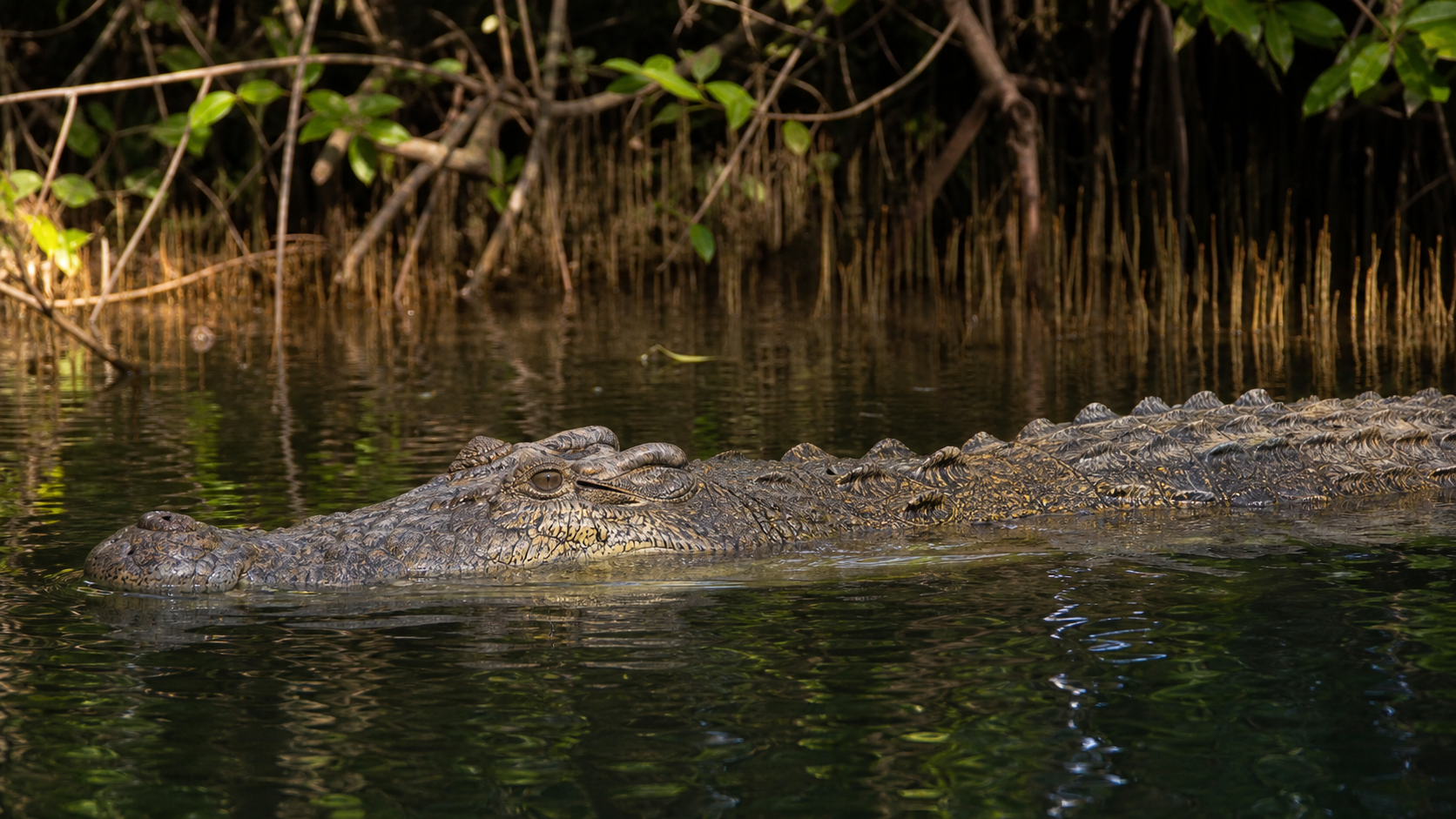
Estuarine crocodiles use landscapes that can include tidal rivers, mangrove channels, freshwater reaches, floodplains, beaches, and coastal waters. The ability to tolerate saline conditions does not mean that every wetland or shoreline is equally valuable. Nest locations, resting areas, feeding habitat, and movement routes can occur in different parts of the system, often changing with rainfall and water level.
The species occurs across parts of South and Southeast Asia, New Guinea, and northern Australia. Conditions within that range are not interchangeable. A management decision based on one river, country, or crocodile population should not be presented as a universal rule for the species.
Nesting Depends on Timing and Place
Female estuarine crocodiles build mound nests from local vegetation and soil. The timing of nesting, flood risk, and available nesting materials are shaped by local seasonal conditions. Egg incubation is temperature-sensitive, which makes nest placement and water regimes important. Repeated disturbance of a nesting area can create problems even where broader wetland cover remains intact.
Safety and Conservation Belong Together
Where estuarine crocodiles live near homes, fishing grounds, boat routes, or tourism sites, safety information needs to be specific and maintained by the responsible local authorities. Avoiding the water’s edge at risky locations, observing warnings, and keeping waste away from access points can help reduce attractants and encounters. These measures do not conflict with habitat conservation. Good management protects both people and the wetland functions that crocodiles, fish, birds, and other wildlife use.
Sources and review notes
Reviewed 23 August 2026. Reptile biology is wonderfully variable. We have avoided turning one species, photograph or dramatic observation into a rule for an entire group, and we have used cautious wording where evidence or local conditions differ.
Reference starting points: The Reptile Database, The IUCN Red List of Threatened Species, and PubMed-indexed research. Conservation status, taxonomy and local laws can change, so check the linked databases and the relevant local authority for current information.
Spotted something we should revisit? Send Reptile Explorer a correction—thoughtful reader feedback is always welcome.