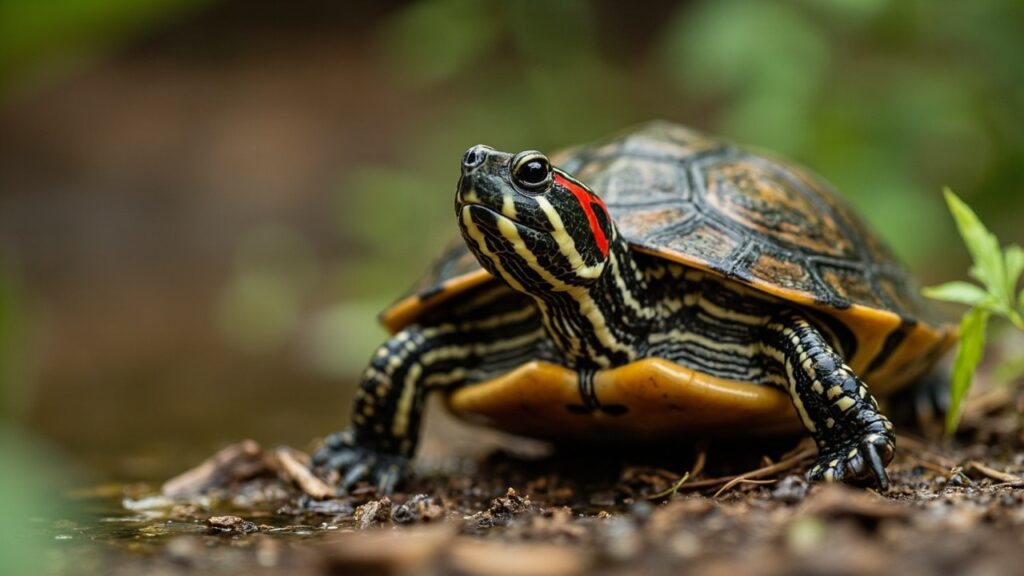
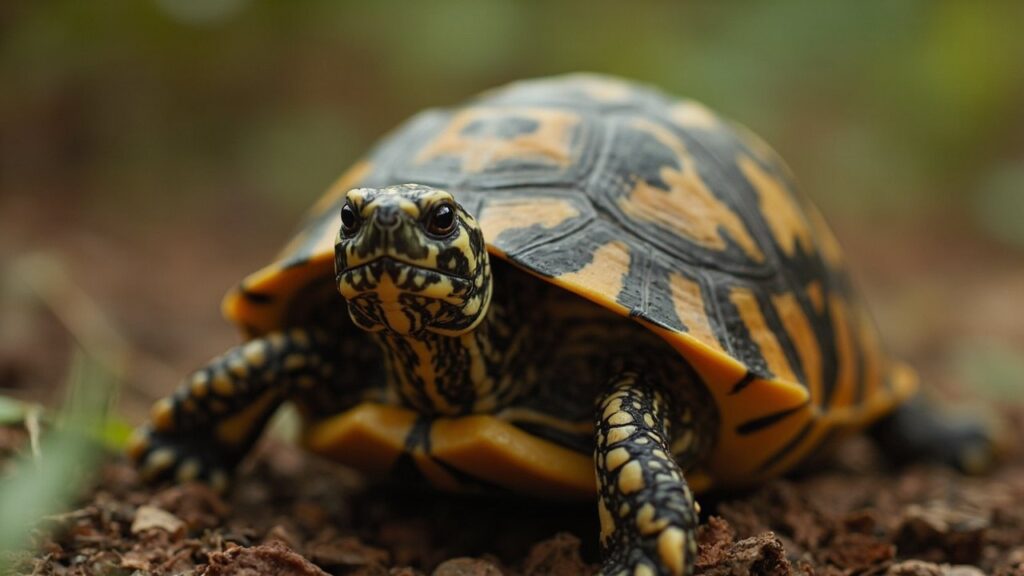
A Small Turtle With a Distinctive Pattern
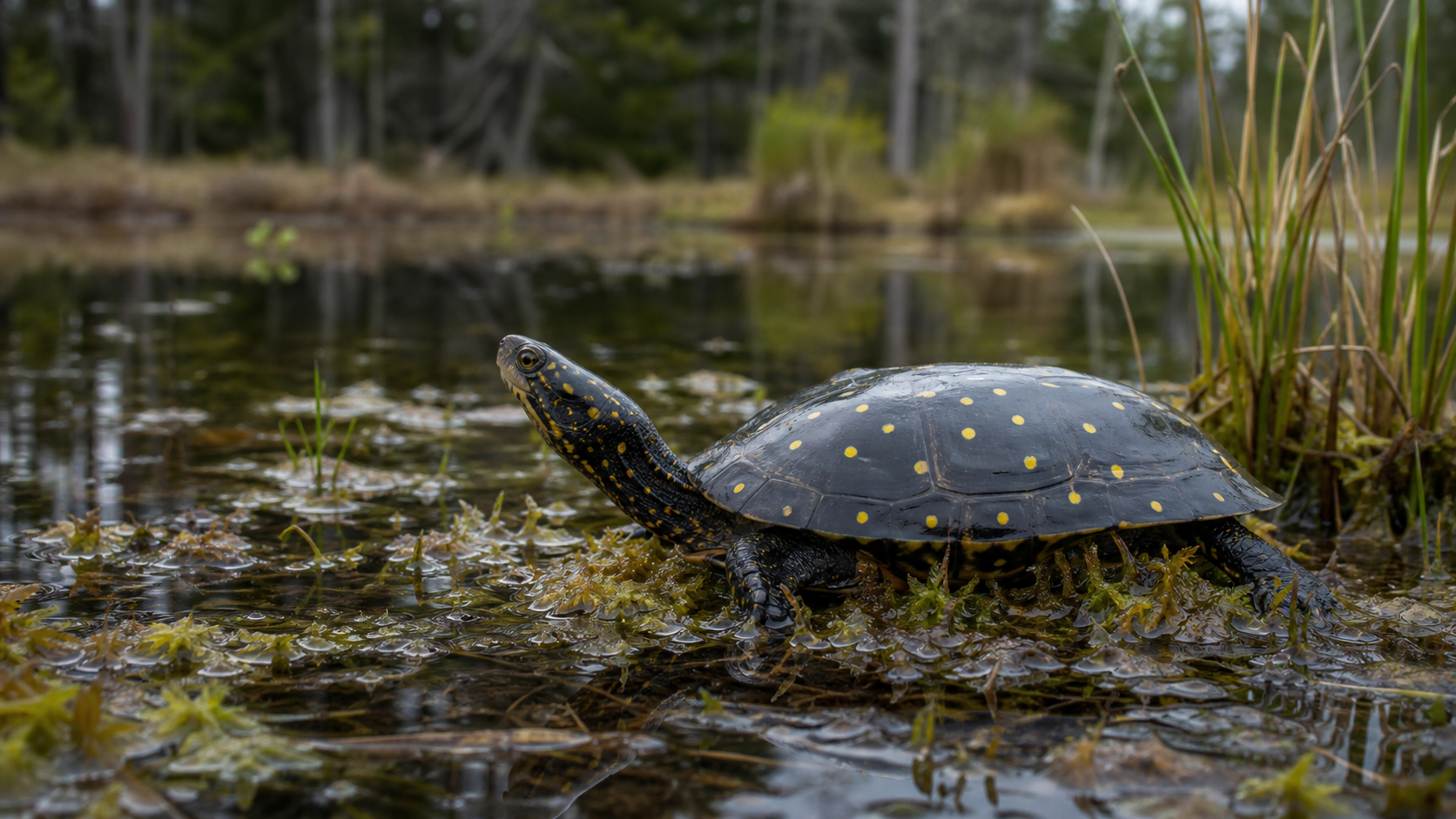
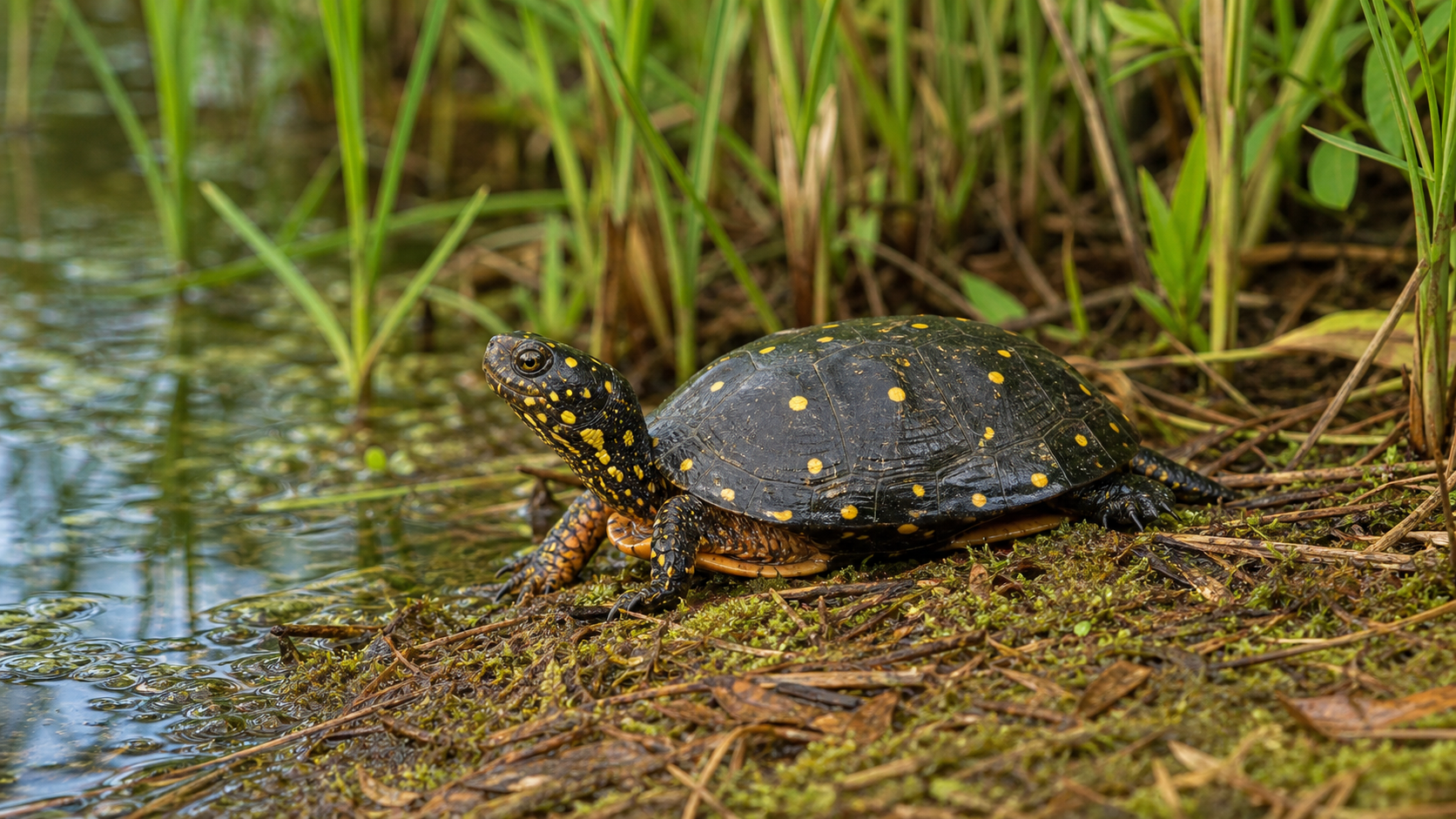
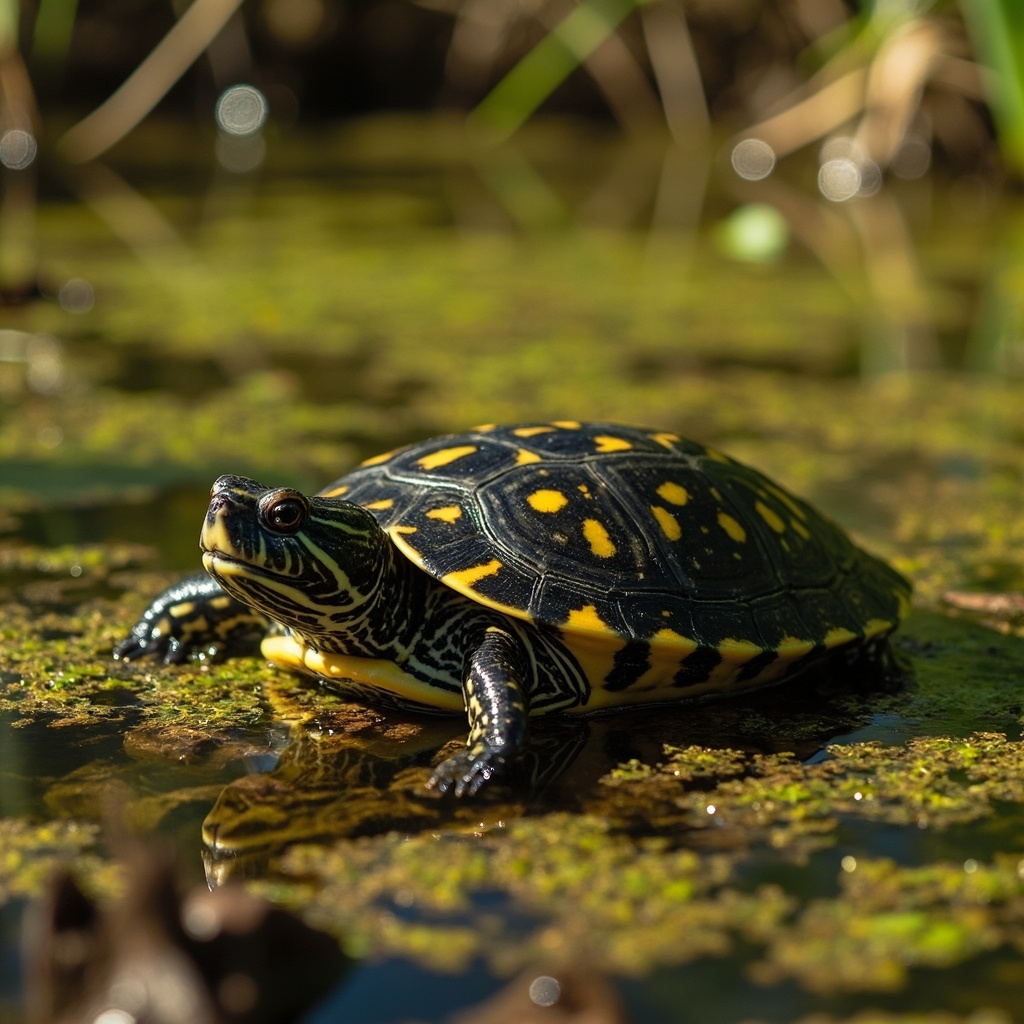
The spotted turtle, Clemmys guttata, is a small semi-aquatic turtle with a dark shell marked by yellow or orange spots. Individuals vary in the number and placement of those spots, so the pattern is useful for recognition but should not be assigned a single proven function.
Wetlands and Upland Ground Both Matter
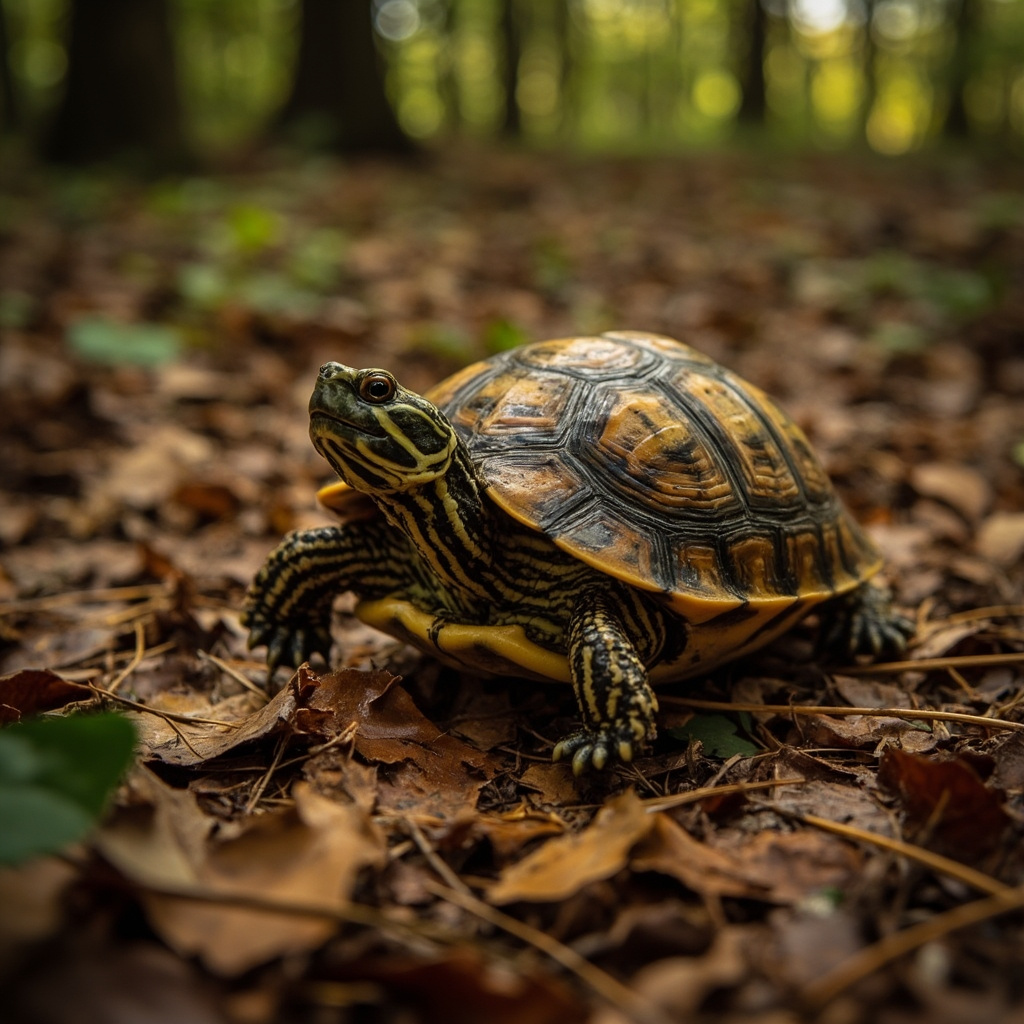
Spotted turtles use shallow wetlands, marshes, bogs, and slow water across parts of eastern North America and southern Ontario. They also move across land to reach seasonal habitat, nesting areas, and nearby wetlands. A protected pond alone may not preserve the full habitat network that a population needs.
Protecting Connected Wetlands
Wetland drainage, fragmentation, road mortality, and collection can place long-lived turtles under pressure. Conservation benefits from protecting wetland complexes, maintaining safe upland nesting areas, and following local rules on observation, handling, and possession.
A seasonal wetland user
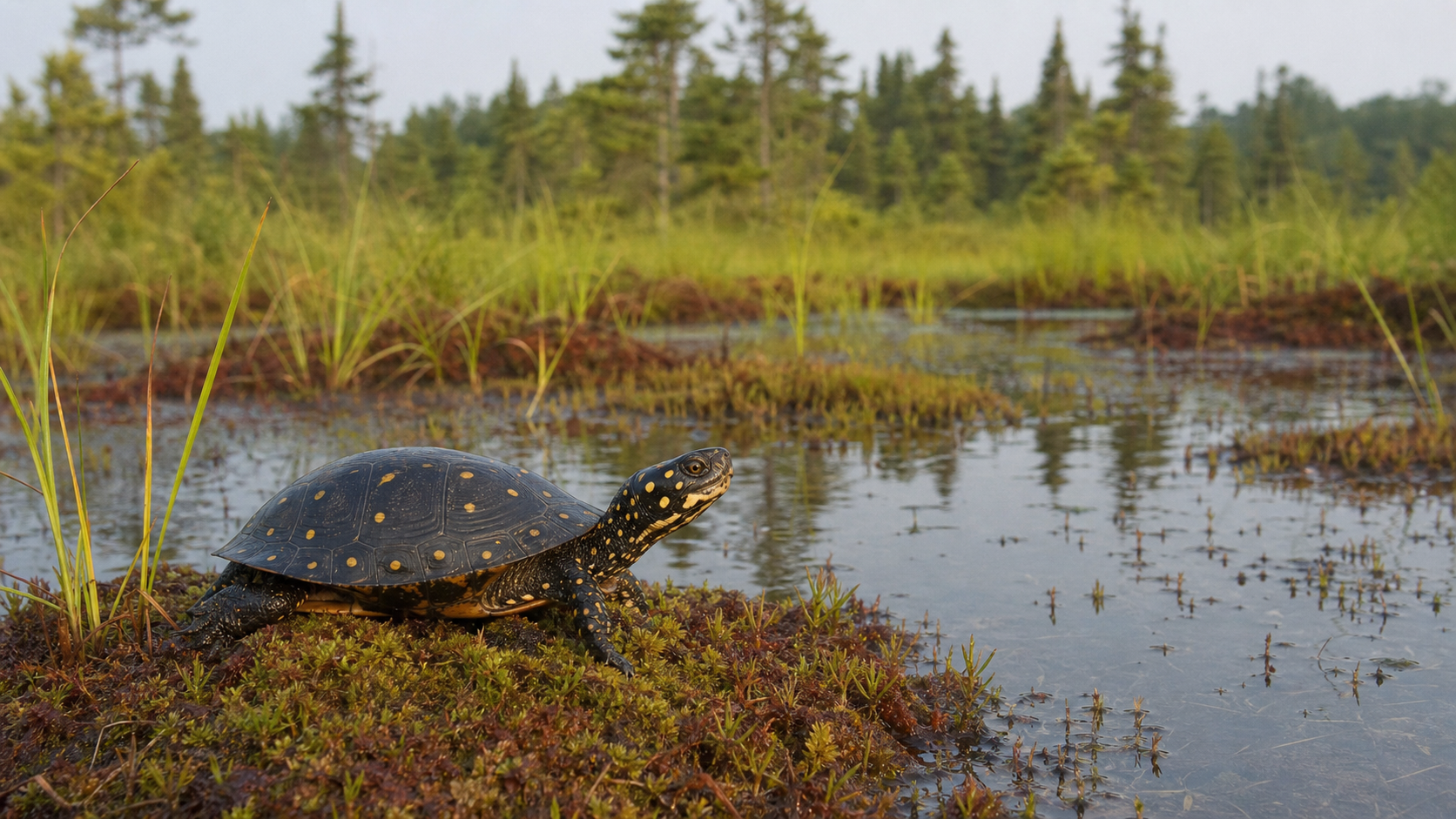
Spotted turtles may use shallow water in spring and move through nearby upland ground as conditions change. Temporary pools, marsh edges, woodland cover, and nesting areas can all form part of the same home landscape. The pattern varies among populations, so a single pond cannot be assumed to meet every need. A wetland protected on a map may still lose value if roads, lawns, drainage, or dense development cut it off from surrounding habitat.
Females need suitable sites for eggs, often on warmer, well-drained ground outside the wetland itself. Nest placement, soil, cover, and seasonal weather affect whether eggs can develop successfully. Turtle shells and colour patterns are distinctive, but repeated close inspection is not harmless. Handling can interrupt movement and reveal the animal’s location to collectors. A photograph from a distance, taken without moving vegetation or the turtle, is usually enough for a useful record.
Protection works at the landscape scale
Wetland conservation for spotted turtles combines clean water, seasonal hydrology, safe travel routes, and undisturbed nesting ground. Road mortality and illegal collection can remove adults from populations that may take many years to replace them. Local status and protection rules differ across the species’ range, so observation and reporting should follow the guidance of the relevant province, state, Indigenous government, or land manager. Keeping locations general in public posts can also help reduce collection pressure at sensitive sites.
Sources and review notes
Reviewed 23 August 2026. Reptile biology is wonderfully variable. We have avoided turning one species, photograph or dramatic observation into a rule for an entire group, and we have used cautious wording where evidence or local conditions differ.
Reference starting points: The Reptile Database, The IUCN Red List of Threatened Species, and PubMed-indexed research. Conservation status, taxonomy and local laws can change, so check the linked databases and the relevant local authority for current information.
Spotted something we should revisit? Send Reptile Explorer a correction—thoughtful reader feedback is always welcome.