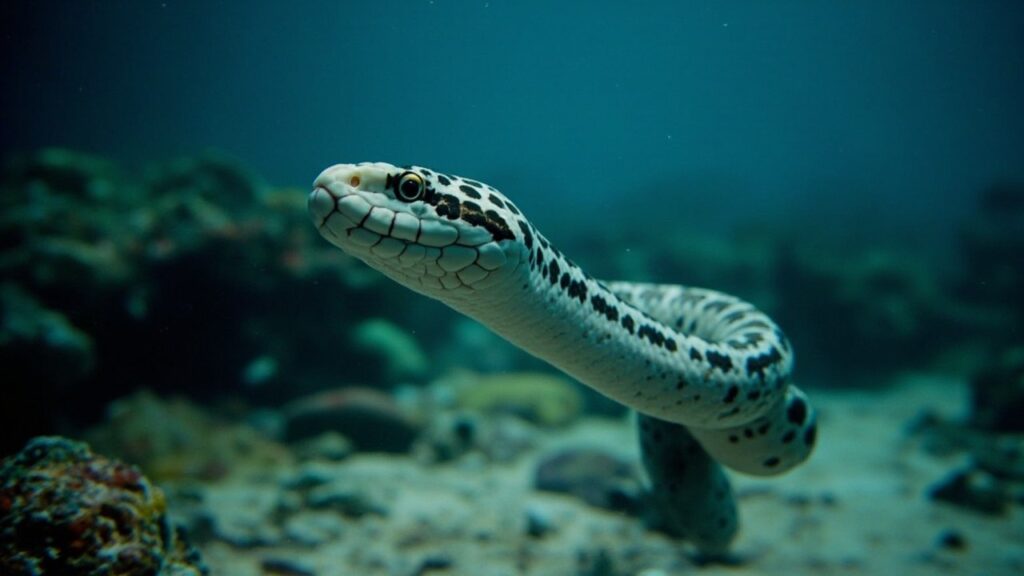
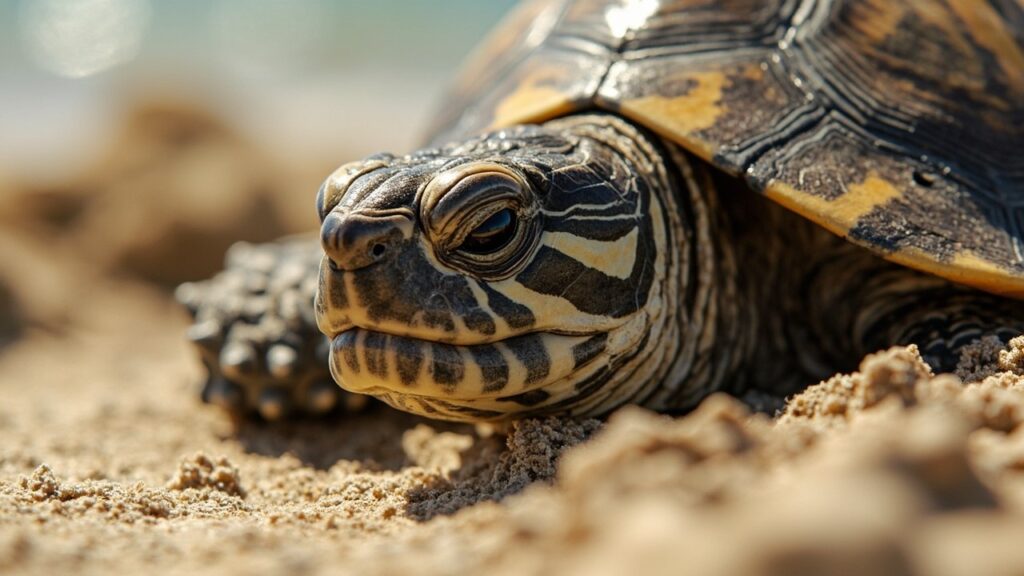
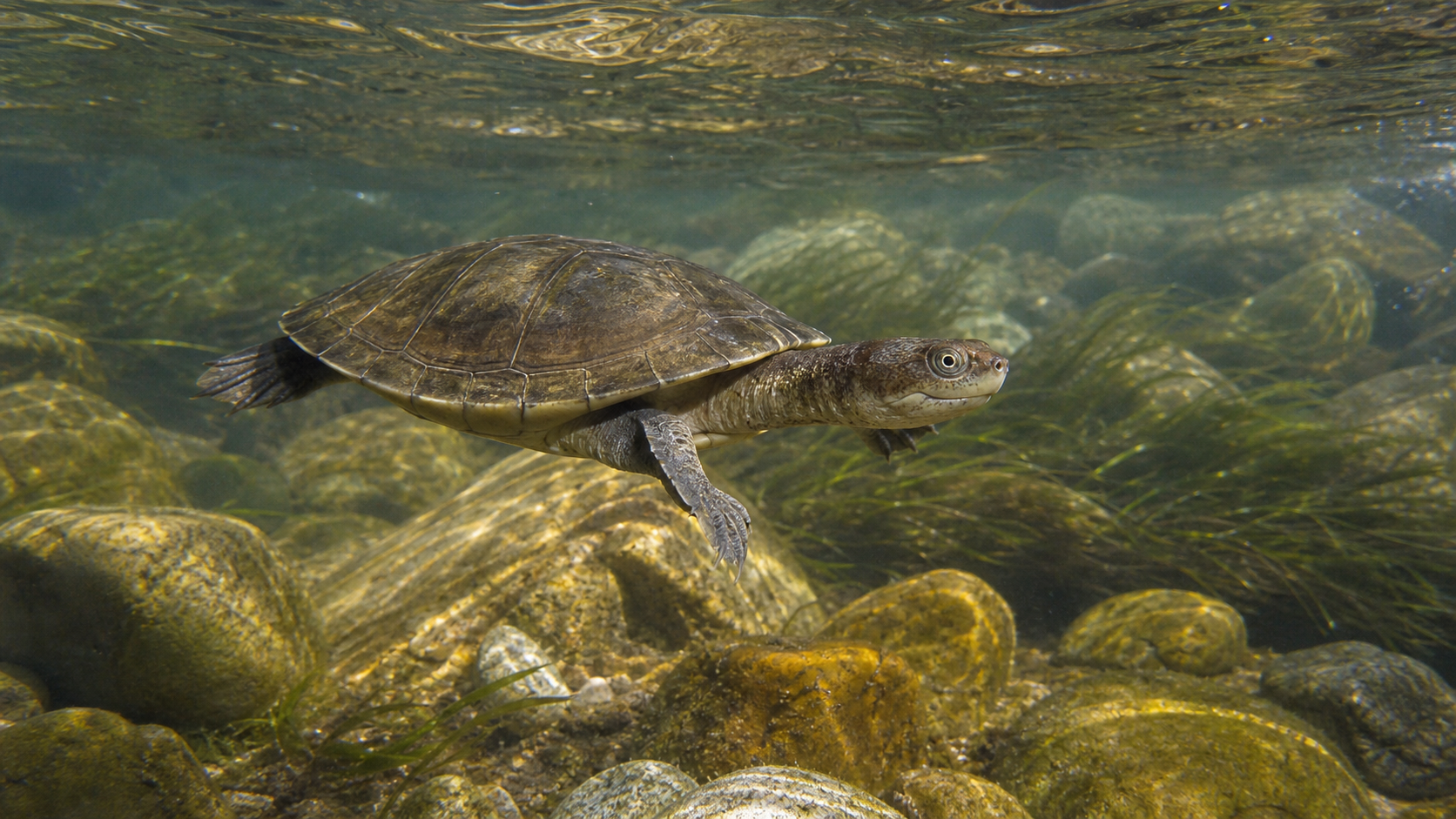
The Fitzroy River turtle, Rheodytes leukops, is a freshwater turtle found only in central Queensland’s Fitzroy River drainage. It is often called a bum-breathing turtle, but the scientific term is cloacal respiration: specialised sacs in the cloaca exchange gases with the water.
A turtle linked to healthy river flow
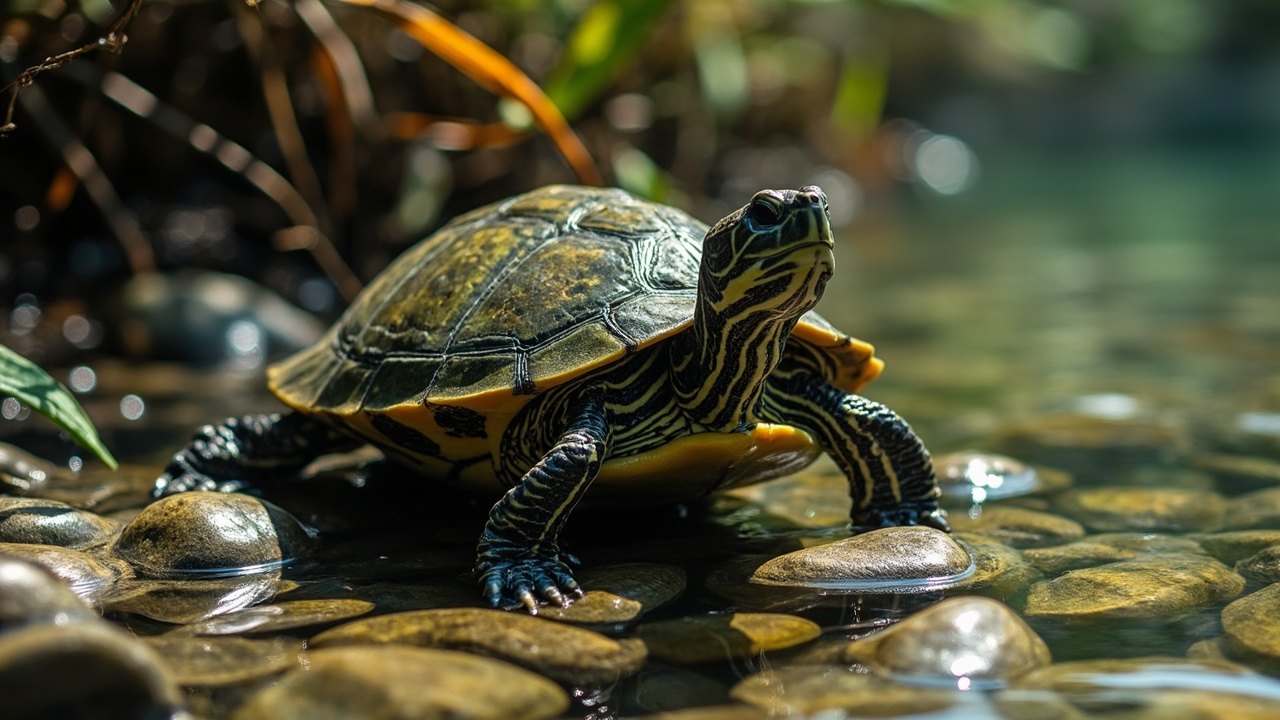
This species is closely associated with clear, well-oxygenated running water, especially riffle habitat. It can also use other parts of the river system, so it should not be described as living only in rapids. Clean water, natural flow patterns and suitable refuges all matter to its survival.

Why its breathing adaptation matters
Cloacal respiration helps the turtle remain underwater for long periods, particularly when water is cool and oxygen-rich. It does not make the turtle independent of air or immune to degraded habitat. Sediment, altered flows and reduced oxygen can affect the river conditions on which this specialised breathing system depends.
Conservation needs
The Fitzroy River turtle is listed as Vulnerable under the Environment Protection and Biodiversity Conservation Act 1999. River regulation, sedimentation, habitat disturbance, nest predation and changes to catchment land use can all create pressure. Conservation work is strongest when it protects river processes as well as individual nests and hatchlings.
How to describe it accurately
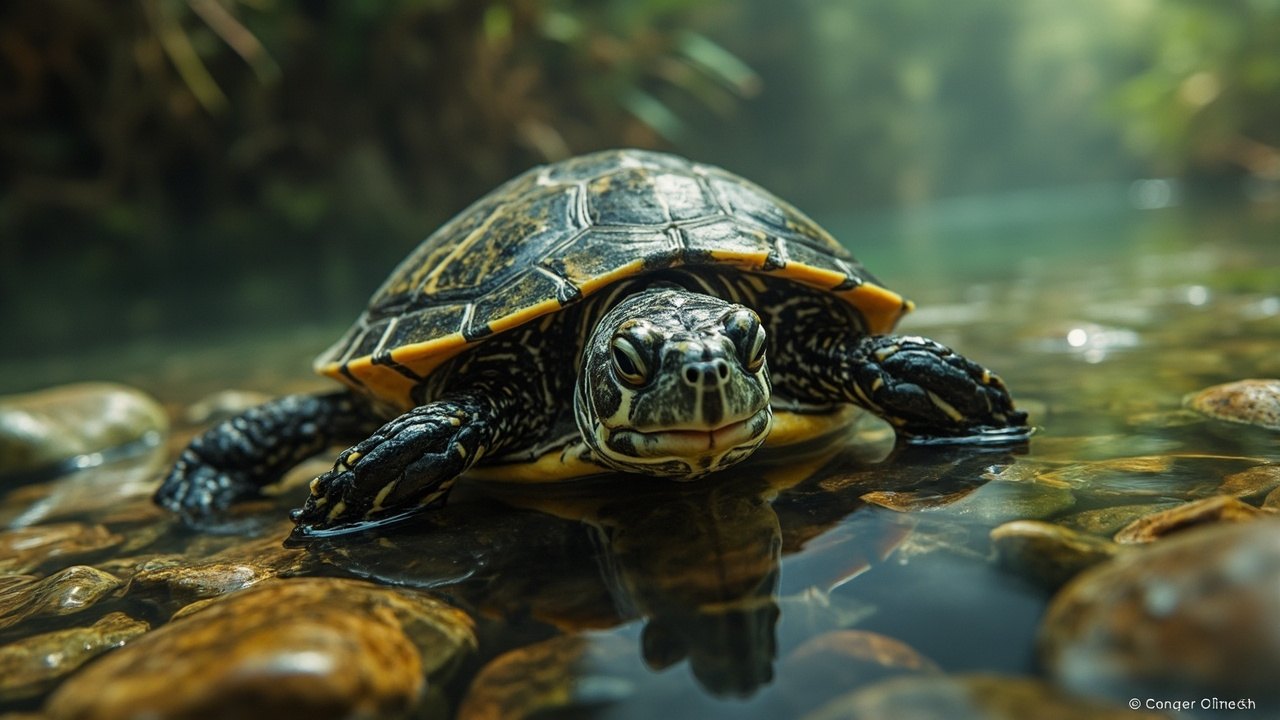
Colloquial names can help people remember the species, but they should not replace the biology. The Fitzroy River turtle is a distinctive Australian freshwater turtle with an exceptional form of aquatic gas exchange. Its story is about river health, not a novelty trick.
Current Listing Information Matters
The Fitzroy River turtle is listed as Vulnerable under Australia’s national environmental law. Conservation categories and advice can change as assessments are updated, so current government species information should be checked before repeating an older status. The listing reflects the importance of river flow, water quality, nesting habitat and movement through the catchment.
Barriers Can Change a River Turtle’s Options
Dams and weirs can alter water conditions and make movement between river reaches more difficult. Turtle passages and site-specific management may help reduce some impacts, but they do not remove the need to protect flowing habitat and nesting banks. Healthy river processes matter throughout the life cycle, not only at the point where a turtle is seen.
Help Without Handling
River users can avoid leaving fishing gear where turtles may become entangled and should follow local biosecurity and access guidance. A turtle should not be captured for a closer look. Records shared with the appropriate conservation programme can be useful when they are made without disturbing the animal or revealing sensitive sites publicly.
Sources and review notes
Reviewed 23 August 2026. Reptile biology is wonderfully variable. We have avoided turning one species, photograph or dramatic observation into a rule for an entire group, and we have used cautious wording where evidence or local conditions differ.
Reference starting points: The Reptile Database, The IUCN Red List of Threatened Species, and PubMed-indexed research. Conservation status, taxonomy and local laws can change, so check the linked databases and the relevant local authority for current information.
Spotted something we should revisit? Send Reptile Explorer a correction—thoughtful reader feedback is always welcome.