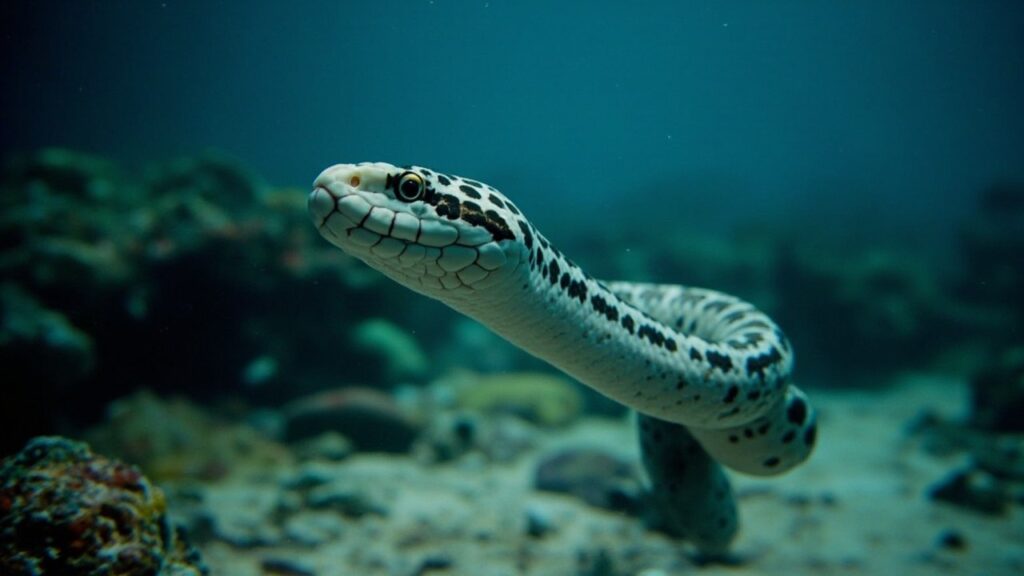
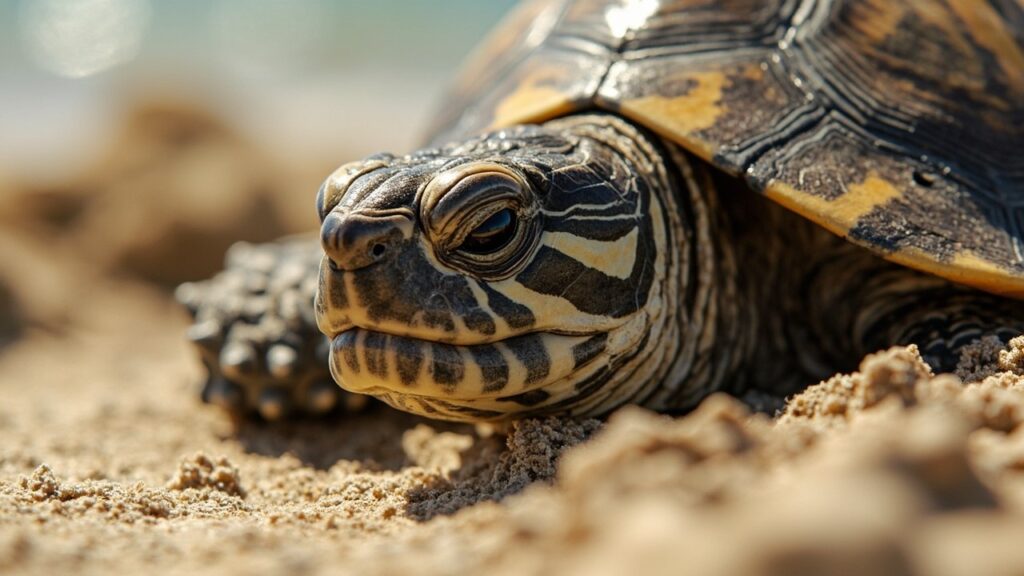
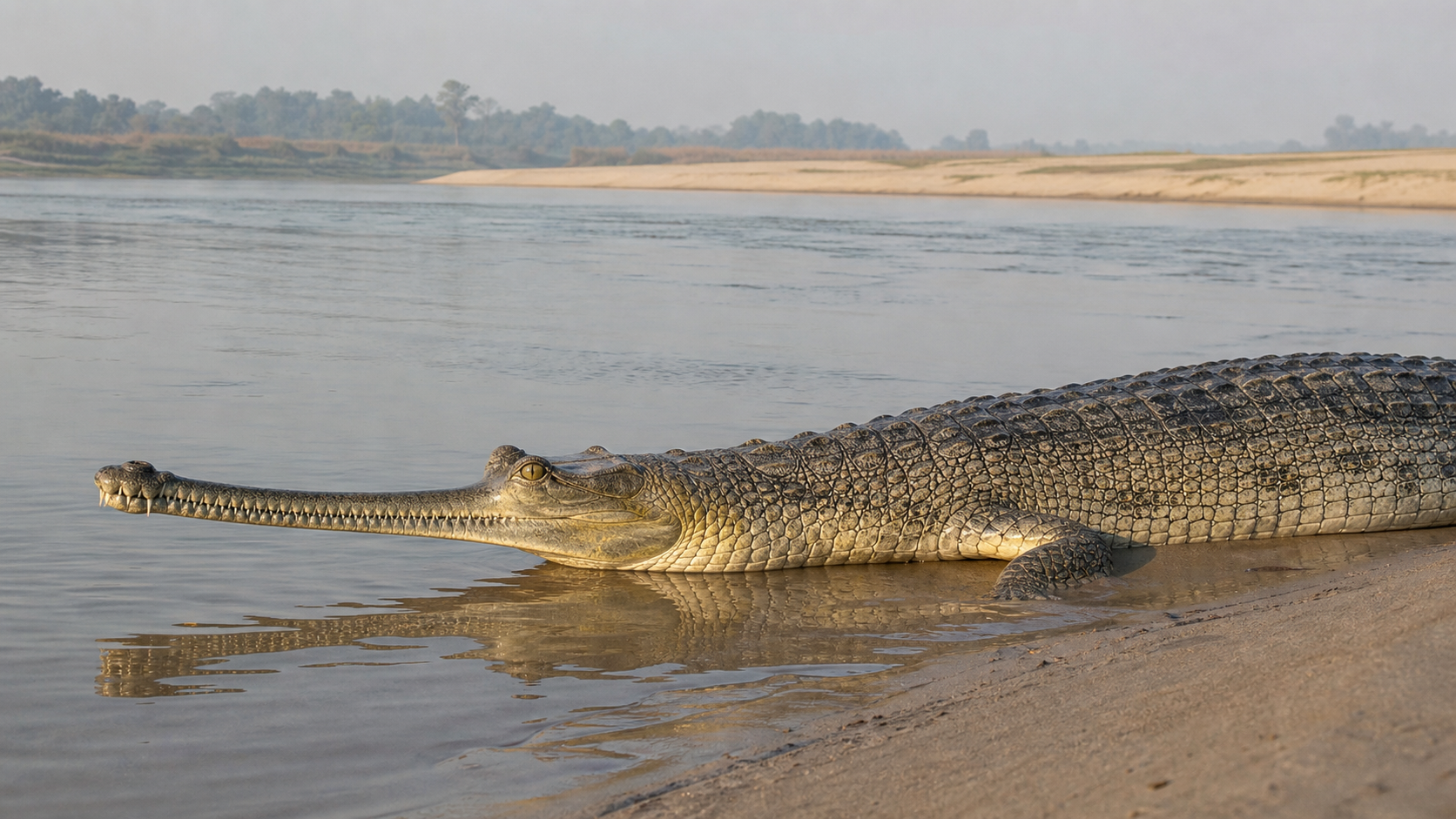
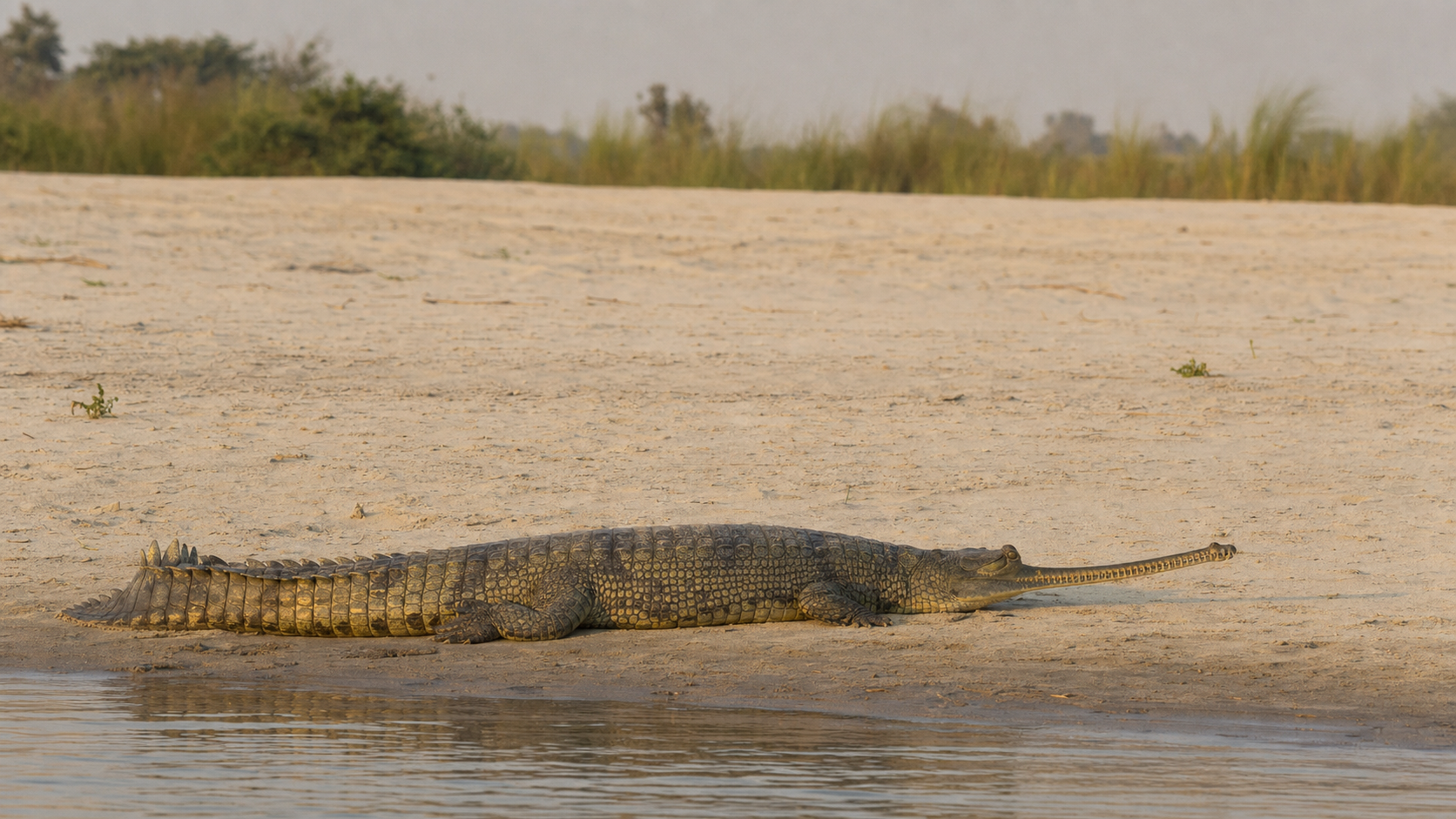
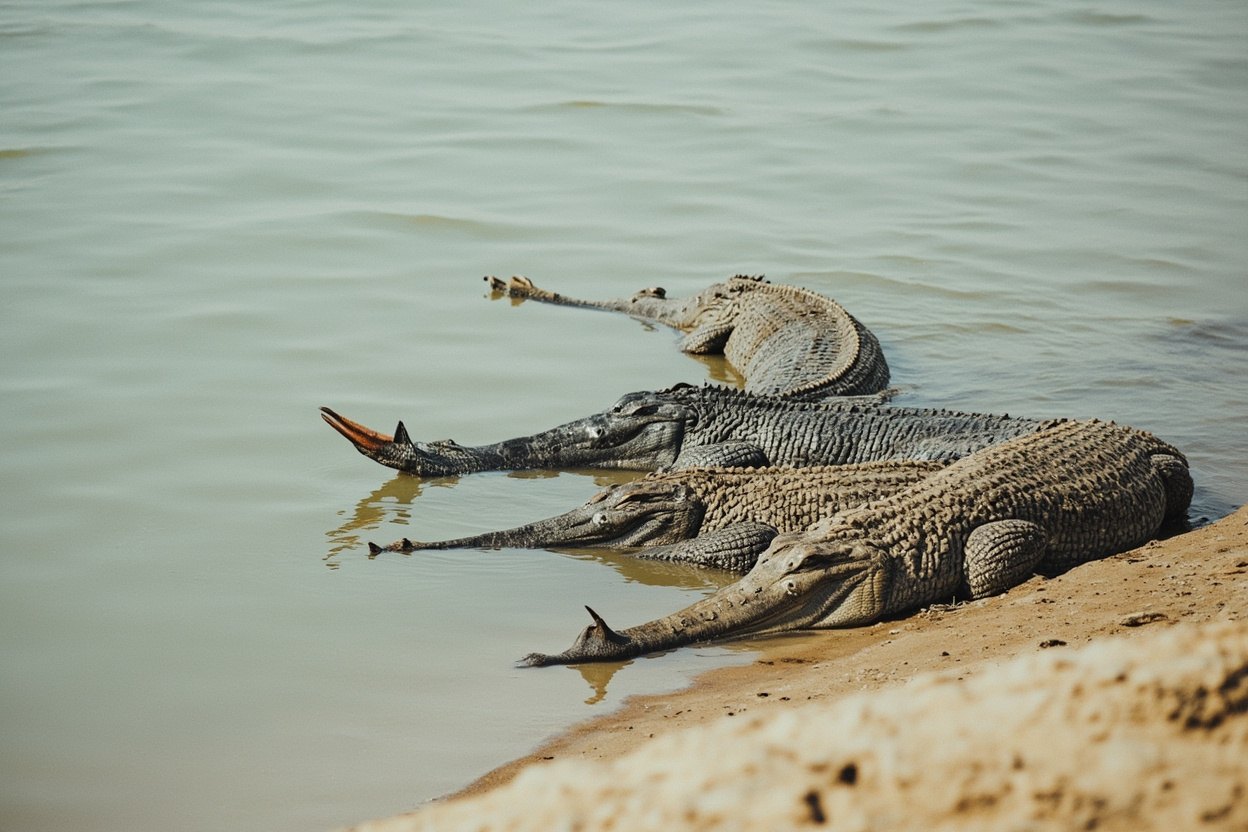
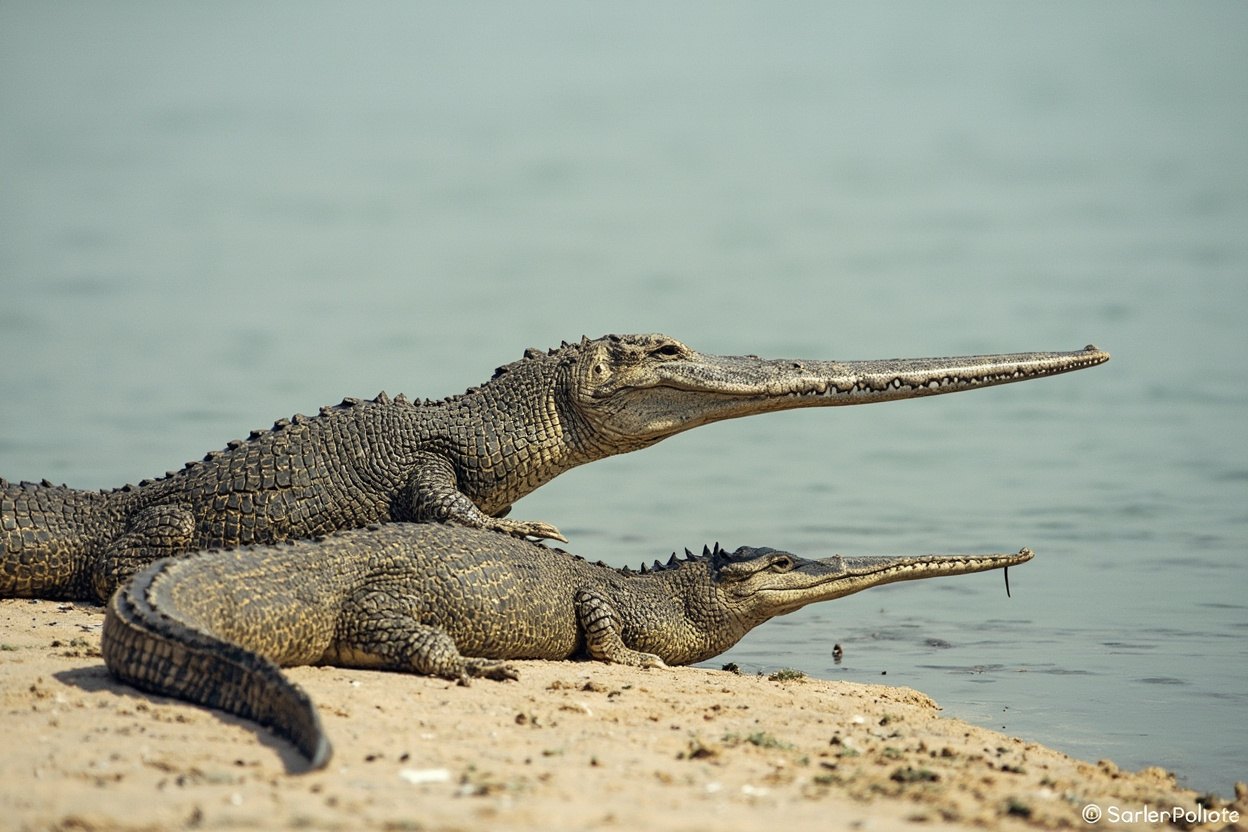
The gharial (Gavialis gangeticus) is a Critically Endangered crocodilian specialized for large rivers of northern India and Nepal. Its very long, narrow snout is well suited to a fish-dominant diet, and adult males develop the distinctive nasal growth called a ghara.
A river specialist
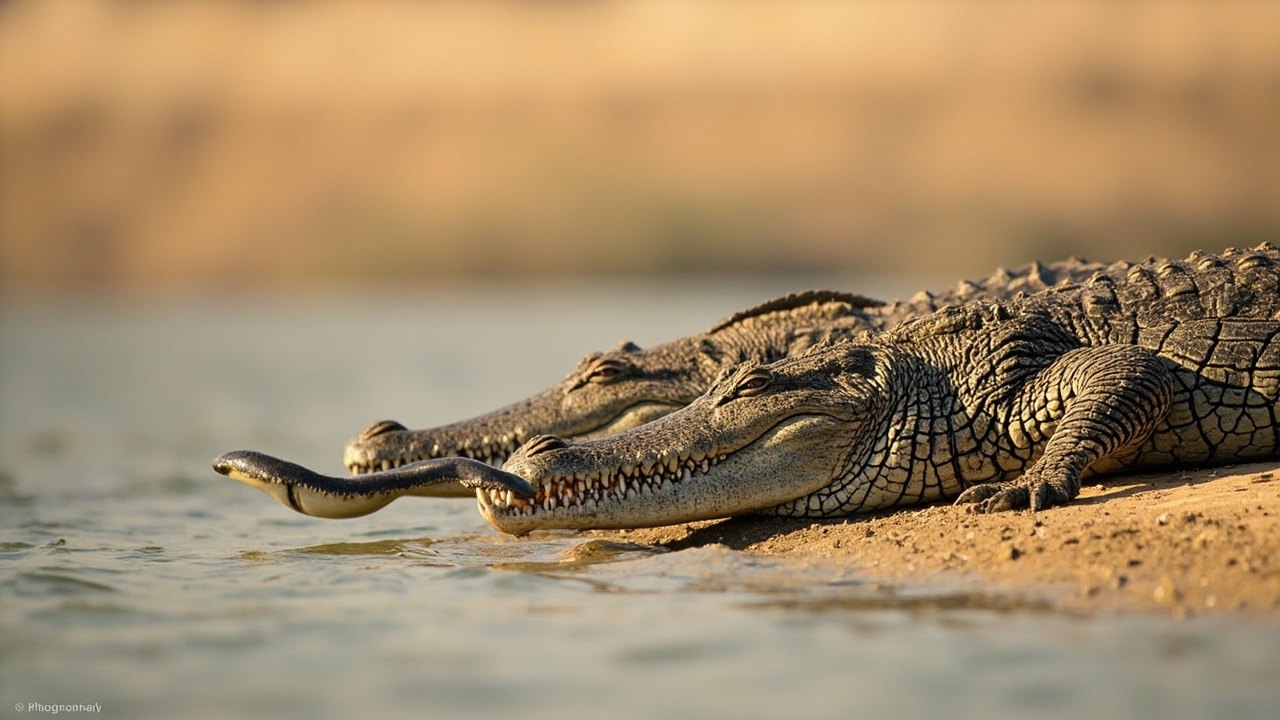
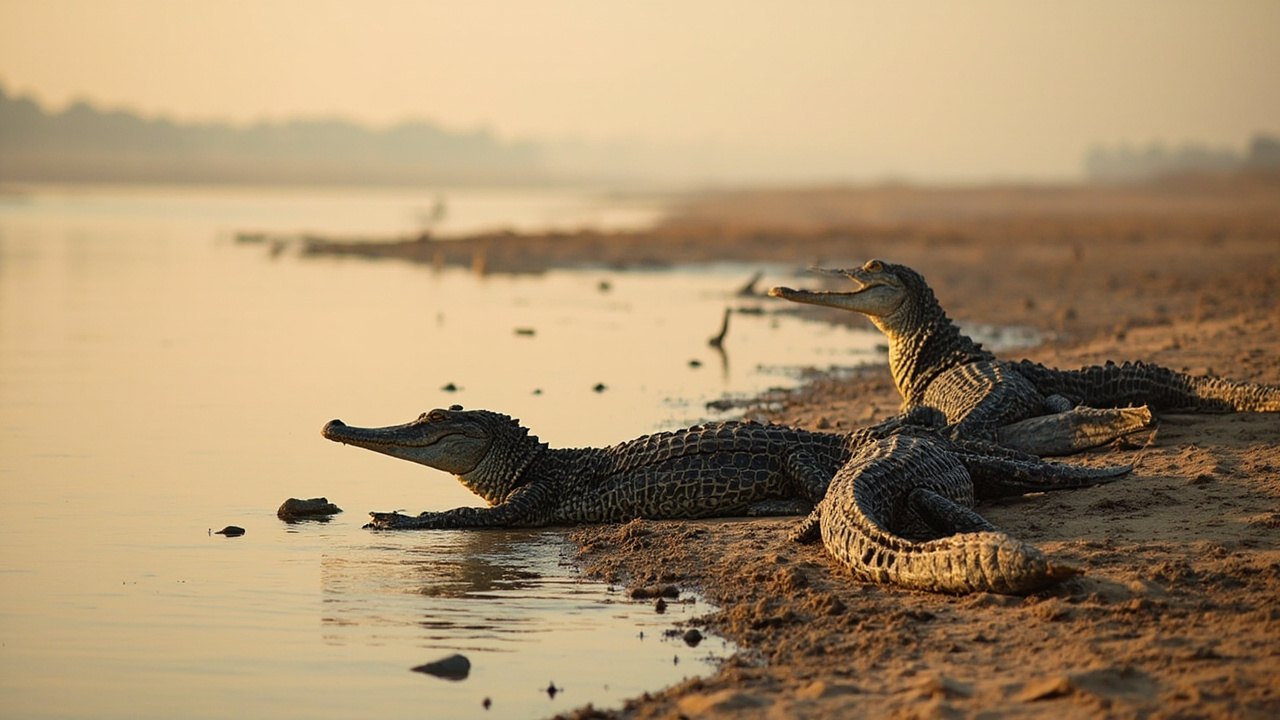
Gharials use deep, flowing river reaches and depend on exposed sandbanks for basking and nesting. Young animals may take a broader range of small prey, but it is inaccurate to reduce the species to a single, universal diet or to repeat unsupported claims about parental care and tooth visibility.
Why populations are fragmented
Altered river flows, dams, sand mining, pressure on riparian habitat and entanglement in fishing gear can all reduce suitable habitat and survival. These threats vary by river, so population figures should be tied to a current survey rather than presented as a single statistic for the entire range.
Conservation priorities
Protection of river flow, nesting banks and fishing-sensitive areas, together with monitoring and carefully managed rearing and release programs, can support recovery. Long-term habitat security matters as much as releasing animals.
Observe from a distance
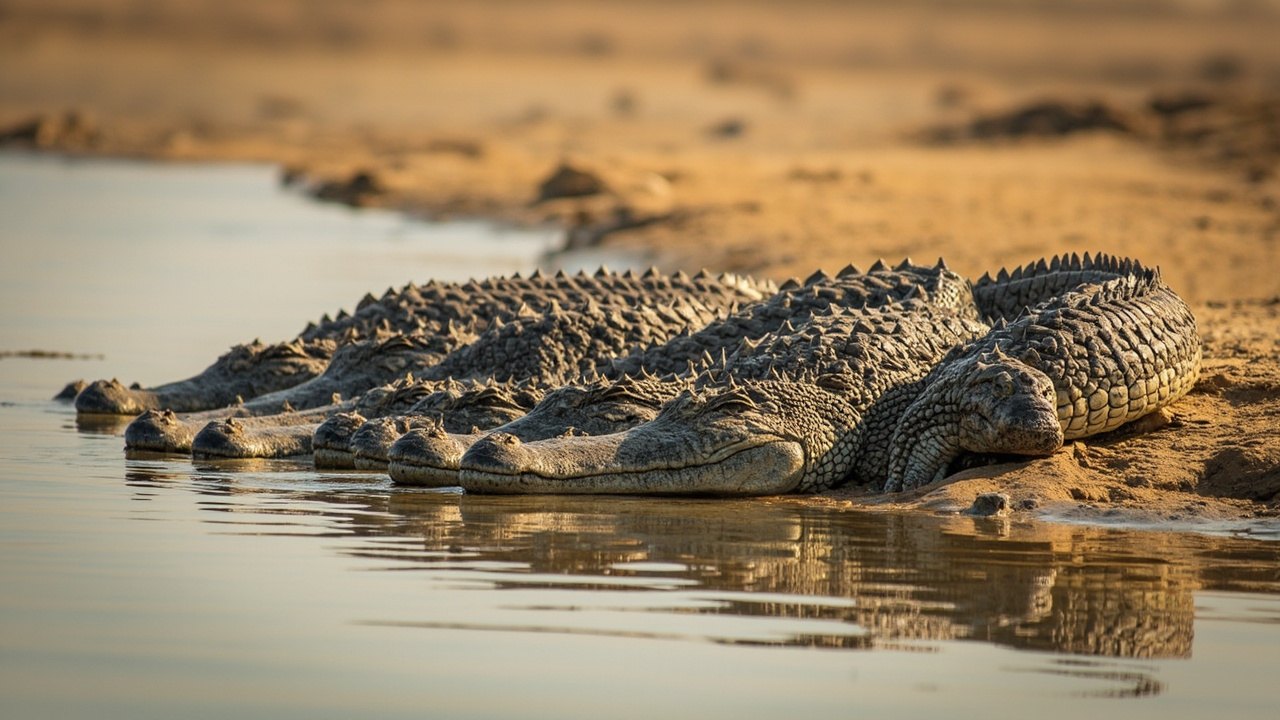
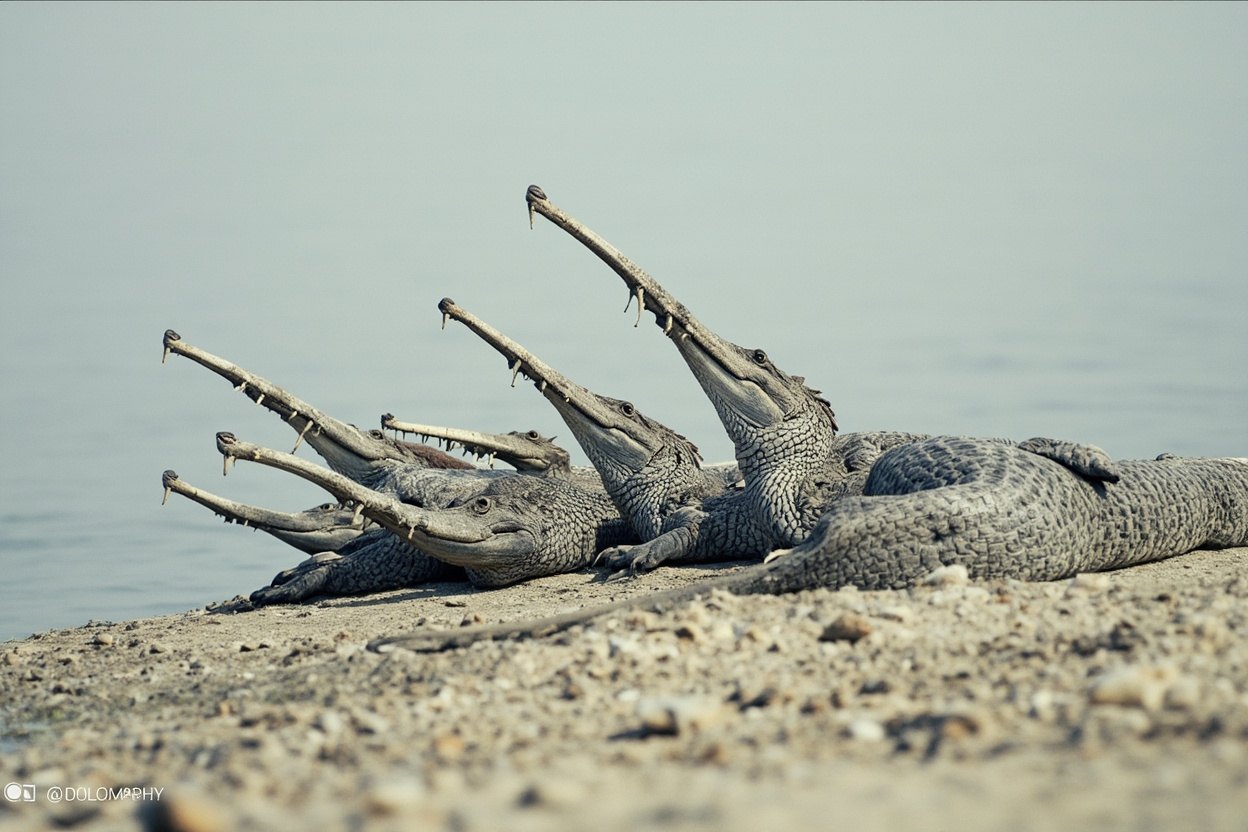
Do not approach basking crocodilians, nests or riverbanks used by wildlife. A photograph taken from a safe distance is far better than disturbing a rare animal or entering water where crocodilians may occur.
River Form Determines Available Habitat
A deep channel, a gently sloping sandbank and connected side water do different jobs for a gharial. Altered flows can change how long banks remain exposed and where fish or young animals can find shelter. A conservation plan needs to examine the whole river reach rather than treating a single basking beach as the entire habitat.
Fish-Dominant Does Not Mean One Food Item
The long narrow snout is closely linked to catching fish, yet diet can vary with age, season and what a river provides. A broad description of a fish-dominant diet is more accurate than a claim that every individual eats the same prey. This distinction matters when changing fisheries or water quality alter food availability.
Rearing and Release Need Follow-Through
Animals raised for release still need protected river habitat and monitoring after they enter the wild. Survival, movement, later breeding and the condition of nesting sites help show whether a programme is contributing to recovery rather than producing a short-term event.
Sources and review notes
Reviewed 23 August 2026. Reptile biology is wonderfully variable. We have avoided turning one species, photograph or dramatic observation into a rule for an entire group, and we have used cautious wording where evidence or local conditions differ.
Reference starting points: The Reptile Database, The IUCN Red List of Threatened Species, and PubMed-indexed research. Conservation status, taxonomy and local laws can change, so check the linked databases and the relevant local authority for current information.
Spotted something we should revisit? Send Reptile Explorer a correction—thoughtful reader feedback is always welcome.