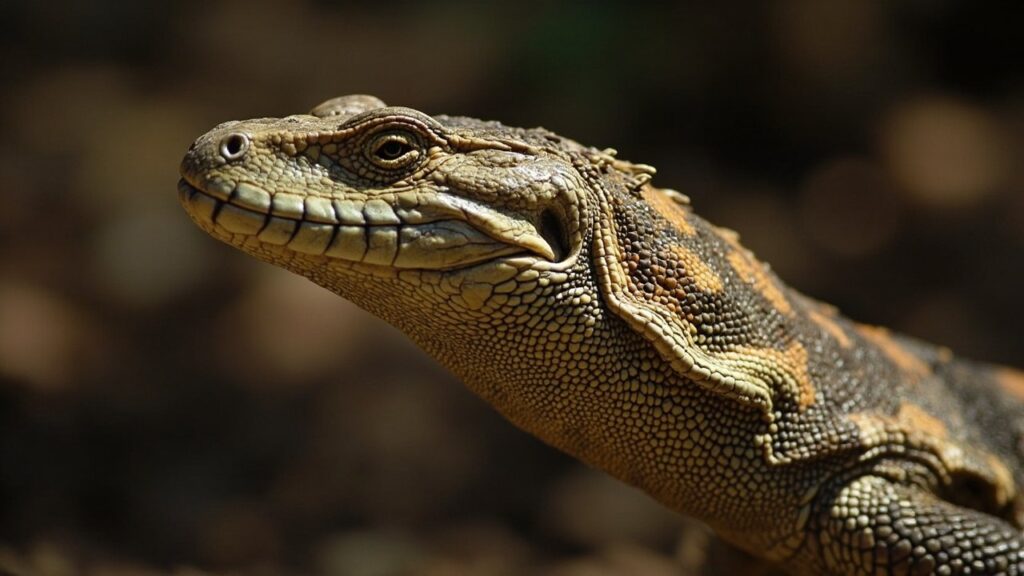
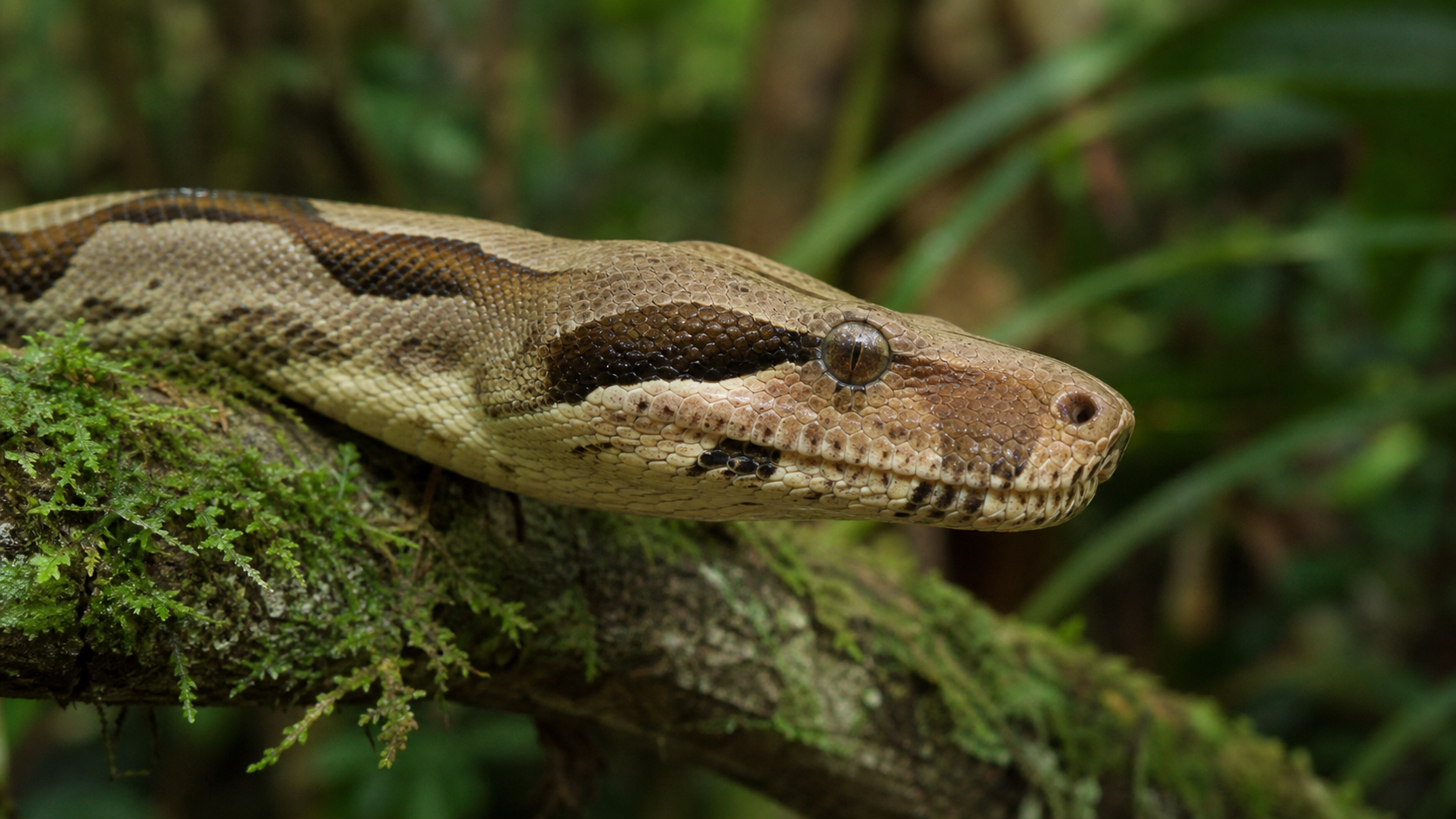
Boa constrictors can detect thermal contrast with heat-sensitive receptors in the labial scales and underlying tissue. Unlike pit vipers and some pythons, Boa constrictor does not have visible external labial or loreal pit organs. Thermal signals travel through trigeminal pathways and complement vision and chemical sensing.
Different from pit-viper organs
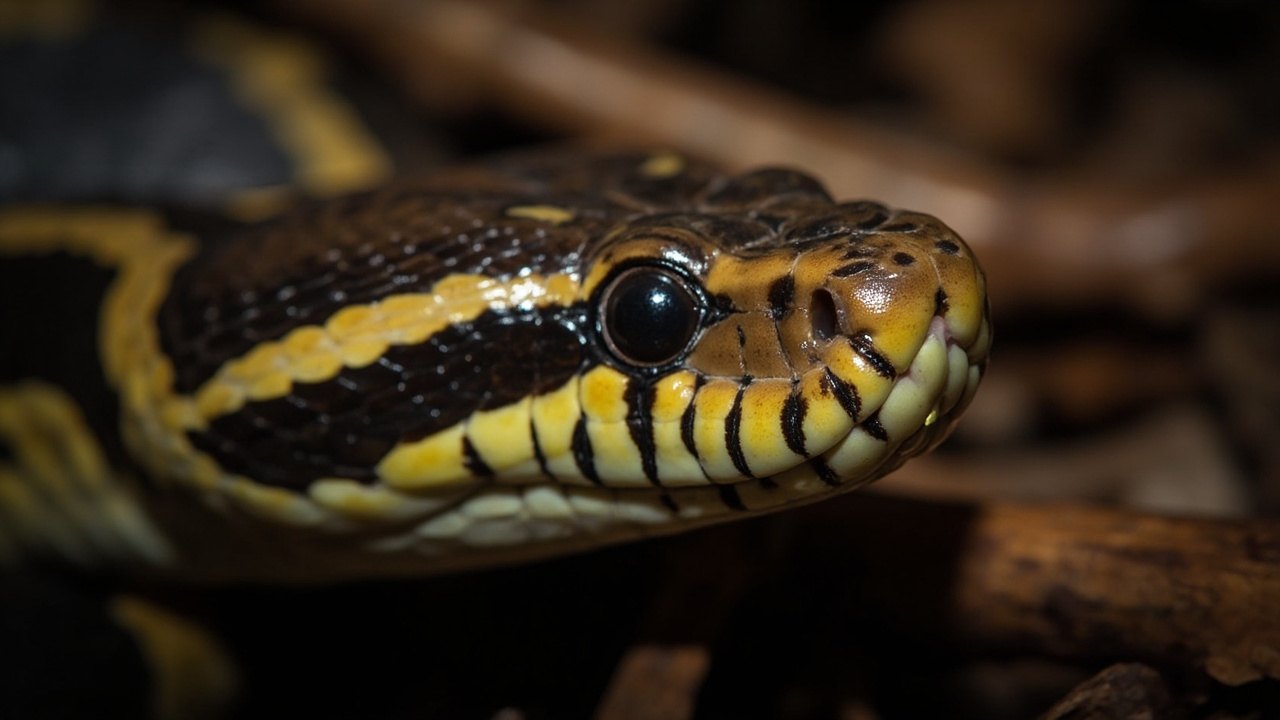
Pit vipers have paired loreal pits between the eye and nostril. Boa constrictors use a different anatomical arrangement, with temperature-sensitive nerve endings associated with the lip scales. The two systems should not be described as identical, and detection distance varies with the animal, target and surroundings.
What thermal sensing can do
Thermal information can help a boa detect a warm target when it contrasts with the background, especially in low light. It works alongside sight, smell and chemical cues rather than replacing them. Evidence from pit vipers should not be applied to boa constrictors without species-specific support.
Respect the animal
Boas are powerful constrictors with teeth and defensive behaviour. Do not handle wild snakes, provoke feeding responses or use live prey demonstrations. Captive care must be species-specific, lawful and supported by a reptile-experienced veterinarian.
Observe safely
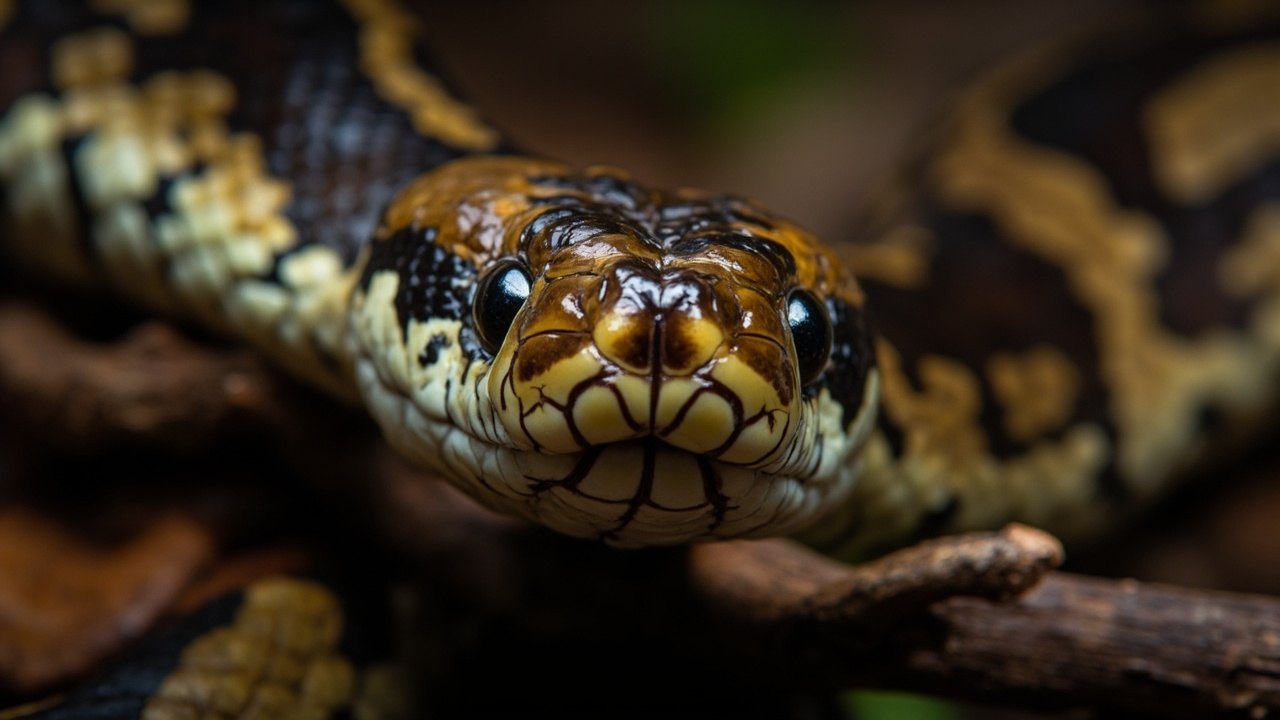
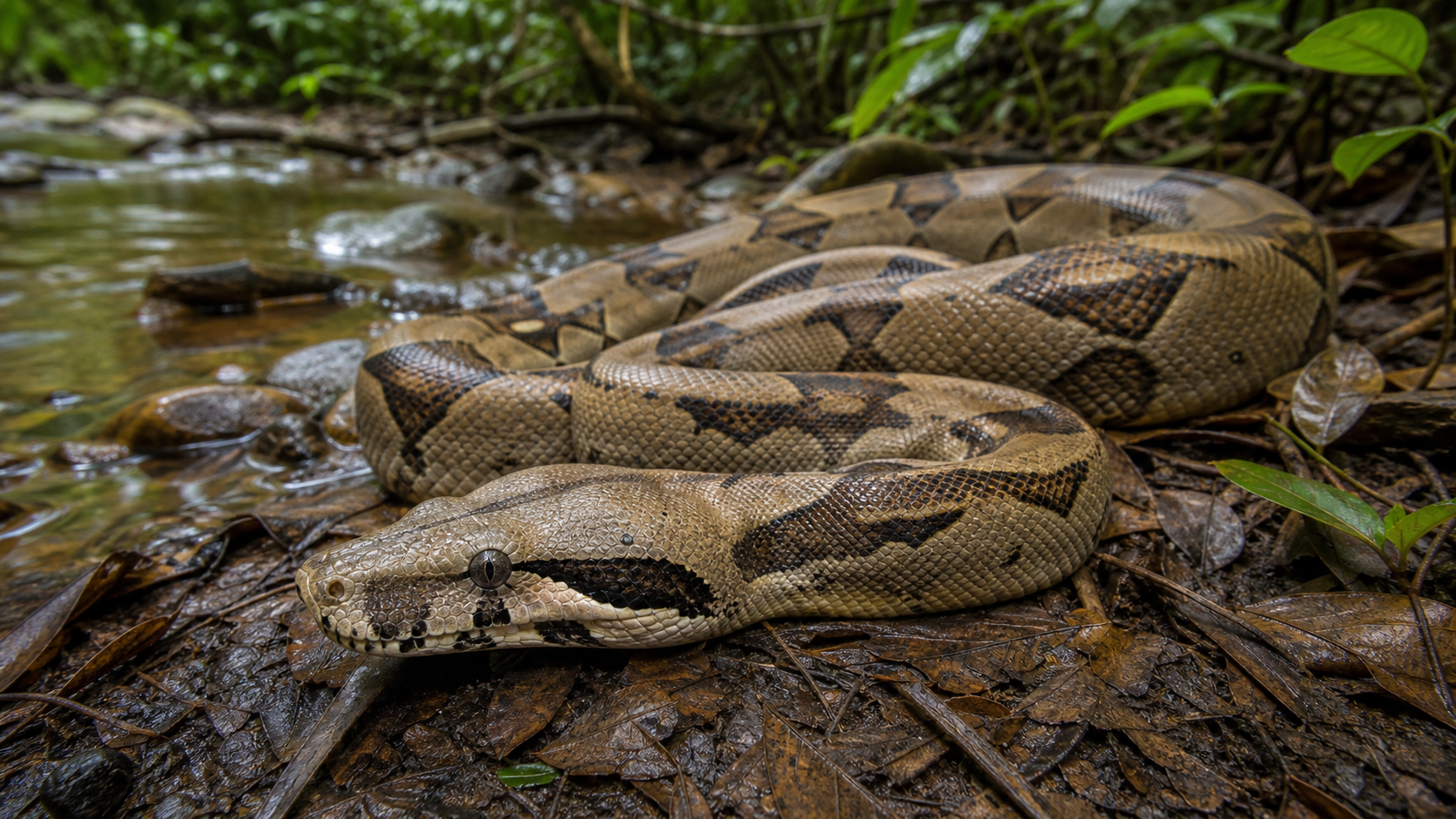
Photographs can document the shape and arrangement of the lip scales without touching the snake. Give any wild snake room to leave, and seek local professional help rather than attempting to remove it yourself.
Thermal Contrast Is Not a Picture
Heat-sensitive receptors respond to differences between an object and its surroundings. A warm target can stand out more clearly when the background is cooler, yet distance, posture, air conditions and the animal’s position can change the signal. Thermal information does not give a boa a human-like image of its surroundings. It is one source of information used alongside vision, tongue-flicking and other sensory cues.
Different Snakes Use Different Structures
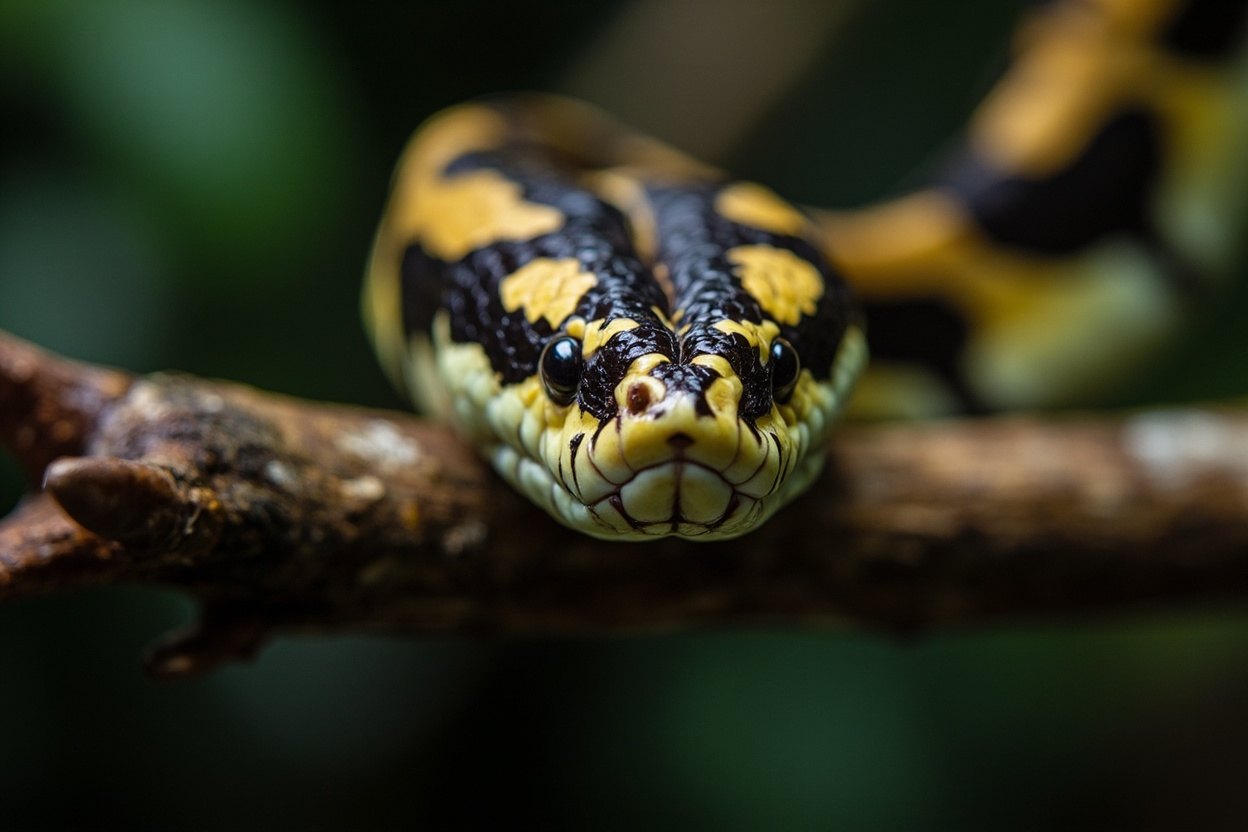
It is tempting to group all infrared-sensitive snakes under the same label, but the structures and evidence differ among lineages. A visible loreal pit in a pit viper is not equivalent to the labial receptor arrangement in a boa. A close photograph may help a trained observer describe scales, but it cannot settle every anatomical question or replace a verified species identification.
Respect Is Better Than a Demonstration
Do not offer a warm hand, use a heat source to provoke a strike or test a snake’s responses for a video. Such demonstrations can stress the animal and create a bite risk. In captive care, secure resting places and measured enclosure conditions are more useful than repeatedly stimulating a defensive or feeding response.
Sources and review notes
Reviewed 23 August 2026. Reptile biology is wonderfully variable. We have avoided turning one species, photograph or dramatic observation into a rule for an entire group, and we have used cautious wording where evidence or local conditions differ.
Reference starting points: The Reptile Database, The IUCN Red List of Threatened Species, and PubMed-indexed research. Conservation status, taxonomy and local laws can change, so check the linked databases and the relevant local authority for current information.
Spotted something we should revisit? Send Reptile Explorer a correction—thoughtful reader feedback is always welcome.