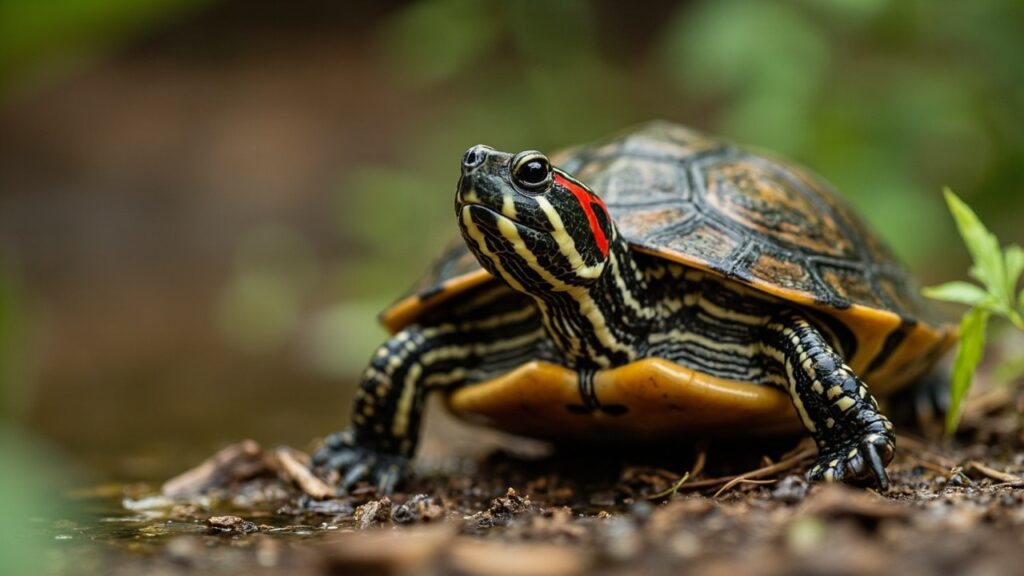
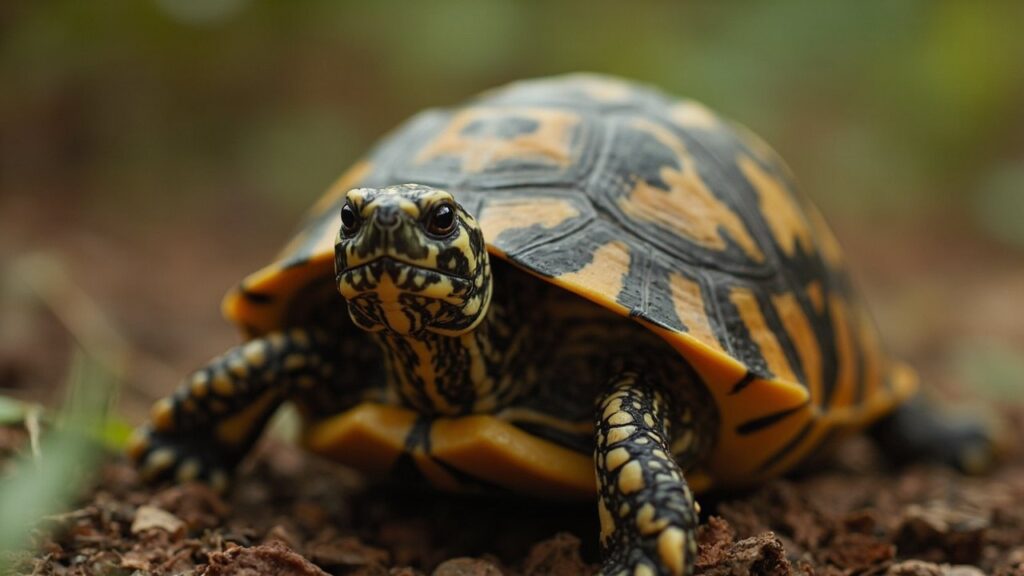
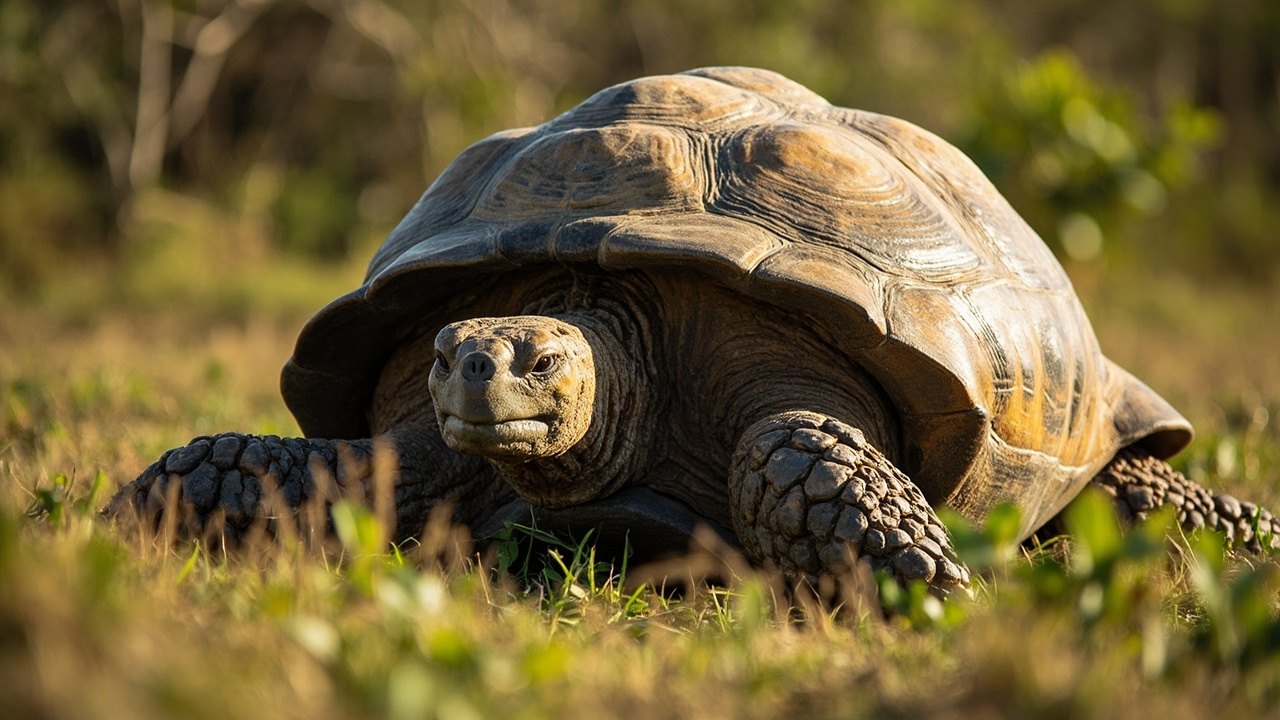
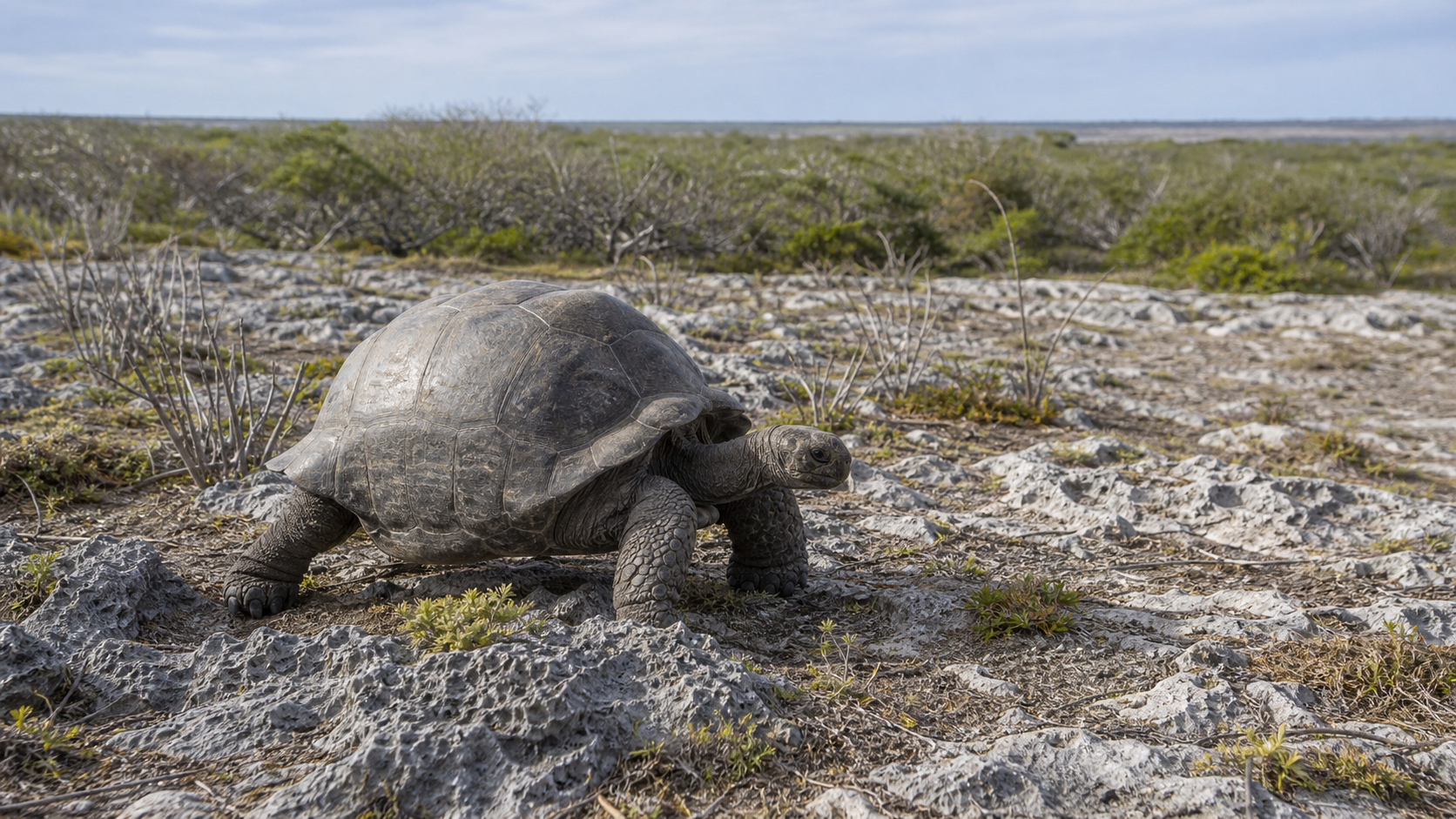
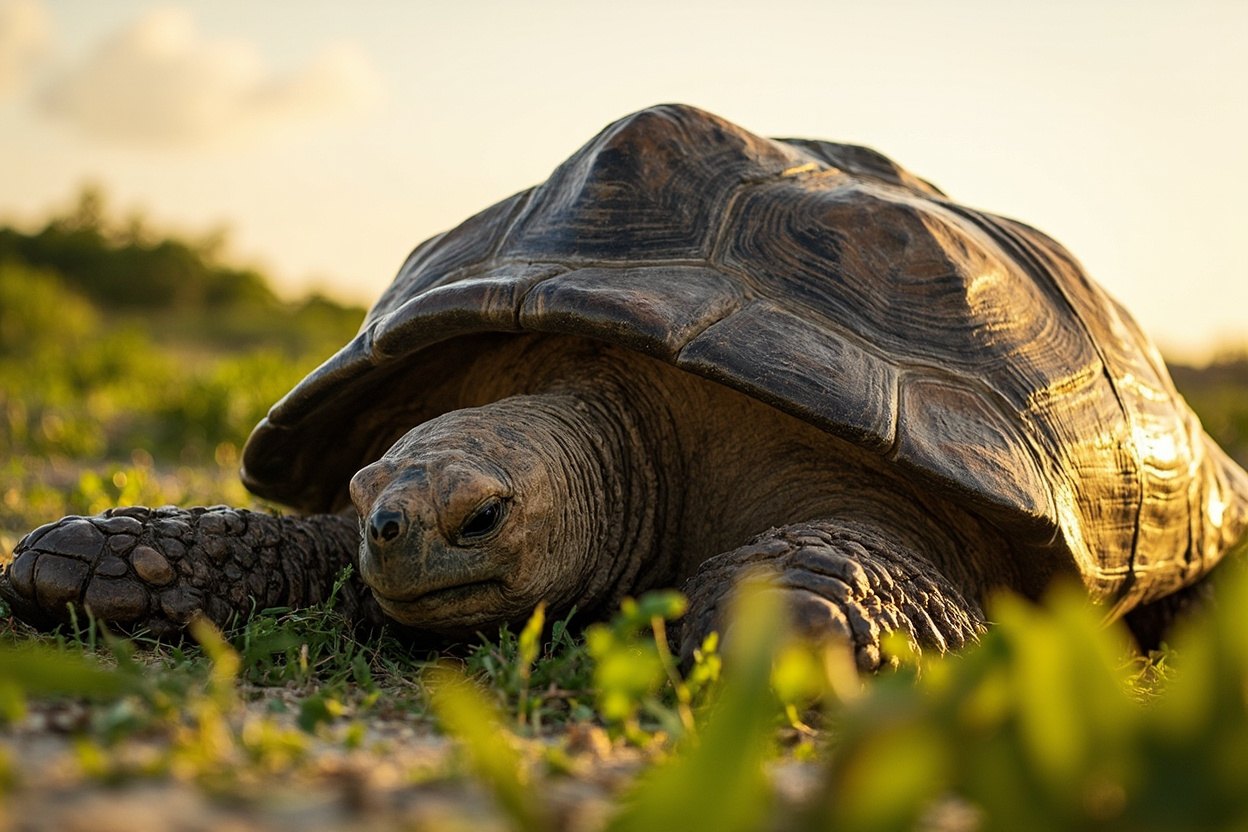
The Aldabra giant tortoise (Aldabrachelys gigantea) occurs naturally in the wild on Seychelles’ Aldabra Atoll. Giant tortoises were once more widespread on islands in the Indian Ocean, but that history should not be confused with this species’ present natural range.
Engineers of the atoll
By grazing, trampling and moving seeds, tortoises help shape the vegetation of Aldabra. Their feeding activity contributes to open tortoise turf and other habitat patterns, making them part of the atoll’s ecological processes rather than simply a long-lived visitor attraction.

Recovery and remaining risks
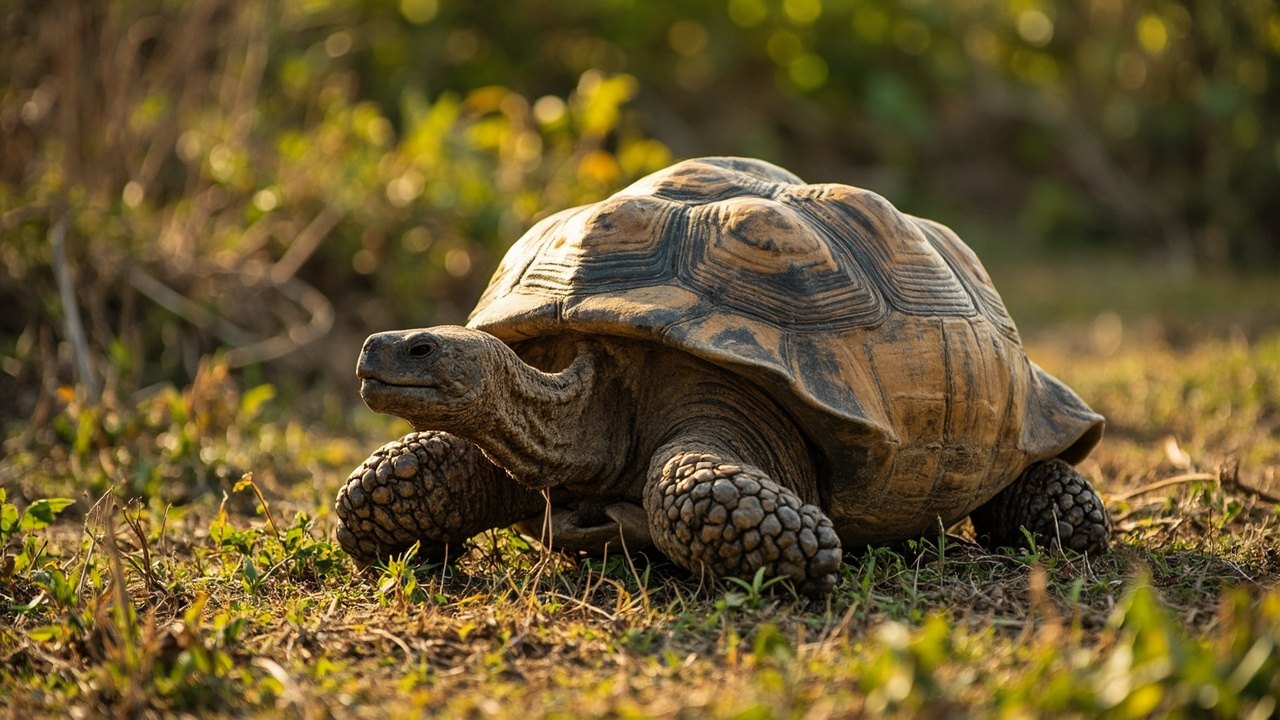
The population recovered from heavy historic exploitation, but its concentration on islands still creates vulnerability. Sea-level rise, invasive species, disease risk and habitat change require continued biosecurity and monitoring. The species is assessed as Vulnerable, so it should not be described casually as either secure everywhere or as an endangered beach animal.
Respect the wildlife
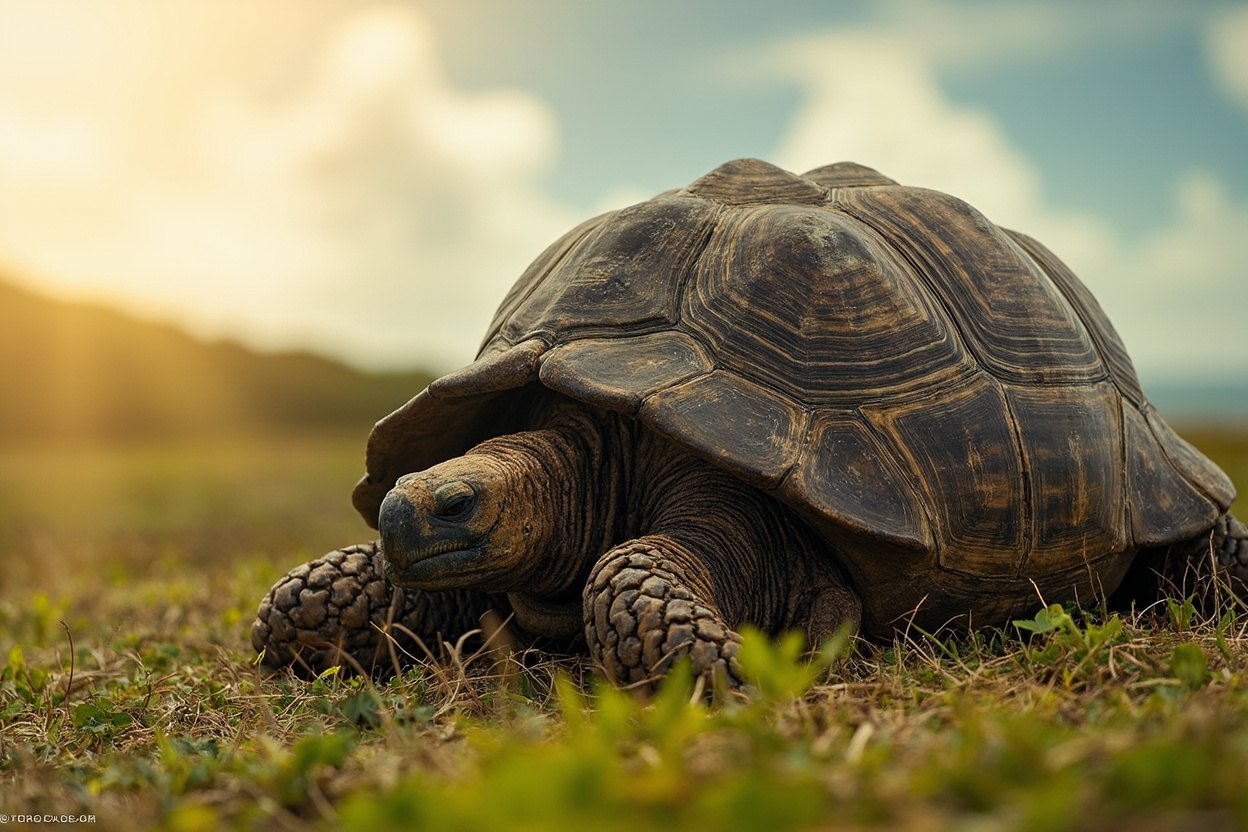
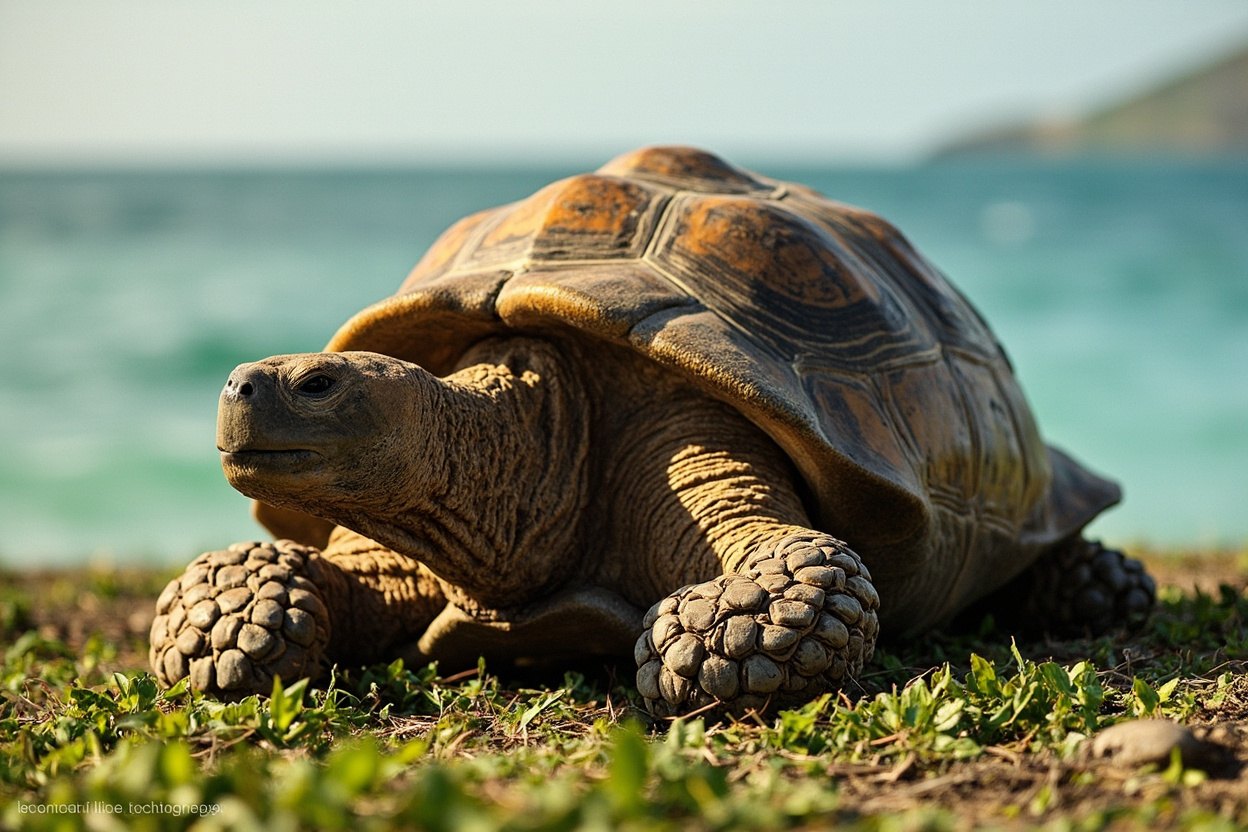
Never feed, ride or crowd a tortoise. Slow movement does not make a tortoise tame, and close encounters can disrupt feeding, nesting and natural behavior.
Conservation beyond a number
Exact population totals, ages and nesting intervals can change with surveys and differ among locations. The most useful conservation message is to protect the atoll ecosystem, prevent invasive species and support the institutions responsible for long-term management.
Atoll Limits Matter
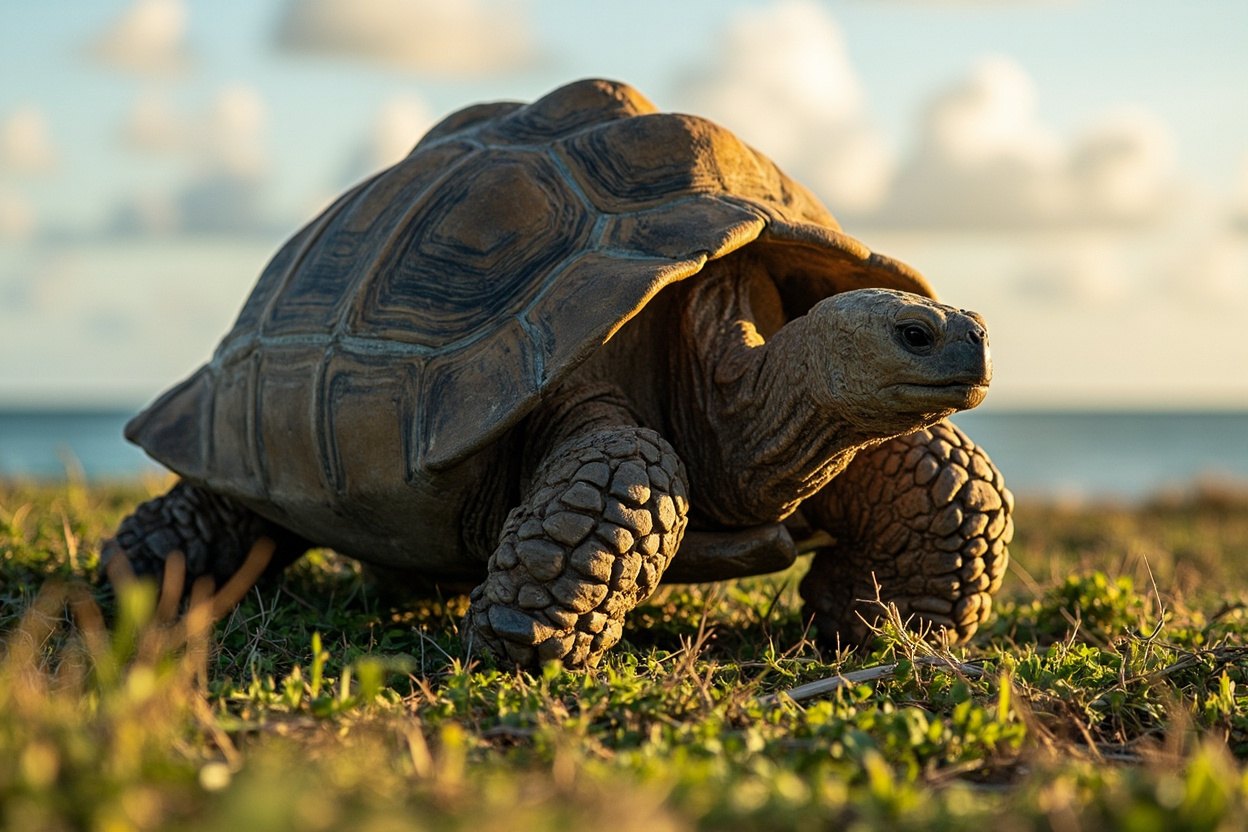
An atoll population has little room to move when nesting ground, vegetation or fresh-water conditions change. Storms, disease and invasive species can have outsized effects when a species is concentrated in a small number of islands. Biosecurity and regular surveys are practical ways to notice a problem before it becomes a wider loss.
Ecological Roles Change With Conditions
Grazing and seed movement depend on the tortoises’ numbers, the plants available and the season. The same animal may use different vegetation or shade as rainfall and temperature change. This is why an ecological role should be described as an observed relationship in a place, not as a claim that every giant tortoise changes every island in the same way.
Good Visits Leave No Lasting Change
Visitors can protect tortoises by staying on permitted routes, keeping clear of feeding and nesting animals and leaving plants, shells and soil where they are. Respectful distance gives animals space to continue ordinary behaviour and keeps a wildlife experience from becoming another source of disturbance.
Sources and review notes
Reviewed 23 August 2026. Reptile biology is wonderfully variable. We have avoided turning one species, photograph or dramatic observation into a rule for an entire group, and we have used cautious wording where evidence or local conditions differ.
Reference starting points: The Reptile Database, The IUCN Red List of Threatened Species, and PubMed-indexed research. Conservation status, taxonomy and local laws can change, so check the linked databases and the relevant local authority for current information.
Spotted something we should revisit? Send Reptile Explorer a correction—thoughtful reader feedback is always welcome.