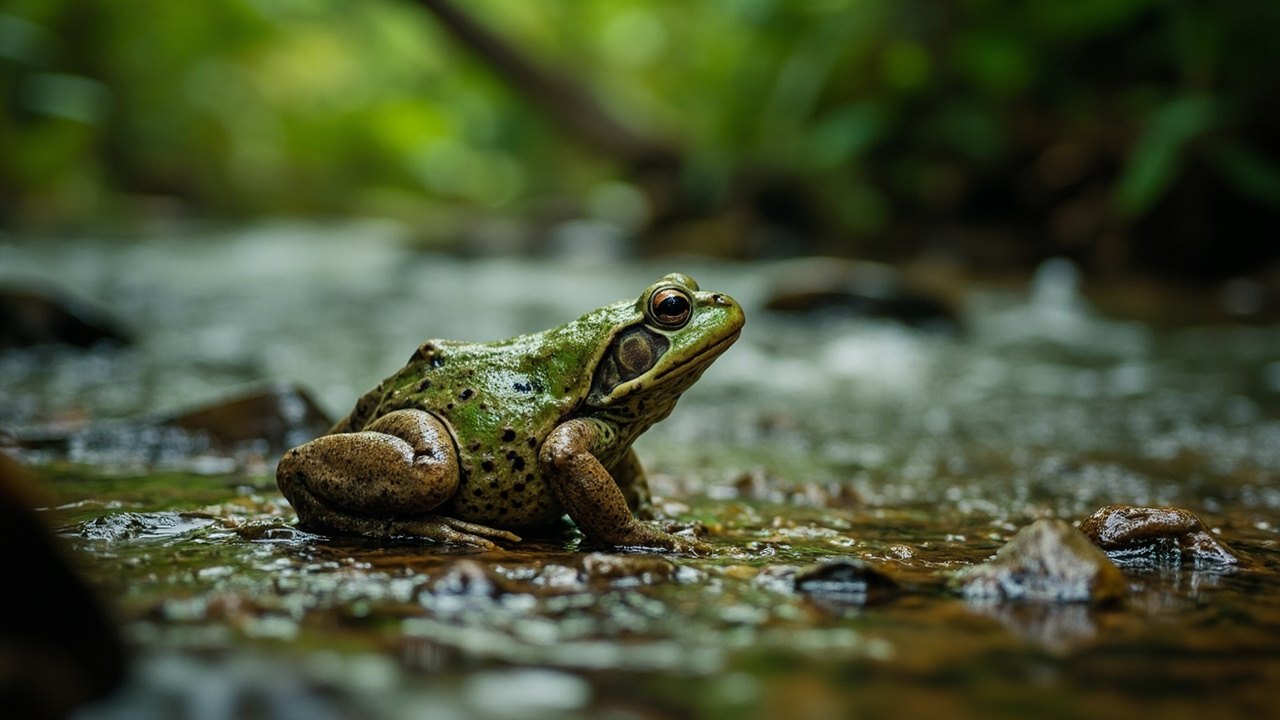
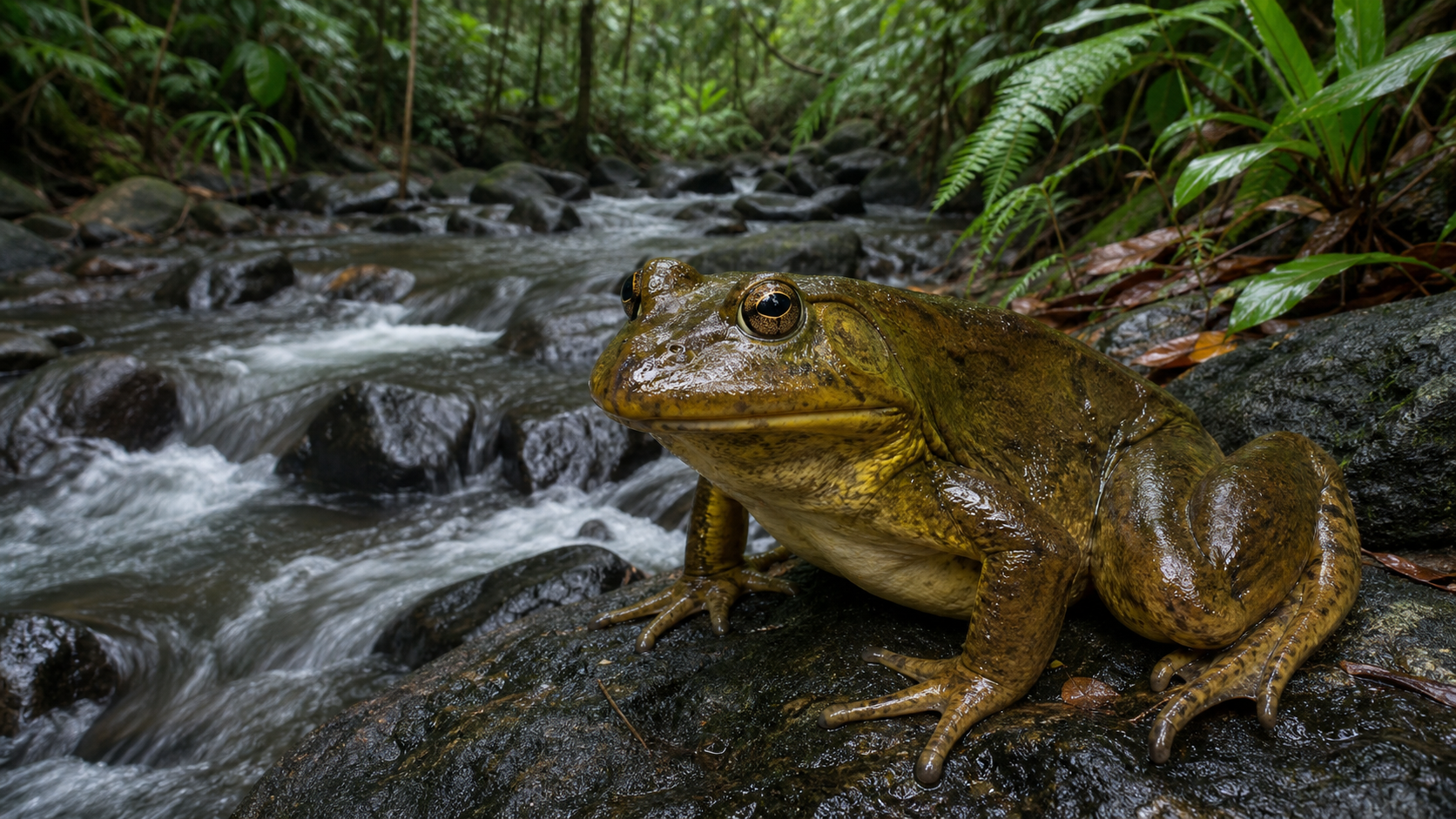
Goliath frogs are the biggest frogs on Earth and live in fast-flowing rainforest streams in Equatorial Guinea and Cameroon (Britannica source). They are impressive hunters, feeding on insects, crustaceans, fish, amphibians, and other small animals. Farms, logging, and hunting have put pressure on the streams and forests they need.
If we want to keep these unique amphibians around, we need to learn more about what they eat and how they behave. Their future depends on us understanding and protecting their environment.
The situation is urgent. These frogs are facing real threats, and we don't have much time to act. Scientists are working hard to figure out how to best protect them, but it's a race against time.
It's not just about saving one species. The Goliath frogs are part of a bigger ecosystem. If they disappear, it could upset the balance of their whole habitat. That's why it's so important to pay attention to what's happening in these rainforests.
Habitat and Distribution
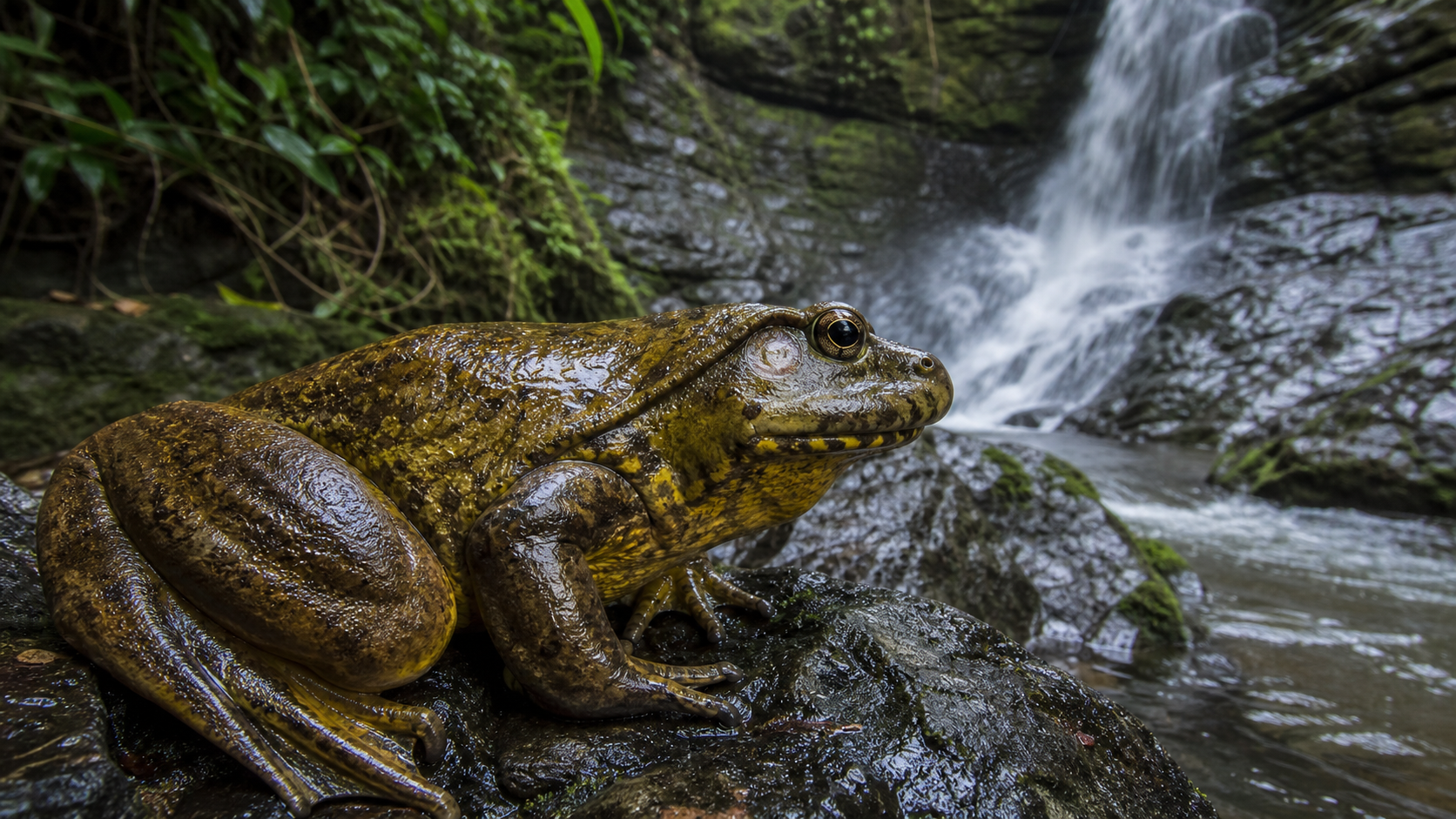
Goliath frogs call the rainforests of western Africa home, particularly thriving in the dense forests near rivers and waterfalls in Equatorial Guinea and Cameroon. Their environment is a rich tapestry of lush greenery, flowing streams, and cascading waters, where humidity hangs thick in the air and life flourishes everywhere. These amphibians are picky, favoring the clean waters of secluded basins that provide the perfect mix of protection and food.
Their narrow range stems directly from these strict environmental needs. Goliath frogs require the steady flow of pure, oxygen-rich water found in these specific rivers to survive. Sadly, human activities like clearing forests, farming, and hunting have badly damaged their habitat. The once-thick rainforests are quickly shrinking, and the rivers they depend on are becoming polluted and fragmented.
Protecting these frogs is more urgent than ever. Safeguarding their unique habitat in the Cameroon and Equatorial Guinea rainforests is crucial to keep them from becoming yet another threatened species. Quick action is needed to preserve these remarkable creatures and the delicate ecosystems they inhabit.
Diet and Feeding Habits

In the dense greenery of rainforests, Goliath frogs come alive at night, showcasing a varied diet that includes insects, crustaceans, fish, amphibians, and other small animals. These amphibians have carved out a unique place in Cameroon and Equatorial Guinea's stream ecosystems, but their specific food preferences make them susceptible to changes in their environment and human interference.
Research shows their tadpoles are picky eaters, depending on certain plants near waterfalls. This mirrors the adults' need for a diverse menu, crucial for their wellbeing. Unfortunately, expanding farms and hunting have led to dwindling numbers, disrupting their natural feeding patterns.
Grasping these dietary habits is key to protecting Goliath frogs. Their food needs underscore the delicate balance within their habitat, emphasizing the urgency to curb human activities that put them at risk.
A snapshot of their diet:
| Food Source | Feeding Time | Where They Feed |
|---|---|---|
| Insects | Night | Forest floor |
| Crustaceans | Night | River edges |
| Fish | Night | Waterfalls |
| Rare Bats | Night | Tree canopies |
Safeguarding these areas is vital for the future of these remarkable amphibians.
Reproduction and Life Cycle

During breeding, adult Goliath frogs use clean, fast-flowing stream edges and small pools near waterfalls. Males have been reported clearing or building nesting pools, and females lay hundreds of eggs attached to rocks or vegetation in these oxygen-rich sites. Development through the tadpole stage takes roughly 85 to 95 days.
The life cycle of these remarkable amphibians unfolds in several stages:
- Eggs: Females lay hundreds of eggs in streamside nesting sites.
- Tadpoles: After hatching, they remain in flowing water and feed on specialized aquatic plants.
- Young frogs: After metamorphosis, juveniles stay tied to the same clean stream systems as adults.
In their natural habitat, Goliath frogs can live up to 15 years, compared to up to 21 years in captivity. Their journey from egg to adult showcases their toughness and ability to adapt. Studying their reproduction and growth gives us a richer understanding of these unique amphibians of Cameroon and Equatorial Guinea.
Threats and Conservation

The Goliath frog faces serious challenges in the Cameroon and Equatorial Guinea. Farmland expansion and human encroachment are shrinking their habitat. Overhunting for food and the pet trade is also taking a toll. To make matters worse, a deadly fungus causing chytridiomycosis is wreaking havoc on amphibian populations.
Protecting these frogs is crucial. Efforts focus on preserving their natural homes and teaching local communities about their importance. Turning hunters into protectors is key. Scientists are studying the frogs' genetic makeup (Animal Diversity Web) to ensure their long-term survival.
Groups like ERuDeF and African Conservation Foundation are leading the charge. They're working to create a culture that values Goliath frogs as vital parts of the ecosystem. By getting local communities involved and tackling threats from farming and habitat loss, we can help save this endangered species. The fight to protect Goliath frogs continues, but with dedicated work, their future in these coastal rainforests looks brighter. Learn about innovative reptile conservation techniques used around the world.
Interactions With Humans

The relationship between humans and Goliath frogs paints a complicated picture. In the rainforests of Cameroon and Equatorial Guinea, these impressive amphibians face serious risks from human activity. People hunt them for food and export, which has hit the frog population hard. On top of that, clearing forests, expanding farms, and logging are wrecking the frogs' homes and breeding spots.
These problems have real consequences. Adult Goliath frogs are getting lighter, which might mean they're not eating well or have health issues. There's also an uneven mix of young and old frogs, raising red flags for their survival.
Key issues include:
- Cutting down forests, which messes up where frogs live and breed
- Farms taking over land where frogs used to hang out
- Groups like San Diego Zoo Wildlife Alliance working to protect these frogs
As towns and cities grow, so do efforts to save these amazing creatures. We need to step up conservation work to deal with both the immediate and long-term problems humans are causing.
This situation needs urgent attention. While it's easy to feel overwhelmed, there are ways to help. Supporting conservation groups, spreading awareness, and pushing for responsible land use can make a difference. It's about finding a balance between human needs and protecting these unique frogs. Community-led conservation initiatives are often key to making that balance work.
Frequently Asked Questions
What Two Countries Is the Goliath Frog Found In?
The Goliath frog makes its home in the lush forests of Cameroon and Equatorial Guinea. These massive amphibians thrive near rivers and waterfalls in the equatorial regions of both countries. Sadly, their numbers have dwindled in recent years, putting them at risk of extinction. Conservationists are working hard to protect these incredible creatures and their habitats, hoping to ensure their survival for future generations to marvel at and study.
What Predators Threaten Goliath Frogs?
Adult Goliath frogs are large, but they can still be vulnerable to people, large snakes, monitor lizards, birds, and mammals near their stream habitat. Eggs and tadpoles face additional pressure from fish, aquatic insects, and changes in water quality.
What Is the Goliath Frog Famous For?
The Goliath frog stands out as the world's biggest frog, growing up to 12.5 inches long and weighing as much as 7.2 pounds. Its diet is quite varied, including insects, crustaceans, fish, amphibians, and other small animals. What's really interesting are its nesting habits and how it breeds. This amphibian is truly one of nature's most impressive creatures.
Why Is the Goliath Frog Going Extinct?
The Goliath frog faces serious threats to its survival. Poachers hunt these amphibians relentlessly, while ongoing deforestation destroys their homes. The illegal wildlife trade also puts immense pressure on their populations. To ensure these frogs continue to thrive in their natural habitats, conservationists are working tirelessly. Their efforts aim to counter these human-caused dangers and protect the species from further decline. Without swift action, these remarkable creatures could disappear from the wild, highlighting the urgent need for effective conservation strategies.