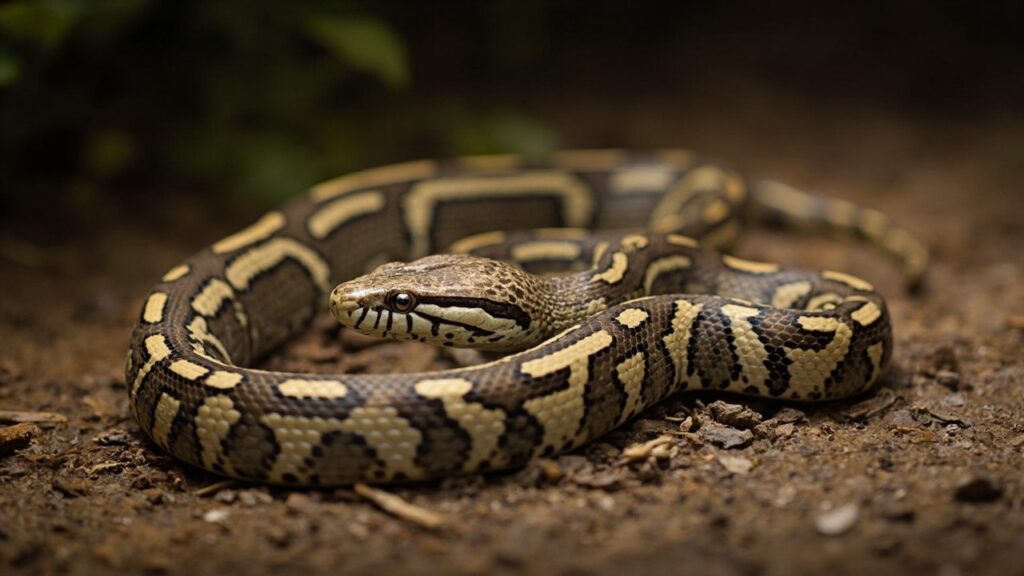
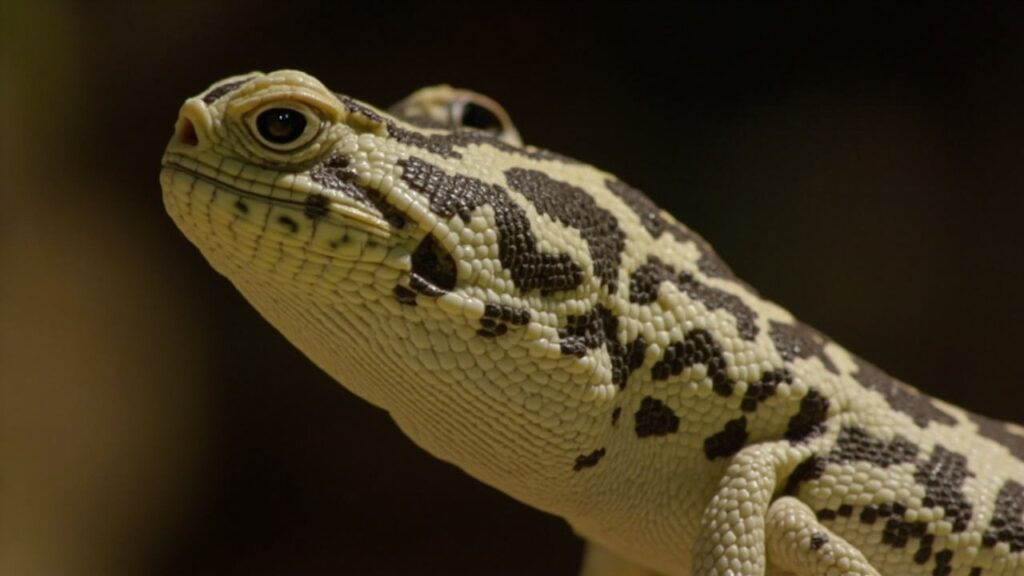
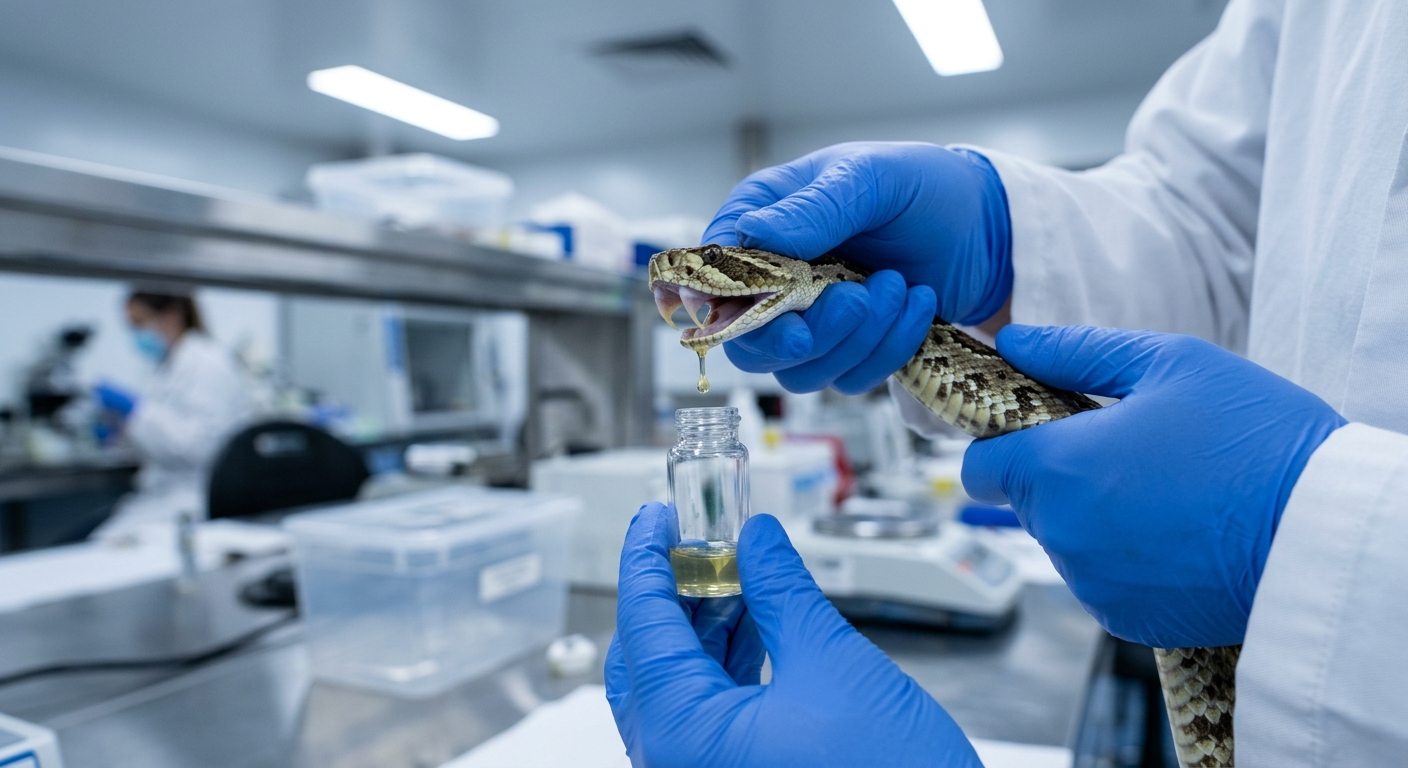
Not all snakes are venomous, and not all venom is medically significant to people. Venom is delivered through a bite or another specialised system; poison is harmful when eaten, touched or absorbed. Those terms are often mixed up in everyday conversation, but they describe different routes of exposure.
Why simple labels fail
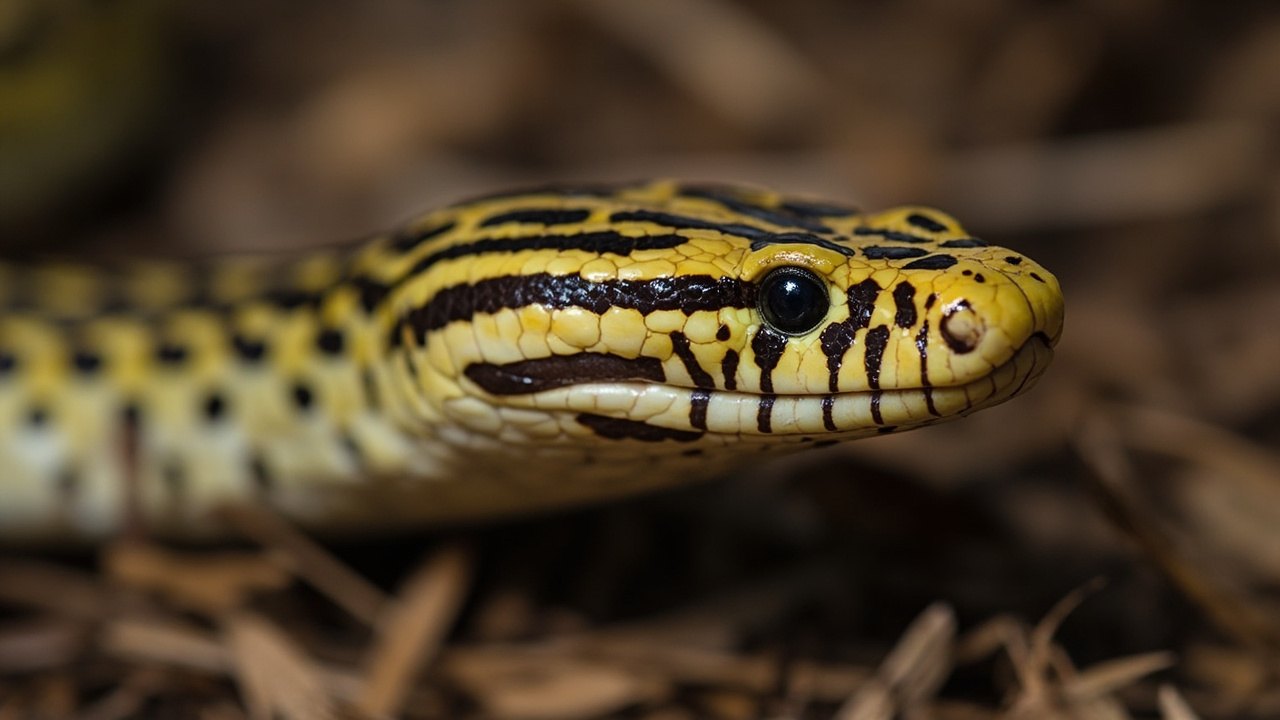
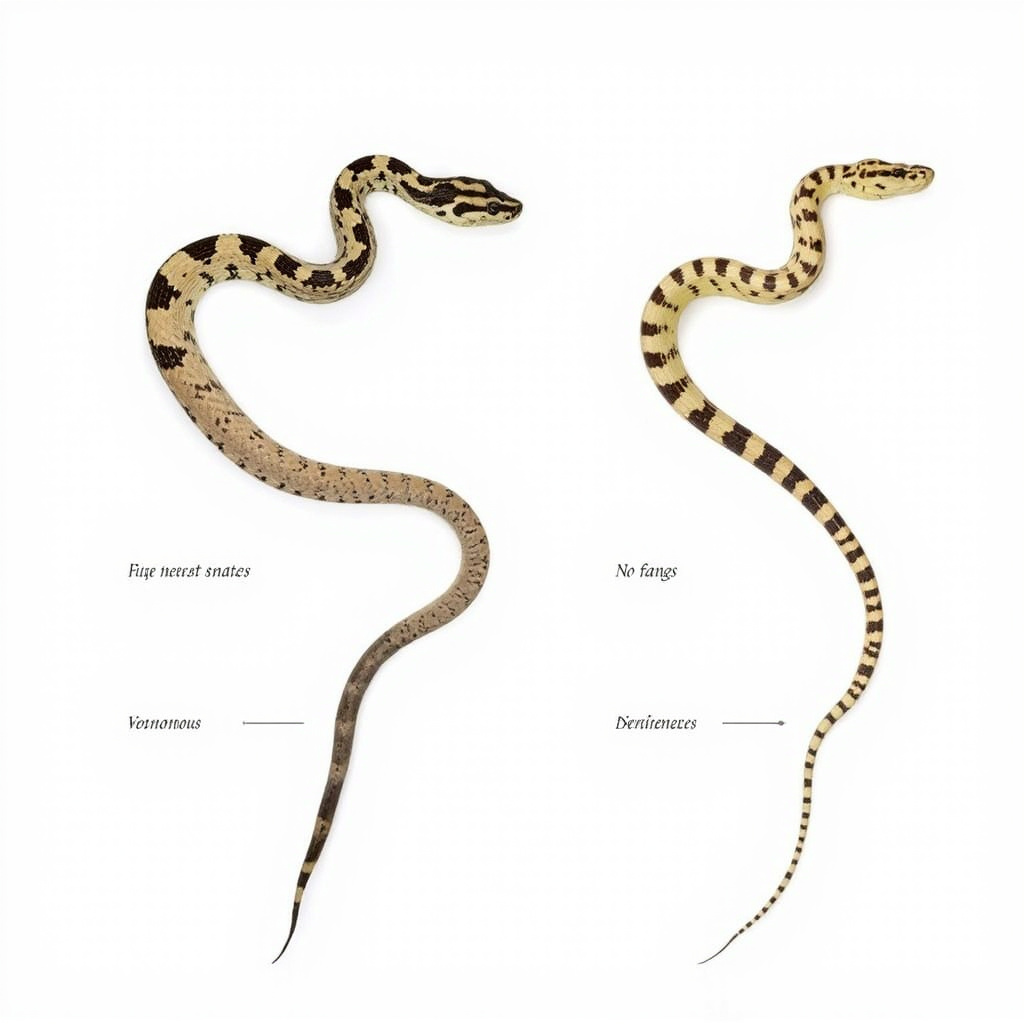
Snake species are not reliably separated into dangerous and harmless groups by head shape, colour, pupil shape or defensive behaviour. Harmless snakes may flatten, hiss or strike, while medically important species can vary greatly in appearance. A photograph is not enough to make a safe identification in every region.
Safety comes before identification
Keep a respectful distance from any unknown snake. Do not attempt to pick it up, move it or test whether it is venomous. In a home or garden, contact an appropriate local wildlife professional. If a bite occurs, seek urgent medical help and avoid cutting, sucking, icing or applying a tourniquet.
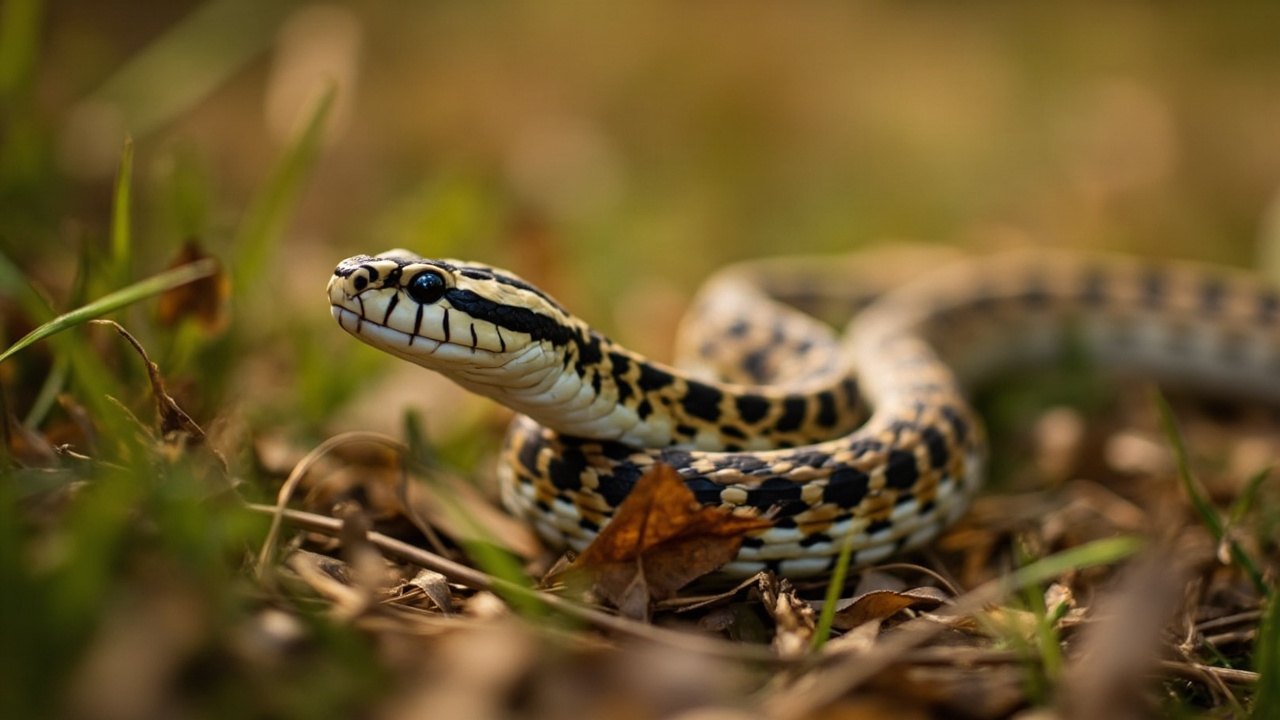
Non-venomous snakes matter too
Many snakes control rodents and other prey, recycle nutrients and serve as food for larger animals. A snake that is not medically dangerous is still a wild animal with teeth, stress responses and an important ecological role. Conservation does not require people to handle them.
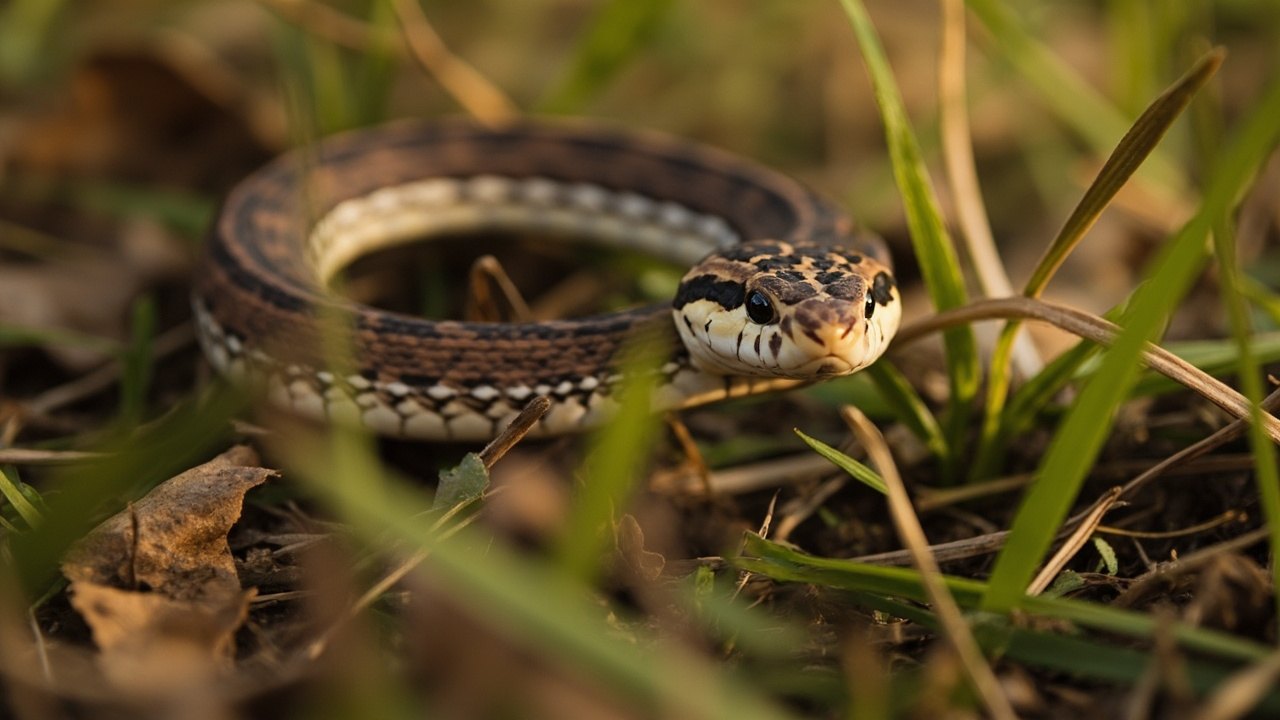
The accurate myth check
The claim that every snake is venomous is false. The safer replacement is not a visual shortcut, but a practice: leave unknown snakes alone and use reliable local expertise when identification or removal is needed.
Know the Local Contact Before a Problem
People who spend time outdoors can keep the number for their local emergency service, poison centre or wildlife authority available before an encounter occurs. The right contact depends on the country and region. A broad internet list cannot replace current local advice about medically important species, wildlife removal or emergency care.
Do Not Make Identification a Challenge
Trying to force a snake to display, lifting it with a stick or killing it for a closer photograph creates avoidable risk. An animal can be left alone while a trained responder is contacted if removal is necessary. A distant image may assist a local expert, but it should be taken only when doing so does not reduce the safety margin.
Respect Supports Coexistence
Snakes may be found near homes because cover, prey or access routes are available, not because they are seeking conflict. Reducing rodent attractants, checking outdoor areas carefully and keeping a respectful distance are practical steps that protect people and wildlife without relying on appearance-based rules.
Sources and review notes
Reviewed 23 August 2026. Reptile biology is wonderfully variable. We have avoided turning one species, photograph or dramatic observation into a rule for an entire group, and we have used cautious wording where evidence or local conditions differ.
Reference starting points: The Reptile Database, The IUCN Red List of Threatened Species, and PubMed-indexed research. Conservation status, taxonomy and local laws can change, so check the linked databases and the relevant local authority for current information.
Spotted something we should revisit? Send Reptile Explorer a correction—thoughtful reader feedback is always welcome.