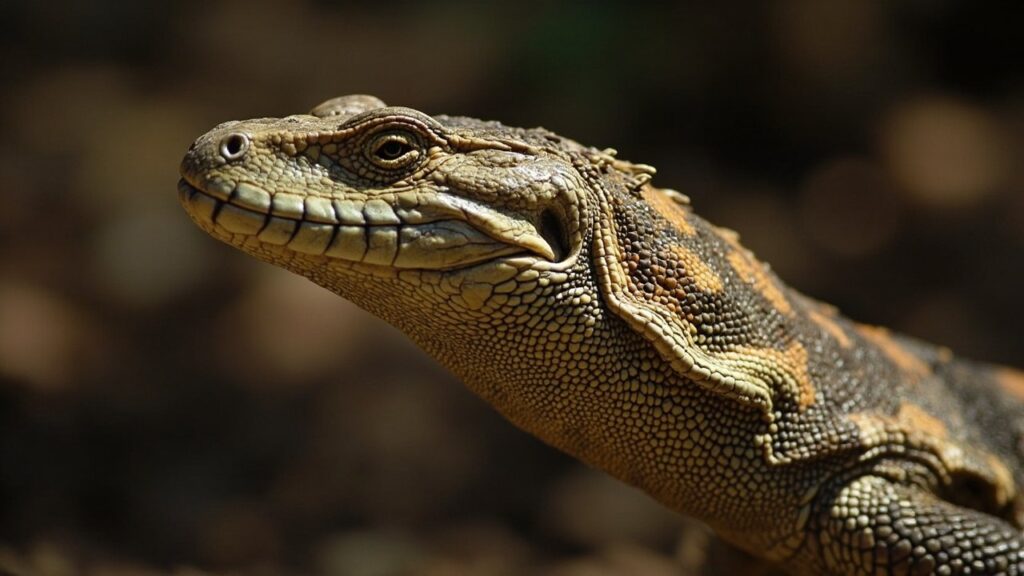
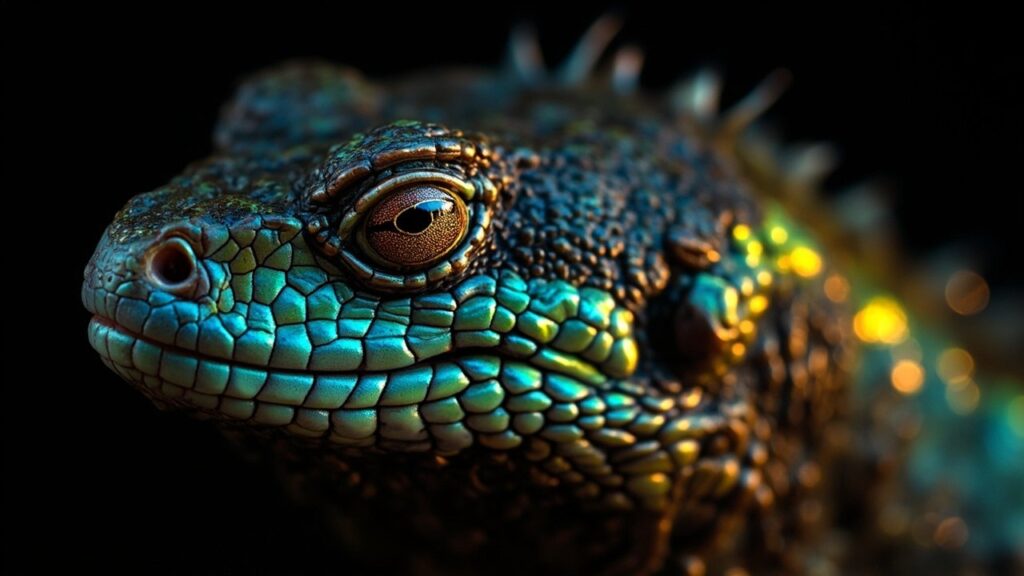
Many skink species can shed part of the tail when a predator grabs it. This defence is called caudal autotomy. The detached section may continue moving and distract the predator while the lizard escapes. It is common in skinks, but it is not universal across every skink species or every lizard.
A controlled break, not a casual trick
In species capable of autotomy, preformed fracture planes in the tail help make detachment possible. Their structure varies among lineages. Blood loss is limited by muscular and vascular responses at the break, but tail loss is still a major event for the animal and should never be induced for entertainment or handling.

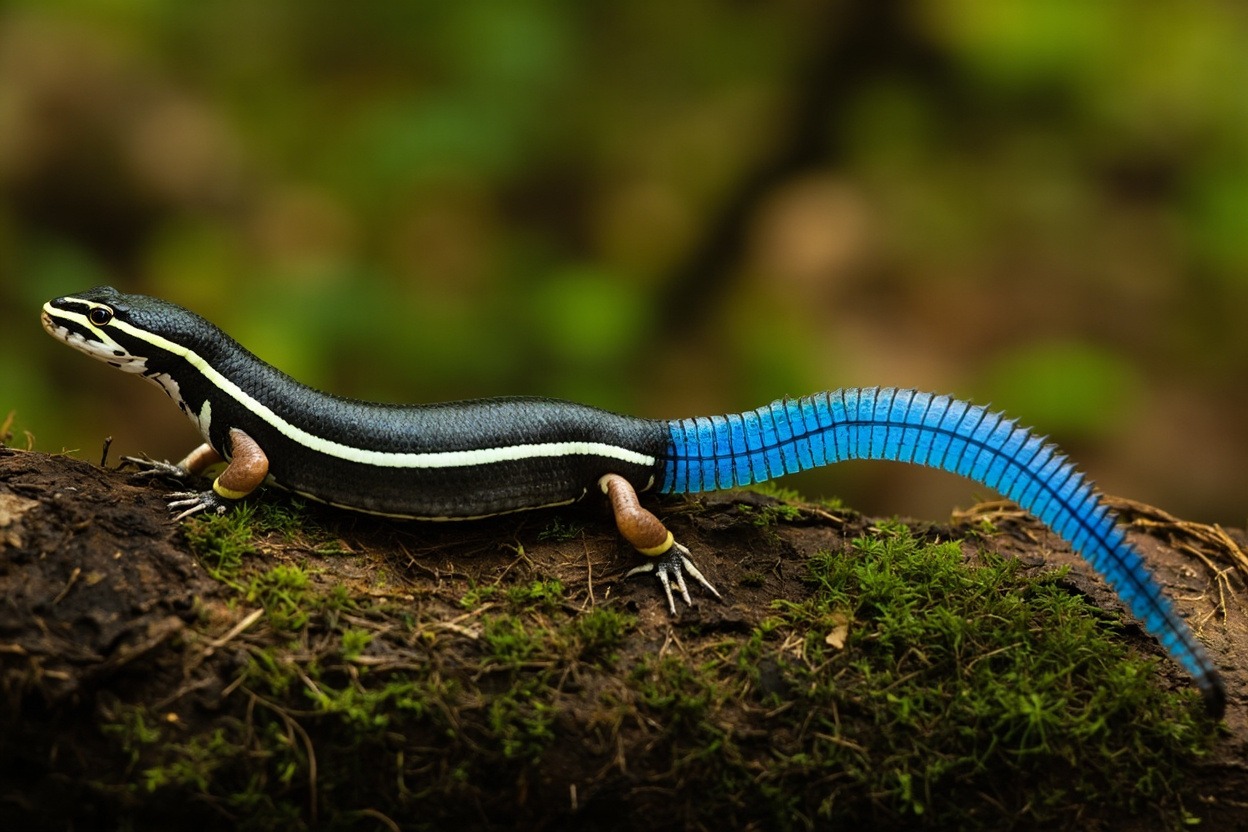
Regeneration changes the tail
Many skinks regrow a tail, yet the replacement is not a perfect copy. It commonly contains a cartilage rod rather than the original series of vertebrae and can differ in shape, colour, scales and movement. Regrowth can take weeks to months, depending on species, age, nutrition, temperature and injury.
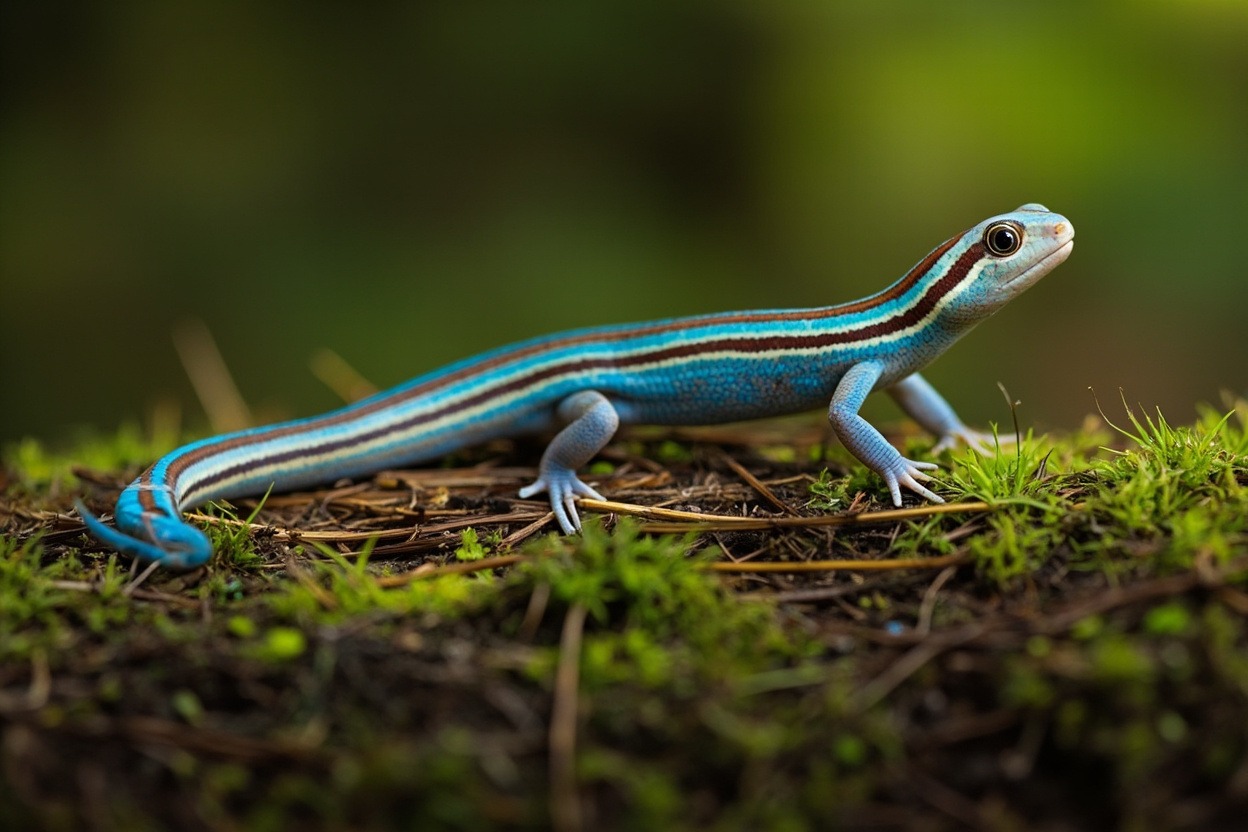
There is a biological cost
A lost tail can affect stored energy, movement, social signalling and reproduction. A regenerated section usually does not contain the same fracture planes as the original, so a later loss may occur farther forward. These trade-offs show why autotomy is an emergency defence rather than a low-cost adaptation.
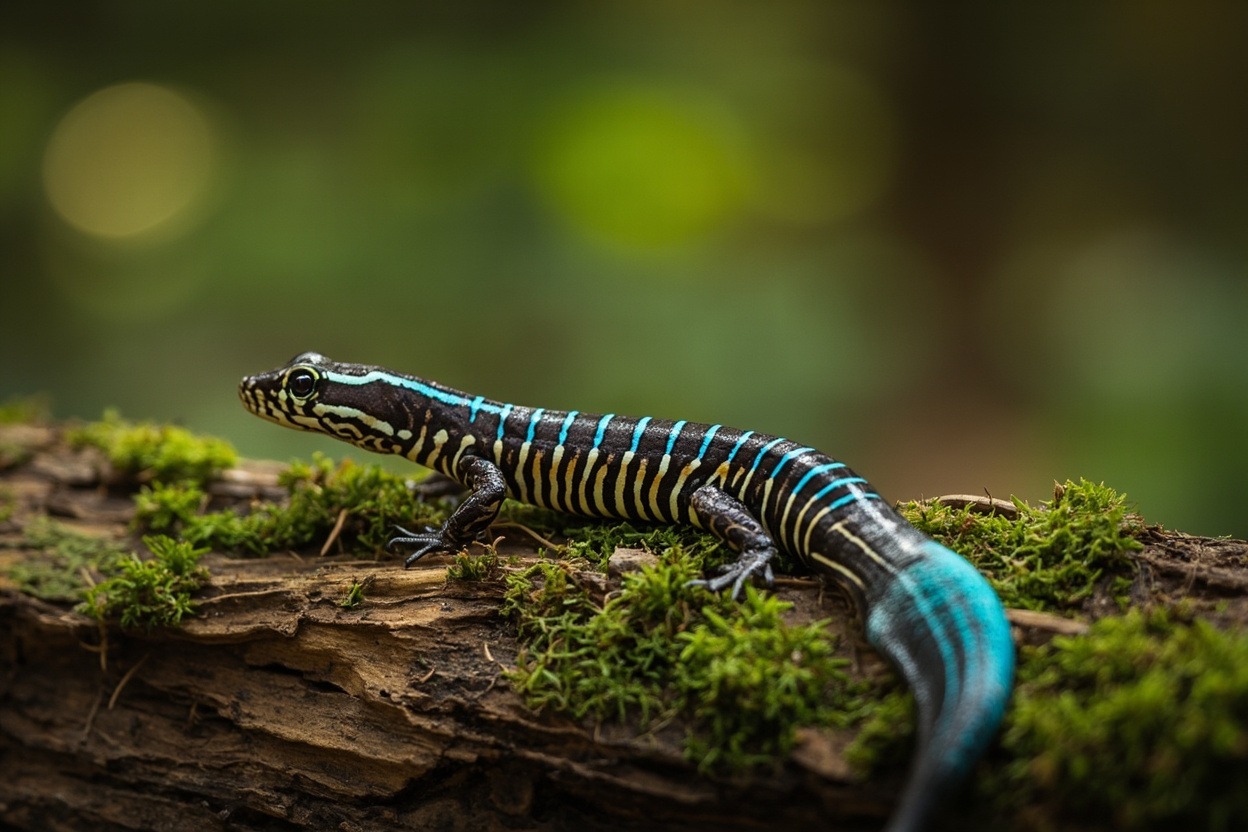
Good care and observation
For a pet skink, avoid restraining the tail. After an accidental loss, provide a clean enclosure, minimise stress and seek reptile-veterinary advice if there is bleeding, swelling, poor appetite or concern about infection. Wild lizards should be watched from a respectful distance.
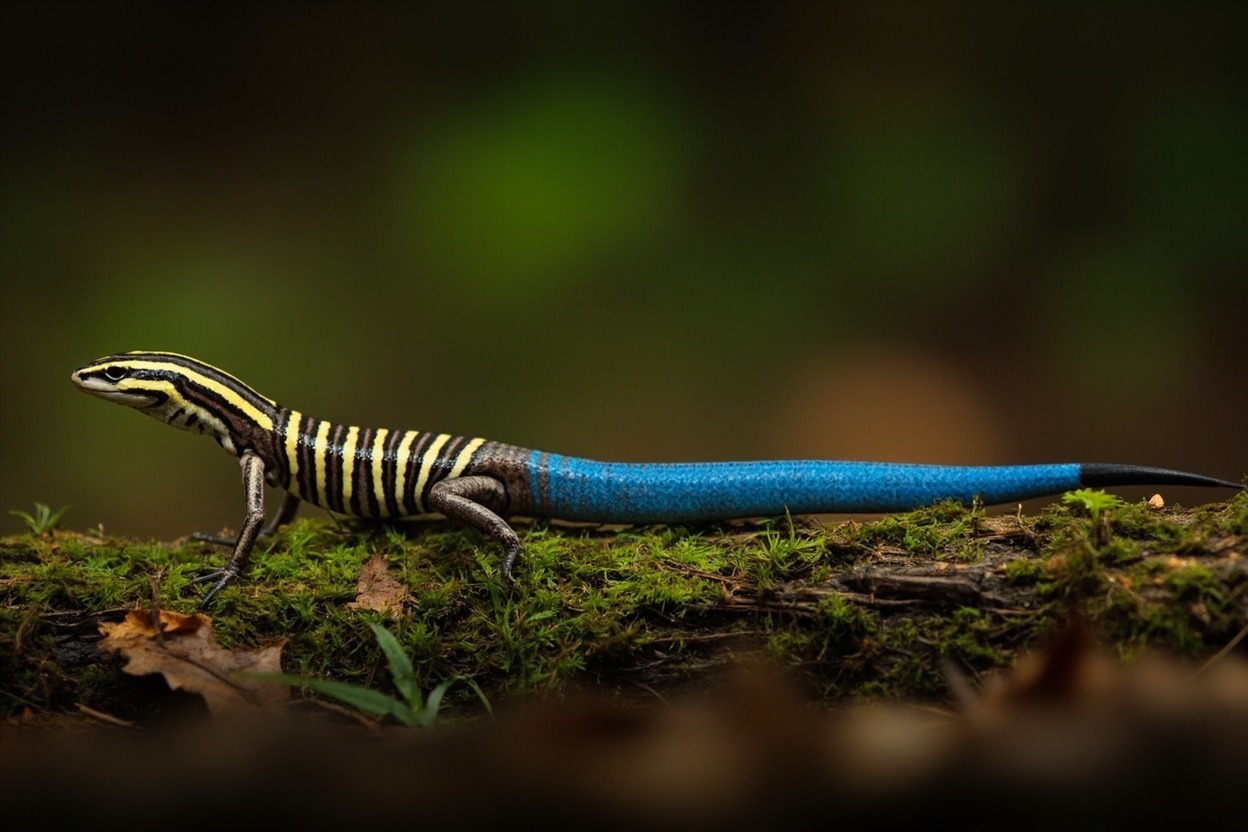
Regrowth Is Useful but Different
In skink species capable of caudal autotomy, tail loss is an emergency escape response. The replacement tail can restore useful function, but its internal skeletal, muscular and spinal cord structures differ from the original. A regenerated tail should not be treated as evidence that the lizard was unharmed. Loss can affect stored energy, movement and social behaviour while the animal recovers.
Preventing Loss Is Better Care
Support the body when handling a pet skink and never grasp or restrain it by the tail. Enclosure furniture should be stable enough that the lizard cannot become trapped or startled by a collapse. A sudden loss, wound or change in appetite warrants reptile veterinary advice, especially when there is bleeding, swelling or debris at the break site.
Sources and review notes
Reviewed 23 August 2026. Reptile biology is wonderfully variable. We have avoided turning one species, photograph or dramatic observation into a rule for an entire group, and we have used cautious wording where evidence or local conditions differ.
Reference starting points: The Reptile Database, The IUCN Red List of Threatened Species, and PubMed-indexed research. Conservation status, taxonomy and local laws can change, so check the linked databases and the relevant local authority for current information.
Spotted something we should revisit? Send Reptile Explorer a correction—thoughtful reader feedback is always welcome.