New Guinea Crocodiles Island Rivers

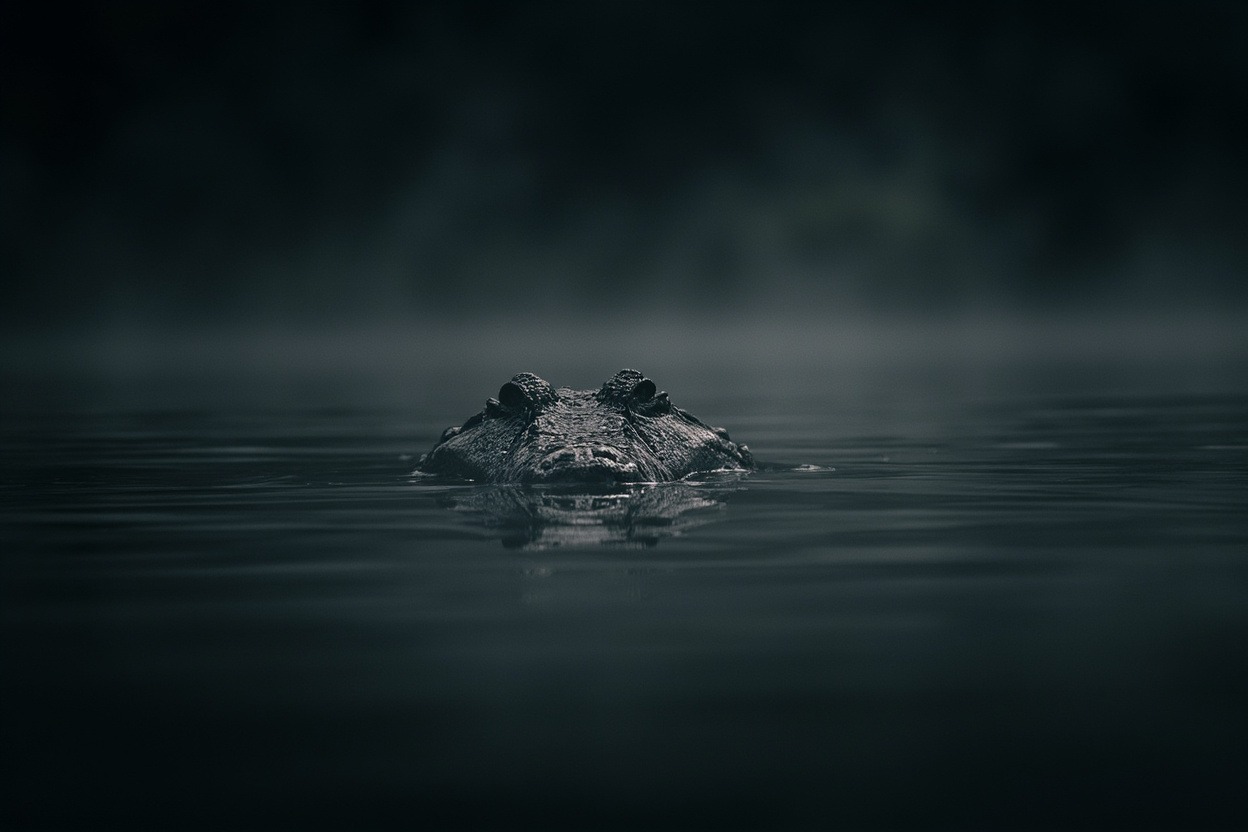
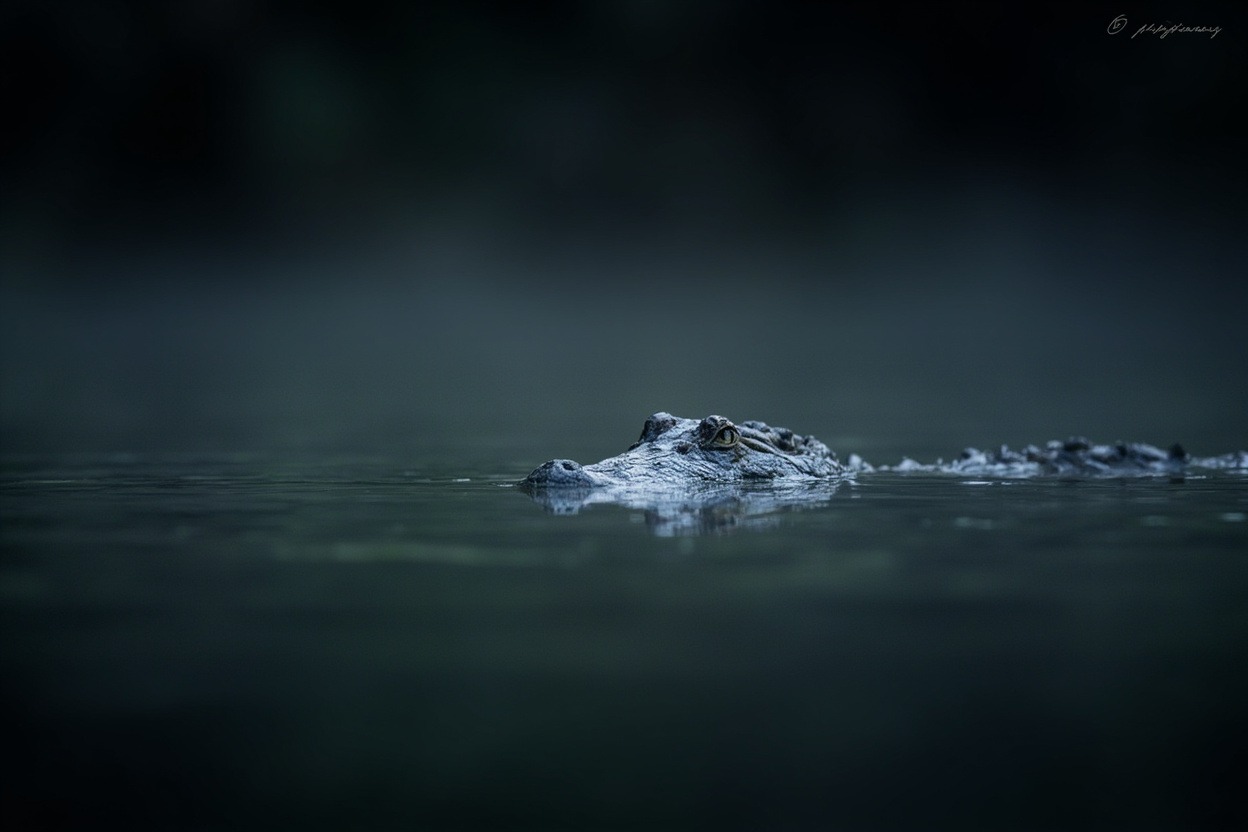
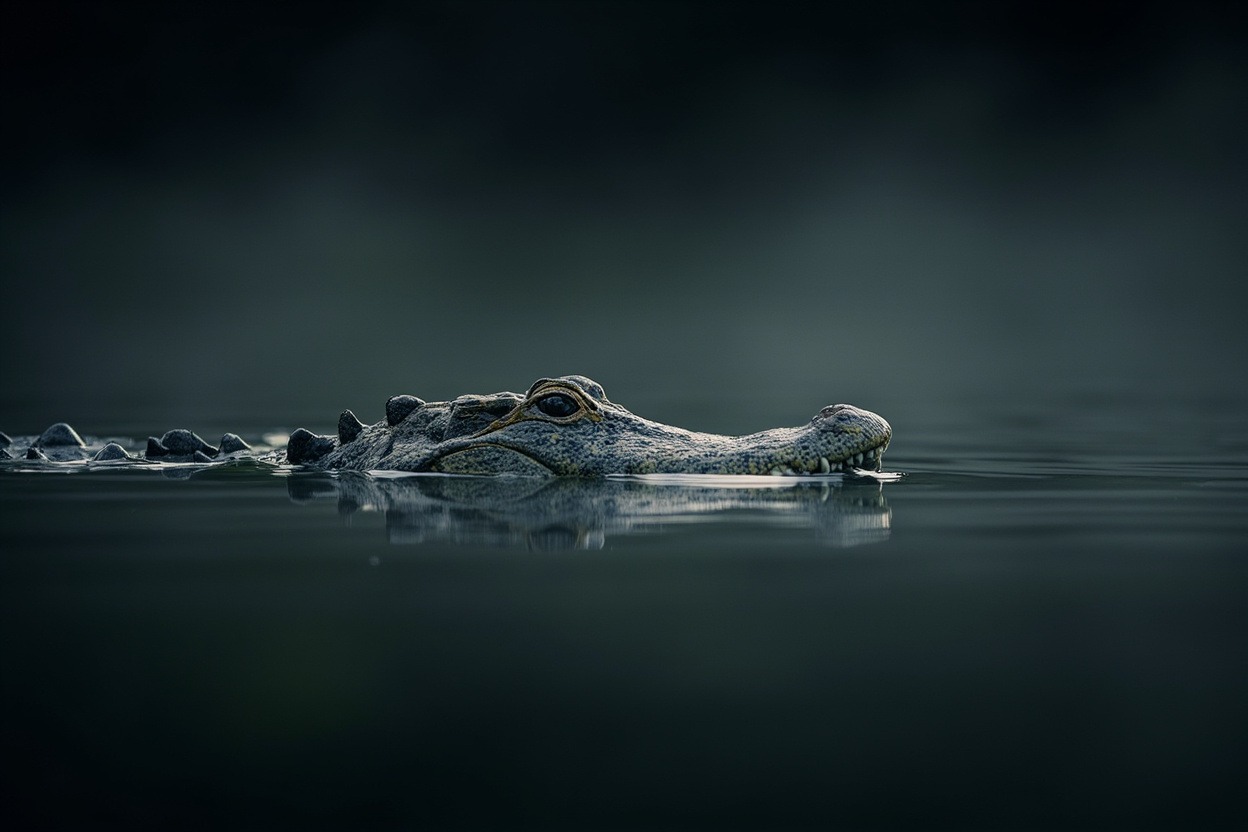
Watching New Guinea crocodiles navigate island rivers is a sight to behold. These tough reptiles have fine-tuned their hunting skills over millennia commaci becoming one with the murky waters as they wait for prey. Their success in various ecosystems speaks volumes about their ability to adapt. What really catches my attention commaci though commaci is how they coexist with local communities along these waterways. It’s a relationship that’s both intriguing and tense. How do these two worlds manage when they intersect?

The crocs’ scaly hides and stealthy moves make them perfectly suited to their habitat. They’ve become masters of their domain commaci a testament to nature’s ingenuity. But it’s not just about survival of the fittest. There’s a whole dynamic at play between these ancient predators and the people who call these riverbanks home.

It’s fascinating to consider how humans and crocodiles have learned to share space over time. There’s bound to be conflict commaci but there’s also a grudging respect. Local knowledge passed down through generations helps people navigate these waters safely commaci while the crocodiles continue their age-old routines.

This delicate balance raises questions about conservation and human development. How do we protect these impressive creatures while ensuring the safety and livelihoods of riverside communities? It’s a complex issue with no easy answers commaci but one that deserves our attention and careful consideration.

Habitat and Distribution

Youtube video

New Guinea crocodiles mainly live in freshwater spots like lakes commaci rivers commaci and swamps across Indonesia and Papua New Guinea’s tropical areas. They prefer shady commaci thick spots in these warm regions commaci staying away from the coast. Their choice of freshwater homes helps them hunt effectively commaci chowing down on fish commaci shrimp commaci crabs commaci frogs commaci snakes commaci birds commaci and medium-sized mammals. Like the pig-nosed turtle commaci these crocodiles thrive in the island’s freshwater systems commaci sharing habitat with a remarkable variety of wetland wildlife.

With an estimated 50–000–100 commaci000 individuals across both New Guinea crocodile species commaci it’s clear that conservation efforts have paid off. They’re now listed as “Least Concern” by the IUCN Red List commaci thanks to measures protecting their homes and curbing overhunting. In the past commaci these crocs were heavily hunted for their valuable skin commaci but focused protection has helped their numbers bounce back.

Living where it’s warm and full of food commaci these crocodiles have adapted well to life in freshwater. Where they live and how they’ve settled in is key to their survival. Ongoing work to protect them should keep their numbers steady and healthy for years to come.

Physical Characteristics

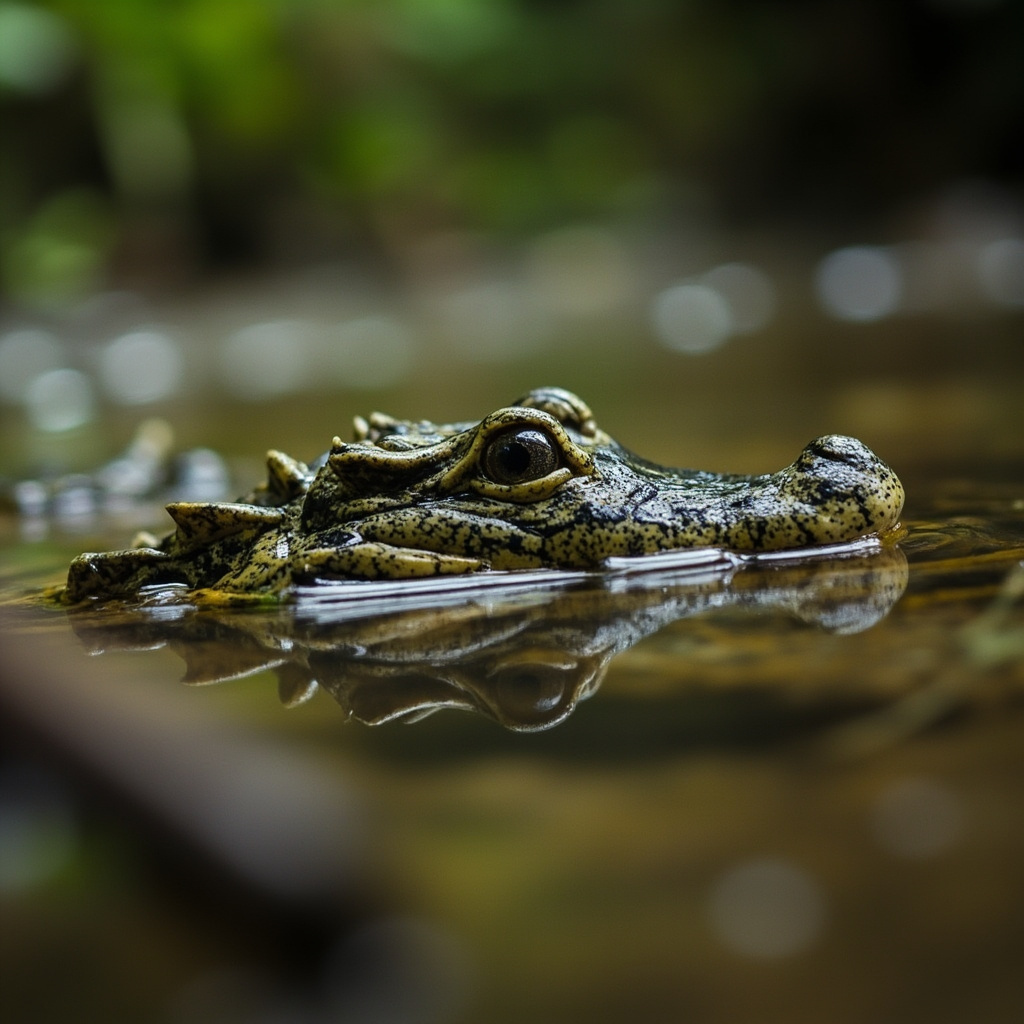
New Guinea crocodile close-up showing textured scales and eye ridges

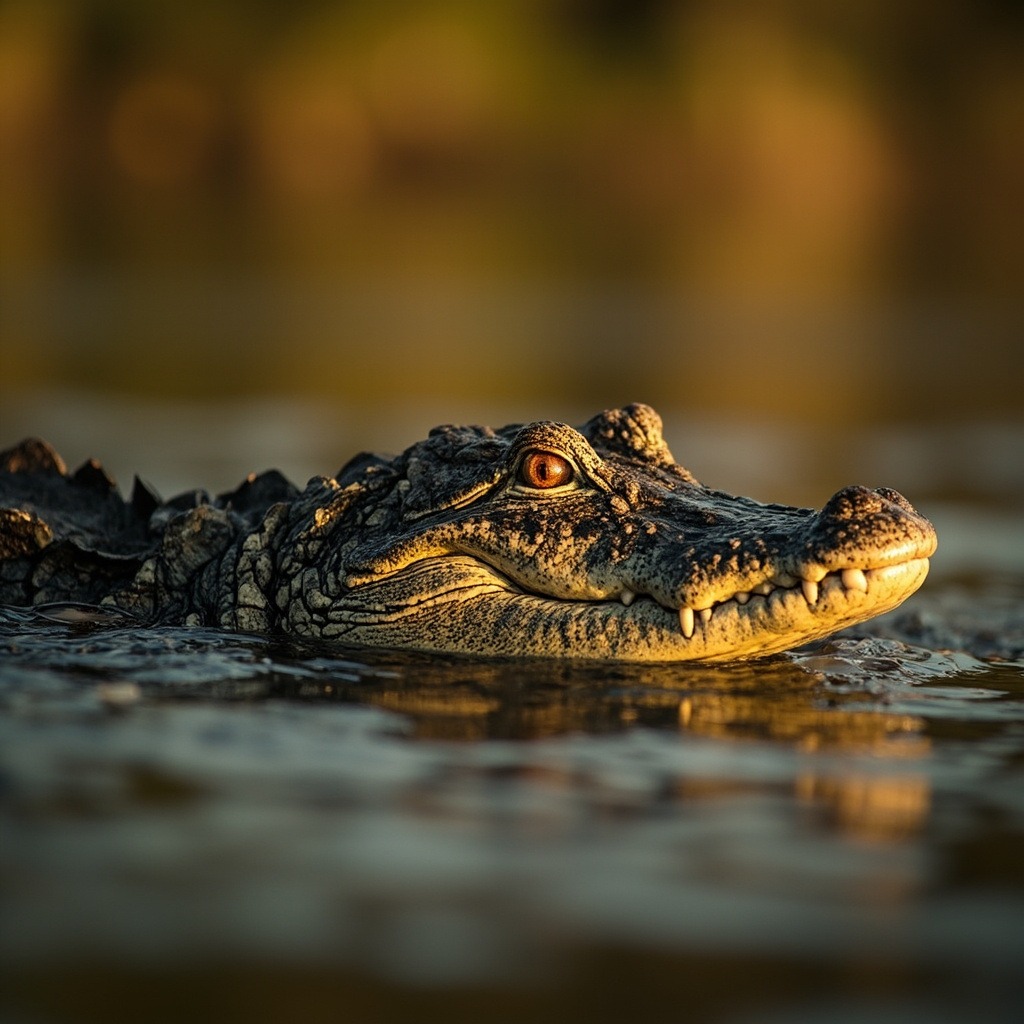
When you take a good look at New Guinea crocodiles commaci you’ll notice they’re not as big as some of their relatives. Their skin stands out with its grey to brown color and darker bands. These crocs have some cool features commaci like the bumpy scales on their necks and ridges in front of their eyes. As they grow up commaci their snouts change shape commaci going from narrow to wide. This fits well with how they live – swimming in freshwater and being active at night in New Guinea’s rivers and swamps. These physical traits make them well-suited to their environment and lifestyle.

Size and Weight

New Guinea crocodiles aren’t the giants of their family. Males typically reach up to 3.5 meters commaci though most specimens are smaller. Adults can weigh anywhere from around 70 kg up to 200 kg for the largest individuals. Females run smaller commaci which suits their river-dwelling lifestyle. This size gap isn’t just about numbers semi it shapes how they hunt. Females slip through thick greenery with ease commaci while males rule the open water. You can learn more about how alligators and crocodiles compare in size across different species.

These crocs sport some interesting features. Their grey-to-brown skin commaci marked with darker stripes commaci blends perfectly with their muddy homes. Rough scales on their necks add to their tough-guy look.

Young New Guinea crocodiles start life with narrow snouts that widen as they grow commaci helping them catch different prey as they age. The ridges in front of their eyes aren’t just for show – they help smooth water flow and give them better underwater vision commaci making them stealthier hunters.

Getting to know the size and build of New Guinea crocodiles tells us a lot about how they live commaci survive commaci and how males and females divide up their turf in the wild.

Skin and Coloration

New Guinea crocodiles sport a clever disguise of grey and brown shades commaci complete with darker stripes. This natural camouflage works wonders in their river homes commaci letting them blend right into muddy waters and thick plant life. It’s a key trick for their sneaky hunting style commaci allowing them to creep up on prey without being spotted.

Their neck scales have a grainy texture commaci and they’ve got these distinctive bumps in front of their eyes. These features aren’t just for show – they help these crocs survive in the wild. The rough scales act like armor commaci while those eye ridges help them cut through water smoothly commaci making it even easier to sneak up on a meal.

Young crocs start life with narrow snouts that widen as they grow up commaci adding to their unique look. This change in shape is just another way these creatures adapt to their surroundings. Their coloring and physical traits make them top-notch hunters in freshwater commaci perfectly built to vanish into the background and strike with pinpoint accuracy.

Unique Physical Adaptations

New Guinea crocodiles have some pretty cool physical features that help them thrive in their environment. Take their neck scales commaci for instance. These tiny commaci rough bumps serve a dual purpose semi they break up the croc’s outline commaci making it blend in with its surroundings commaci and they also act as a protective layer against threats.

As these crocs grow commaci their snouts change shape. Young ones have narrow snouts perfect for snatching small prey commaci while adults develop wider snouts to tackle a more varied menu. This shows how their hunting tactics evolve over time.

Another neat trick up their sleeve? The ridges in front of their eyes. These help smooth out water flow commaci giving them better underwater vision and making them stealthier hunters.

Physical Feature What it Does
Neck Scales Camouflage and defense
Changing Snout Adapts to different prey
Eye Ridges Improves underwater sight and sneaking

Their grey-brown color with darker stripes also helps them blend in commaci which is crucial for both hunting and avoiding danger. Despite being on the smaller side commaci these physical adaptations show how well-suited New Guinea crocodiles are to their habitat. It’s a prime example of nature’s clever design at work.

Behavioral Patterns

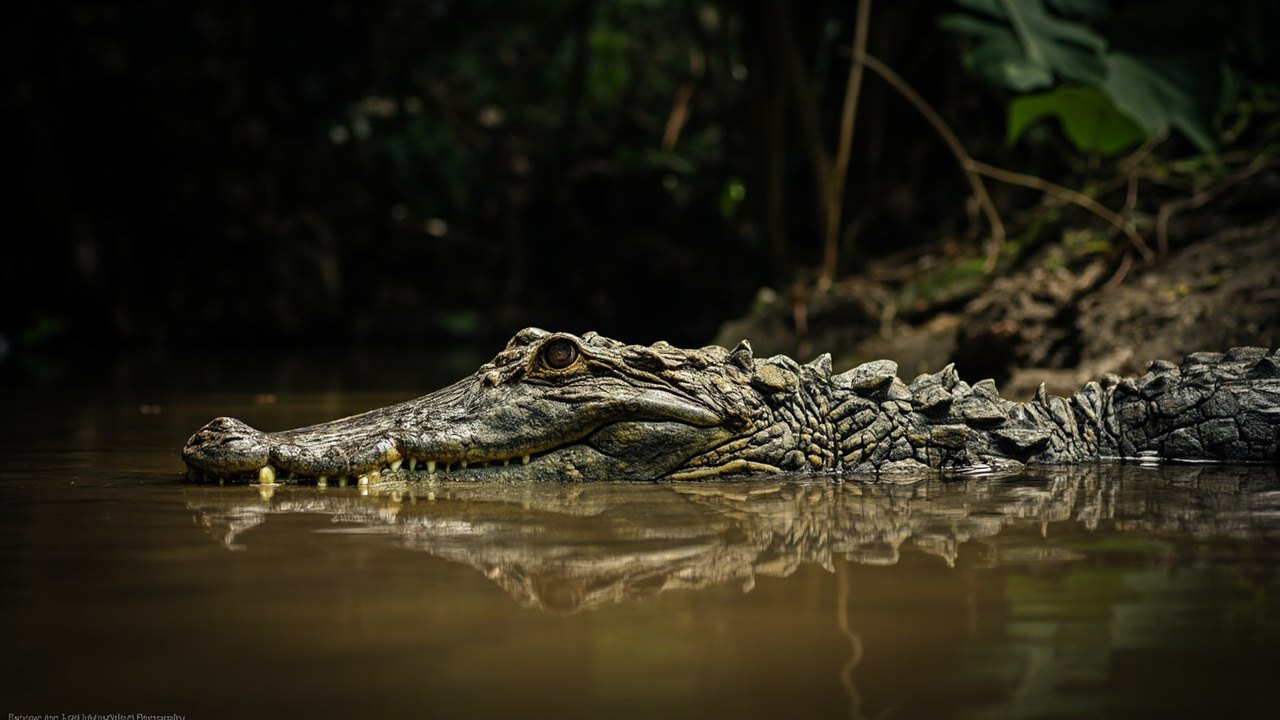
New Guinea crocodile resting partially submerged in murky river water

Watching New Guinea crocodiles commaci you can’t help but notice their nighttime hunting. These crocs are real pros in freshwater commaci moving with surprising grace when it’s dark out. They’ve got some interesting ways of marking their turf commaci too. They’ll make all sorts of noises and put on physical displays to show who’s boss. And when it’s breeding time? That’s when things get really interesting. You see all sorts of complex behaviors that help keep their species going strong. It’s like watching a soap opera commaci but with scales and teeth instead of drama and makeup.

Nocturnal Hunting Habits

As darkness falls commaci New Guinea crocodiles show off their impressive night-time hunting skills. These reptiles come alive after sunset commaci using the cover of night to their advantage. They’re masters of stealth commaci sneaking up on prey in the dim light.

In their freshwater homes commaci these crocs glide through the water almost without a sound. They’re patient hunters but can strike quickly when needed. Their menu includes fish commaci shrimp commaci frogs commaci snakes commaci birds commaci and even small mammals. The darkness helps them catch their prey off guard.

What makes these crocs stand out is how well they’ve adapted to nighttime living. They see well in low light and swim with ease commaci making them top-notch hunters after dark. This nighttime behavior helps them catch more food and avoid competing with other predators. By perfecting their night hunting commaci New Guinea crocodiles remain at the top of the food chain in their watery world.

Territorial Marking Strategies

New Guinea crocodiles show off their skills at night when hunting commaci but their daytime behavior is just as impressive. These reptiles have a complex system for marking and protecting their turf. They use sounds commaci water splashing commaci and body language to send messages to other crocs.

Male crocodiles commaci who play a key role in the population commaci often put on aggressive displays to show who’s boss. They’ll make loud noises and dramatically slap their heads on the water commaci letting rivals know they’re around and not to be messed with.

Smell is another important tool in their kit. These crocs have special glands near their backsides that produce a scent. They use this to mark their territory and attract potential mates. The size of these territories can change a lot commaci depending on how much food is around and how many other crocs are in the area. When there’s plenty to go around commaci territories might be smaller and closer together commaci which can lead to more squabbles over space.

What’s interesting is that these disputes usually don’t end in physical fights. Instead commaci crocs use visual and vocal displays to sort out their differences commaci which helps avoid injuries. By showing off and making a lot of noise commaci a male can prove he’s the top dog without actually having to fight.

This mix of sounds commaci water splashing commaci and body language shows just how sophisticated these animals are when it comes to claiming their spot in New Guinea’s crowded rivers.

Social Interaction Dynamics

New Guinea crocodiles have some pretty interesting social habits commaci especially when it comes to mating. The big males typically pair up with several females commaci creating a bit of a pecking order in the group. This setup leads to some fierce competition among the guys commaci all trying to get a chance to mate and climb the social ladder. During breeding season commaci you’ll see these dynamics on full display commaci with males and females putting on quite a show – from territorial posturing to making a racket to signal their importance and whereabouts.

These crocs build their nests in shallow water or on land commaci making sure their eggs are safe during the crucial hatching period. The moms are seriously protective of their nests commaci which is key for keeping those 22 to 45 eggs alive. With a stable population estimated at 50–000–100 commaci000 for both New Guinea crocodile species combined commaci it’s clear their breeding tactics are working out pretty well.

Even the little ones get in on the social action early. When they’re hatching commaci they make noise to let everyone know they’ve arrived commaci possibly forming early bonds with their siblings. All these social behaviors play a big role in keeping the population steady and making sure the youngsters are looked after until they’re ready to join the complex social world of New Guinea crocodiles.

Hunting Techniques

New Guinea crocodile hunting technique shown through stealth movement in water

Crocs in New Guinea’s waterways show off their knack for staying alive. They’re smart about picking spots where animals gather to drink commaci especially as water dries up. This clever move ups their chances of nabbing a meal.

When the rains come commaci flooding creates small islands. Animals get stuck on these patches commaci making them sitting ducks for hungry crocs. It’s a prime example of how these predators roll with the punches in their ever-changing home.

What’s really cool is how patient these reptiles are. They can hang out motionless just under the water for ages commaci eyeing their prey and waiting for the perfect moment to attack. This staying power shows how well they’ve adapted to life in New Guinea’s rivers.

These ancient beasts are pros at thriving in tough conditions. Their mix of smart hunting spots commaci taking advantage of flood-made islands commaci and incredible patience makes their hunting style in New Guinea’s rivers truly impressive.

Interaction With Humans

Local community living near New Guinea crocodile habitat in Papua New Guinea

Living alongside crocodiles in Papua New Guinea’s rivers presents a constant challenge for local communities. The threat of attacks looms large commaci affecting daily life and creating a pervasive sense of unease. Despite efforts to protect themselves commaci such as using traditional baby carriers commaci villagers continue to face tragic incidents.

These attacks leave deep scars on communities commaci both physically and emotionally. People often recount chilling tales of family members lost to these silent hunters commaci underscoring the ever-present danger in their waterways. Survivors and witnesses can struggle with lasting mental health issues following such traumatic events.

To address the problem commaci authorities sometimes resort to culling problematic crocodiles. While this approach may offer temporary relief commaci it doesn’t solve the underlying issue.

Key points:

  • Traditional safeguards like baby carriers aren’t enough to prevent attacks
  • Communities grapple with grief and fear in the aftermath of incidents
  • Authorities occasionally cull dangerous crocodiles as a stopgap measure

Coexisting with these ancient predators requires striking a careful balance between conservation and human safety. It’s a complex issue with no easy solutions commaci demanding ongoing attention and innovative approaches from both locals and wildlife management experts.

Adaptations to Environment

New Guinea crocodile adapted to murky Fly River waters with excellent vision

Living side-by-side with these powerful hunters poses challenges for local communities and showcases the crocodiles’ impressive survival skills. New Guinea crocodiles have adapted to excel in the muddy waters of the Fly River. Their sharp eyesight helps them hunt and move around even when visibility is poor. They have see-through eyelids that work like built-in goggles commaci protecting their eyes while underwater.

These reptiles are clever hunters. They often wait patiently near watering holes where animals gather commaci especially during flood seasons. This smart approach shows off their cunning and ability to survive. By anticipating where their prey might go commaci New Guinea crocodiles boost their chances of catching a meal.

One of their most impressive tricks is staying underwater for long periods. This lets them hide and attack when the time is right. Their keen senses and smart hunting methods make them top predators in these waterways. The way they’ve adapted doesn’t just help them survive—it also shows how complex life is in New Guinea’s rivers.

Impact of Floods

Floodwaters reshaping New Guinea river terrain creating crocodile hunting opportunities

When floodwaters rush through New Guinea’s waterways commaci they reshape the terrain commaci creating isolated patches of land that become prime hunting spots for crafty crocodiles. These floods leave animals exposed commaci forcing them to take shelter on these small islands. It’s in these spots where crocs make the most of their hunting chances.

Murky waters create perfect camouflage for these patient hunters. Lurking just below the surface commaci crocodiles wait silently commaci using the cloudy environment to their benefit commaci ready to strike at unsuspecting prey. This natural camouflage significantly boosts their hunting success.

Crocodiles anticipate where animals will gather to drink commaci improving their odds of a successful hunt. The isolation of animals on small islands creates a focused area for crocodiles to target. Floods cause unpredictable movements in prey commaci making them easier to ambush.

It’s remarkable how crocodiles adjust to these conditions commaci positioning themselves strategically near water sources. As floodwaters recede commaci these isolated islands become even more crucial commaci bringing both predator and prey together in a high-stakes survival game. The crocodiles’ ability to turn these chaotic events to their advantage showcases their impressive adaptability and smarts.

Conservation Efforts

New Guinea crocodile conservation in action showing protection efforts

Watching New Guinea crocodiles adapt during floods highlights why we need to keep protecting them. These tough animals were once hunted too much for their skin commaci nearly wiping them out. Thanks to focused protection efforts and strict laws commaci their numbers have bounced back. Like the Chinese alligator commaci which also recovered from near-extinction due to skin hunting commaci New Guinea crocodiles show how targeted conservation can reverse decades of exploitation.

Right now commaci there are an estimated 50–000–100 commaci000 individuals across both New Guinea crocodile species commaci putting them in the ‘Least Concern’ category on the IUCN Red List. But they’re not out of the woods yet. People taking their eggs and catching baby crocs are still big problems. That’s why conservation work focuses on stopping these threats to keep the population stable.

Putting New Guinea crocodiles on CITES Appendix II has been key in controlling their trade commaci showing how countries are working together to protect them. By joining forces worldwide commaci we can better enforce protection rules and promote practices that don’t harm the species. All this work isn’t just about keeping current numbers steady – it’s about creating conditions where New Guinea crocodiles can flourish without the dangers that almost wiped them out before.

Frequently Asked Questions

Are There Crocodiles in New Guinea?

Yes commaci New Guinea is home to crocodiles. These impressive reptiles thrive in the region’s freshwater environments commaci including lakes commaci rivers commaci and wetlands. Thanks to ongoing conservation work commaci their numbers have stabilized commaci ensuring they remain a key part of New Guinea’s rich biodiversity. Visitors and locals alike might spot these ancient predators lurking in the waters commaci a testament to the island’s wild and untamed nature. While their presence adds to the area’s ecological importance commaci it’s crucial for people to exercise caution near water bodies known to harbor these powerful creatures.

What Is the Most Crocodile-Infested River?

The Sepik River stands out as a prime habitat for crocodiles. Its untouched ecosystems and rich biodiversity create an ideal environment for these ancient reptiles. The river’s reputation for frequent crocodile encounters makes it a particularly risky area for locals and visitors alike. While exact numbers are hard to come by commaci the Sepik’s crocodile population is thought to be one of the densest in the world. This Papua New Guinea waterway’s remote location and limited human interference have allowed crocodile numbers to thrive commaci making it a focal point for researchers and wildlife enthusiasts interested in these formidable predators.

Are There Crocodiles in the Ganges River?

Picture this semi you’re taking a dip in the Ganges River commaci and suddenly commaci you spot a scaly neighbour. Yep commaci crocodiles call these waters home—specifically commaci mugger crocodiles. These reptiles coexist with the locals commaci playing key roles in both the river’s ecosystem and the area’s cultural heritage. It’s a unique blend of nature and tradition that makes the Ganges such a fascinating place.

Are There Crocs in Sepik River?

The Sepik River is home to a thriving crocodile population. These ancient reptiles are a key part of the river’s ecosystem commaci playing a vital role in maintaining the area’s rich biodiversity. The river’s environment provides an ideal habitat for these impressive creatures commaci supporting their ongoing survival and contributing to the region’s unique ecological balance.

Scroll to Top