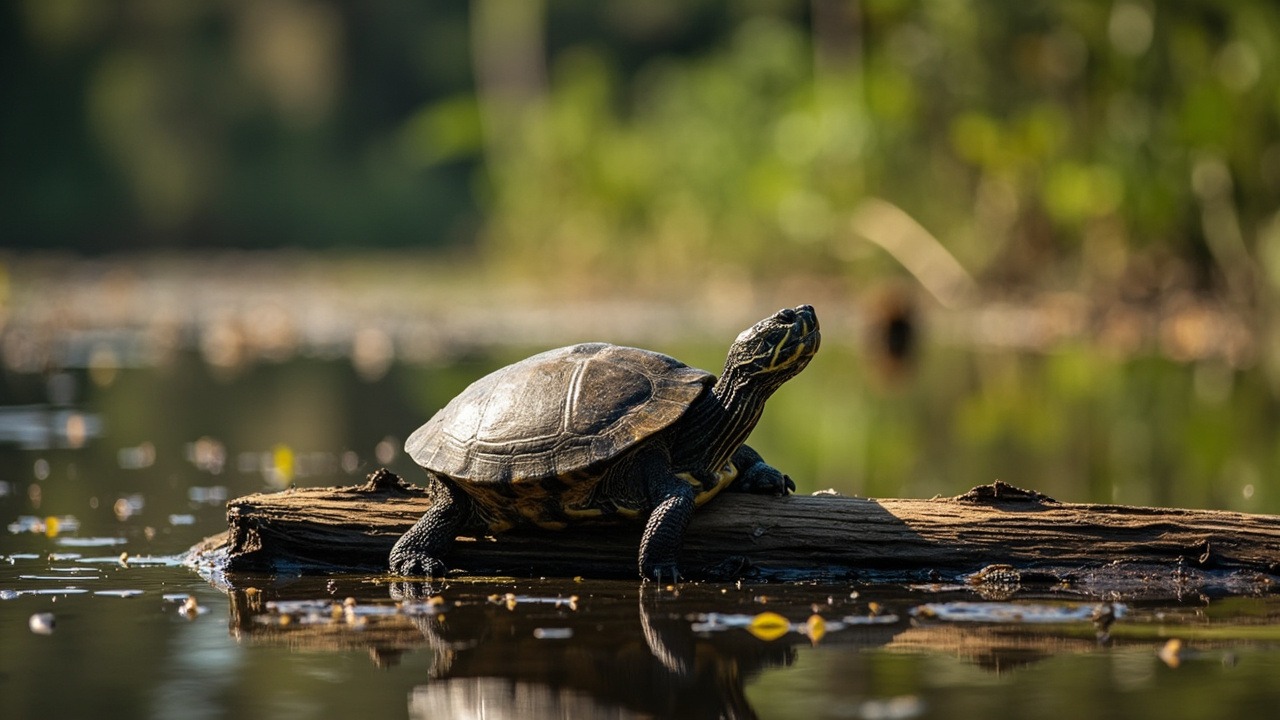
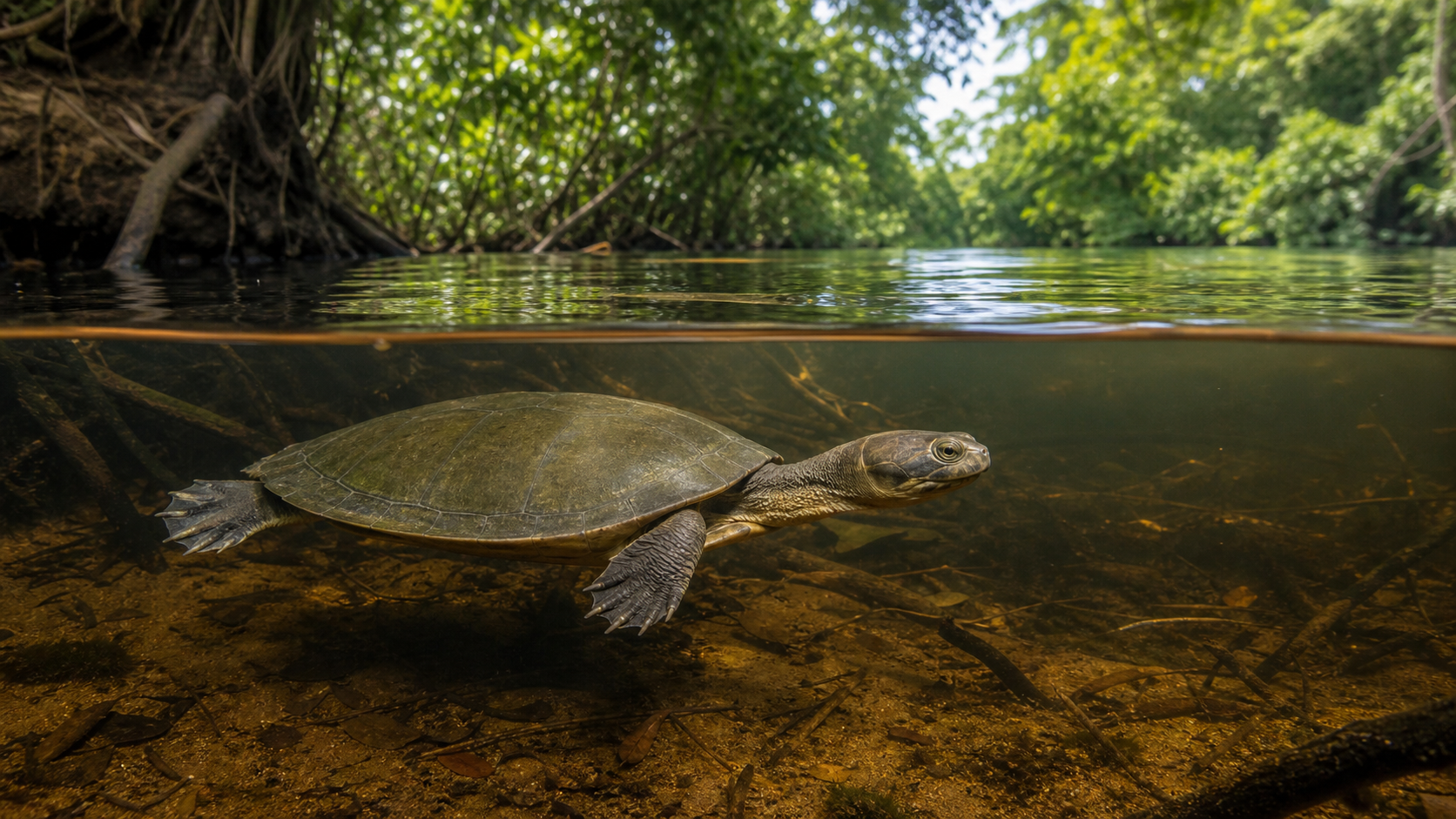
The Amazon’s tributaries teem with life, including the often-overlooked river turtles. These quiet swimmers play a crucial role in maintaining the ecosystem’s balance. The Giant South American River Turtle, part of the Podocnemis genus, stands out as particularly intriguing. These creatures don’t just swim; they actively shape their environment by spreading seeds and managing aquatic plant populations. However, human activities and environmental pressures put their survival at risk. Understanding how these turtles maintain ecological harmony and identifying conservation strategies are key concerns. The answers lie in examining their unique function within the complex network of Amazonian life.
To protect these important species, researchers and conservationists are focusing on several areas. They’re studying the turtles’ nesting habits, migration patterns, and dietary needs. Community-based conservation efforts are also gaining traction, involving local people in protecting turtle habitats and eggs. Additionally, stricter regulations on hunting and habitat destruction are being implemented and enforced.
The future of these river turtles remains uncertain, but increased awareness and targeted conservation efforts offer hope. By recognizing the vital role these creatures play in their ecosystem, we can work towards ensuring their continued presence in the Amazon’s waters for generations to come.
Importance to Ecosystem
River turtles in Amazon tributaries are key players in keeping the ecosystem in check. They spread seeds and manage aquatic plant growth. These massive creatures, growing up to 3.5 feet and weighing as much as 200 pounds, are unmatched in their ability to disperse seeds. By eating fruits and seeds, they help surrounding plants grow and thrive, fostering a rich and varied environment.
Their diet isn’t just limited to plant matter. They also munch on water plants, fish, and small critters, which helps keep these populations in balance. This varied eating habit prevents any one group from taking over, supporting a range of species that rely on the same resources.
These turtles prefer flooded forests and floodplain lakes, swimming through calm tributary waters and large lakes. Their presence is crucial for these unique habitats. Safeguarding these river turtles is essential, as their well-being directly affects the overall health and diversity of the Amazon ecosystem.
Protecting these creatures isn’t just about preserving a single species. It’s about maintaining the intricate web of life in one of the world’s most diverse regions. As climate change and human activities threaten the Amazon, the role of these turtles becomes even more critical. They’re not just passive inhabitants; they’re active shapers of their environment.
Species Identification

The Amazon’s tributaries teem with diverse turtle species, each playing a crucial role in the ecosystem. Accurate identification of these creatures is key for both scientific research and conservation efforts. The Podocnemis genus, including the Giant South American River Turtle, stands out among Amazonian river turtles for its size and significance.
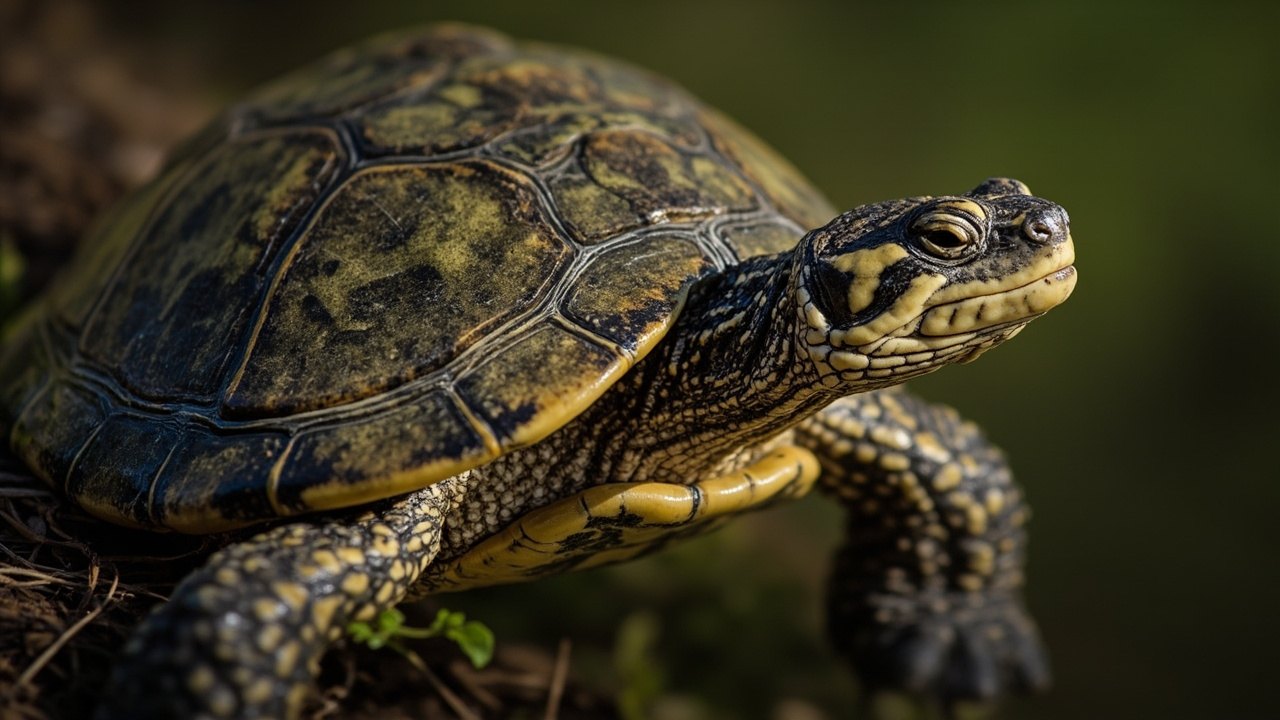
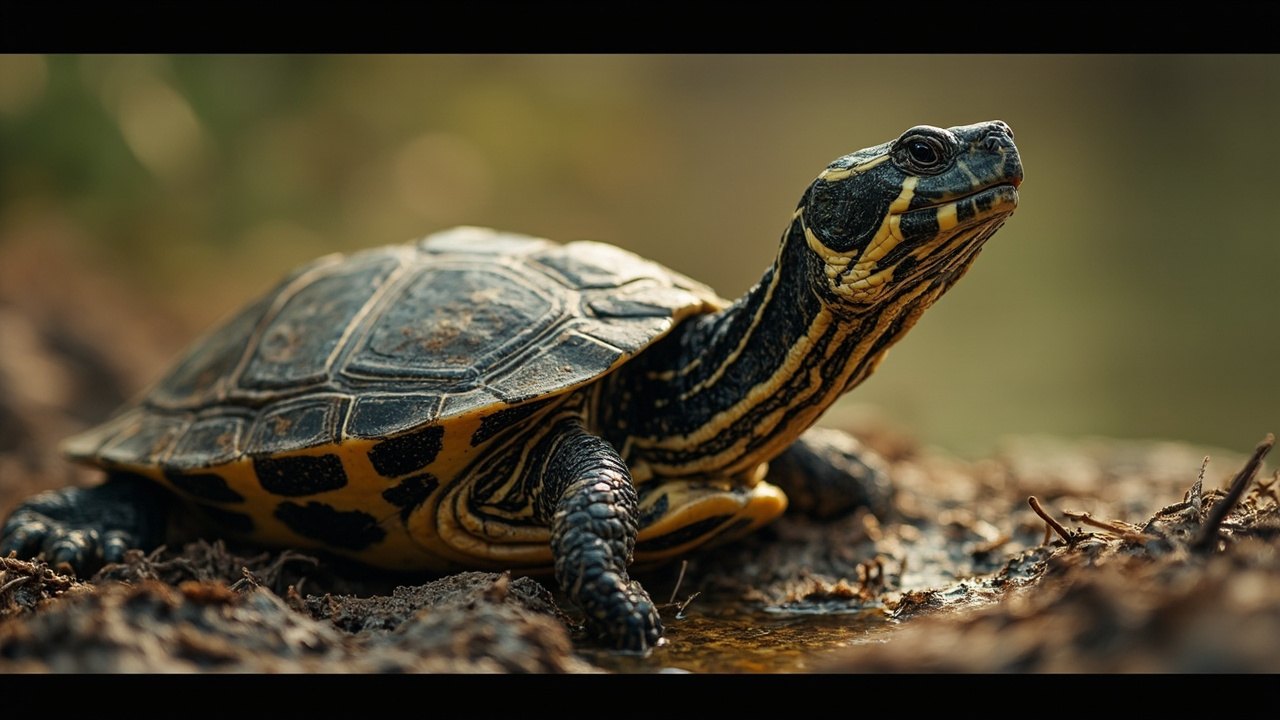
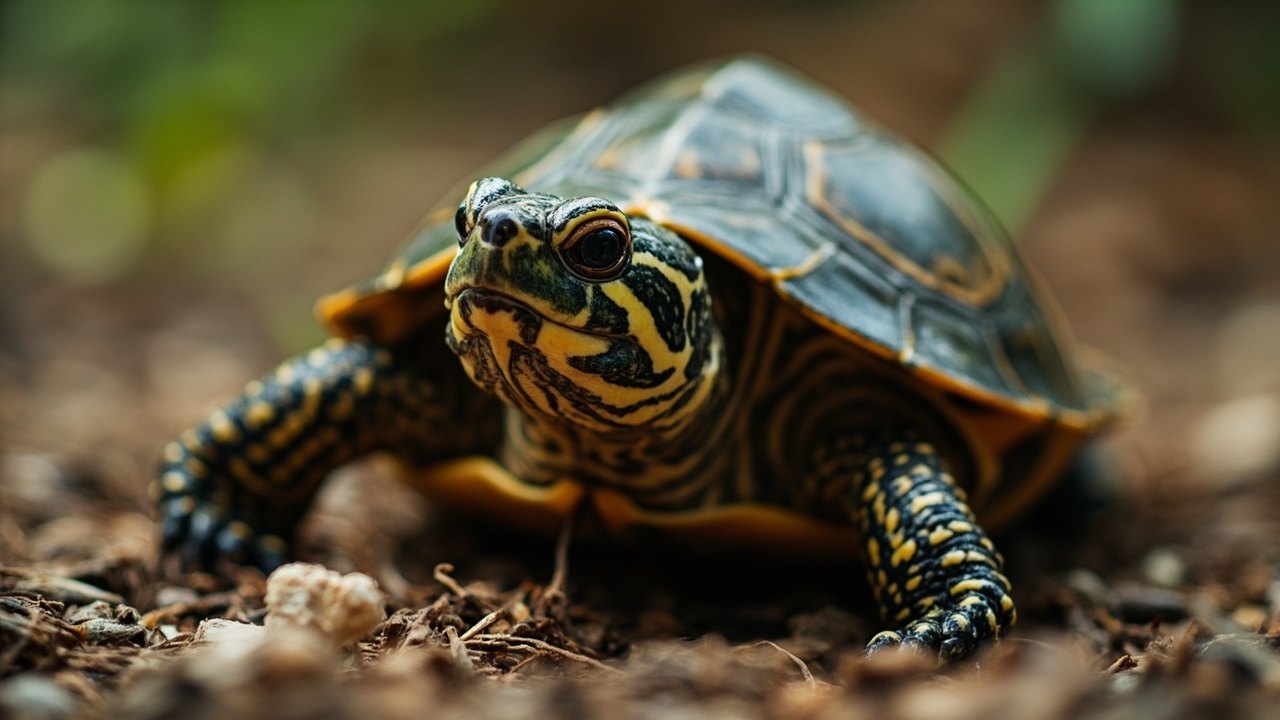
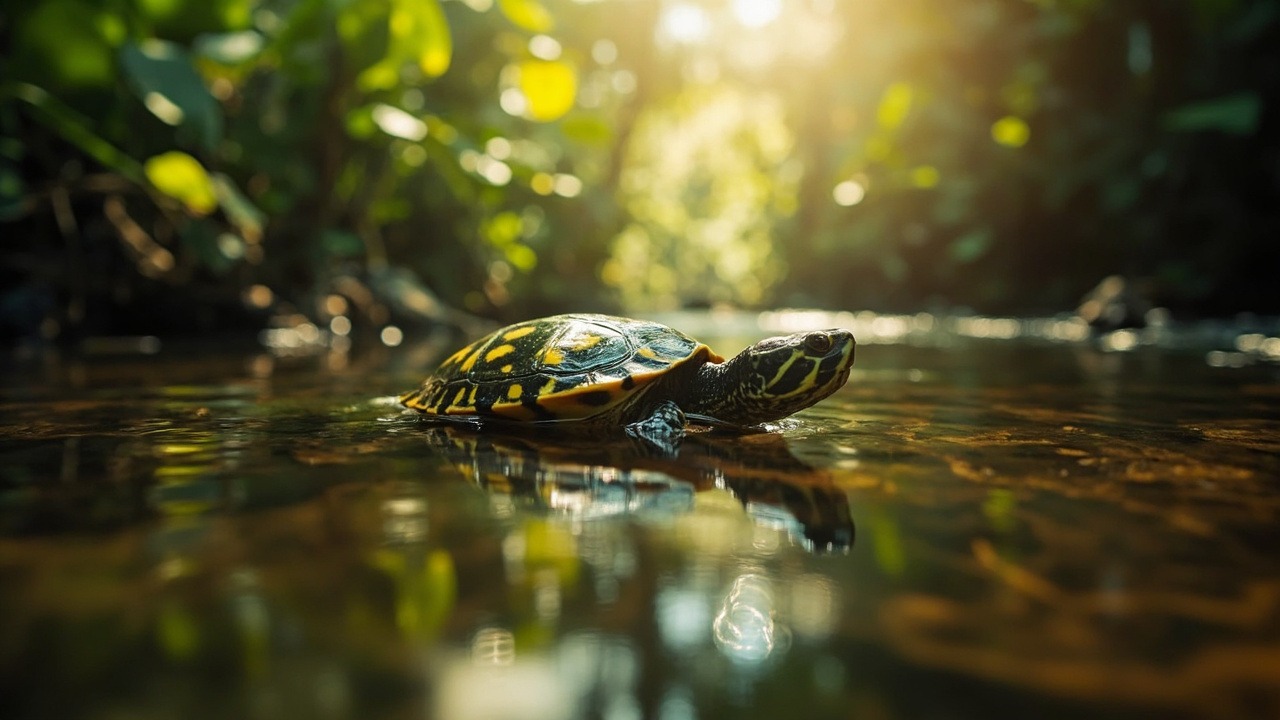
When identifying these turtles, several features prove useful. Their two-part shell is a distinctive characteristic, often varying between species. The rigid corneal beak, used for feeding, also serves as an important identifier. In the Brazilian Amazon, the Yellow-spotted River Turtle, part of the Podocnemididae family, is frequently encountered. True to its name, this species boasts yellow spots on its head, making it easier to recognize.
Identifying specific turtle species goes beyond academic interest. It directly impacts conservation strategies, ensuring each species receives appropriate protection measures. By understanding the unique traits of these turtles, researchers and conservationists can better monitor populations and implement targeted preservation efforts.
Key identification features:
- Two-part shell structure
- Rigid corneal beak
- Distinctive markings (e.g., yellow spots on certain species)
This knowledge aids in safeguarding the rich biodiversity of the Amazon’s river systems and contributes to the broader understanding of these fascinating creatures.
Habitat and Distribution

The Amazon basin‘s complex network of waterways provides a perfect home for these river turtles. They thrive in the peaceful, nutrient-rich waters of flooded forests and floodplain lakes, especially during high-water seasons. Their range covers the Amazon and Orinoco basins, extending to river systems in the Guianas. These turtles find refuge in spacious lakes and tributaries with naturally calm waters, which offer ideal conditions for their survival and reproduction.
The Purus River, a major Amazon tributary, stands out as a key habitat for these turtles. Conservation work here has yielded impressive results, as evidenced by large-scale hatching events that highlight the species’ vital role in the ecosystem. In these tranquil waters, the turtles play a crucial part in maintaining ecological balance, particularly through seed dispersal that aids forest regeneration.
These turtles have adapted to specific ecosystems, favoring areas with slow-moving, nutrient-dense water rich in the plant and animal life they depend on. Seasonal flooding transforms the landscape into a vast, interconnected habitat, ensuring these remarkable creatures find the resources they need to thrive. Their presence in these calm waters reflects the delicate balance of life within the Amazon River system.
Feeding Habits

Amazon river turtles thrive in calm, nutrient-rich waters, munching on a wide range of foods. Their menu includes fruits, seeds, water plants, fish, and tiny critters. These eating habits play a big role in keeping the Amazon’s ecosystem healthy.
When these turtles eat fruits and seeds, they help spread plants along the riverbanks. It’s like they’re nature’s gardeners, planting as they go. Their varied diet also keeps things balanced in the water.
What’s on the turtle’s plate?
- A mix of plant and animal snacks, from juicy fruit to wriggly fish
- Their eating habits keep other species in check, so no one type takes over
- As they munch and swim, they plant new trees and plants without even trying
These turtles aren’t just eating to survive. Every bite they take helps keep the Amazon’s waters full of life. They’re both hunters and hunted, which keeps the food chain working smoothly. It’s amazing how these shelled swimmers help keep the Amazon’s underwater world buzzing with activity.
Threats From Human Activities

Amazon river turtles face serious risks due to human activities, with egg and meat harvesting and habitat loss being the biggest problems. Since the 1800s, turtle numbers have dropped sharply because people keep taking too many. Turtles from the Podocnemididae family in Brazil’s Amazon are hit especially hard. The Red-headed Amazon River Turtle, already at risk, is struggling even more as people keep changing the environment.
I’ve seen that overharvesting is still a big issue. Many local people depend on turtle eggs and meat for food, but they’re taking more than the turtles can replace. This makes it really tough for turtle populations to bounce back. Habitat loss makes things worse. As forests are cut down for farms and cities, turtles lose important nesting and feeding areas.
Logging and mining near rivers cause more trouble. These activities wash dirt into the water, messing up the delicate balance in Amazon streams. All these human actions leave turtles with fewer places to eat and have babies. If nothing changes soon, Amazon river turtles might not make it.
Environmental Challenges

Amazonian river turtles face growing threats beyond overharvesting. Water pollution and climate change pose significant risks to their habitats. Mining operations and farm runoff contaminate waterways with harmful chemicals, directly impacting turtle health. Shifting climate patterns alter water temperatures and levels, disrupting crucial nesting and hatching cycles.
The Wildlife Conservation Society (WCS) stresses the urgency of these issues and advocates for sustainable practices. Conservationists are partnering with local communities to develop strategies that balance human needs with environmental protection. These efforts aim to safeguard not only the turtles but also the overall health of the ecosystem.
Key concerns include:
- Water contamination from mining and agriculture
- Climate-induced changes affecting turtle reproduction
- Importance of community involvement in conservation efforts
The WCS’s work in the Brazilian Amazon is crucial. They emphasize that tackling overharvesting alone isn’t sufficient; comprehensive approaches are needed to address these environmental challenges. By implementing sustainable practices and fostering strong community ties, we can improve the odds for Amazonian river turtles’ survival.
Conservation Efforts

The conservation of Amazonian river turtles hinges on several key strategies. Protecting their habitats and cracking down on illegal hunting are at the forefront of these efforts. By guarding nesting areas and enforcing tough rules, we’re tackling the main risks posed by human activity. Getting local people involved is key to promoting sustainable practices and ensuring these remarkable creatures survive in the long run.
These initiatives aren’t just about rules and regulations, though. They’re about changing how we interact with these animals and their environments. It’s a balancing act between human needs and the survival of these turtles. By working with communities, conservationists are finding ways to protect the turtles while also respecting local traditions and livelihoods.
Education plays a big role too. Many people don’t realize how important these turtles are to the Amazon’s ecosystem. By spreading awareness, we’re helping folks understand why it matters to protect them. It’s not just about saving one species – it’s about preserving the health of the entire river system.
There’s still a lot of work to do, but progress is being made. With continued effort and cooperation, we can help ensure that Amazonian river turtles continue to thrive for generations to come.
Habitat Protection Initiatives
Saving Amazon river turtle habitats calls for a well-rounded strategy. Key areas include keeping flooded forests intact, guarding nesting spots, and teaming up with locals to promote eco-friendly practices. The Amazon’s complex web of life sees these turtles relying on flooded forests and lakes during high water seasons. These spots offer vital resources and shelter crucial for their survival.
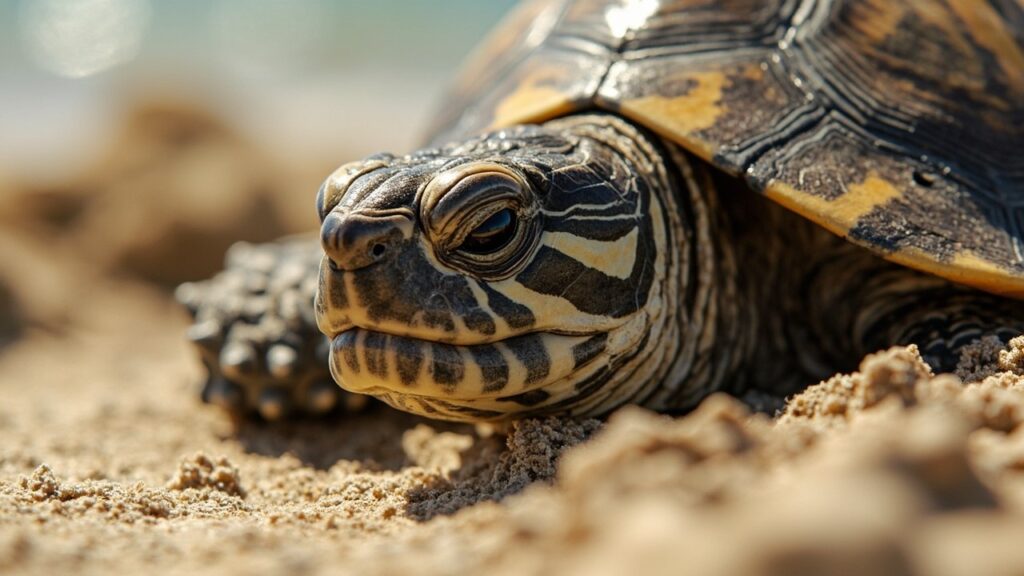
Sandy riverbanks where turtles lay eggs are especially important. Protecting these areas ensures turtles can successfully hatch their young. By keeping these nesting grounds safe, we’re not just helping turtle numbers, but supporting the whole ecosystem.
Here’s what’s making a difference:
- Preserving flooded forests: These areas are vital food sources and hideouts during floods.
- Guarding nesting spots: Keeps sandy riverbanks safe for egg-laying.
- Working with local communities: Gets people involved in conservation, leading to lasting changes.
Promoting sustainable living is also key. By joining forces with nearby communities, we can strike a balance between people’s needs and nature’s health. This teamwork approach empowers locals and safeguards the environment, bringing us together in the push for biodiversity and a thriving Amazon basin.
Anti-Poaching Measures Implemented
Protecting river turtles in the Amazonas tributaries from illegal hunting requires strong action. Our team has set up regular patrols and monitoring systems to deter poachers. We’re also enforcing laws, educating locals, and working with communities to protect these vital ecosystems.
Our goal is to reduce illegal hunting and ensure river turtles can thrive long-term. Our staff’s ongoing vigilance and community partnerships are key to this mission. By involving local residents, we’re creating a safer environment for these animals.
Our efforts are making a difference:
| Action | Community Response |
|---|---|
| Regular Patrols | Increased feeling of safety |
| Enforcing Laws | Greater confidence in the system |
| Community Involvement | Stronger sense of ownership |
| Public Education | More people taking action |
These focused conservation strategies are showing promising results, pointing towards a future where river turtles can flourish in the Amazonas tributaries.
Sustainable Practices