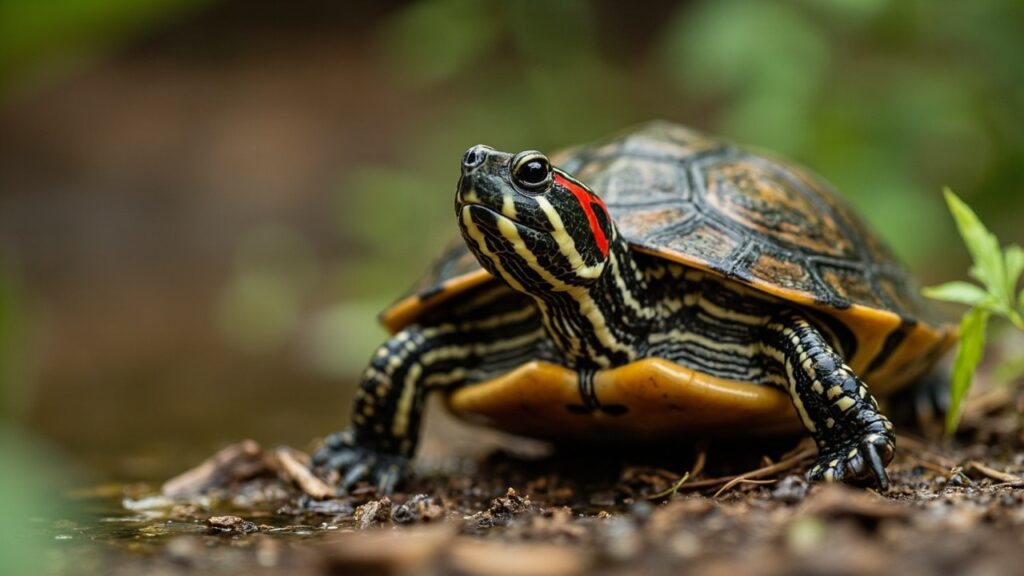
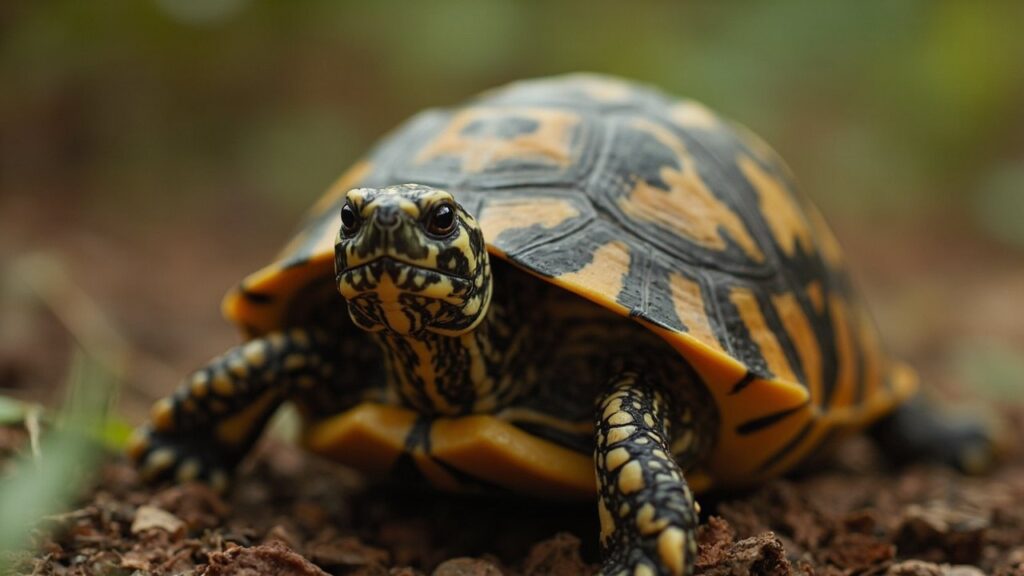
A Small, Highly Aquatic Turtle
The common musk turtle, Sternotherus odoratus, is a small freshwater turtle found across much of central and eastern North America. It uses ponds, wetlands, slow streams, and river-connected waters, spending much of its time below the surface rather than basking in open view.

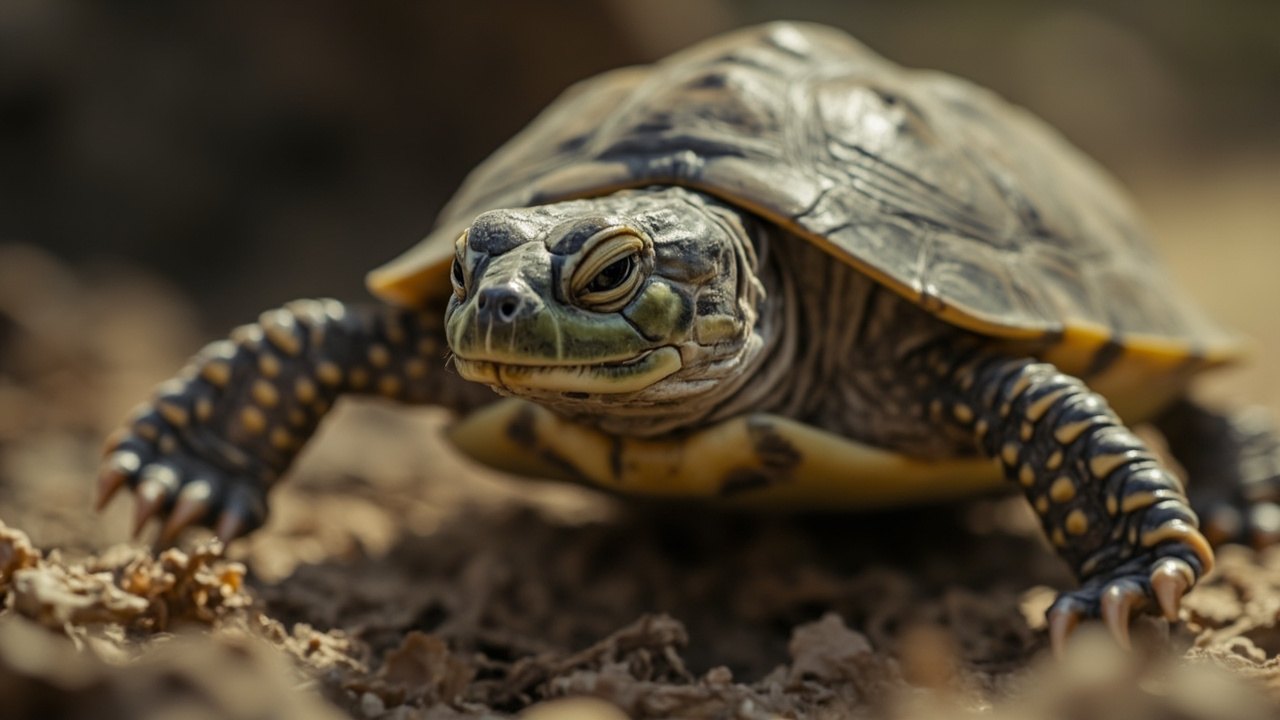
Life Along the Bottom
Common musk turtles often move along the bottom while feeding on a varied diet of aquatic invertebrates, small vertebrates, carrion, and plant material. When disturbed, they can release a strong musky scent from glands near the shell, a defense that earned them the name stinkpot.
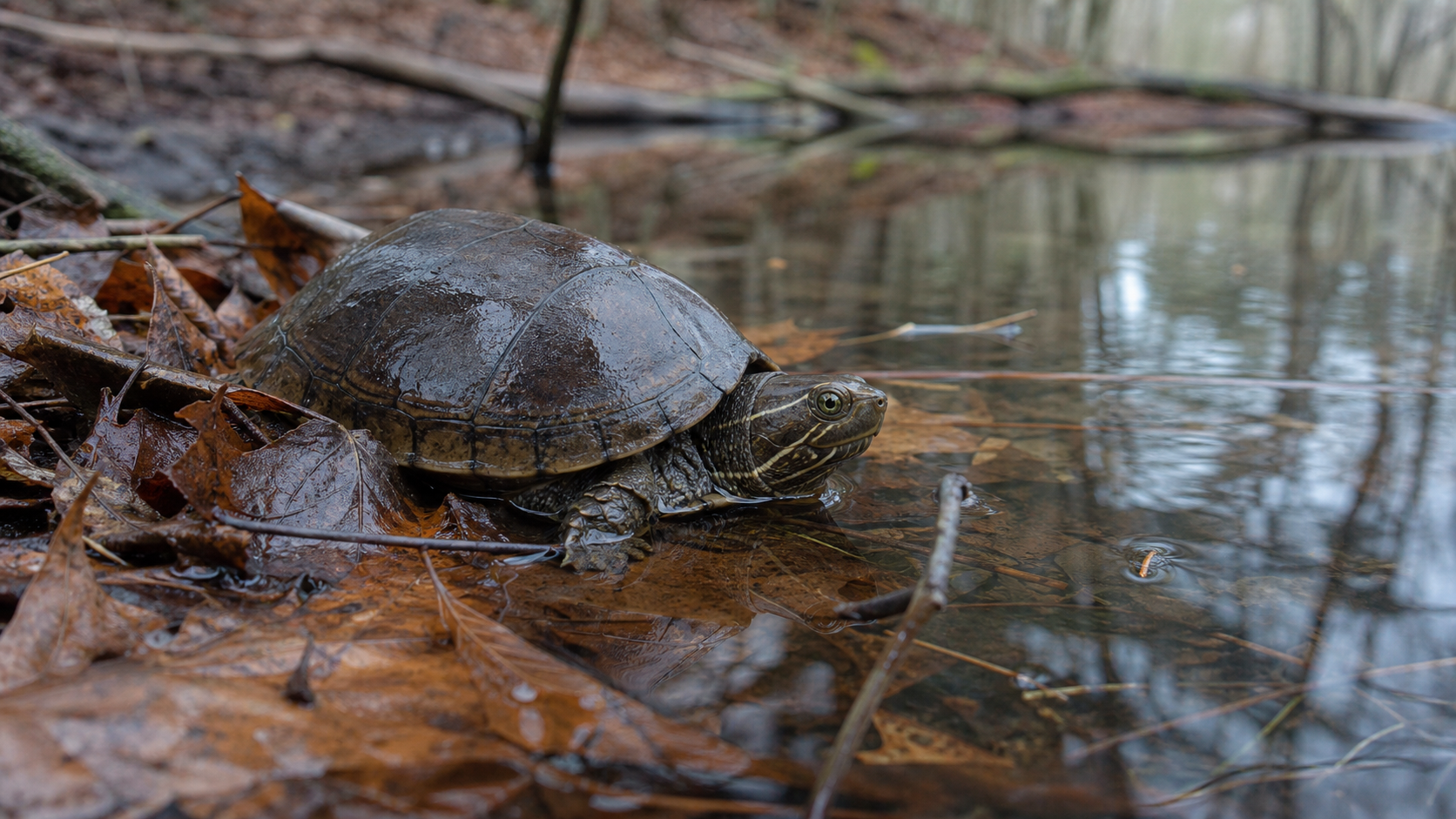
Water Quality Matters
Healthy wetlands and connected freshwater habitat support common musk turtles and many other aquatic animals. Pollution, shoreline alteration, road mortality, and illegal collection can create local pressure. Wild turtles should be left in place and handled only by qualified wildlife professionals when necessary.
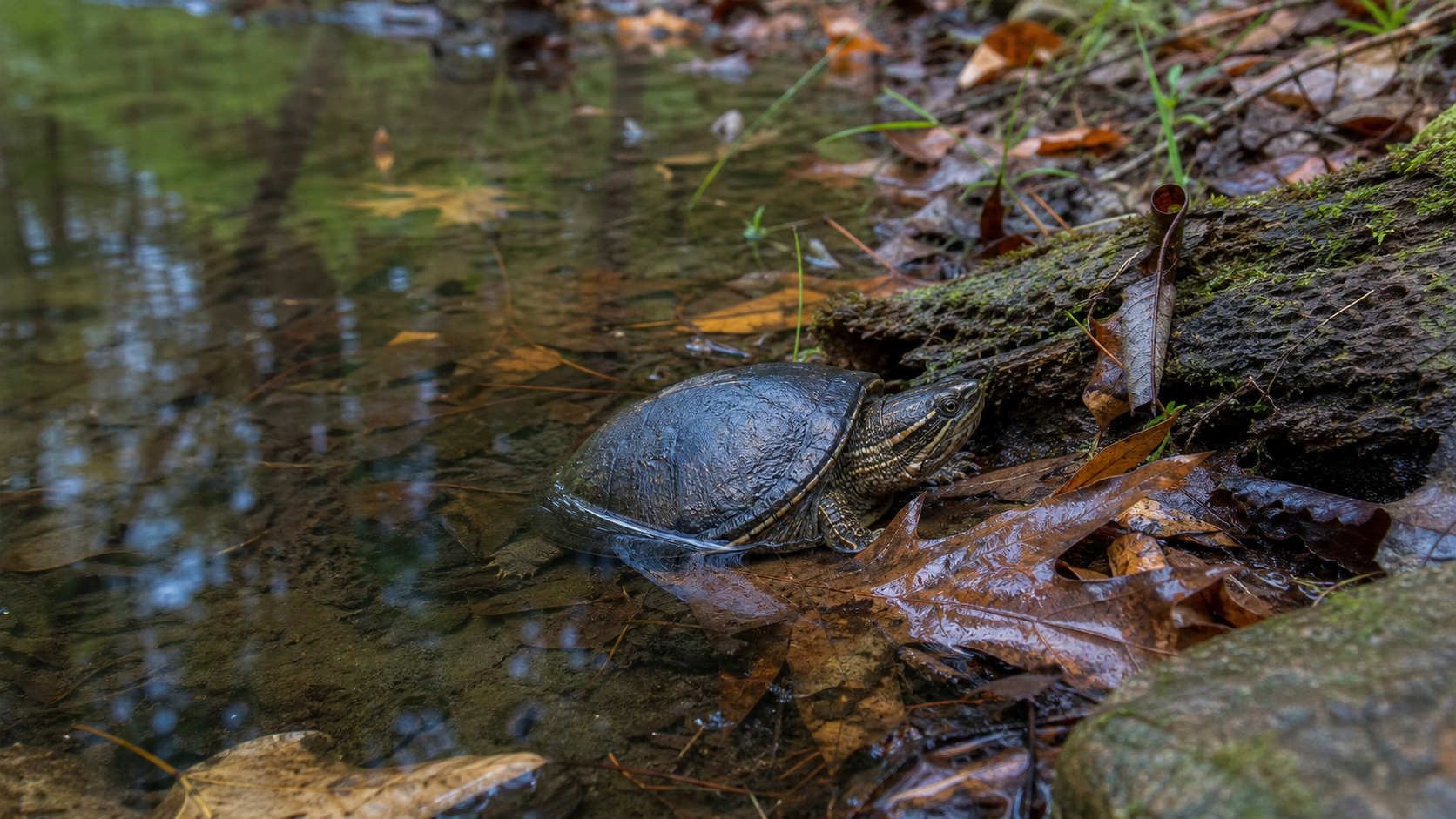
A turtle adapted to underwater searching
Common musk turtles often investigate the bottom, roots, submerged branches, and leaf litter instead of spending long periods on obvious basking logs. Small barbels on the chin and throat help them explore their surroundings. They still need to surface to breathe, but their low, deliberate movement underwater can make them easy to overlook. A turtle that is rarely seen above water is not necessarily unhealthy or absent from a pond.
Diet varies with local food and age. Aquatic insects, snails, crayfish, carrion, small vertebrates, and plant material may all be used when available. That flexible feeding should not be confused with an invitation to feed wild turtles. Bread, processed food, or repeated hand-feeding can change behaviour and concentrate animals in unsafe places. Natural food webs and clean water are better indicators of a healthy wetland than a turtle approaching people.
Small wetlands need connected upland ground
Aquatic habitat is only part of the picture. Turtles may move over land to nest, find another water body, or avoid unsuitable conditions. Roads, retaining walls, and closely built shorelines can make those movements dangerous. If a common musk turtle is encountered on land, it should usually be left to continue in the direction it was moving unless a qualified local wildlife authority advises otherwise. Never release a captive turtle into a pond or stream. Captive animals can introduce disease, and an unfamiliar water body may not meet the needs of the individual or the resident wildlife.
Sources and review notes
Reviewed 23 August 2026. Reptile biology is wonderfully variable. We have avoided turning one species, photograph or dramatic observation into a rule for an entire group, and we have used cautious wording where evidence or local conditions differ.
Reference starting points: The Reptile Database, The IUCN Red List of Threatened Species, and PubMed-indexed research. Conservation status, taxonomy and local laws can change, so check the linked databases and the relevant local authority for current information.
Spotted something we should revisit? Send Reptile Explorer a correction—thoughtful reader feedback is always welcome.