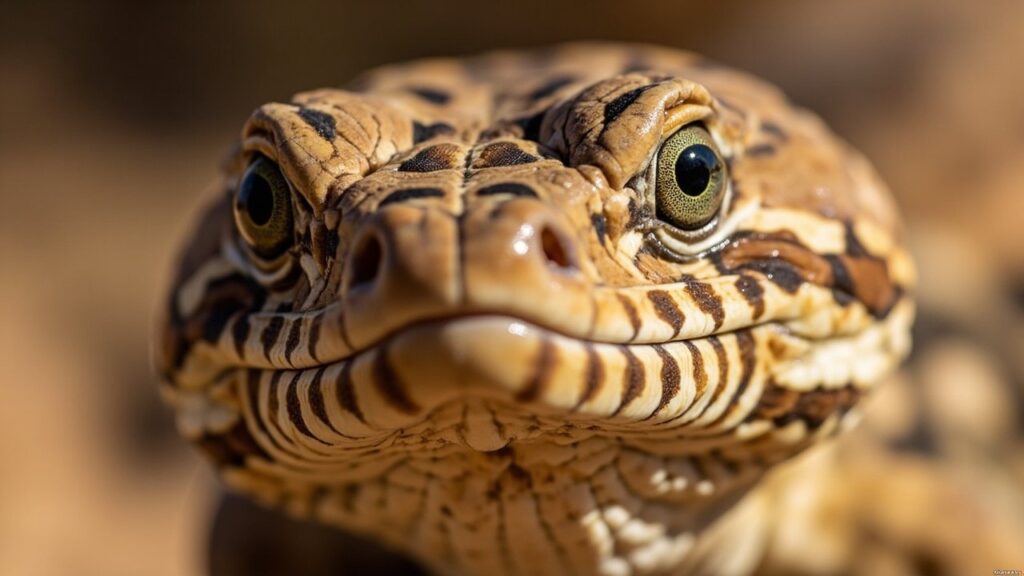
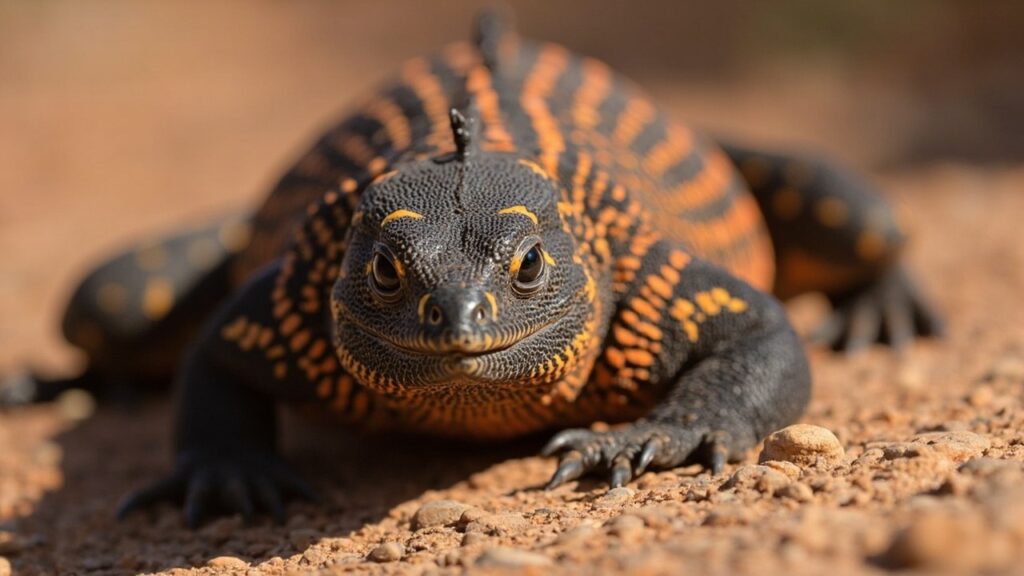
A Dragon of Australia’s Interior
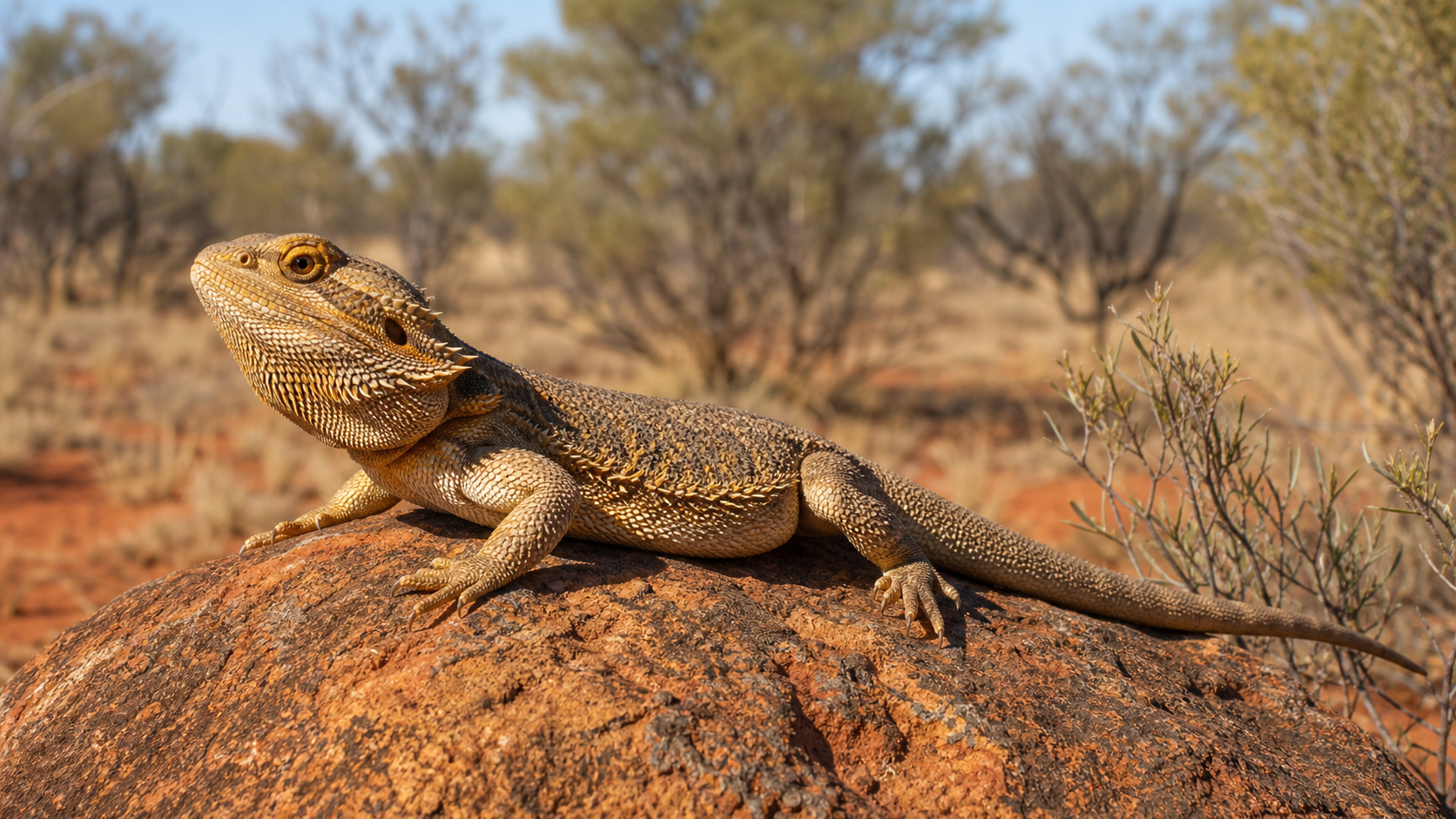
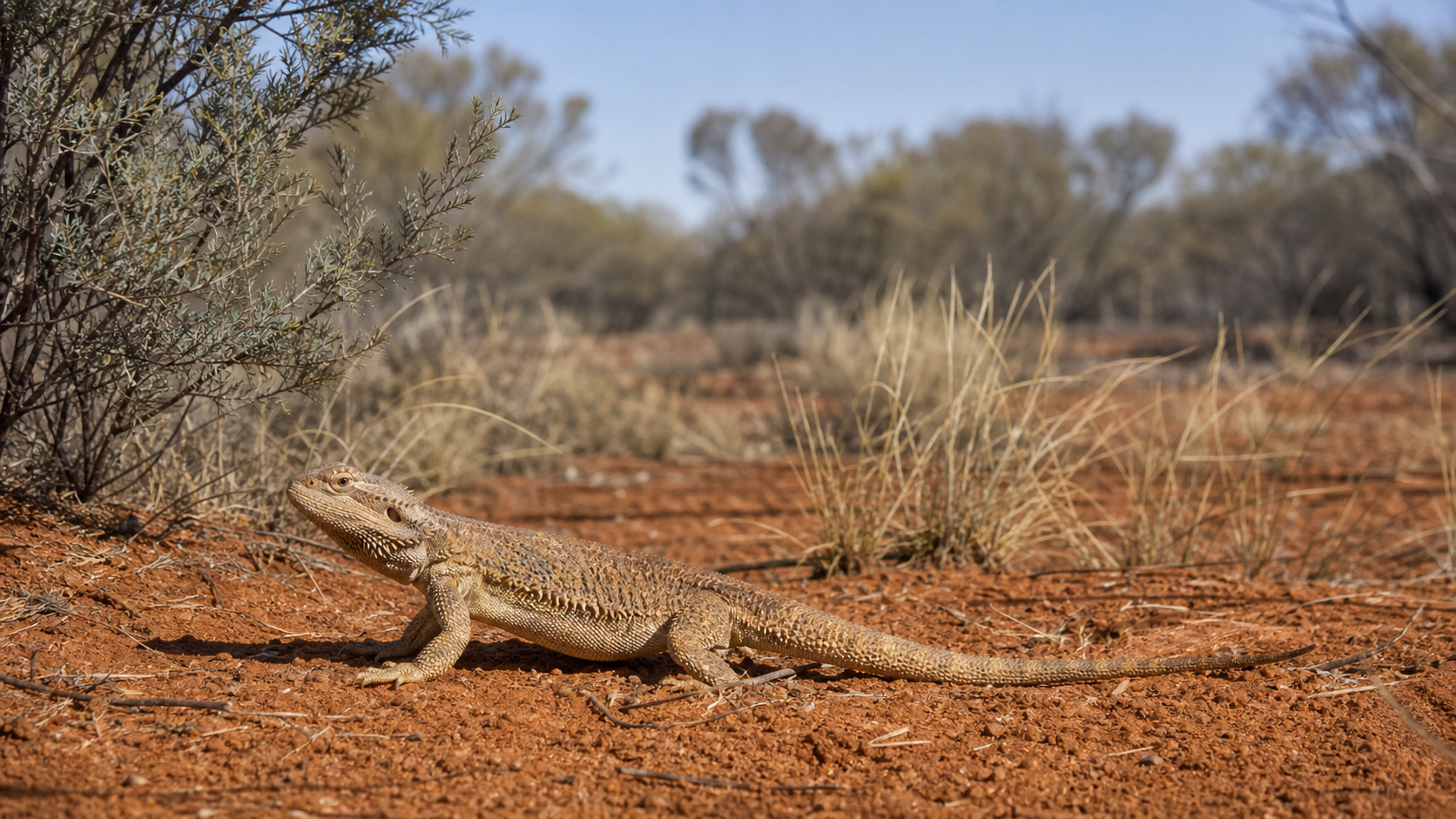
The central bearded dragon, Pogona vitticeps, is native to dry inland parts of central and eastern mainland Australia. It occurs in open woodland and shrubland, where sun, shelter, and elevated perches help it regulate body temperature and watch its surroundings.
Food, Colour, and Communication
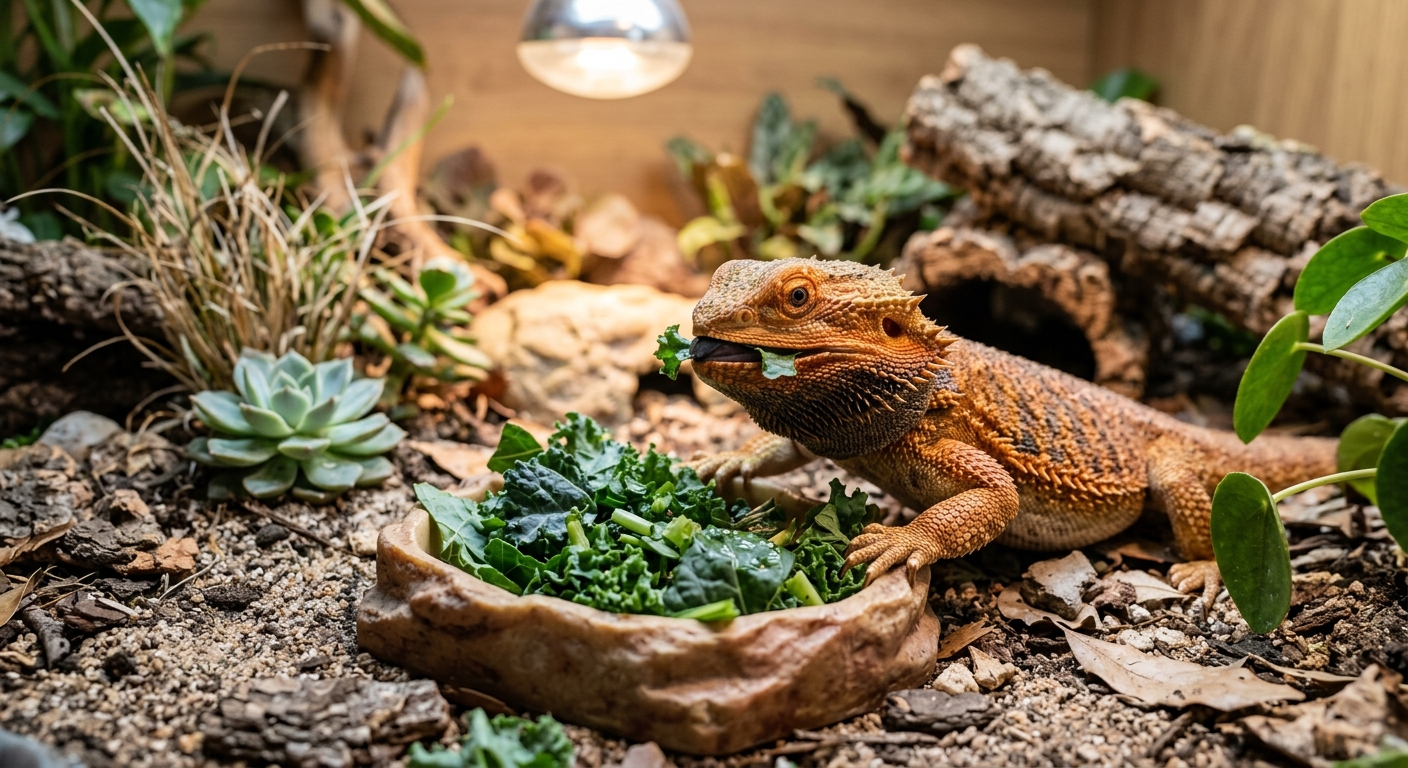
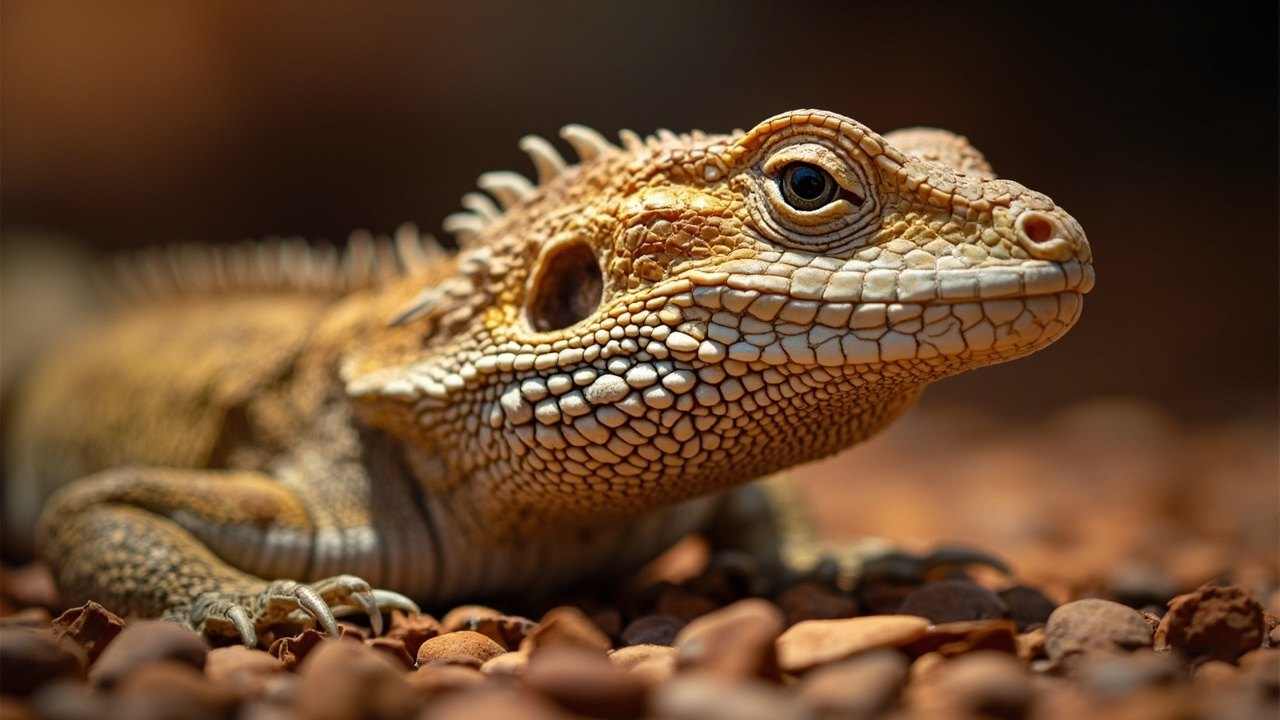
Central bearded dragons are omnivores, taking invertebrates as well as plant material when it is available. Their browns, reds, and yellows often blend with local soils. Head-bobbing, beard displays, and arm-waving are context-dependent signals used during encounters, courtship, and conflict avoidance.
Observing a Native Species Responsibly
Wild dragons should be watched from a respectful distance and never collected. Their conservation needs can differ by locality, so protecting native vegetation, shelter sites, and connected habitat is more useful than making broad claims about a single threat across the species’ range.
Habitat Is More Varied Than a Single Desert Label
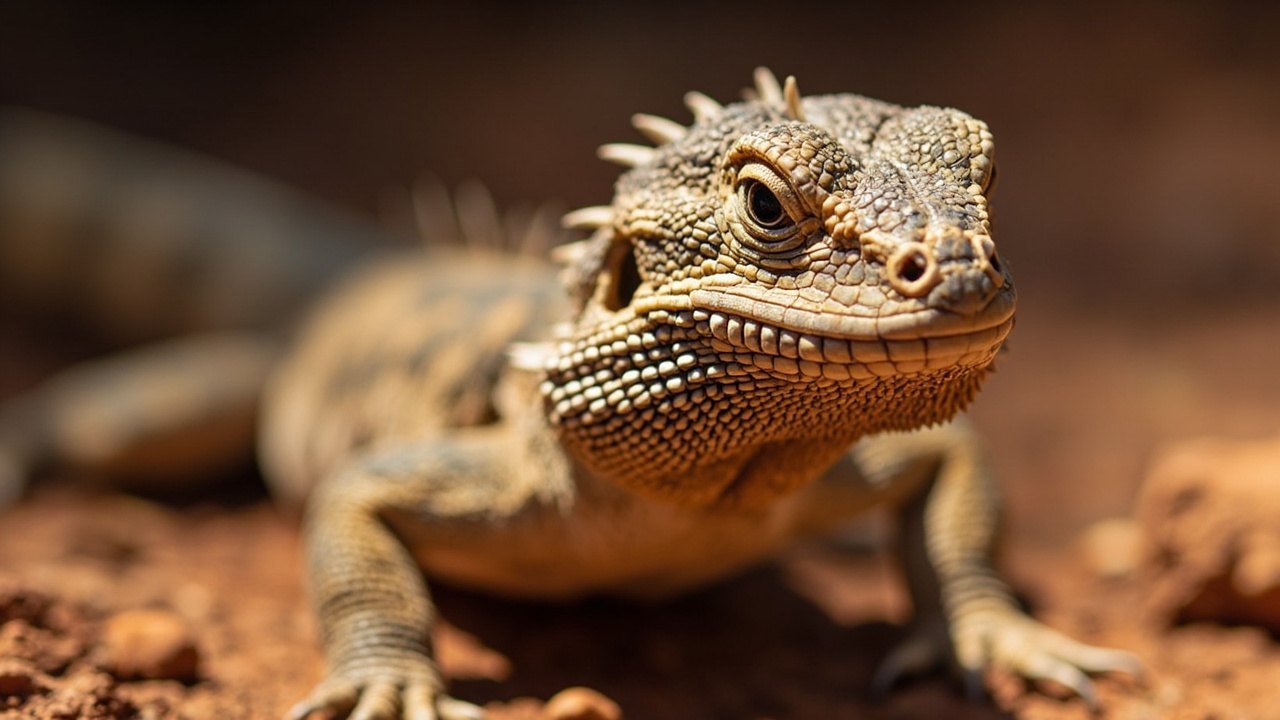
Central bearded dragons use dry inland habitats, but suitable sites are not all bare sand. Open woodland, shrubland, ground cover, fallen timber, burrows and raised perches can each provide different opportunities for shelter, basking and observation. Daily activity depends on local weather and safe access to these features. Describing the species only as a desert lizard hides the variety of habitats that can matter across its broad Australian range.
Displays Depend on Context
Head-bobbing, arm-waving, body posture and beard darkening are visible forms of communication, but a single display does not have one fixed meaning. The identity, sex, size and behaviour of the other animal, as well as season and distance, can alter the context. Arm-waving can occur in submissive or receptive encounters, while head-bobbing may feature in territorial, social or courtship situations. Observers should record the surroundings and sequence of behaviour rather than treating one gesture as a complete translation.
Keep Wild Observation Separate From Captive Care
Wild central bearded dragons should be left where they are found. A sighting, photograph or local observation can be useful when it notes habitat and date without disturbing the animal. Captive-bred animals require species-specific husbandry rather than assumptions based only on a wild habitat description. Wild ecology provides context, but it does not substitute for current veterinary or specialist guidance for an individual animal.
Sources and review notes
Reviewed 23 August 2026. Reptile biology is wonderfully variable. We have avoided turning one species, photograph or dramatic observation into a rule for an entire group, and we have used cautious wording where evidence or local conditions differ.
Reference starting points: The Reptile Database, The IUCN Red List of Threatened Species, and PubMed-indexed research. Conservation status, taxonomy and local laws can change, so check the linked databases and the relevant local authority for current information.
Spotted something we should revisit? Send Reptile Explorer a correction—thoughtful reader feedback is always welcome.