A Delta in Motion
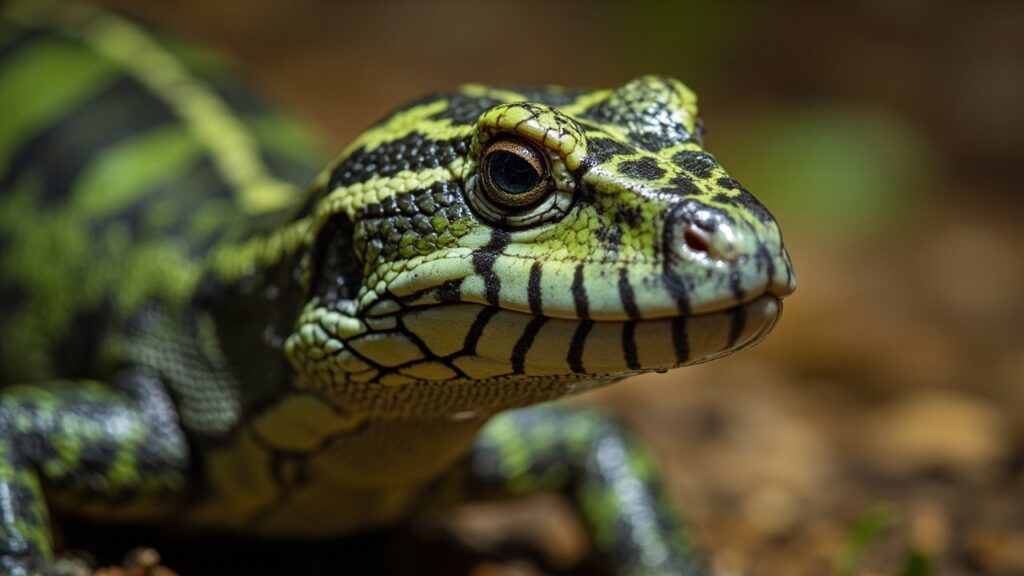
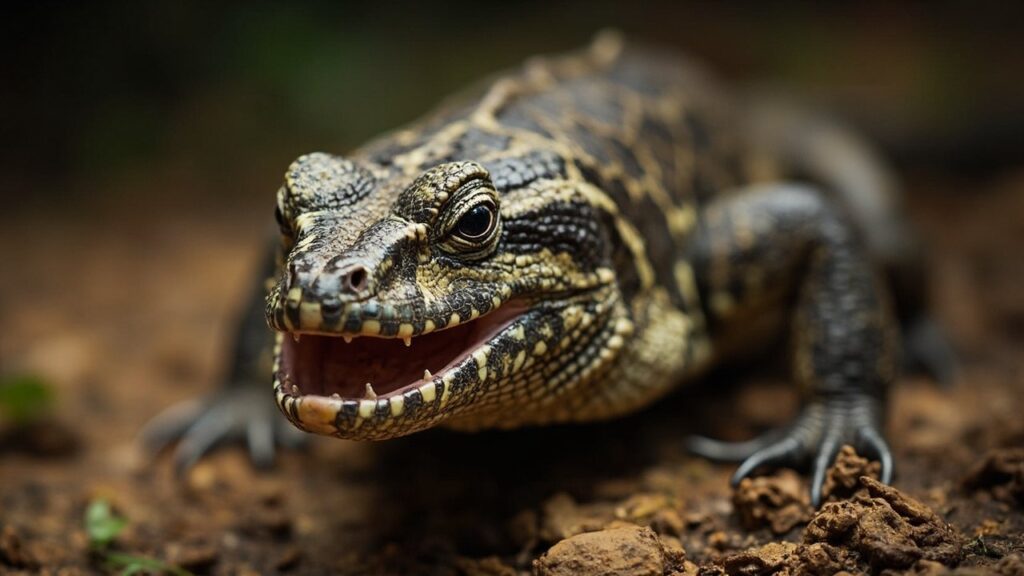
Where the Danube reaches the Black Sea, water, sediment, and seasonal flooding continually reshape channels, lakes, reedbeds, marshes, and floodplain forests. The delta spans Romanian and Ukrainian sectors, and its changing water levels create a wide range of feeding, nesting, and refuge sites.

Wetland Habitat for Reptiles
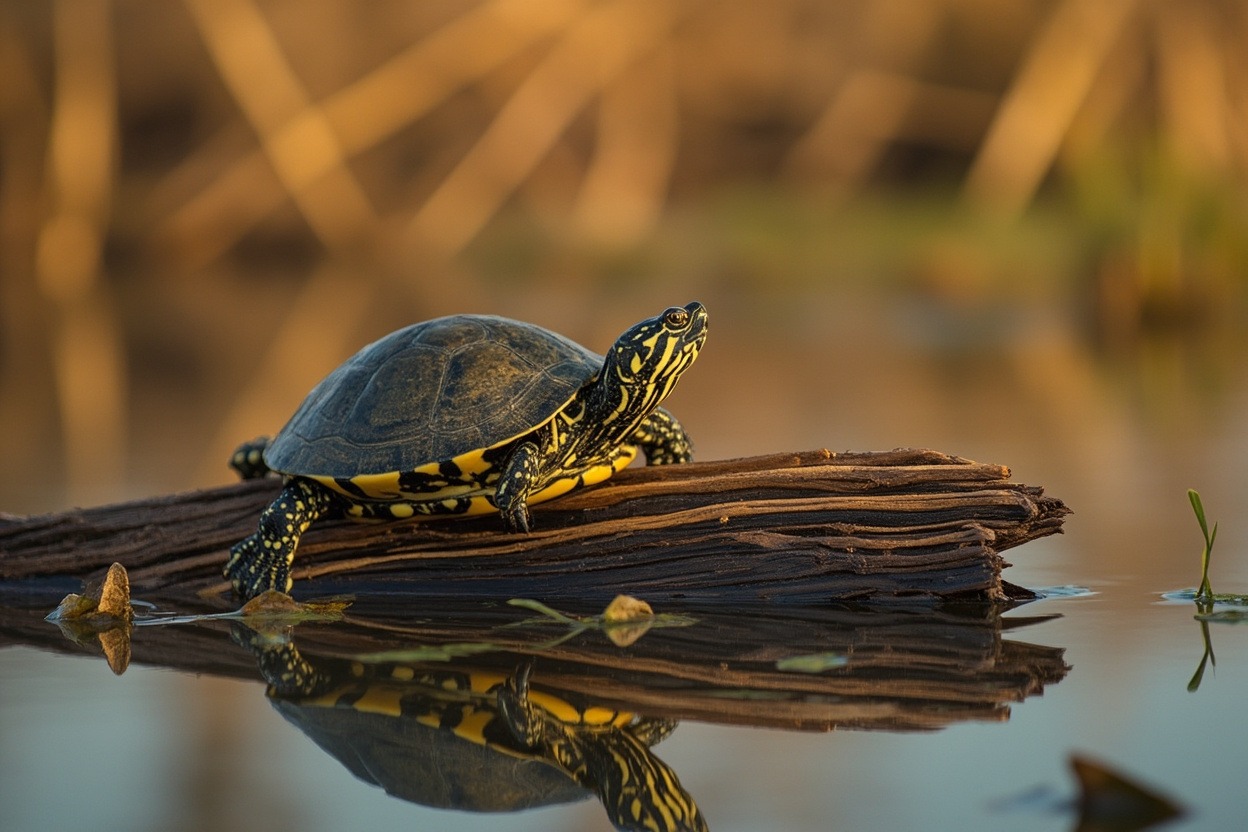
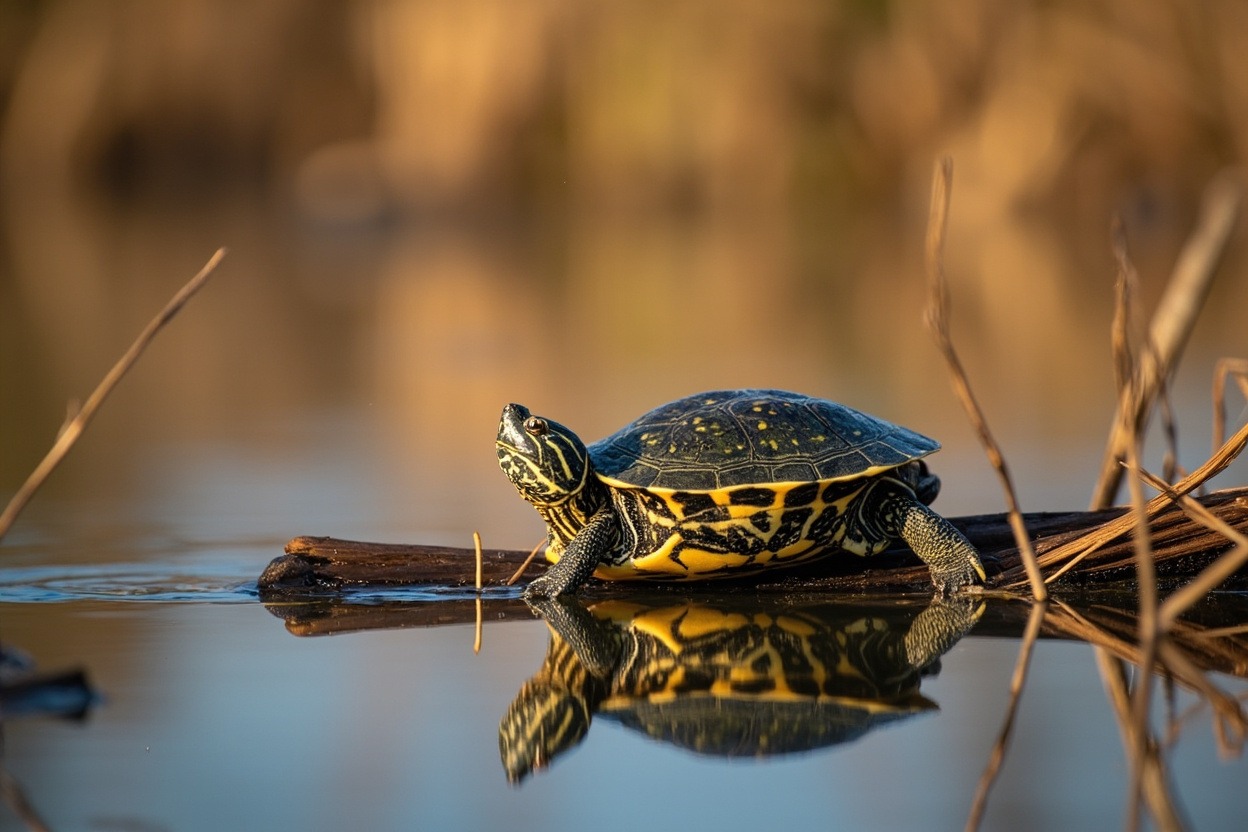
Reptiles depend on the same connected wetland features that support fish and birds. Shallow, vegetated water can provide feeding areas, while sunny banks and higher ground offer basking and nesting opportunities. The European pond turtle is one familiar wetland species, but local records should guide any fuller species list.
Protecting a Connected System
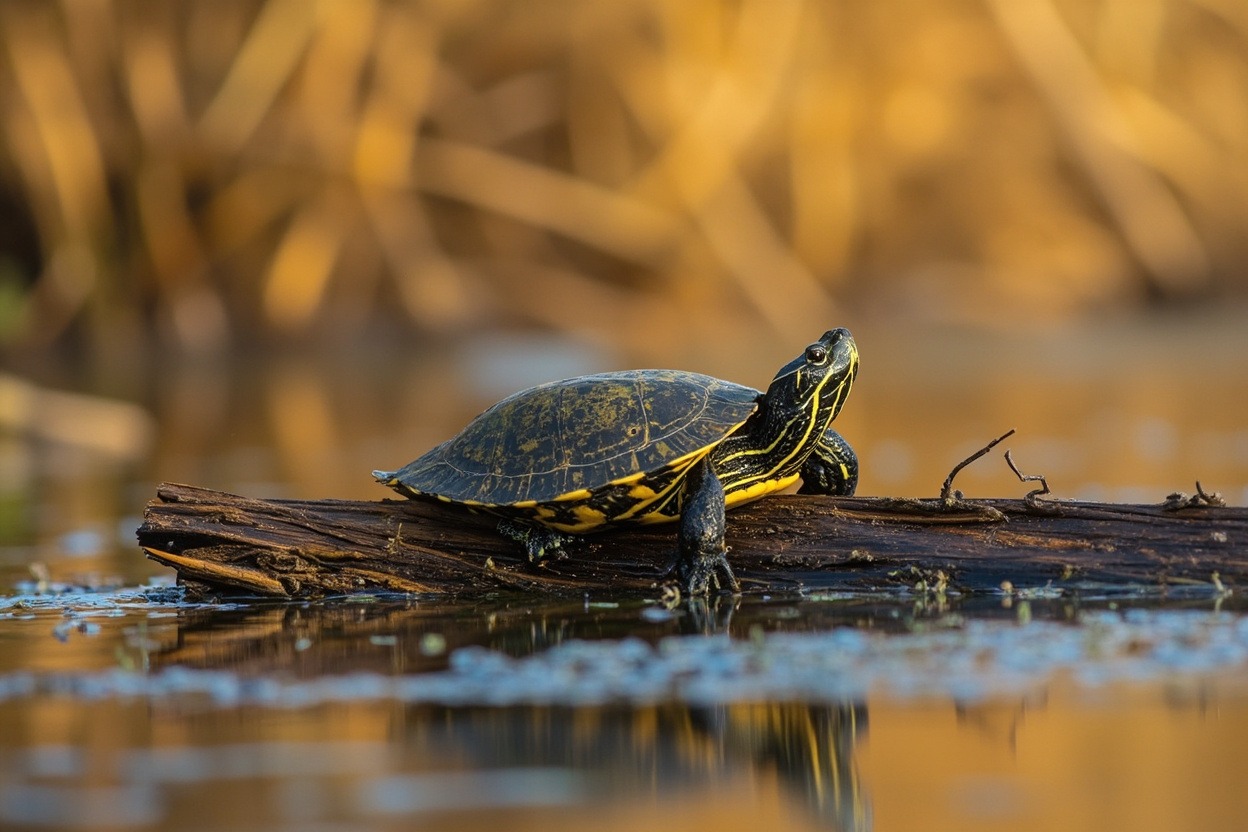
Effective protection depends on water quality, natural water exchange, intact reedbeds, and room for seasonal flooding. Because the delta crosses national boundaries, research, restoration, and habitat management work best when they are coordinated across the wider landscape.
Seasonal water shapes reptile habitat
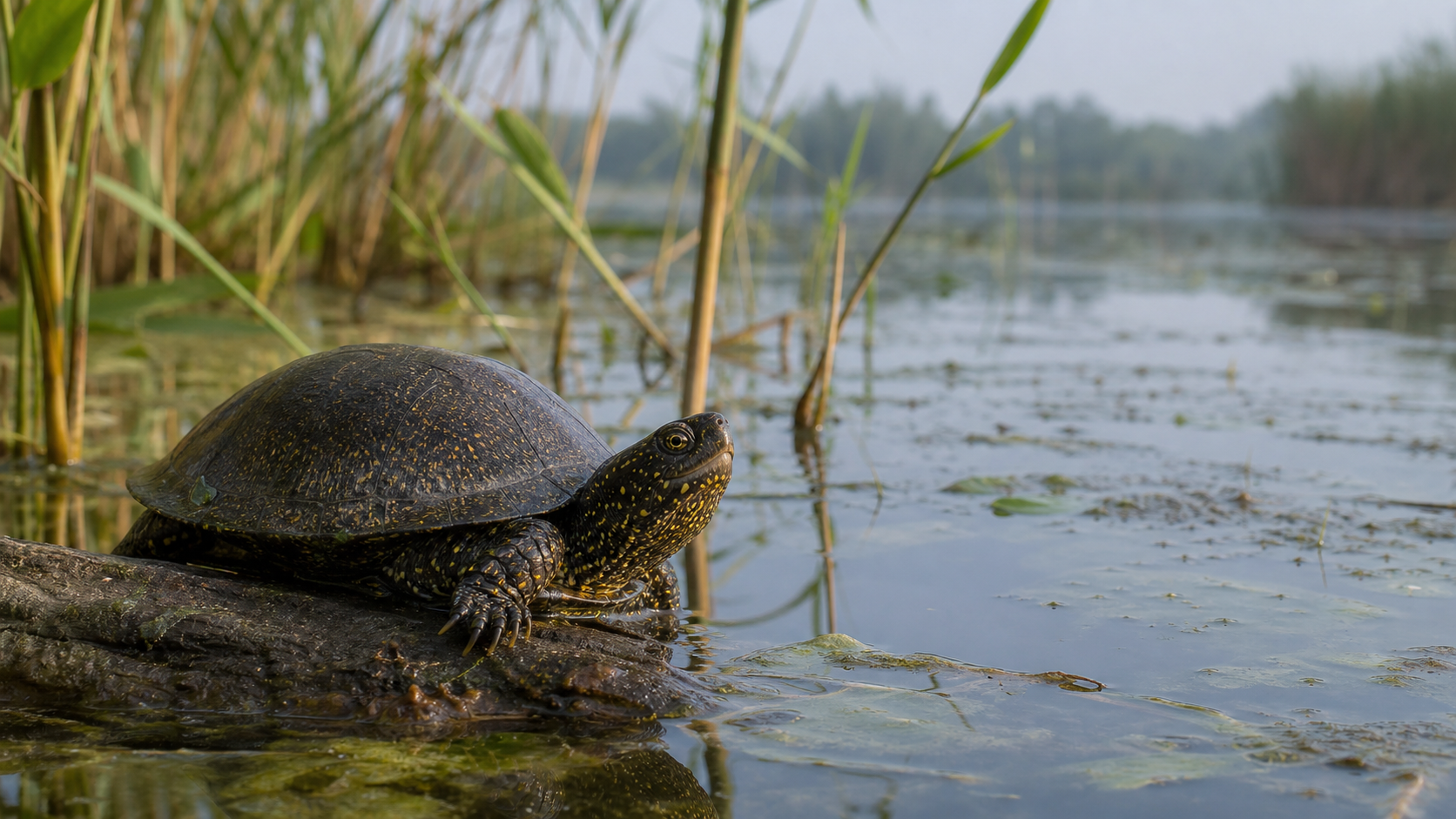
In the Danube Delta, a reptile’s usable habitat can change with the water level. Spring floods may reconnect channels and shallow lakes, while lower water can expose banks, sand, and higher ground. Aquatic turtles need access to water as well as places to bask, lay eggs, and shelter. Snakes and lizards may use reed margins, dry banks, fallen wood, or nearby grassland. For that reason, a wetland map alone cannot show every part of the habitat a local population needs.
The European pond turtle, Emys orbicularis, illustrates this connection. It is associated with still or slow-moving freshwater, yet its life cycle also depends on terrestrial ground for nesting. Sun exposure, vegetation cover, predator pressure, and the timing of floods can all affect whether a site is useful. Monitoring should record the actual places used by animals, rather than assuming that every pond or reedbed provides the same conditions.
Observation can support protection
Visitors can reduce disturbance by remaining on established routes, keeping dogs controlled where rules require it, and not approaching basking animals or suspected nests. Releasing a pet turtle or moving a wild reptile to a different channel can introduce disease or place the animal outside its familiar range. Clear records of date, location, habitat, and a verified identification are far more useful for research than a close encounter. In a delta shared by two countries, compatible field records and coordinated management help reveal changes that are not visible at one small site.
Sources and review notes
Reviewed 23 August 2026. Reptile biology is wonderfully variable. We have avoided turning one species, photograph or dramatic observation into a rule for an entire group, and we have used cautious wording where evidence or local conditions differ.
Reference starting points: The Reptile Database, The IUCN Red List of Threatened Species, and PubMed-indexed research. Conservation status, taxonomy and local laws can change, so check the linked databases and the relevant local authority for current information.
Spotted something we should revisit? Send Reptile Explorer a correction—thoughtful reader feedback is always welcome.