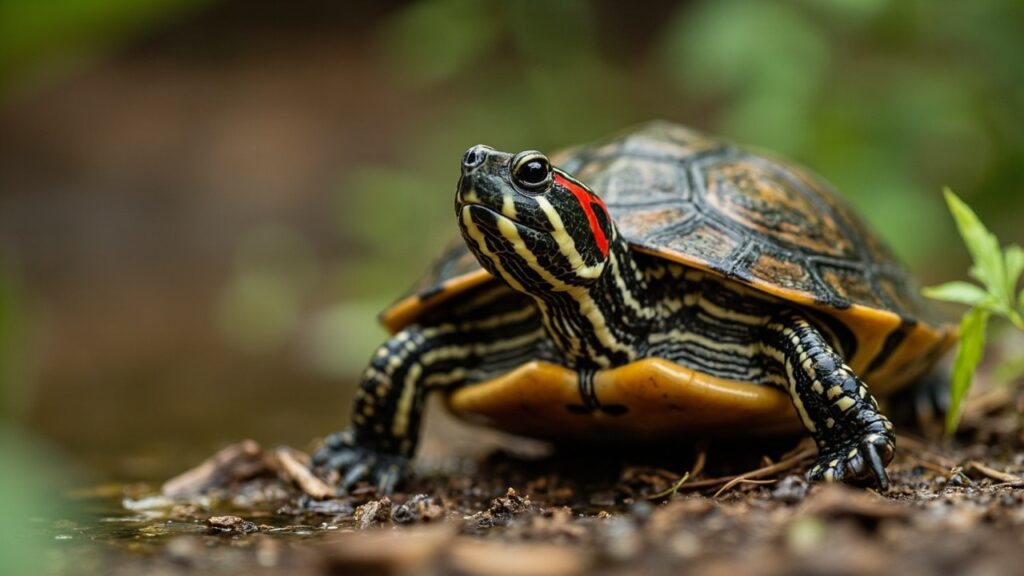
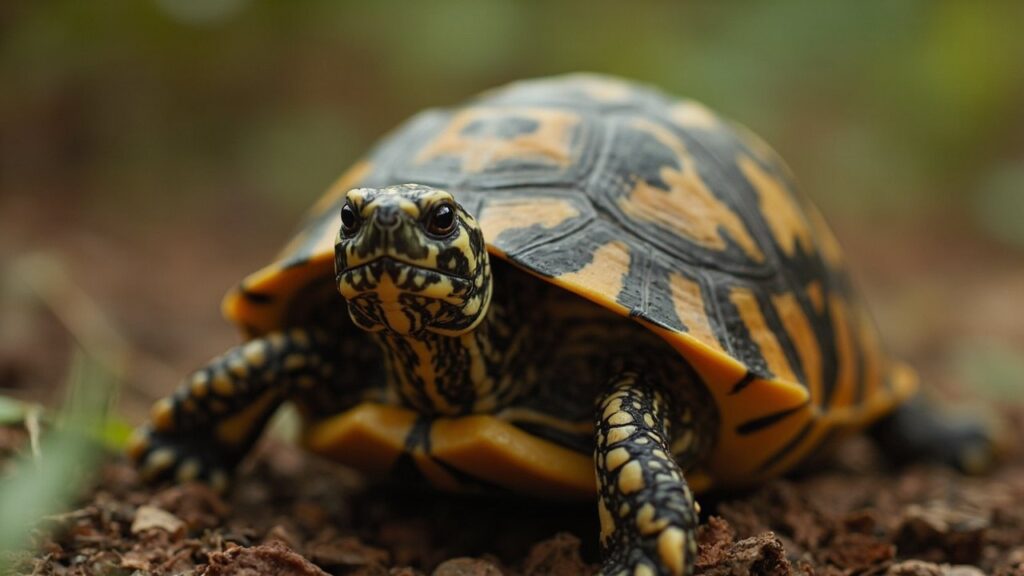
A Tortoise of Central Asian Drylands
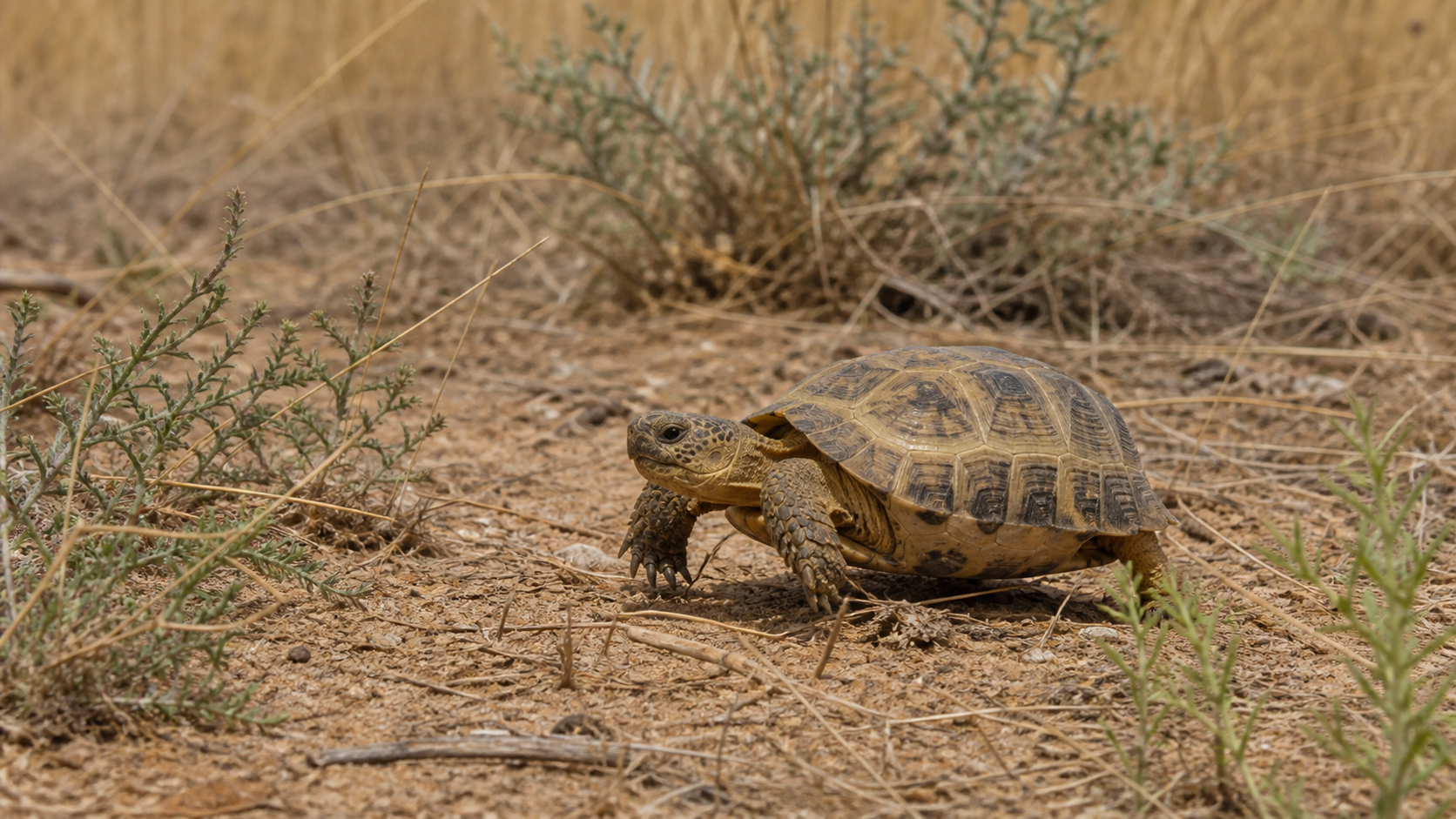
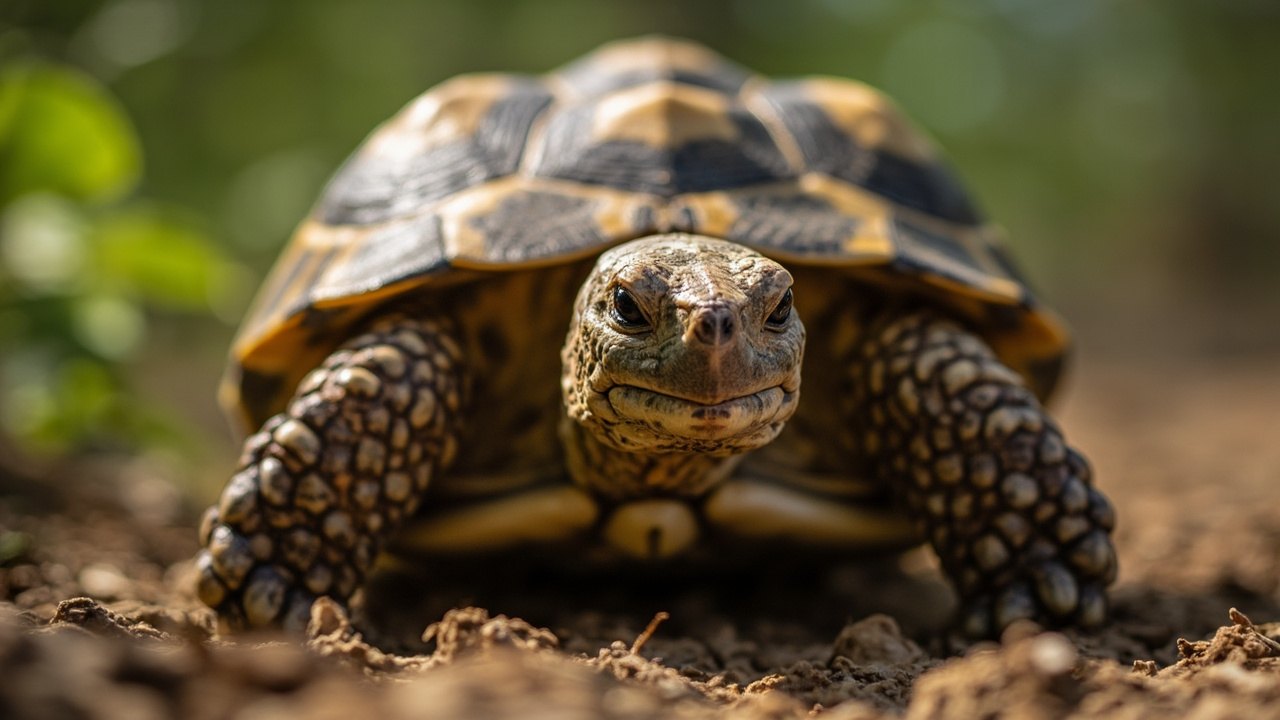
The Russian tortoise, also called Horsfield’s tortoise (Testudo horsfieldii), lives in parts of Central Asia where conditions can be dry and highly seasonal. It uses burrows for shelter from heat, cold and predators, and spends much of its active time foraging on vegetation. Calling the species hardy should not imply that it can tolerate any enclosure or climate. Its adaptations are tied to a particular kind of landscape and seasonal cycle.

Diet and Environment Need to Match the Species
Russian tortoises are chiefly herbivorous and need a high-fibre, species-appropriate diet rather than fruit-heavy feeding or generic reptile food. In managed care, they need room to walk and dig, secure shelter, a measured temperature gradient and appropriate lighting for calcium metabolism. Exact conditions vary with the animal’s age, health and whether it is kept indoors or outdoors, so reliable veterinary and husbandry guidance matters more than a one-size-fits-all checklist.
A Long-Term Commitment
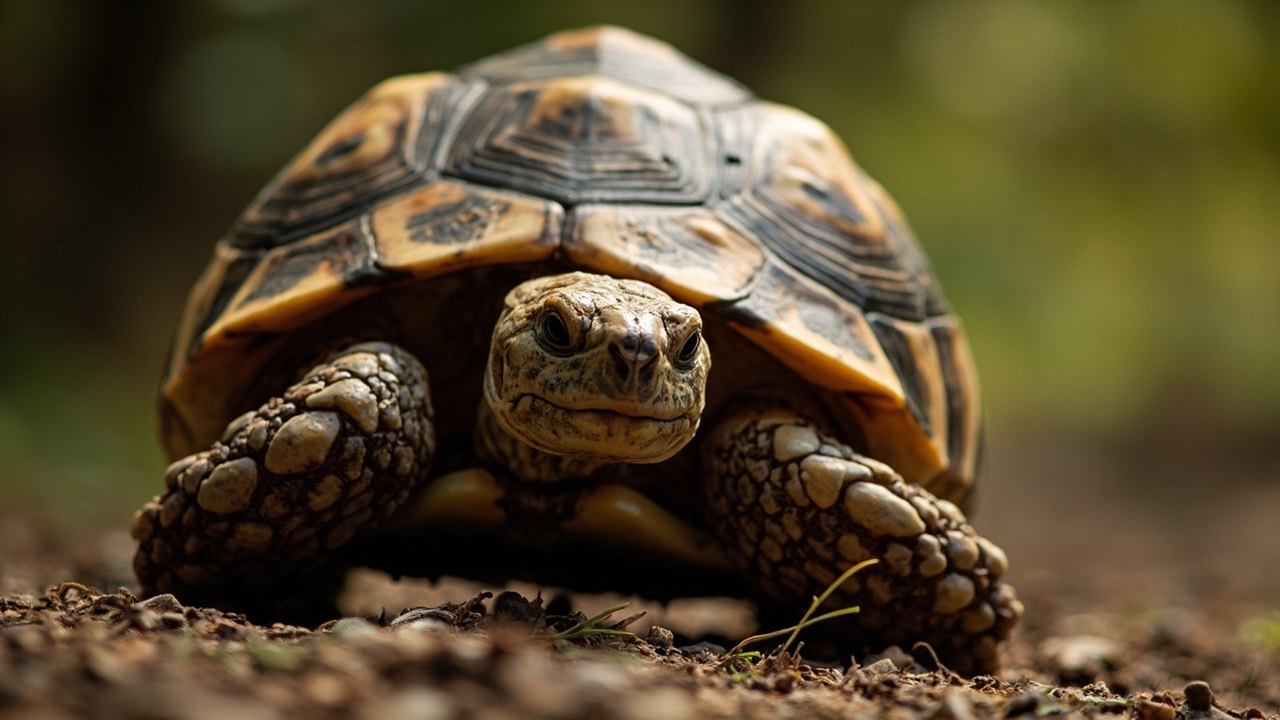
A tortoise can live for decades, and purchasing one means planning for its full lifespan, veterinary care and secure housing. Wild collection and illegal trade put pressure on reptiles, so animals should come from lawful, traceable sources. Tortoises also do not automatically benefit from sharing space. Watching for blocked access to food, heat or shelter is part of responsible care, and persistent changes in appetite, movement or shell condition should be assessed by a reptile-qualified veterinarian.
Burrows Are More Than Hiding Places
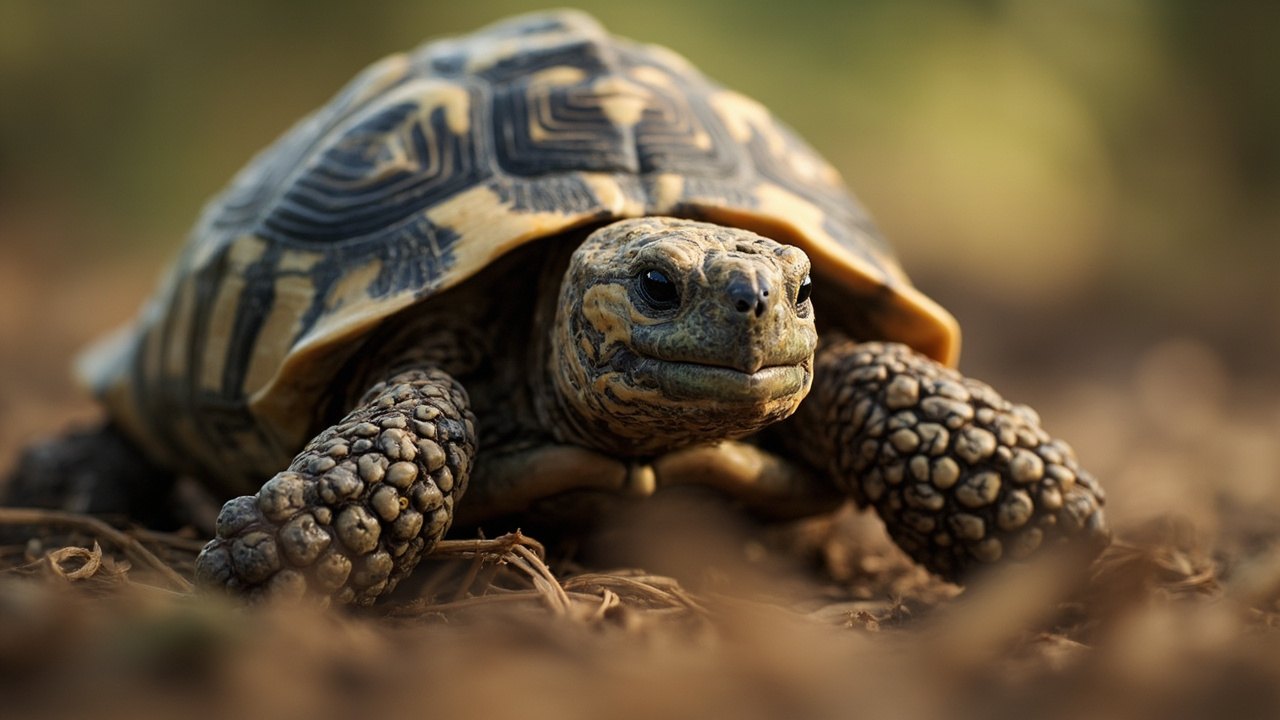
A burrow can buffer heat, cold and drying conditions and offers a refuge from disturbance. In managed care, a shallow decorative shelter may not meet the same need. Safe digging opportunities, secure cover and a temperature range should be planned for the individual rather than assuming a tortoise will be content in an exposed pen. Outdoor housing also needs protection from escape, predators and unsuitable weather.
Seasonal Change Needs Evidence
Reduced activity can be related to season, temperature, illness or a husbandry problem. It should not be labelled normal dormancy without considering weight, feeding history and conditions. A veterinarian familiar with tortoises can help determine whether a seasonal plan is appropriate. Do not withhold food or alter temperatures abruptly to force a cycle.
Traceable Origin Supports Better Decisions
Records of lawful origin, species identity and prior care help a new keeper plan responsibly and can be useful during veterinary care or rehoming. A tortoise should never be released outdoors because it is difficult to keep. A local rescue, veterinarian or lawful specialist may be able to advise on suitable options.
Sources and review notes
Reviewed 23 August 2026. Care works best when it starts with the exact species in front of you. We checked this article against current veterinary husbandry guidance, but measured enclosure conditions and a reptile-experienced veterinarian should guide decisions for an individual animal.
Reference starting points: Merck Veterinary Manual: reptile management and husbandry, CDC: healthy handling around reptiles and amphibians, and The Reptile Database. Conservation status, taxonomy and local laws can change, so check the linked databases and the relevant local authority for current information.
Spotted something we should revisit? Send Reptile Explorer a correction—thoughtful reader feedback is always welcome.