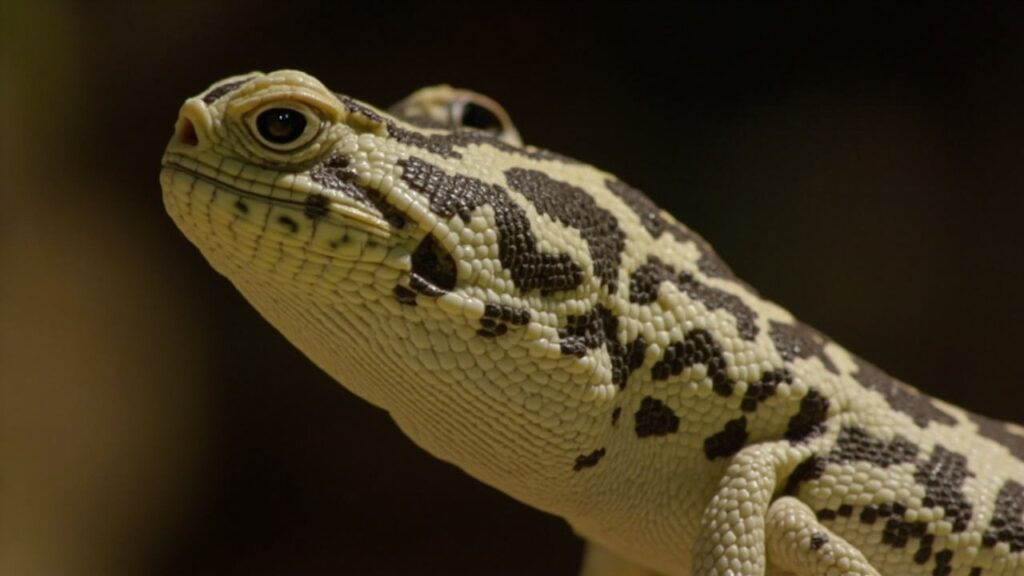
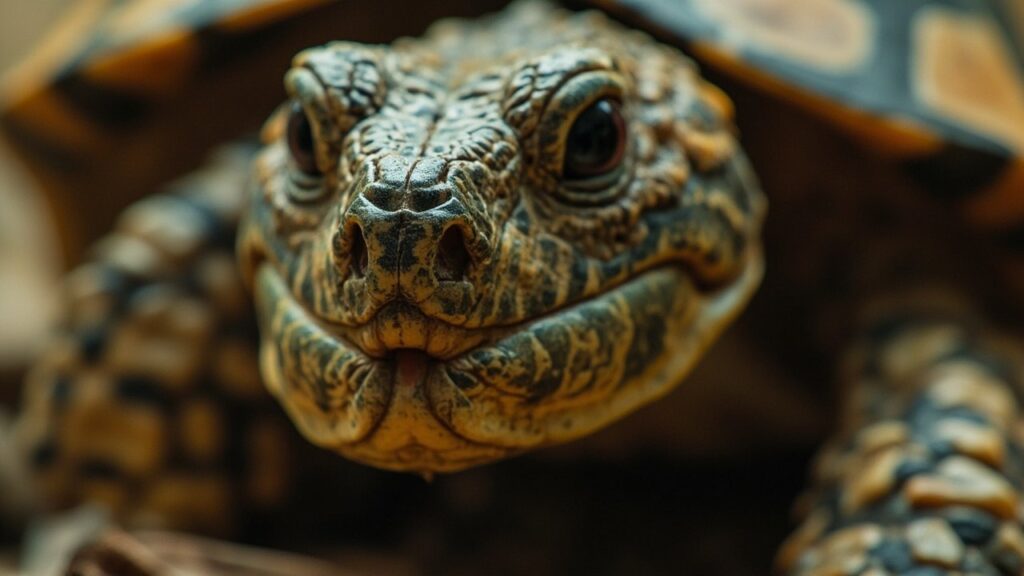
Most Encounters Are Defensive, Not Hostile
Snakes generally do not seek encounters with people. A snake may hide, stay still or move away when it detects a person, but it can bite if it is cornered, handled or surprised at close range. This is defensive behaviour, not a sign that the animal is pursuing a person. Giving a snake space is the simplest way to reduce risk for both people and wildlife.
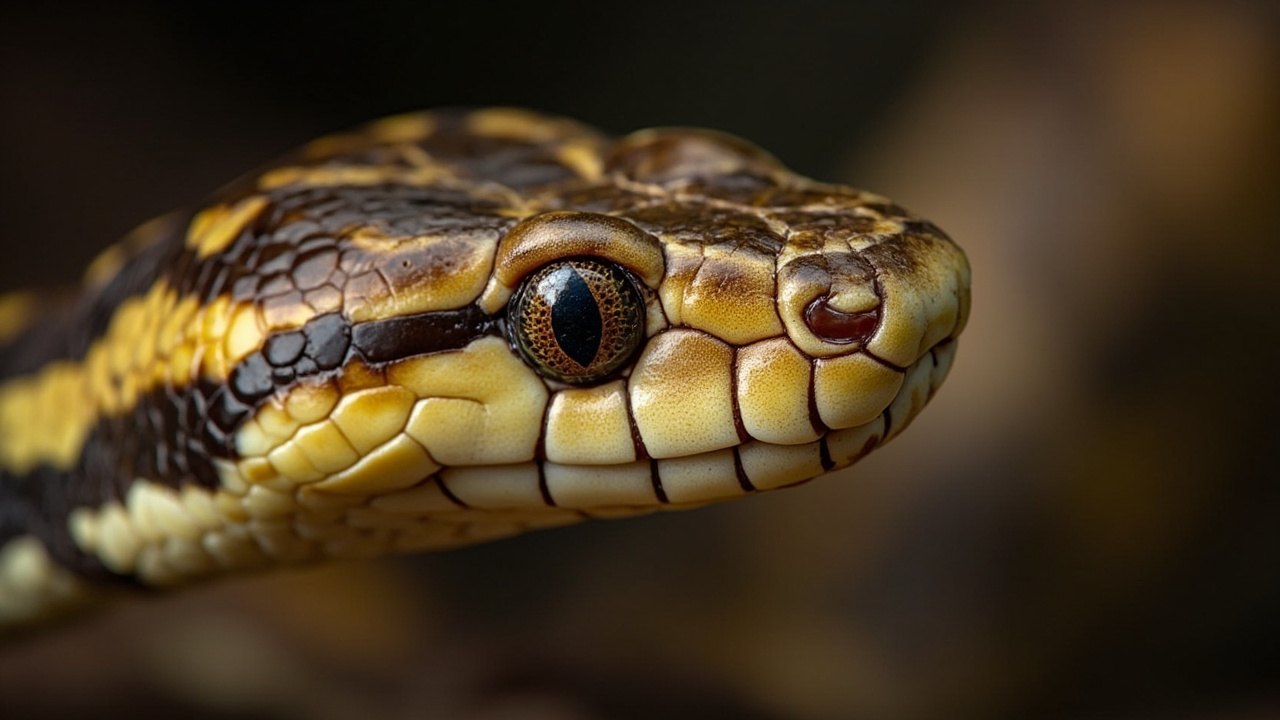
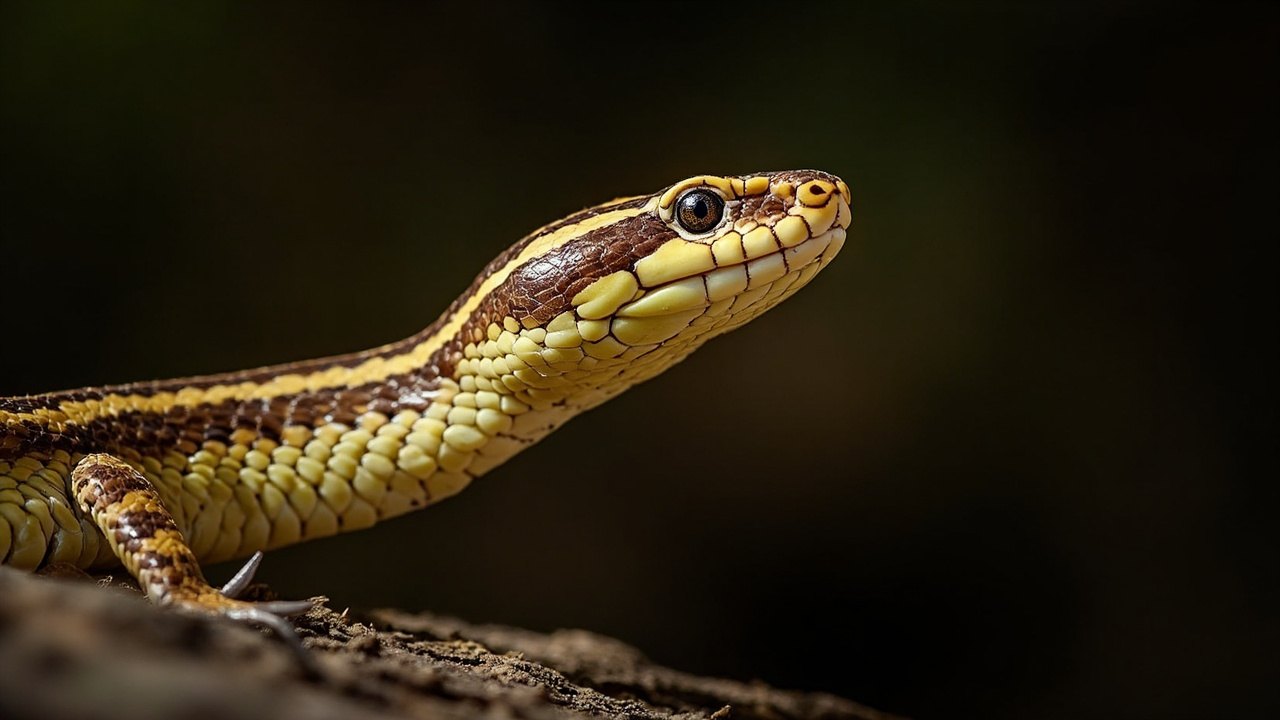
Appearance Is Not a Safety Test
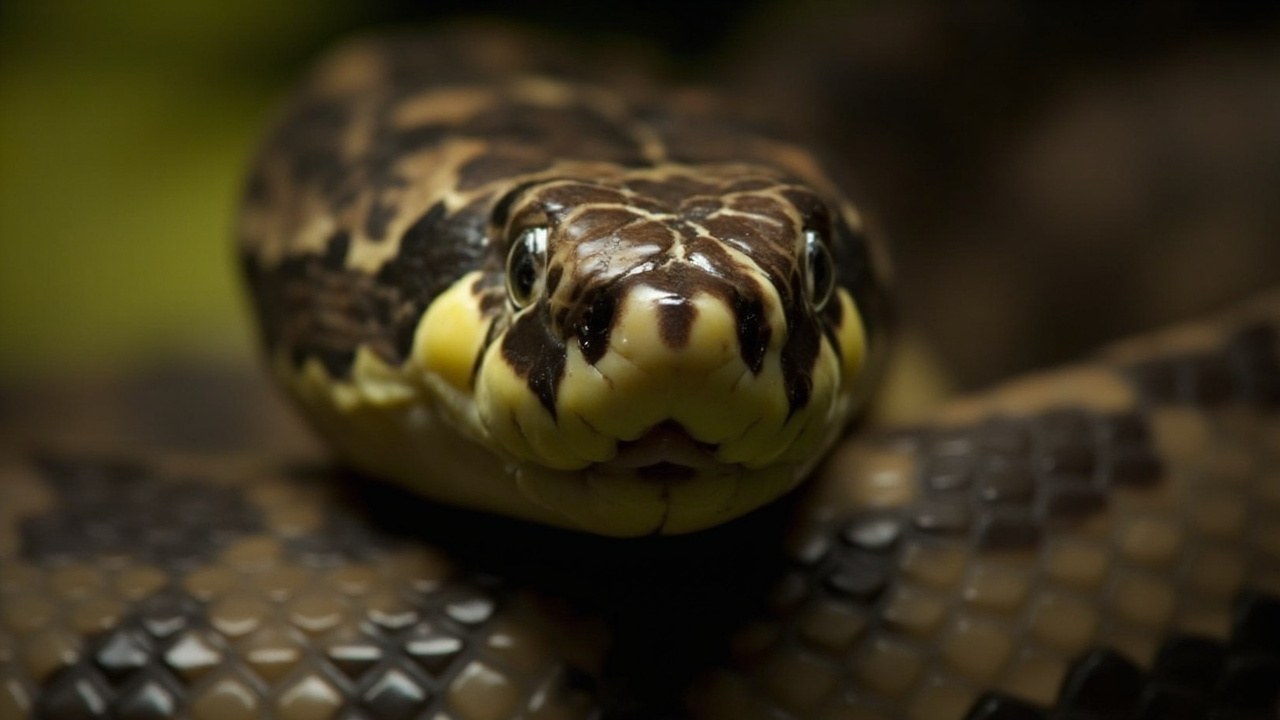
Head shape, pupil shape and colour patterns are not reliable ways to decide whether a snake is venomous. Harmless species can flatten their heads when frightened, and venomous species vary greatly in appearance. Snake skin is dry and covered with scales, not slimy. Accurate identification depends on local knowledge and clear views of several features, so a photograph or a quick glance should not be used to make a handling decision.
Use Distance and Local Guidance
Snakes use chemical cues collected by the tongue and some species have other specialised senses, but these abilities do not make them interested in people. If an unfamiliar snake is in a yard, keep children and pets back and contact a qualified local wildlife service if removal is necessary. Never try to catch, kill or relocate it yourself. A regional field guide can be useful for learning after the encounter, from a safe distance.
One Trait Never Settles Identification
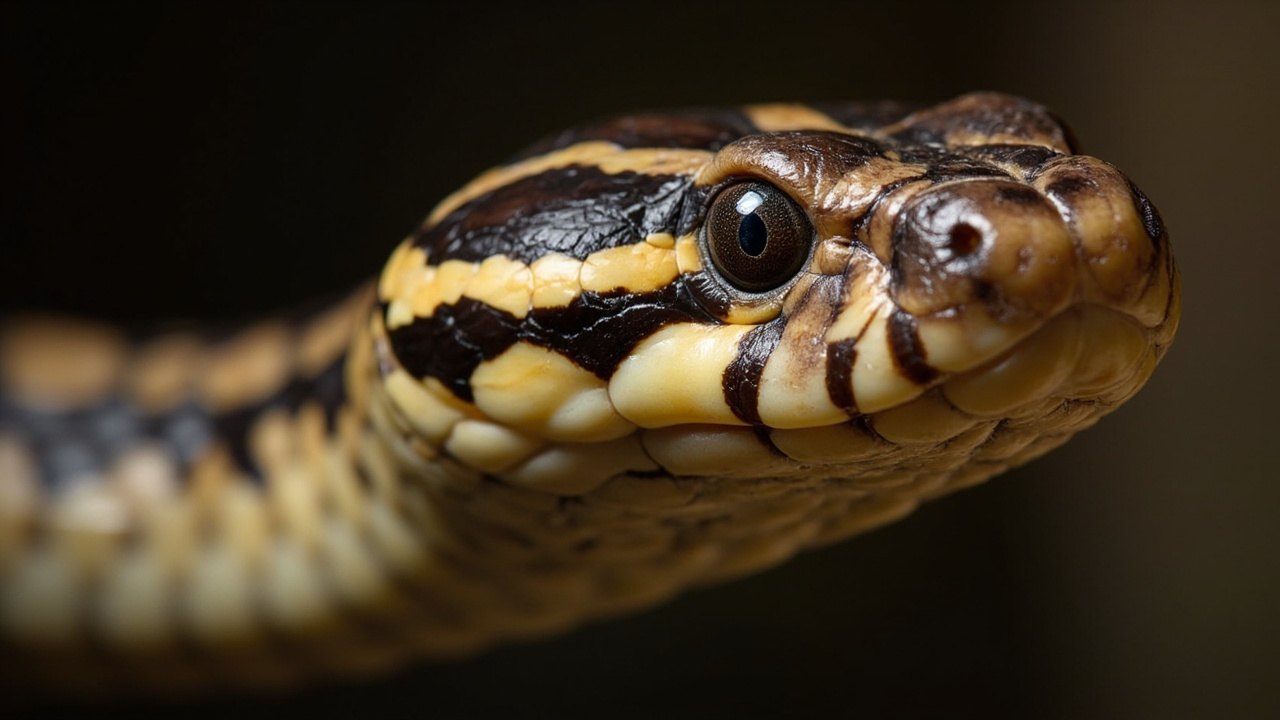
A pattern, head shape, tail movement or single photograph can be misleading. Harmless and medically important snakes can share colours, defensive postures and habitats. Correct identification usually depends on several features, a clear view and knowledge of local species. A person should never move closer, turn over a snake or handle it to confirm a name.
Safety Information Is Local
Advice about venomous species, emergency care and wildlife removal must match the country or region. A rule that is useful in one place may be wrong somewhere else because the species and medical systems differ. Local wildlife agencies, public-health services and qualified responders provide better guidance than a universal social-media checklist.
Prevention Works Before an Encounter
Keep paths clear, use a light after dark and avoid placing hands where they cannot be seen. Around a home, reduce hiding places only after checking that an animal has a safe route out. These measures lower the chance of a surprise encounter without harming snakes or assuming that every sighting requires removal.
Sources and review notes
Reviewed 23 August 2026. Reptile biology is wonderfully variable. We have avoided turning one species, photograph or dramatic observation into a rule for an entire group, and we have used cautious wording where evidence or local conditions differ.
Reference starting points: The Reptile Database, The IUCN Red List of Threatened Species, and PubMed-indexed research. Conservation status, taxonomy and local laws can change, so check the linked databases and the relevant local authority for current information.
Spotted something we should revisit? Send Reptile Explorer a correction—thoughtful reader feedback is always welcome.