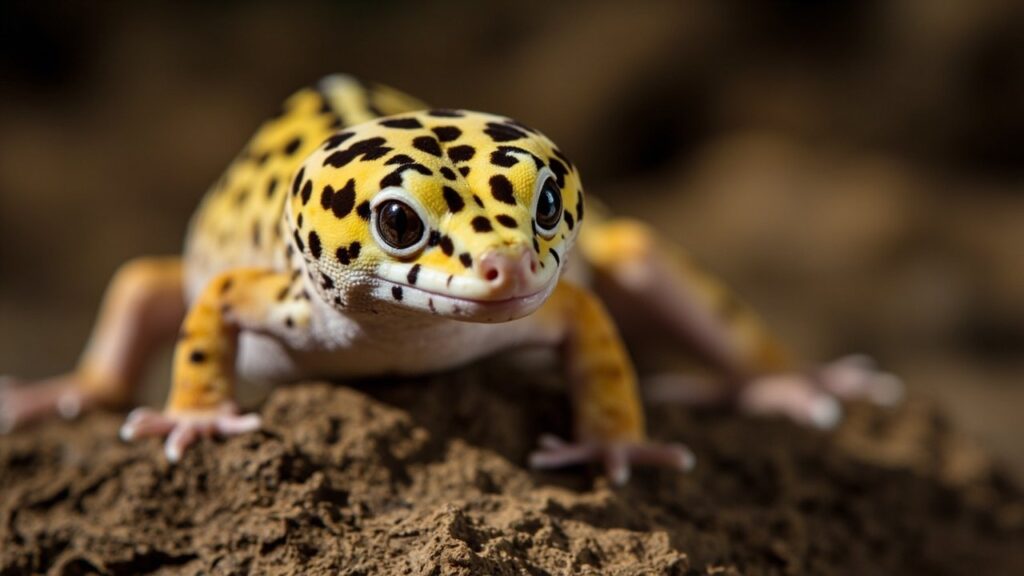
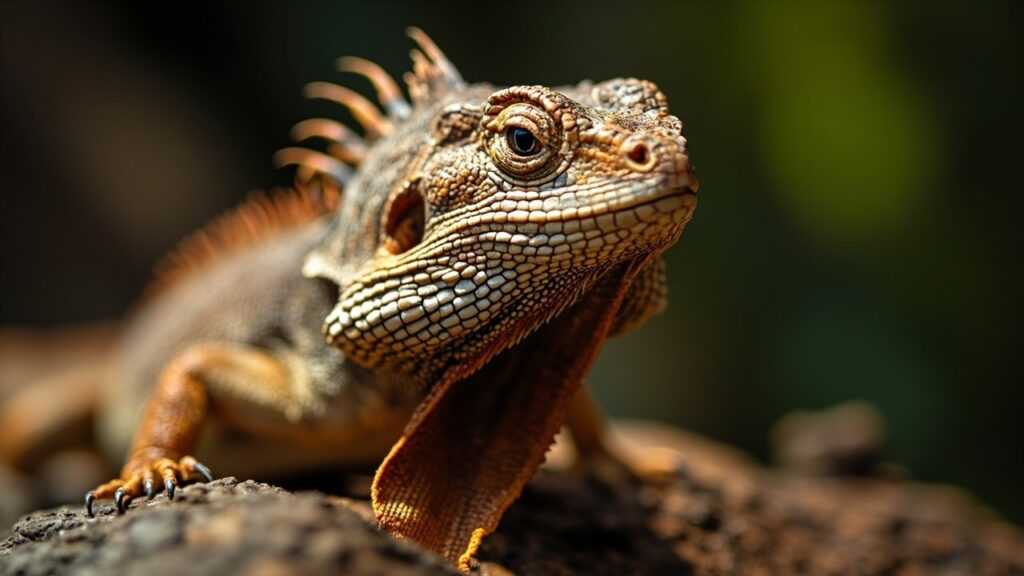
Many lizards, many small niches
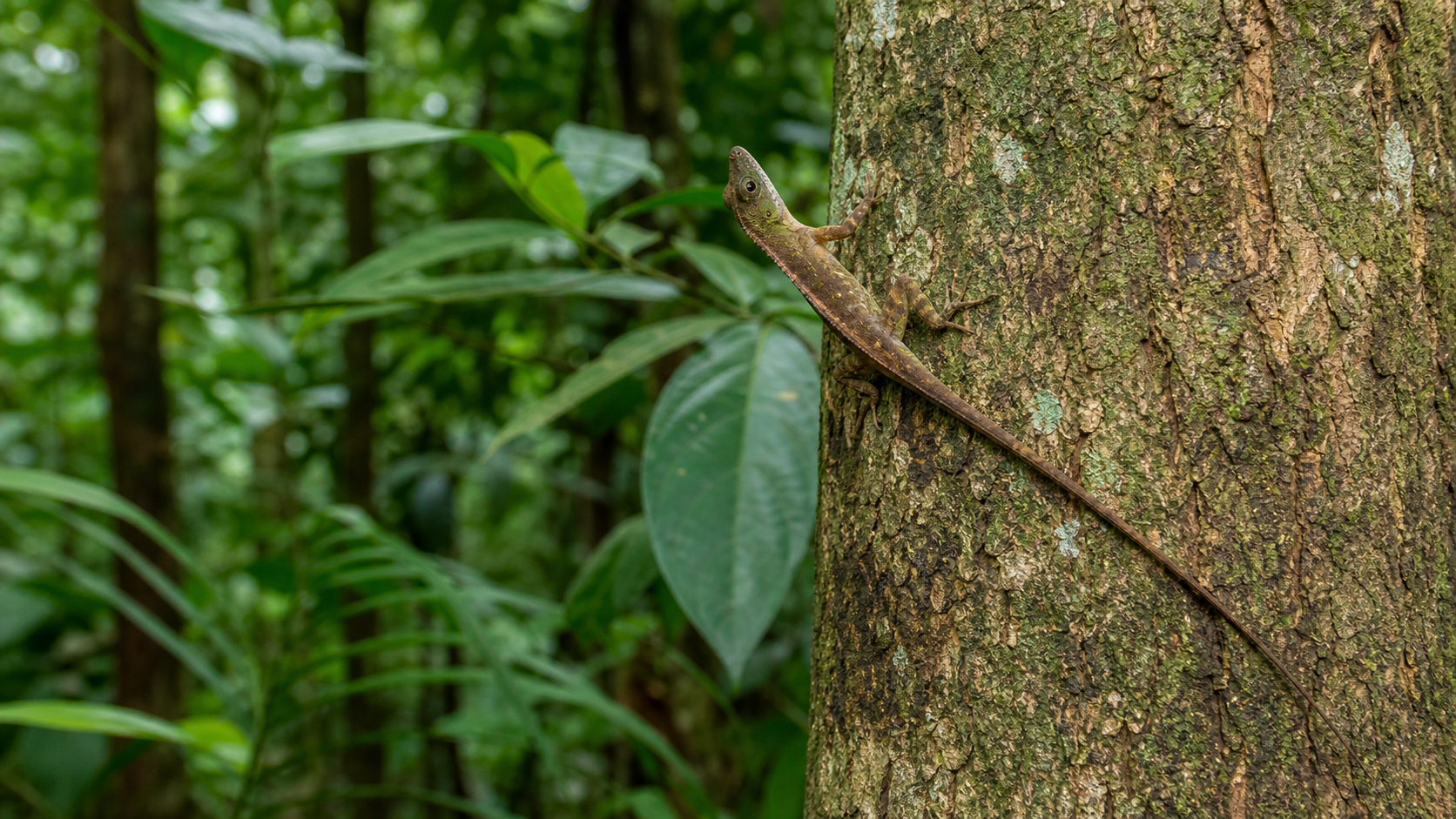
Anoles are a diverse group of lizards found across the Caribbean and tropical Americas. On several Caribbean islands, related species have evolved to use different parts of the habitat, such as grasses, twigs, tree trunks, lower shrubs and canopy branches. These repeated ecological patterns make anoles important examples in studies of evolution.
Colour and dewlaps are communication tools
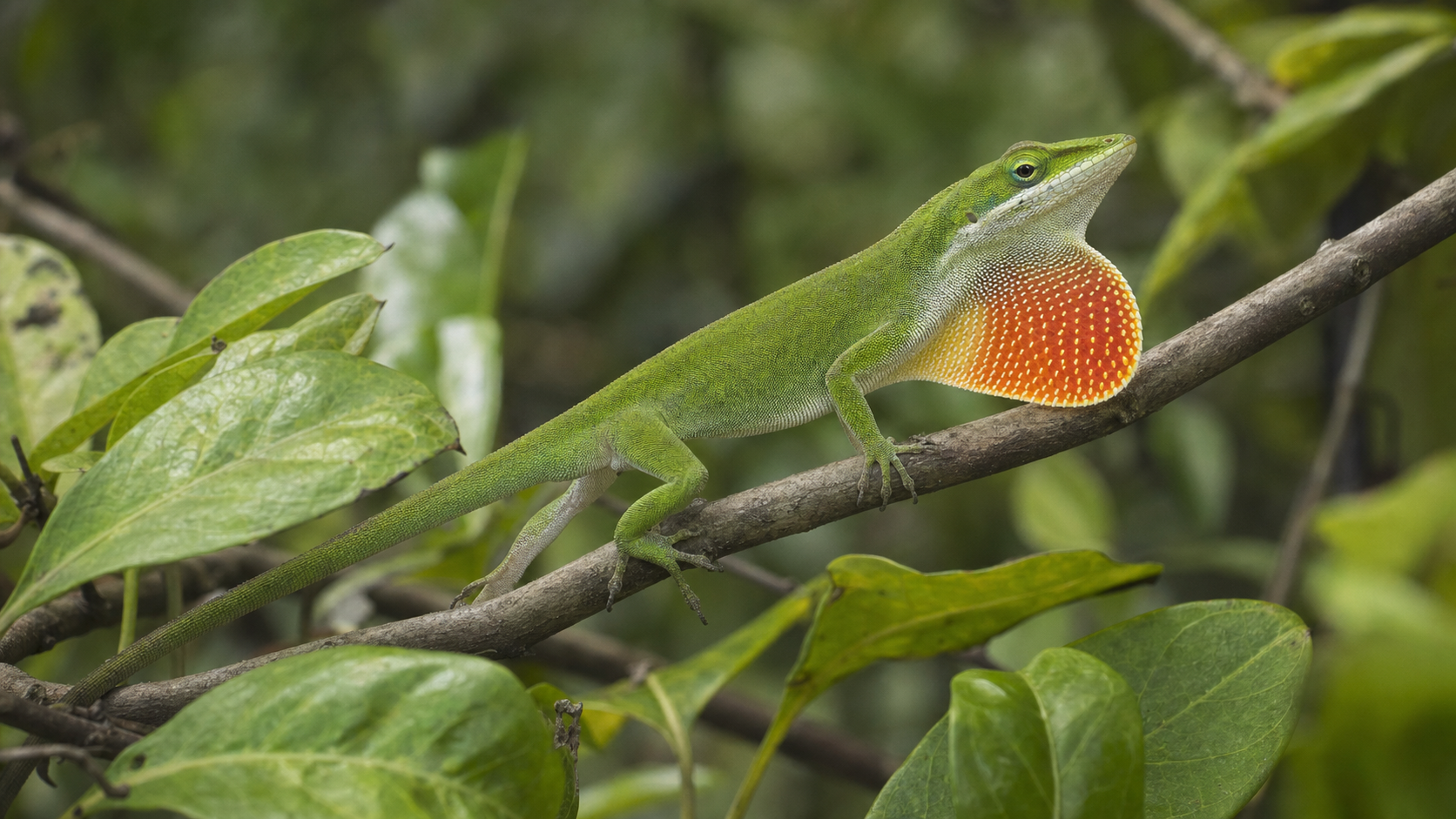
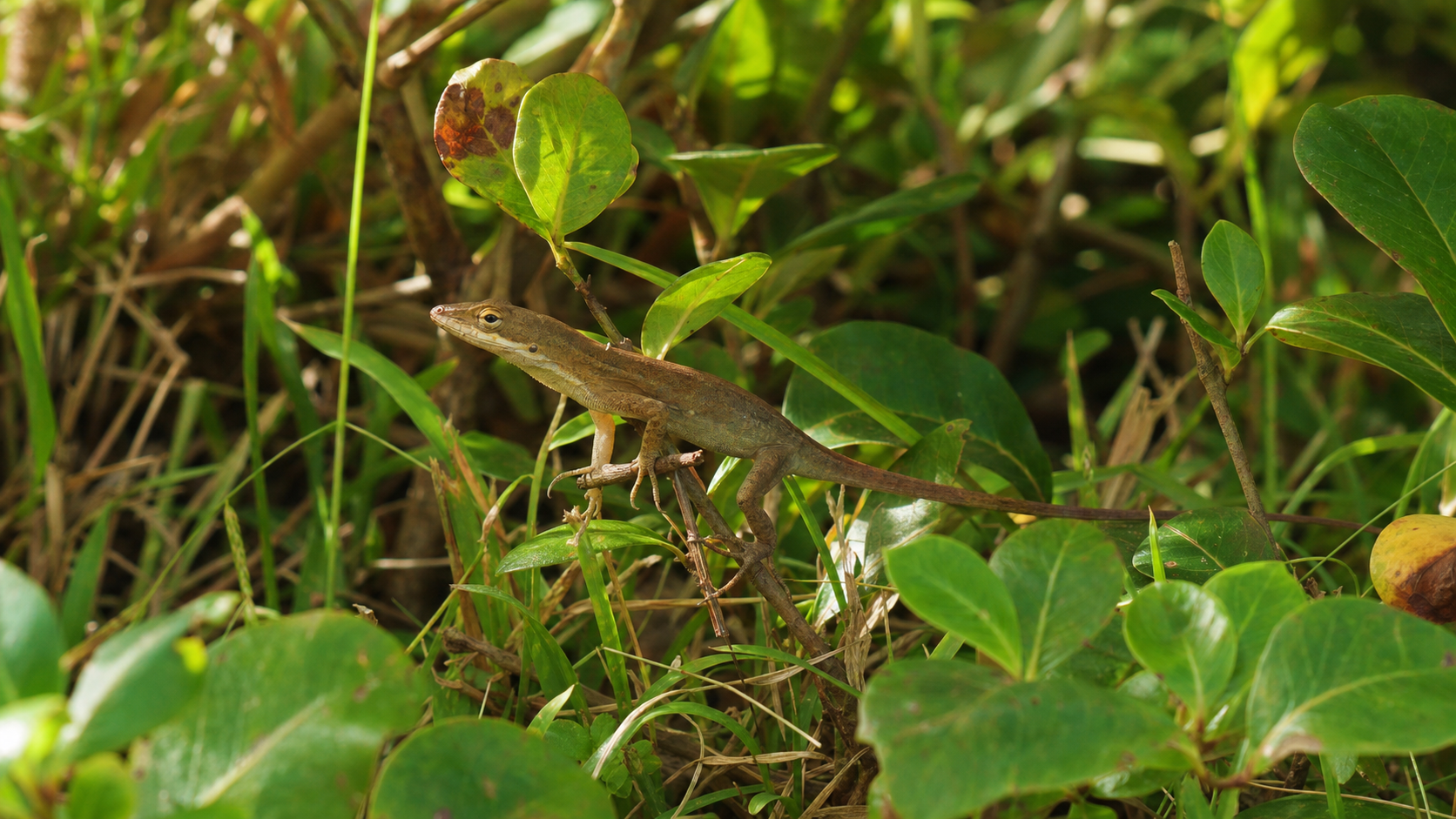
Many anoles can adjust their shade or pattern to some degree, but colour alone is not a reliable way to identify a species. Males of many species use a dewlap, head movements and posture in territorial and courtship displays. The colour, size and use of a dewlap vary among species, populations and sexes.
Wildlife, not interchangeable pets
Most anoles eat invertebrates and are themselves prey for birds, snakes and larger lizards. Their needs are tied to local temperature, vegetation structure and moisture. Wild anoles should be observed without capture, and pet ownership should begin with a species-specific welfare plan rather than assumptions based on a familiar green or brown anole.
Microhabitats Shape Anole Behaviour
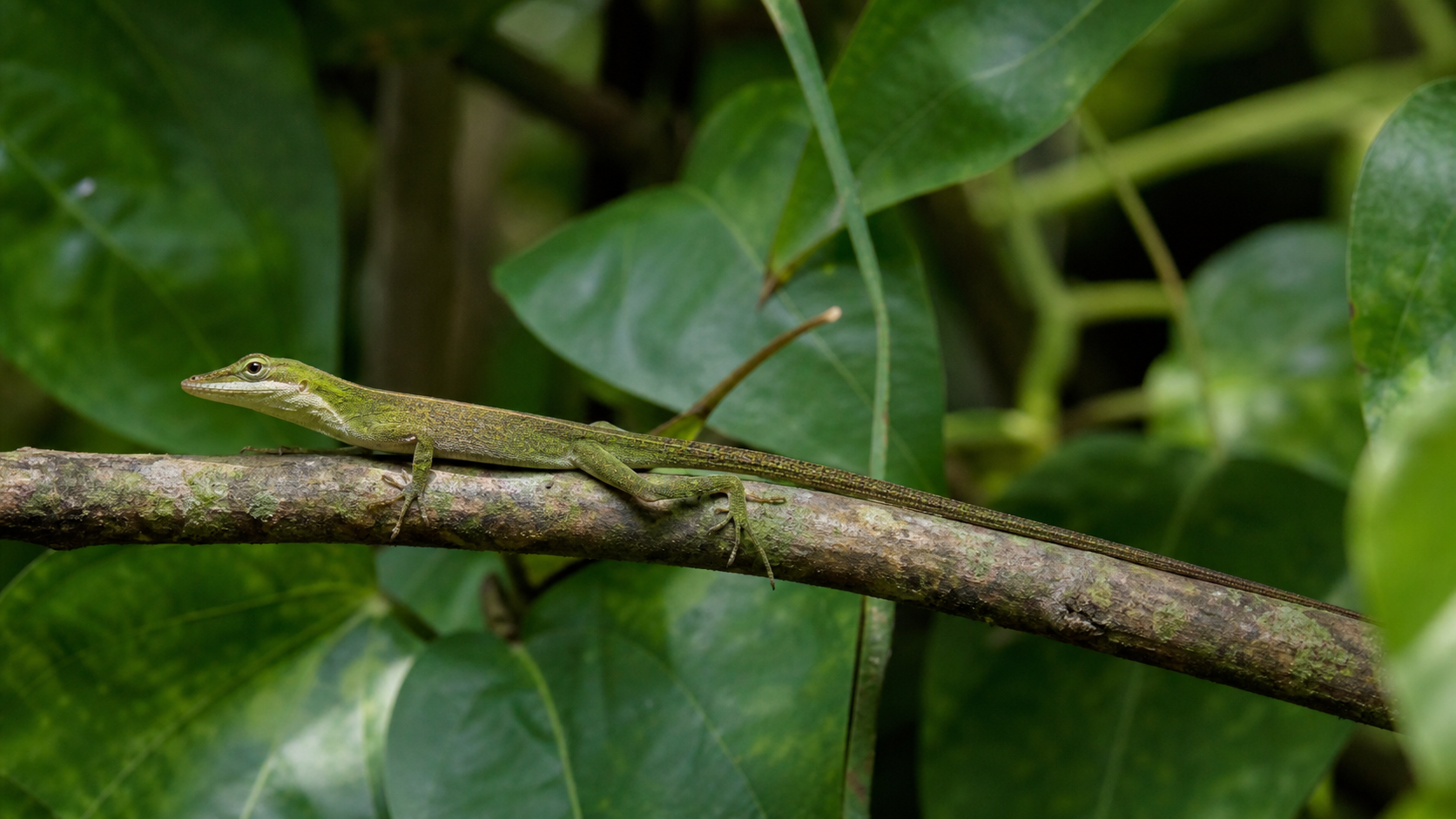
Caribbean anoles can use trunks, branches, shrubs, grass, fences and leaf litter, but species differ in the height, width and openness of the places they use. A perch is more than a surface. It affects temperature, visibility, movement, prey access and encounters with other lizards. An account of one species on one island should not be applied automatically to every anole in the Caribbean.
Body form can be linked to these choices. Limb length, toe pads and tail use can influence movement on different perch types, while natural selection and ancestry both shape the traits seen today. Researchers test those relationships with measurements and field observations rather than relying on a colour pattern alone.
Displays Have More Than One Context
Dewlap extension, head-bobbing, posture and movement can be involved in territorial, courtship or recognition interactions. The same action can be interpreted differently depending on sex, distance, season and the response of the other animal. A display captured in a photograph is a useful observation, but it is not a full translation of the lizard’s behaviour.
Keep Local Populations in View
Tree cover, gardens, invasive predators, hurricanes and development can affect anoles differently across islands and habitats. Careful identification, general location data and low-disturbance observation provide better conservation information than handling or collecting wild lizards.
Sources and review notes
Reviewed 23 August 2026. Reptile biology is wonderfully variable. We have avoided turning one species, photograph or dramatic observation into a rule for an entire group, and we have used cautious wording where evidence or local conditions differ.
Reference starting points: The Reptile Database, The IUCN Red List of Threatened Species, and PubMed-indexed research. Conservation status, taxonomy and local laws can change, so check the linked databases and the relevant local authority for current information.
Spotted something we should revisit? Send Reptile Explorer a correction—thoughtful reader feedback is always welcome.