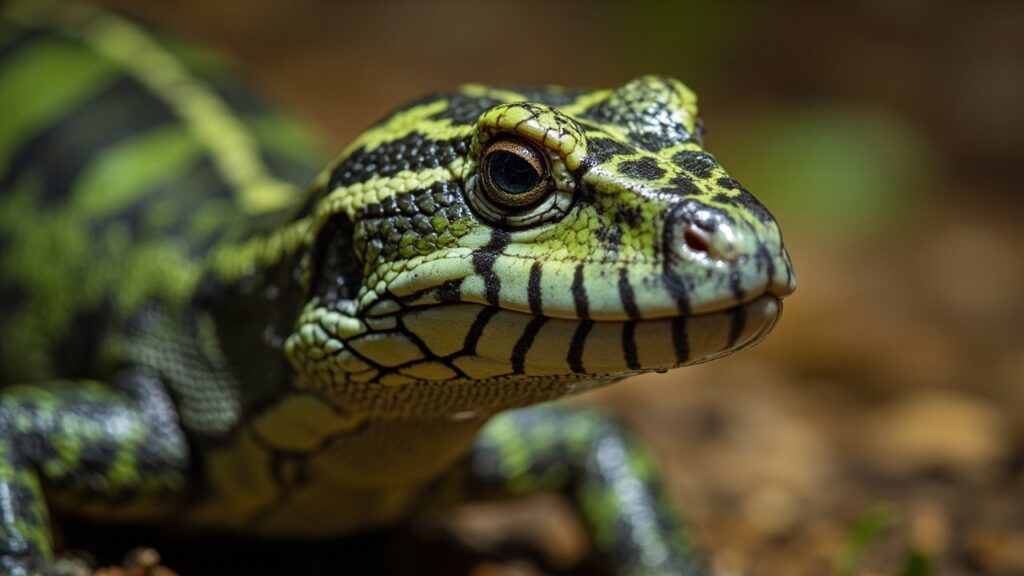
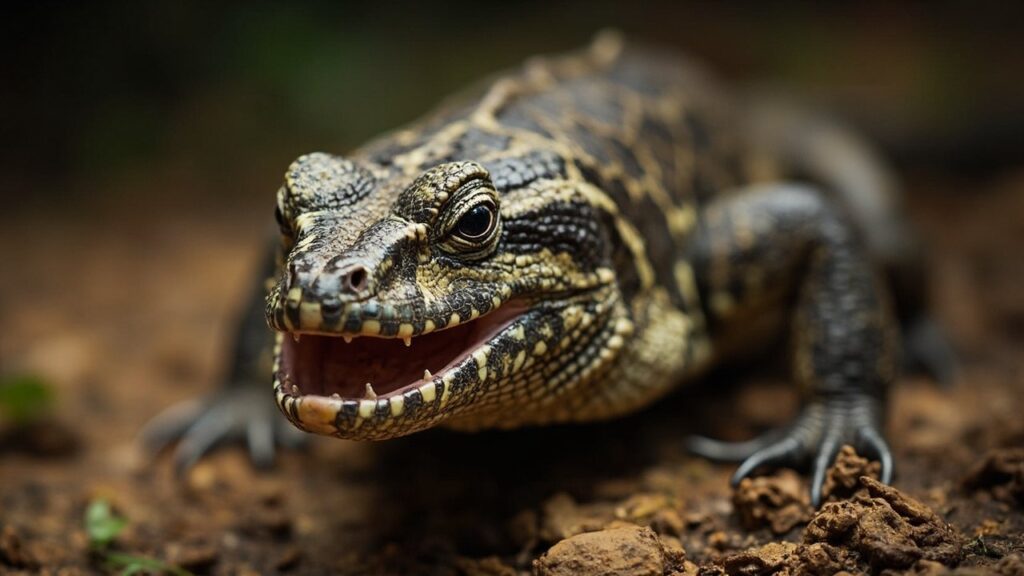
Wetlands shaped by water and season
Kakadu National Park contains tidal rivers, floodplains, billabongs, creeks, escarpment country and woodland. Seasonal flooding connects many of these habitats, creating opportunities for reptiles with very different needs. A concise habitat-based approach is more accurate than presenting every reptile as a wetland specialist.

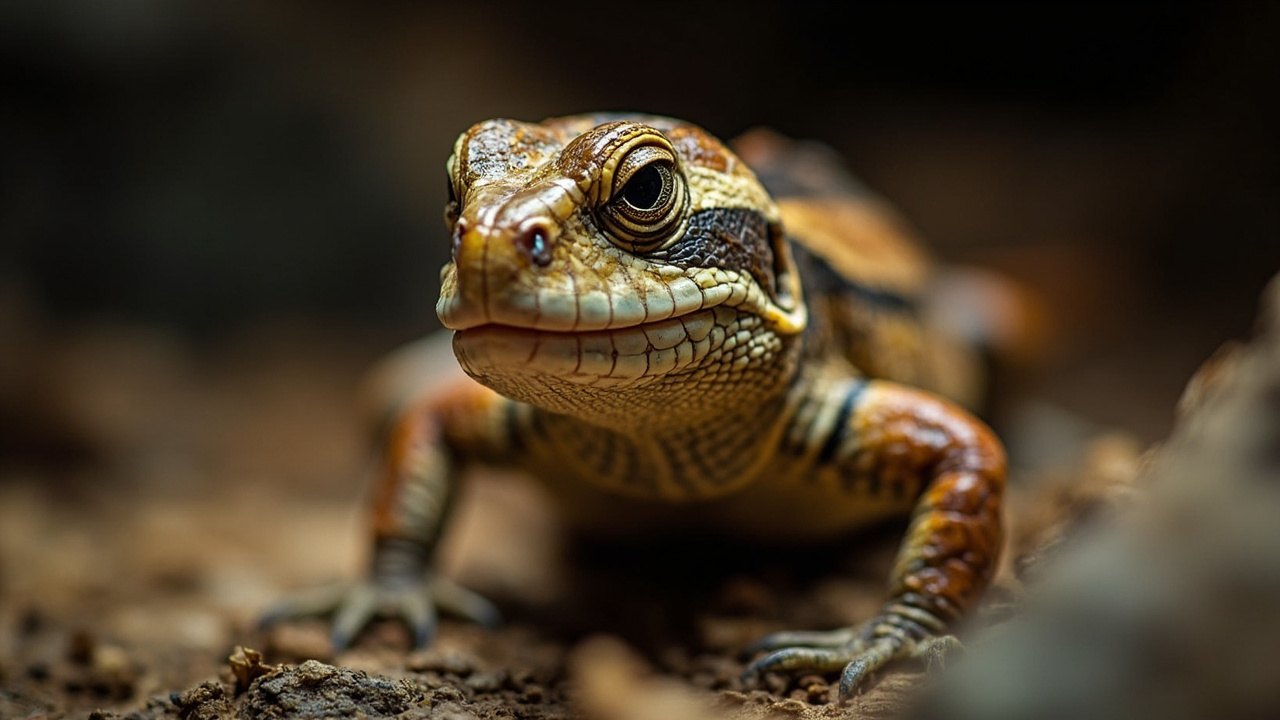
Crocodiles, turtles, snakes and goannas
Both estuarine crocodiles (Crocodylus porosus) and freshwater crocodiles (Crocodylus johnstoni) occur in Kakadu, but they differ in distribution and behaviour. Turtles, aquatic snakes, pythons and monitor lizards also use the park’s waterways and surrounding land. Individual species may be difficult to see, and their presence changes with season, water level and habitat condition.
Respect Country and stay Crocwise
Wildlife observation must follow park directions and the knowledge of Traditional Owners and rangers. Estuarine crocodiles can occur in freshwater as well as coastal and tidal waters. Do not enter water, approach banks, feed wildlife or ignore warning signs. Conservation is supported by protecting habitat, reducing invasive-species pressure and allowing safe management decisions to be led locally.
Wet and Dry Seasons Change Available Habitat
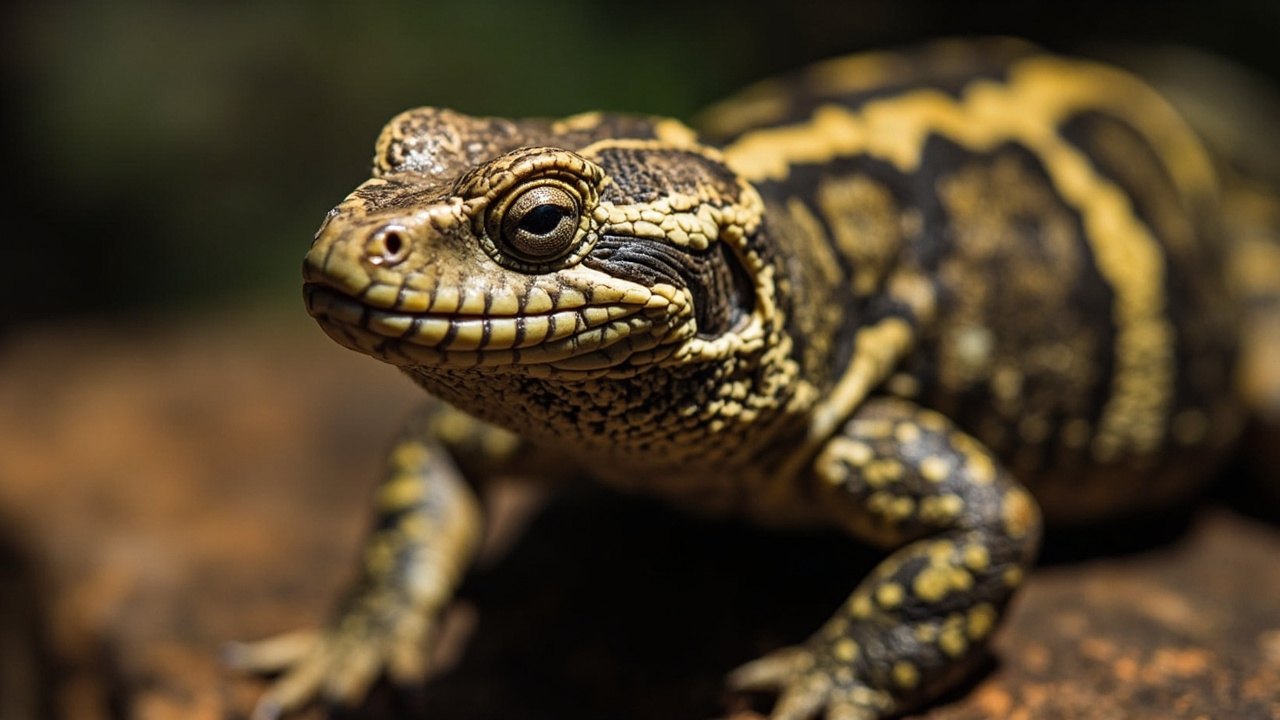
Kakadu’s floodplains, billabongs, rivers, woodlands and rocky areas do not remain in the same condition through the year. Wet-season water can connect broad areas of floodplain, while the dry season concentrates animals near permanent water and refuge. A reptile’s use of a site may shift with water level, prey, temperature and access to safe cover.
Saltwater crocodiles, freshwater crocodiles, turtles, snakes and lizards use different parts of this mosaic. A record should name the species and habitat rather than treating every reptile as a wetland specialist. Field observations are strongest when they include the season, water conditions and the animal’s behaviour.
Safety Rules Are Part of Wildlife Respect
Crocodile warnings and access restrictions should be followed exactly. Do not enter or stand near water where crocodiles may occur, feed wildlife, leave fish waste at shorelines or approach an animal for an image. Local information reflects current water and wildlife conditions that a general article cannot assess from afar.
Culture and Management Matter
Habitat management in Kakadu includes long-standing Indigenous knowledge and decisions about fire, water, access and invasive species. Conservation accounts should recognise that the wetland is a lived cultural place as well as wildlife habitat. Respectful visitors can support protection by following park guidance and avoiding disturbance to animals or sensitive sites.
Sources and review notes
Reviewed 23 August 2026. Reptile biology is wonderfully variable. We have avoided turning one species, photograph or dramatic observation into a rule for an entire group, and we have used cautious wording where evidence or local conditions differ.
Reference starting points: The Reptile Database, The IUCN Red List of Threatened Species, and PubMed-indexed research. Conservation status, taxonomy and local laws can change, so check the linked databases and the relevant local authority for current information.
Spotted something we should revisit? Send Reptile Explorer a correction—thoughtful reader feedback is always welcome.