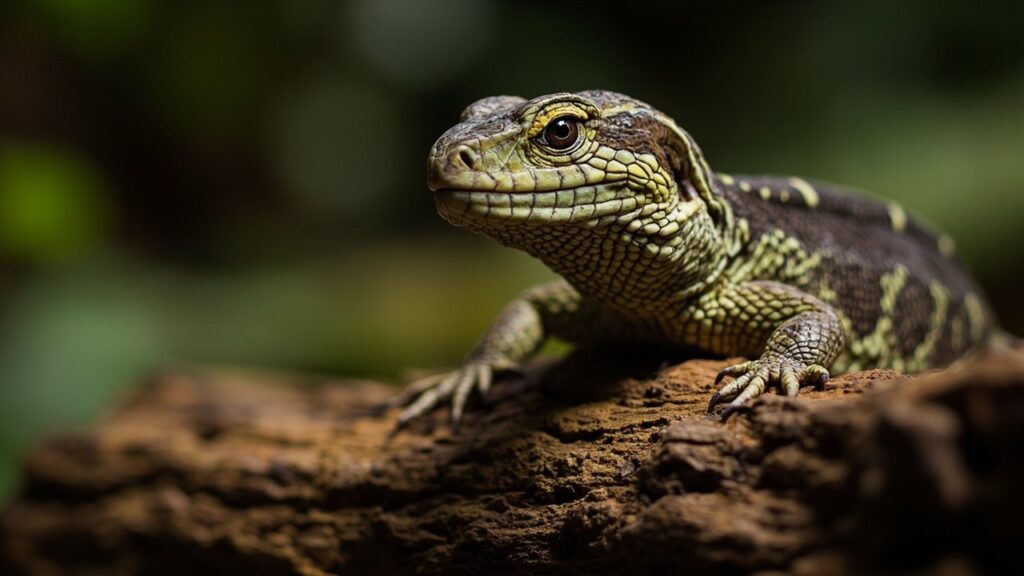
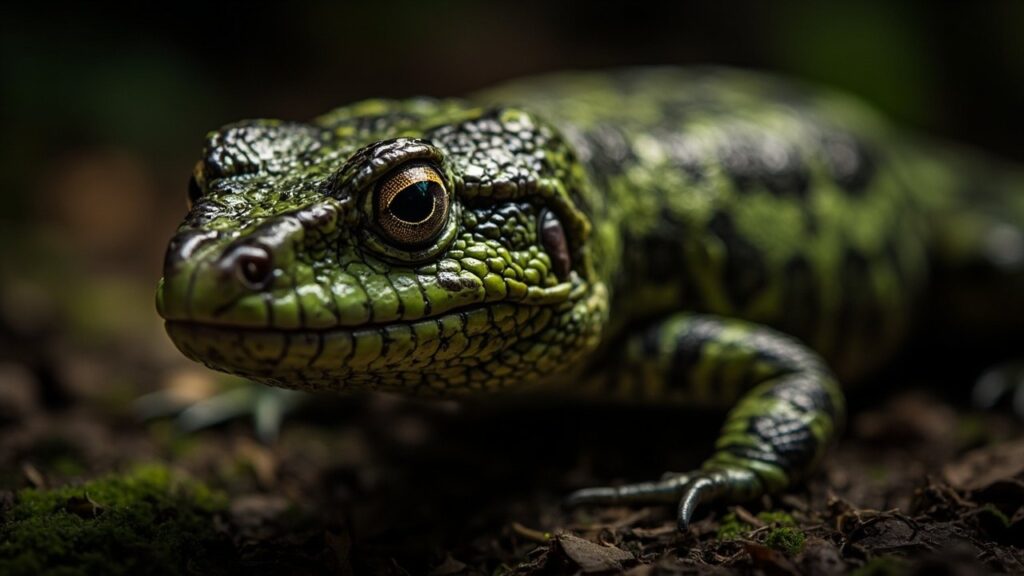
A recently described highland salamander
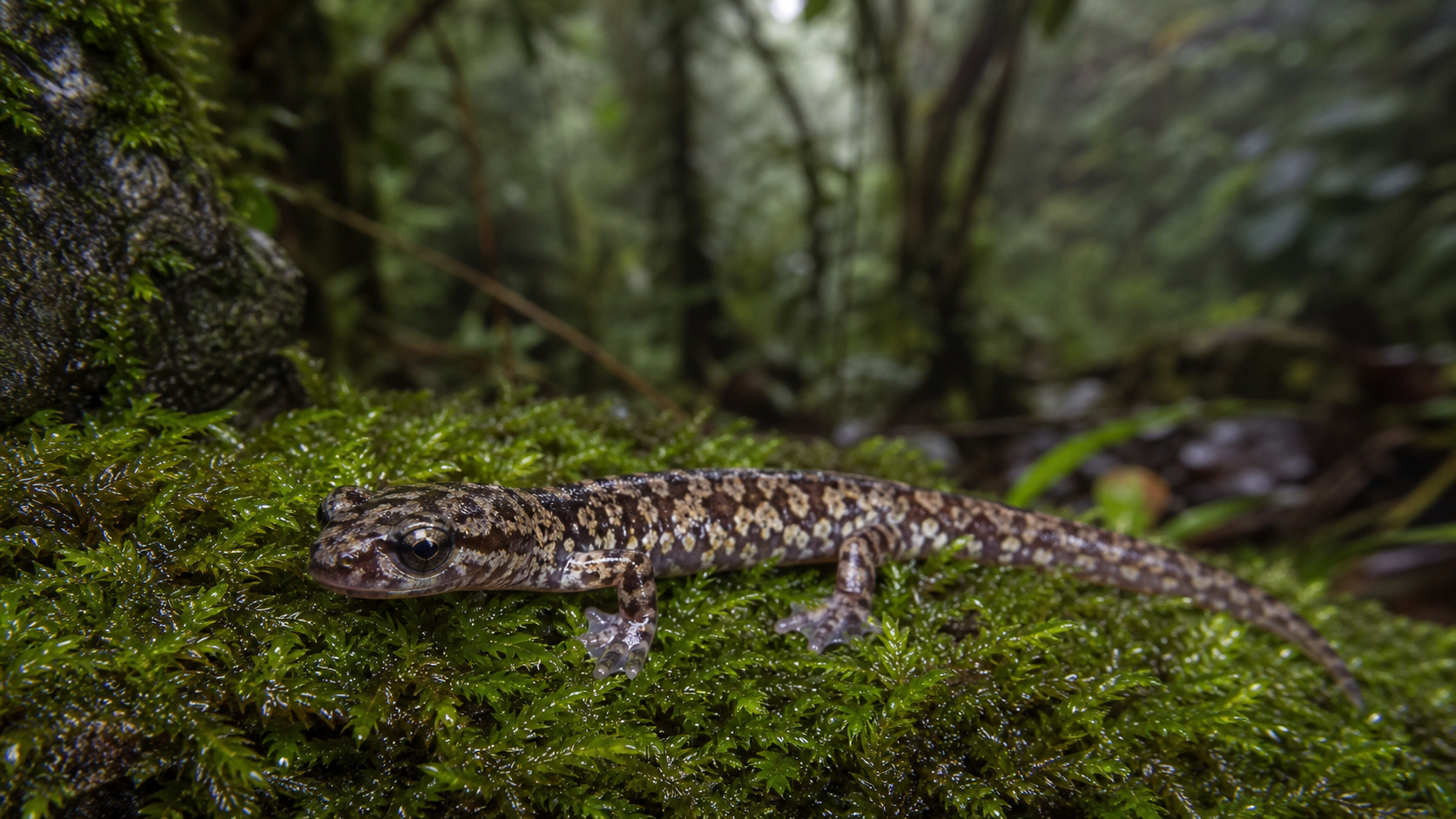
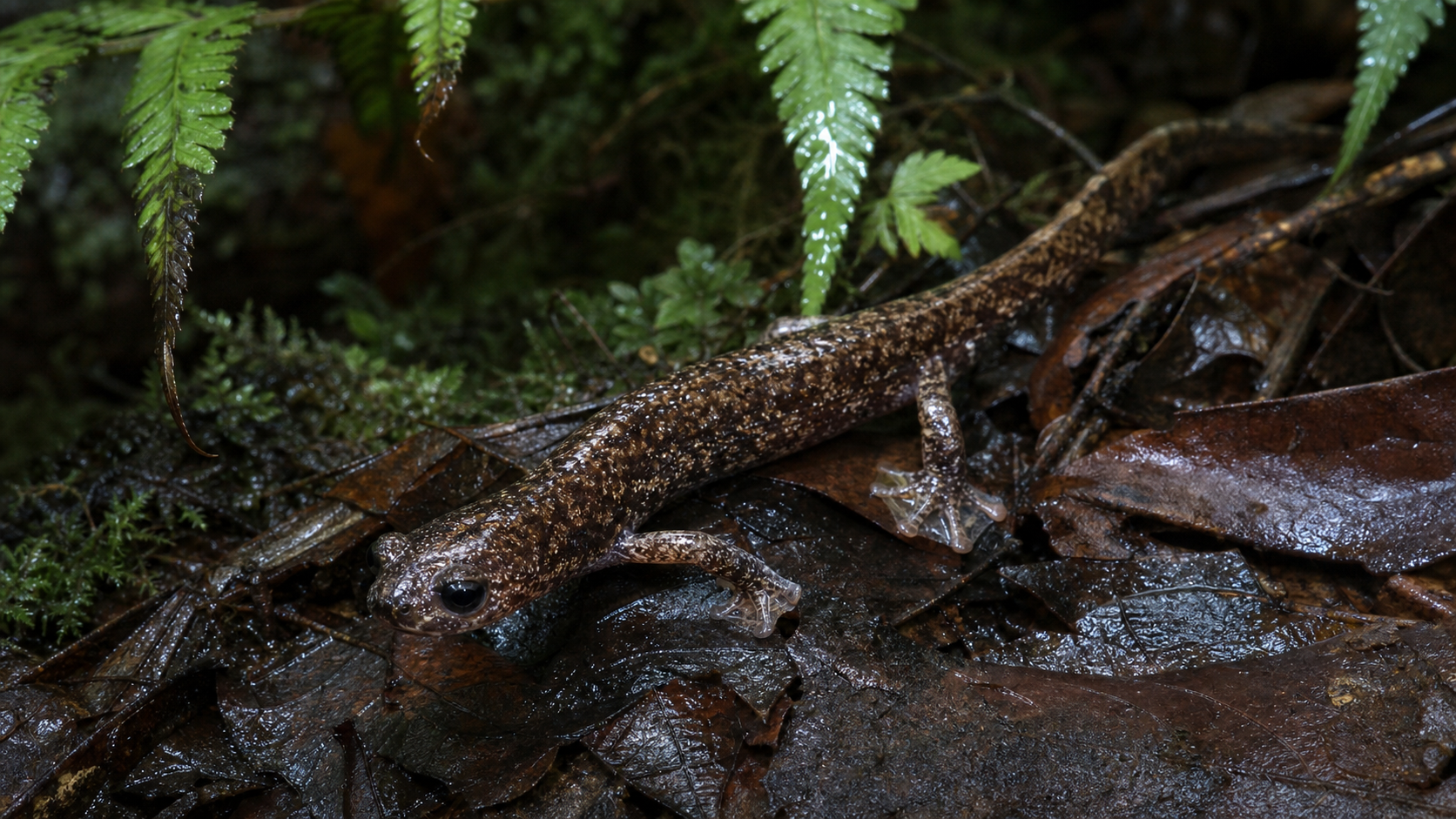
Bolaños’ web-footed salamander, Bolitoglossa bolanosi, was formally described from Costa Rica’s Cordillera de Talamanca. It is an amphibian, not a reptile. The description shows why museum collections, field surveys and genetic evidence remain important: animals that look similar can represent distinct lineages with very different conservation needs.
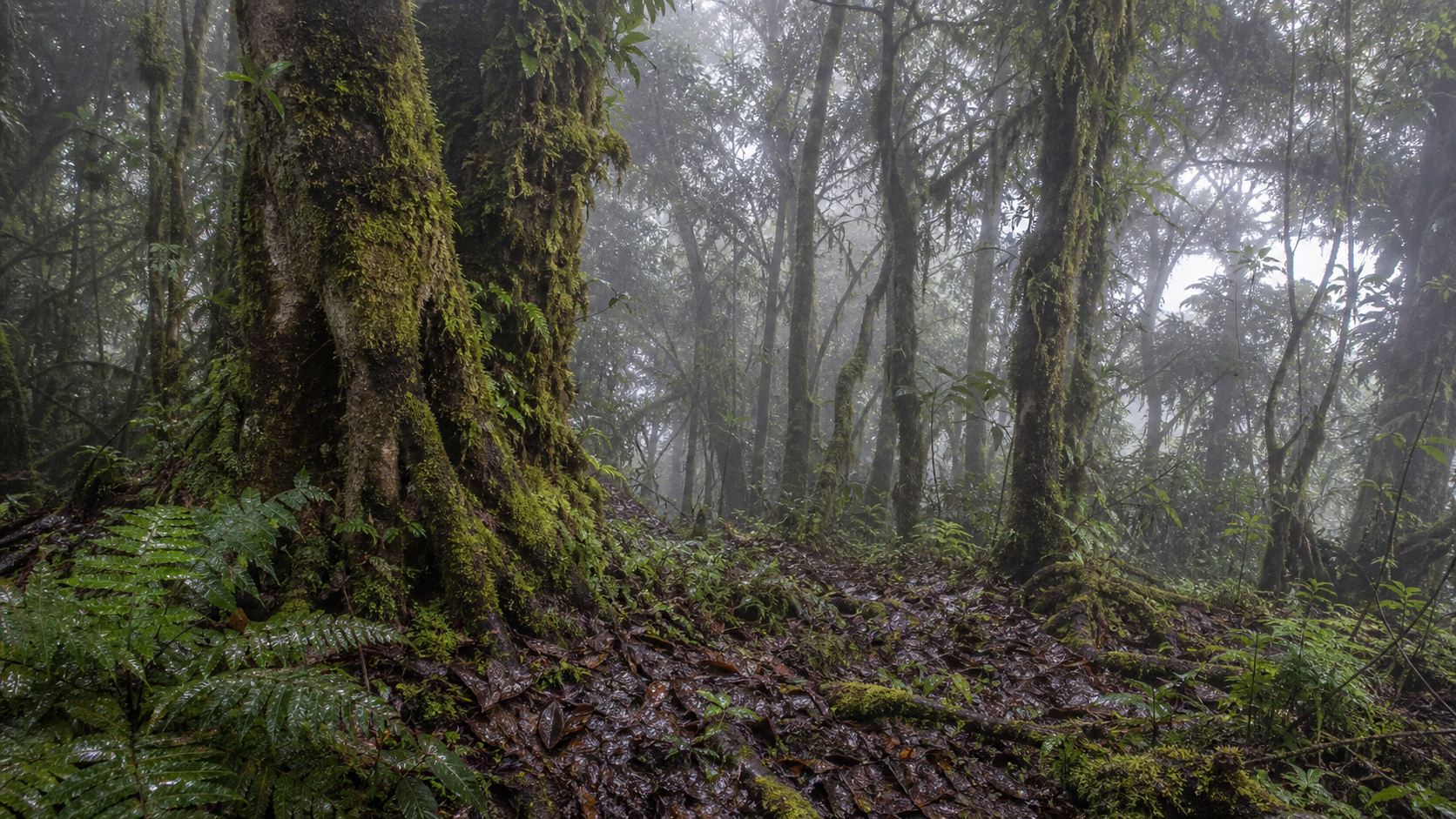
A small range in mountain páramo and forest
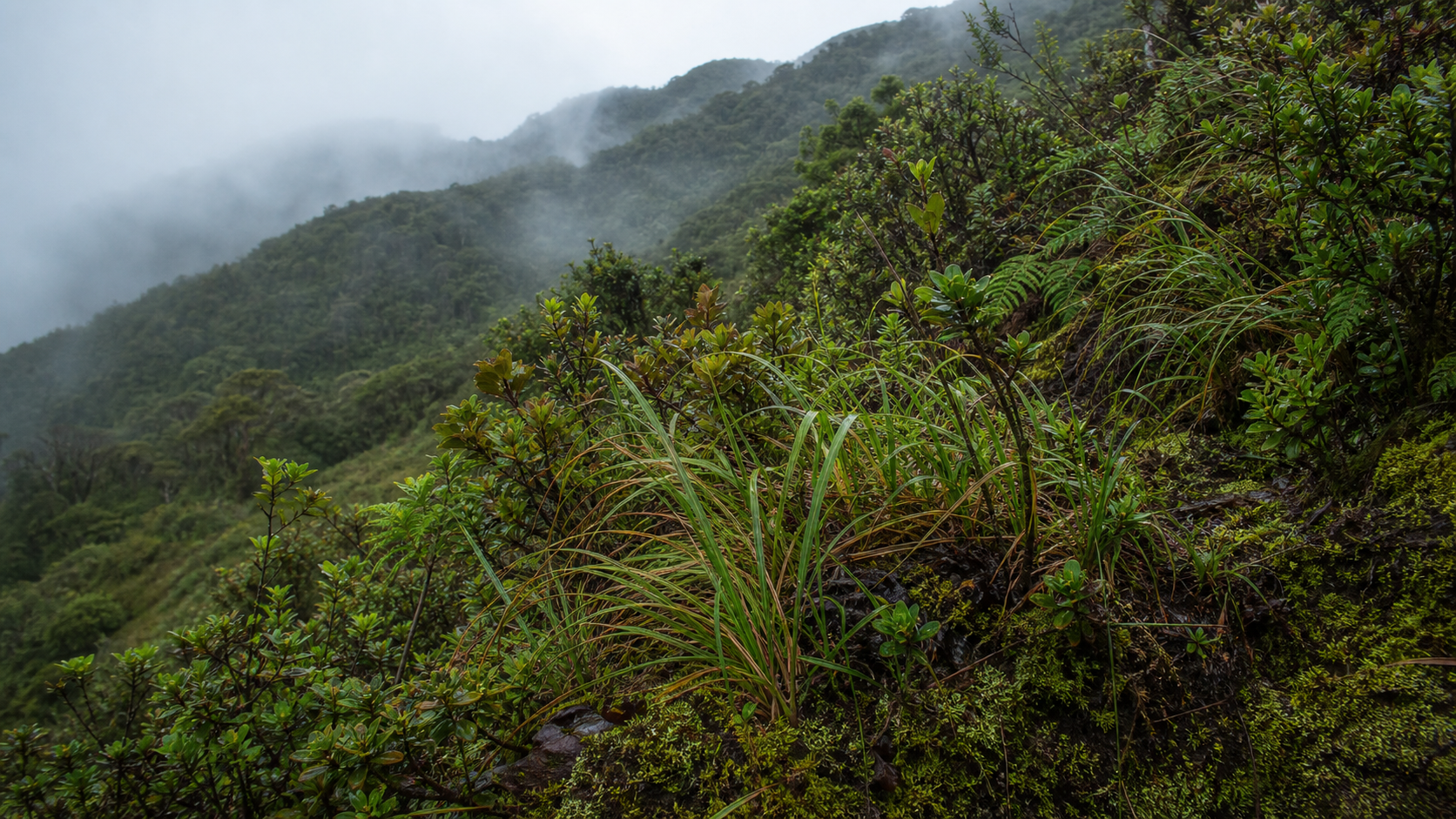
Known records are restricted to high-elevation sites within La Amistad International Park. These cool, wet mountain habitats are unlike Costa Rica’s lowland rainforests and are naturally fragmented by topography. A restricted range does not by itself prove a population is declining, but it makes habitat protection, careful monitoring and accurate locality data especially important.
Discovery is the start of conservation work
New species descriptions create a baseline for future surveys. Researchers can investigate distribution, breeding ecology, disease exposure and sensitivity to climate change without publicising precise collection sites that could put wildlife at risk. Protecting connected forest and páramo habitats benefits this salamander and the wider highland community.
The Scientific Name Identifies One Small-Range Species
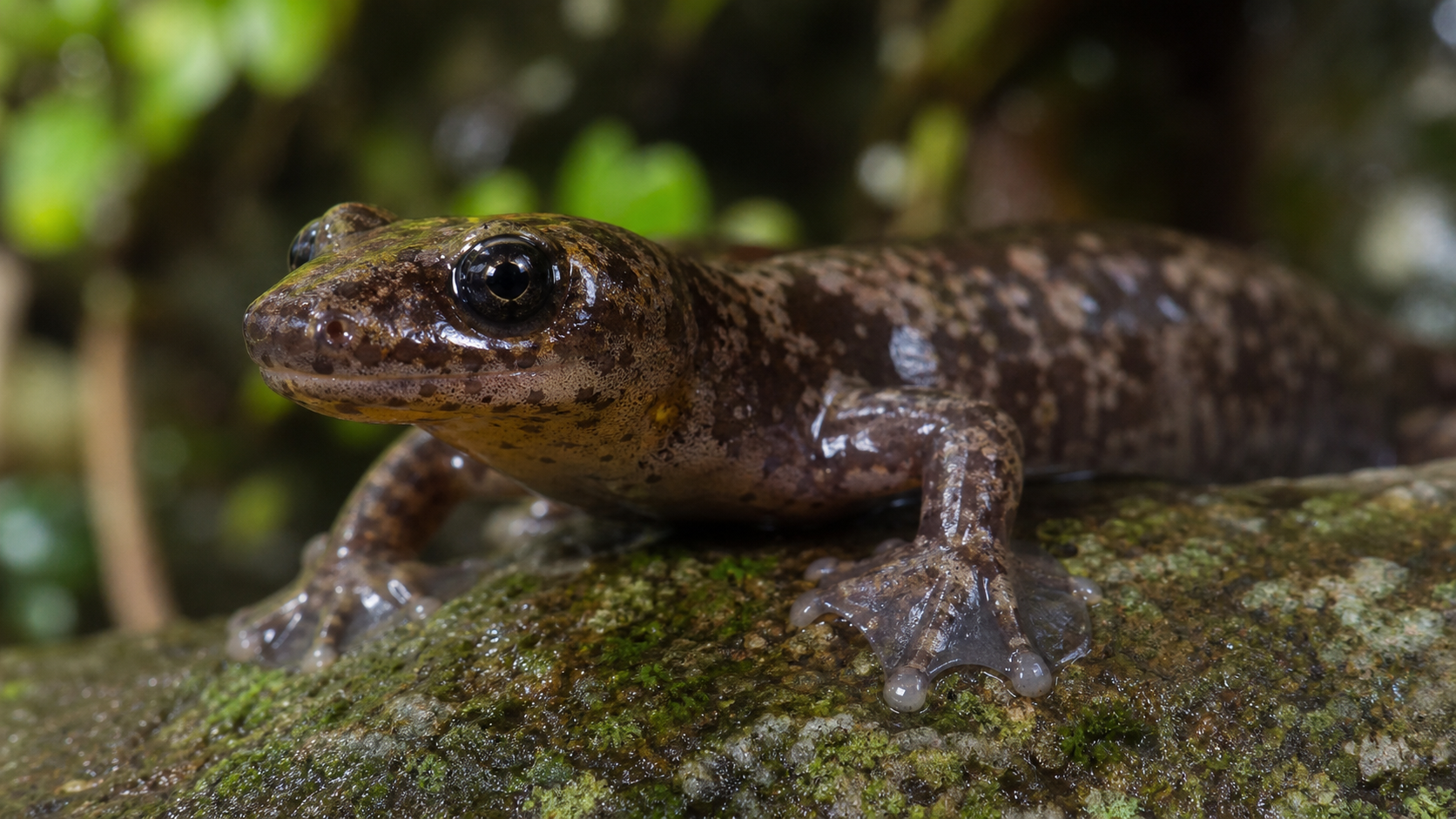
Bolaños’ web-footed salamander is Bolitoglossa bolanosi, a recently described species from high-elevation Costa Rica. Naming the species precisely matters because several web-footed salamanders occur in Central American mountains and similar appearance does not prove that two populations belong to the same lineage. A careful record combines a photograph with habitat, elevation, weather and a cautious identification.
Moisture Supports Lungless Salamanders
Bolitoglossa bolanosi belongs to Plethodontidae, the lungless salamander family. Members of this family exchange gases through moist skin and tissues in the mouth, which links their activity closely to humid microhabitats. Moss, leaf litter, rock crevices and sheltered vegetation can be important at a scale too small to appear in a broad habitat description. Drying or trampling those sites can matter even within a protected mountain area.
Short Ranges Require Careful Reporting
Known records span a limited group of highland sites, so public reporting should avoid precise collecting localities. Surveys can add useful information about season, microhabitat, weather and life stage without advertising where a rare salamander can be found. Repeated observations are needed before making claims about abundance, breeding, disease exposure or population change in this recently described species.
Sources and review notes
Reviewed 23 August 2026. Conservation is rarely a one-step success story. We have kept the language specific about evidence, limits and local context, because a programme that helps one population may not transfer neatly to another.
Reference starting points: The IUCN Red List of Threatened Species, IUCN conservation-translocation guidelines, and the current CITES Appendices. Conservation status, taxonomy and local laws can change, so check the linked databases and the relevant local authority for current information.
Spotted something we should revisit? Send Reptile Explorer a correction—thoughtful reader feedback is always welcome.