Evolution Produces Variation, Not One Blueprint
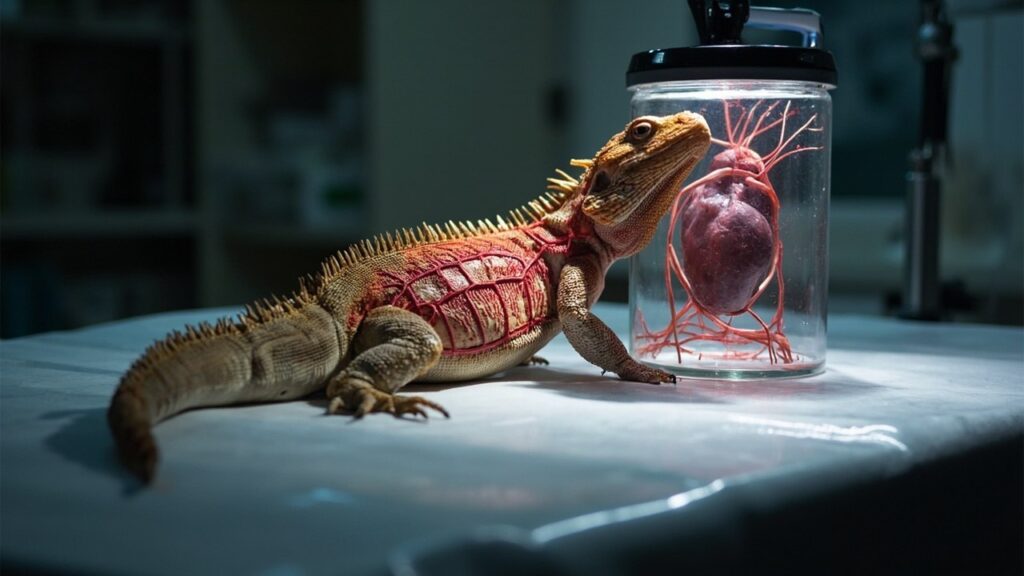
Reptiles include turtles, crocodilians, lizards, snakes and tuatara, so there is no single anatomical formula that explains them all. Keratinised skin structures, shells, limb form and body shape have evolved in different ways as lineages adapted to particular habitats. Scales can help reduce water loss and provide protection, but they do not make every reptile equally drought tolerant.

Movement, Breathing and Senses
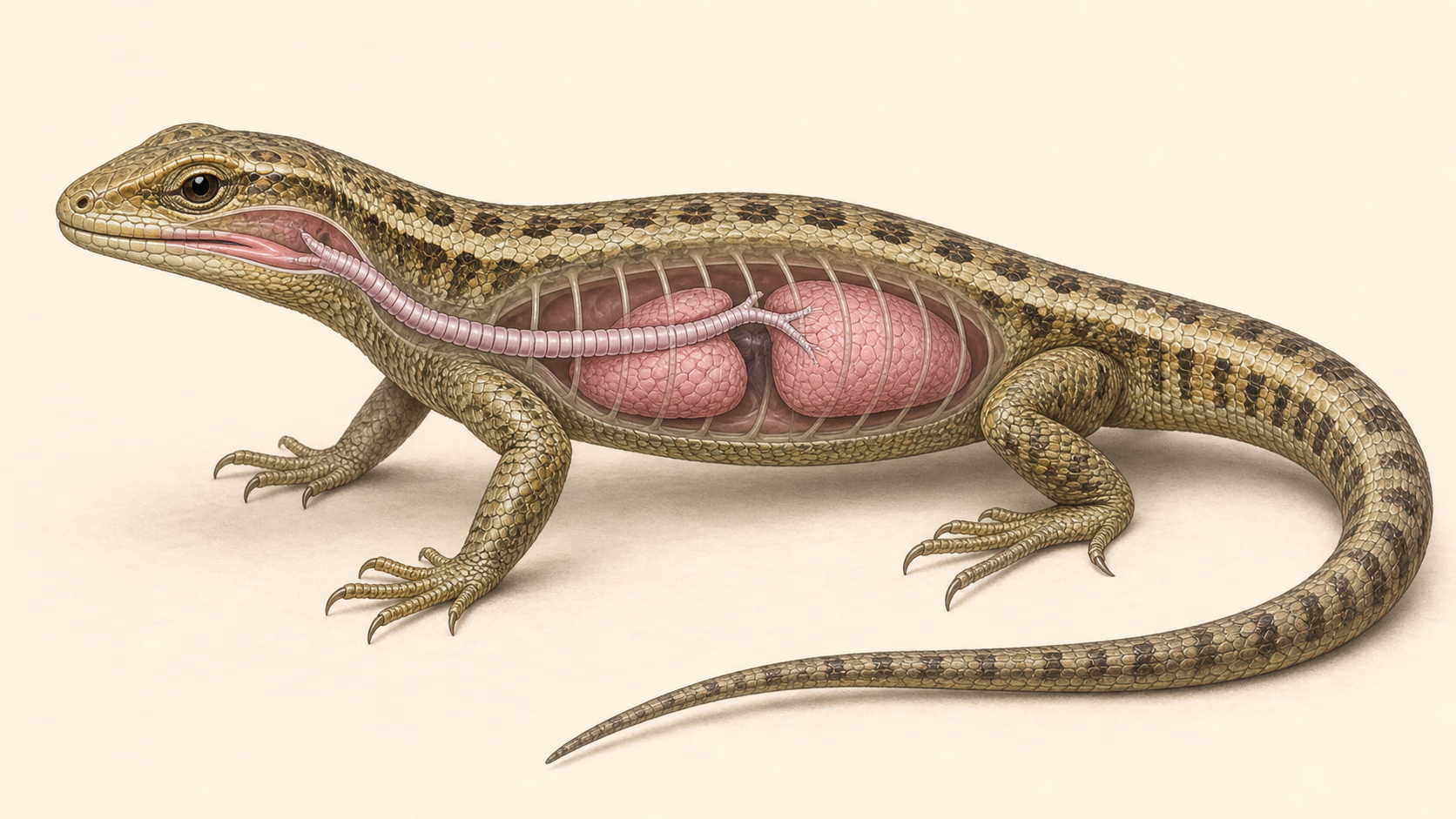
Locomotion ranges from climbing and digging to swimming and limbless movement. Respiratory systems also vary: crocodilians show specialised airflow patterns, while snakes, turtles and lizards have their own anatomical constraints and solutions. Sensory specialisations are similarly uneven; heat-sensing pits occur in some snakes, not in reptiles as a whole.
Reproduction Has Many Paths
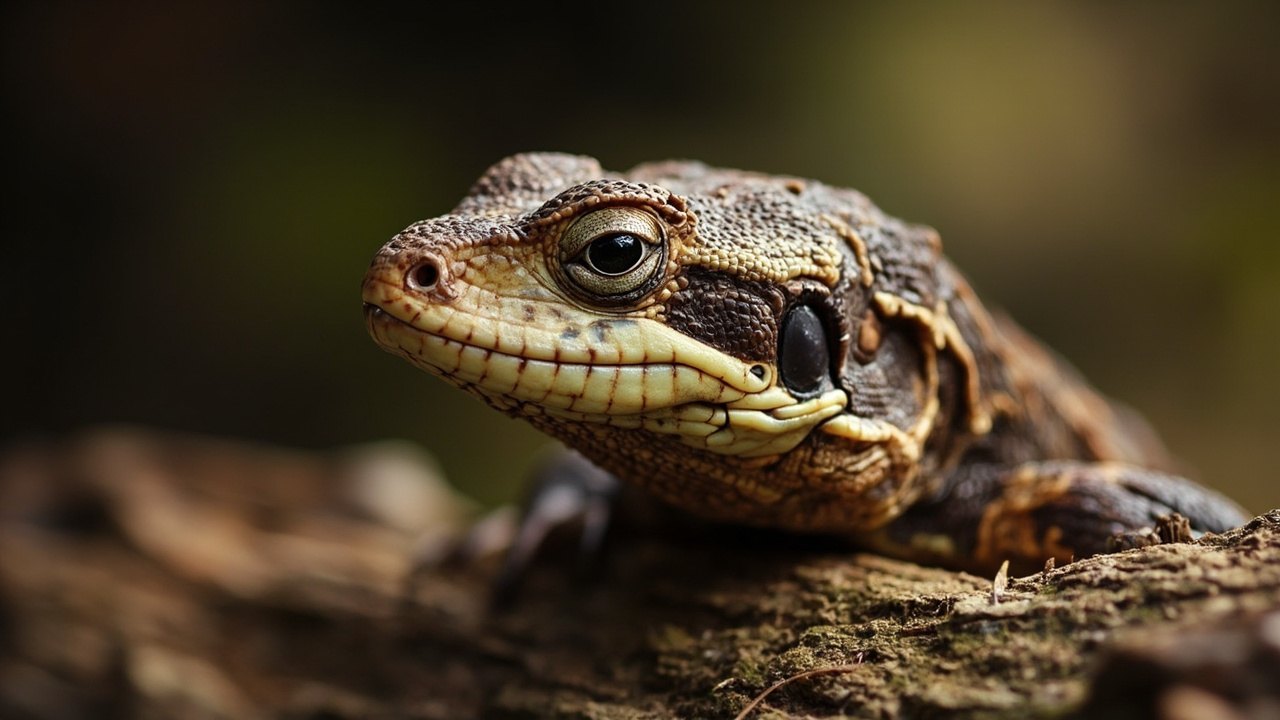
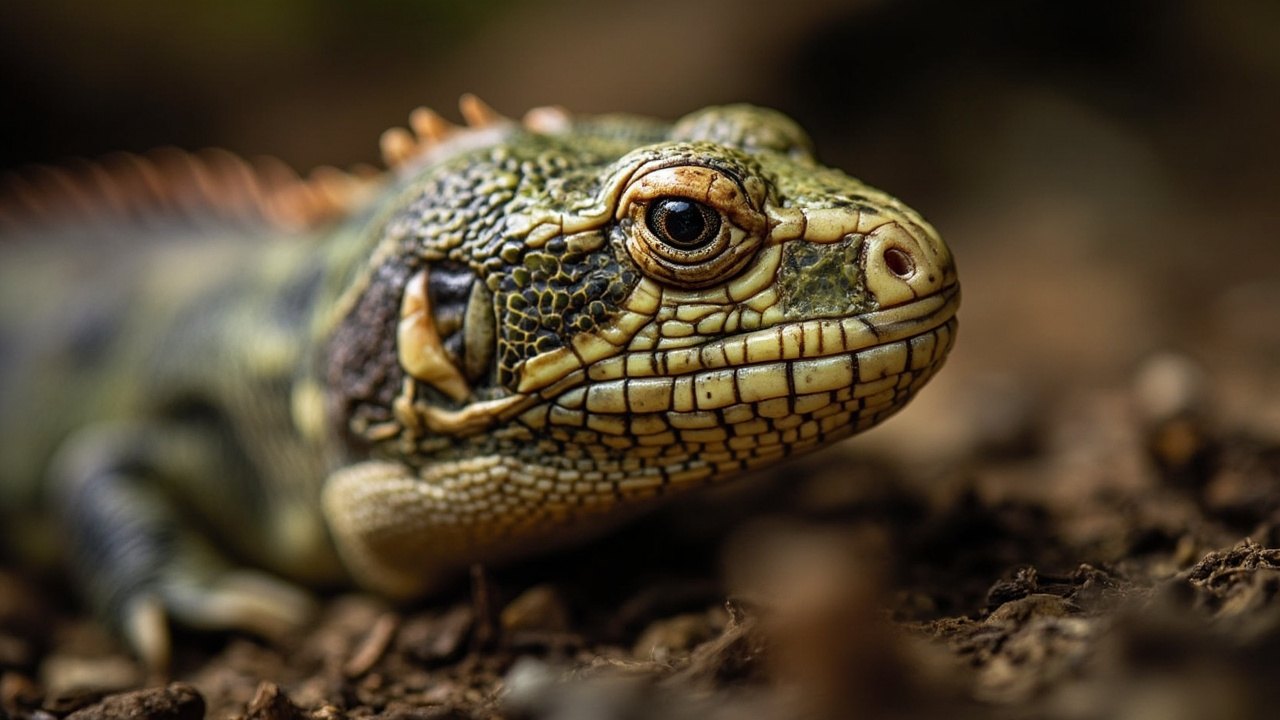
Reptile reproduction includes egg laying, retained eggs and live birth, with different levels of parental care. Sex can be determined genetically or influenced by incubation temperature depending on the species. These differences are not curiosities. They show how evolution produces multiple workable solutions rather than one universal reptile strategy.
Anatomy Reflects Both Ancestry and Use
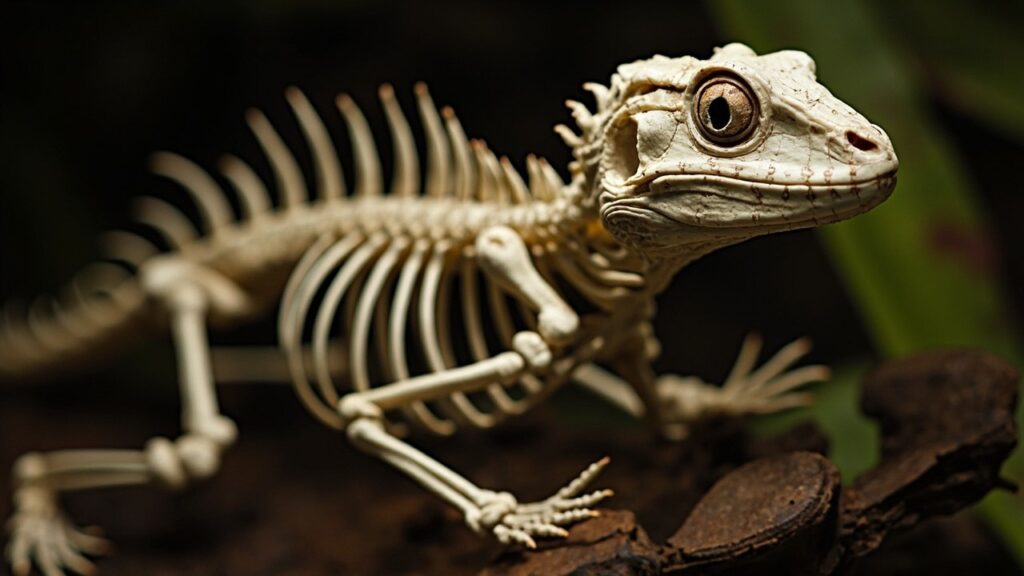
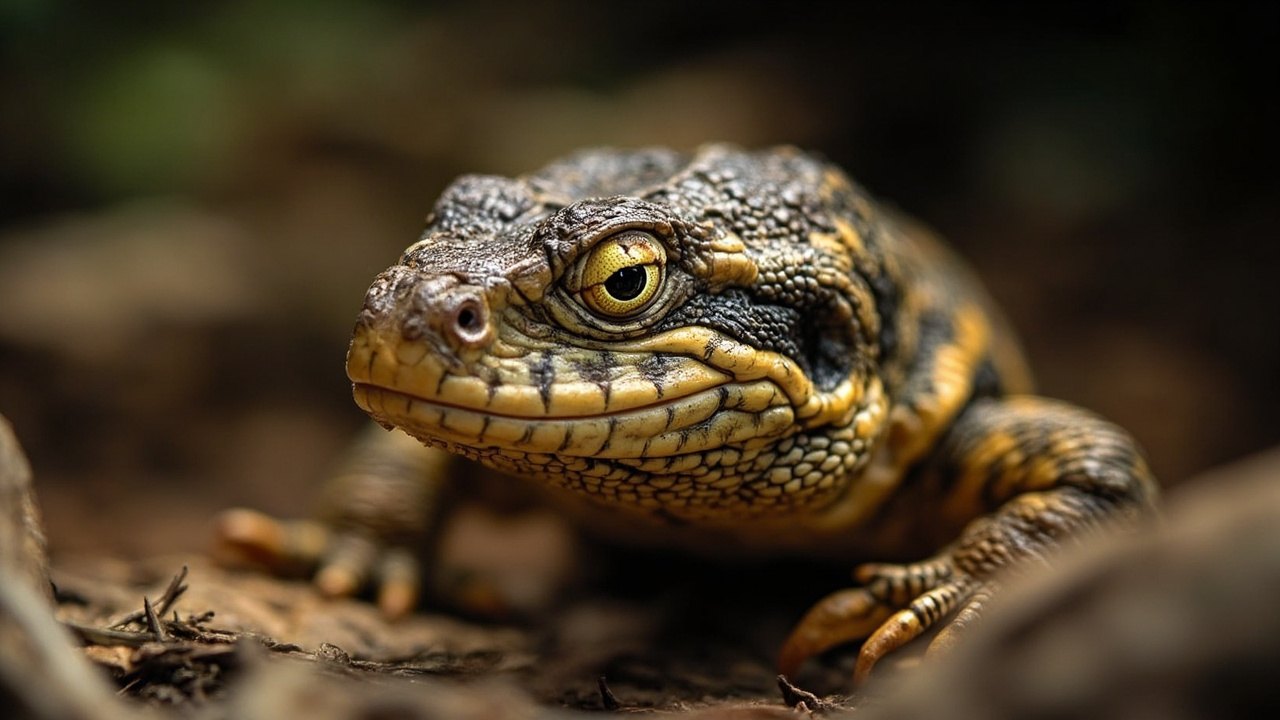
A body feature can be useful in a particular setting without having evolved solely for that purpose. Reptile anatomy is shaped by inherited structure, development, natural selection and historical chance. A turtle shell, a snake’s elongated body or a gecko’s toe pads must be understood in the context of the lineage as well as the animal’s current behaviour. Similar-looking features in unrelated groups may have different developmental histories.
Comparisons are strongest when they name the structures being compared. Ribs, vertebrae, scales, limbs, lungs and skull bones do not change as one unit. A claim about “reptile anatomy” should explain whether it applies to a particular species, a smaller group or a broader branch of the reptile family tree.
Form and Function Need Evidence
Wide feet can spread an animal’s weight on loose substrate, while elongated bodies can assist movement through narrow cover. These relationships are testable through measurements, observation and comparison with related species. A single dramatic image does not establish function, and a feature used in one context may also have roles in communication, defence or temperature control.
Living Animals and Fossils Inform Different Parts of the Story
Fossils preserve past combinations of traits, while living species show how structures work today. Neither source is complete on its own. Careful explanations distinguish direct observations from inferences about extinct animals and acknowledge where anatomy or evolutionary relationships remain under study.
Sources and review notes
Reviewed 23 August 2026. Fossils, anatomy and family trees become more interesting—not less—when uncertainty is made visible. We have separated well-supported observations from interpretations that may change as new specimens and studies appear.
Reference starting points: The Reptile Database, PubMed-indexed research, and Smithsonian natural-history resources. Conservation status, taxonomy and local laws can change, so check the linked databases and the relevant local authority for current information.
Spotted something we should revisit? Send Reptile Explorer a correction—thoughtful reader feedback is always welcome.