One label, many body plans
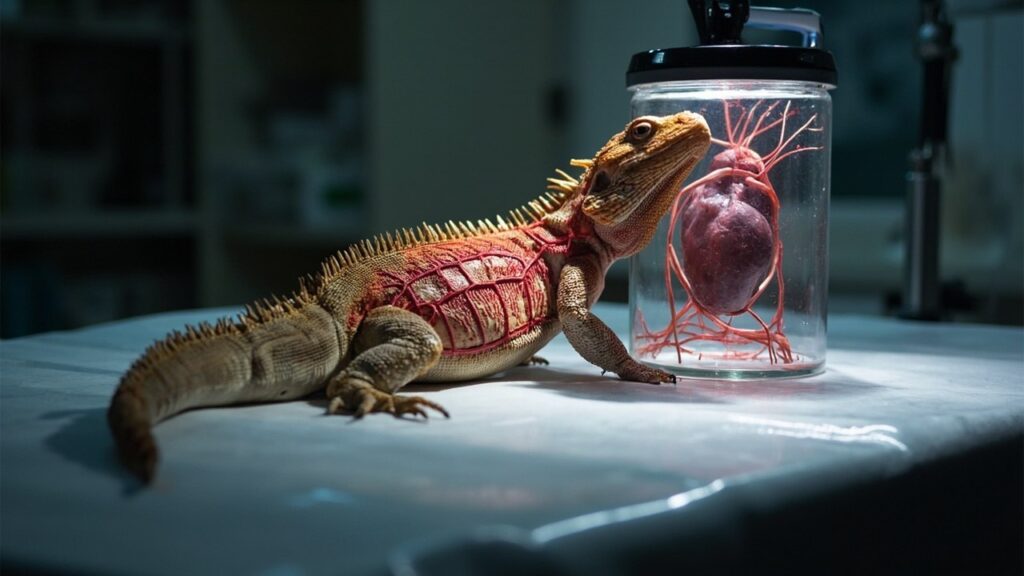
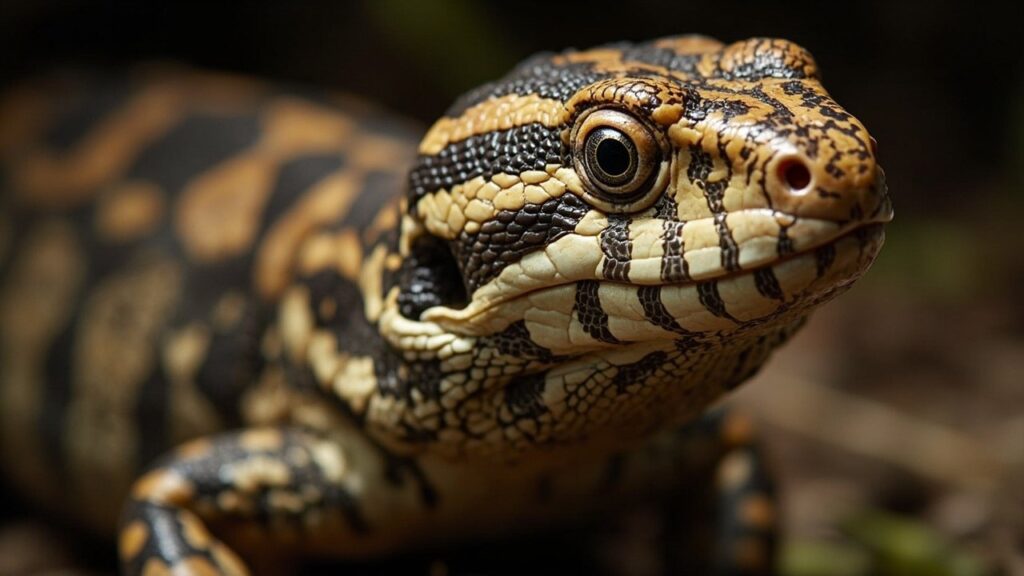
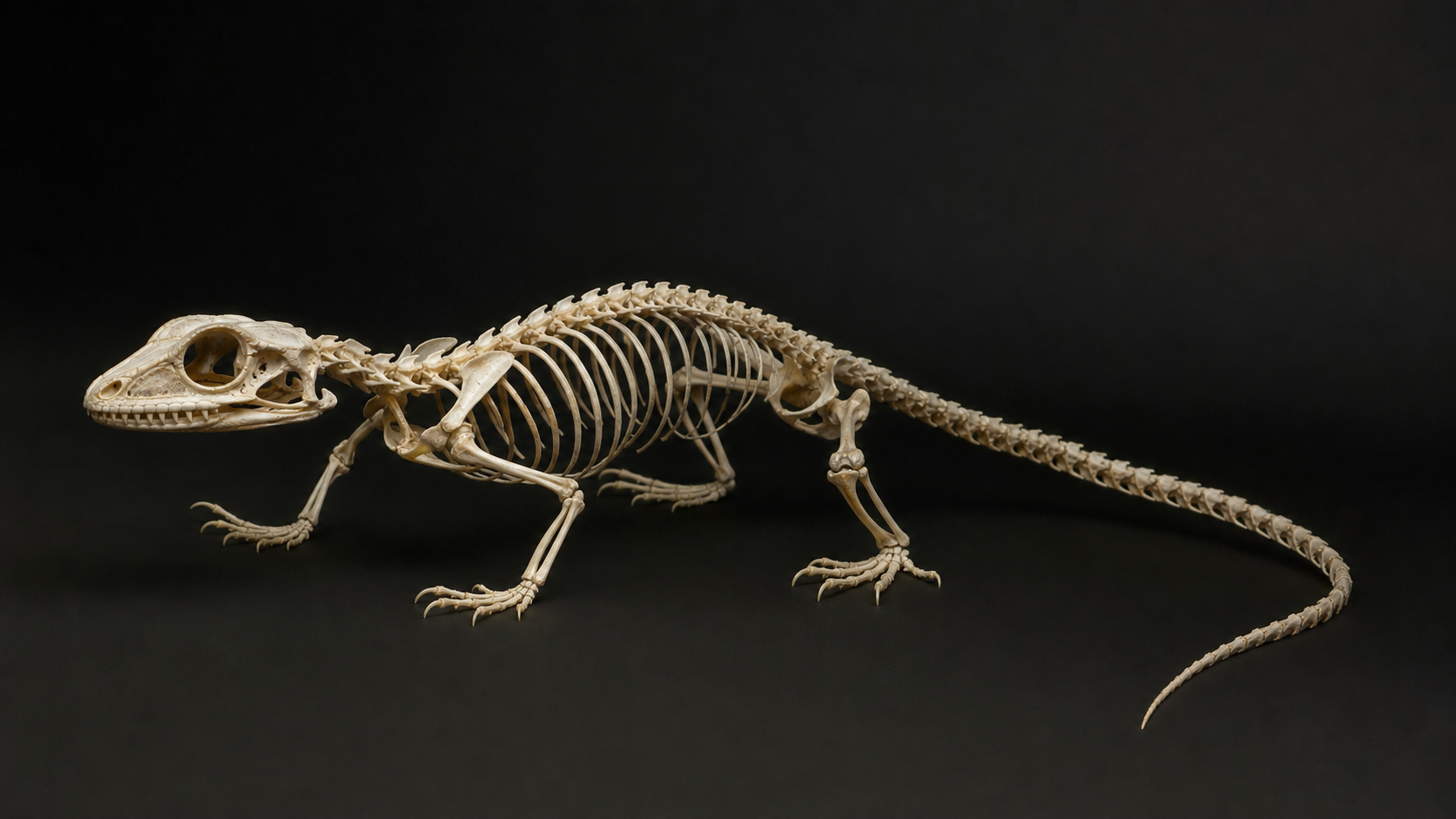
Reptile skeletons share the basic vertebrate framework of a skull, backbone, ribs, and limb girdles, yet they look very different from one group to another. A snake has a long, flexible vertebral column, a turtle has a shell built around parts of its skeleton, and a crocodilian has robust limbs and a powerful tail. Structure reflects how an animal moves, feeds, and uses its habitat.

Skulls and jaws suit different diets
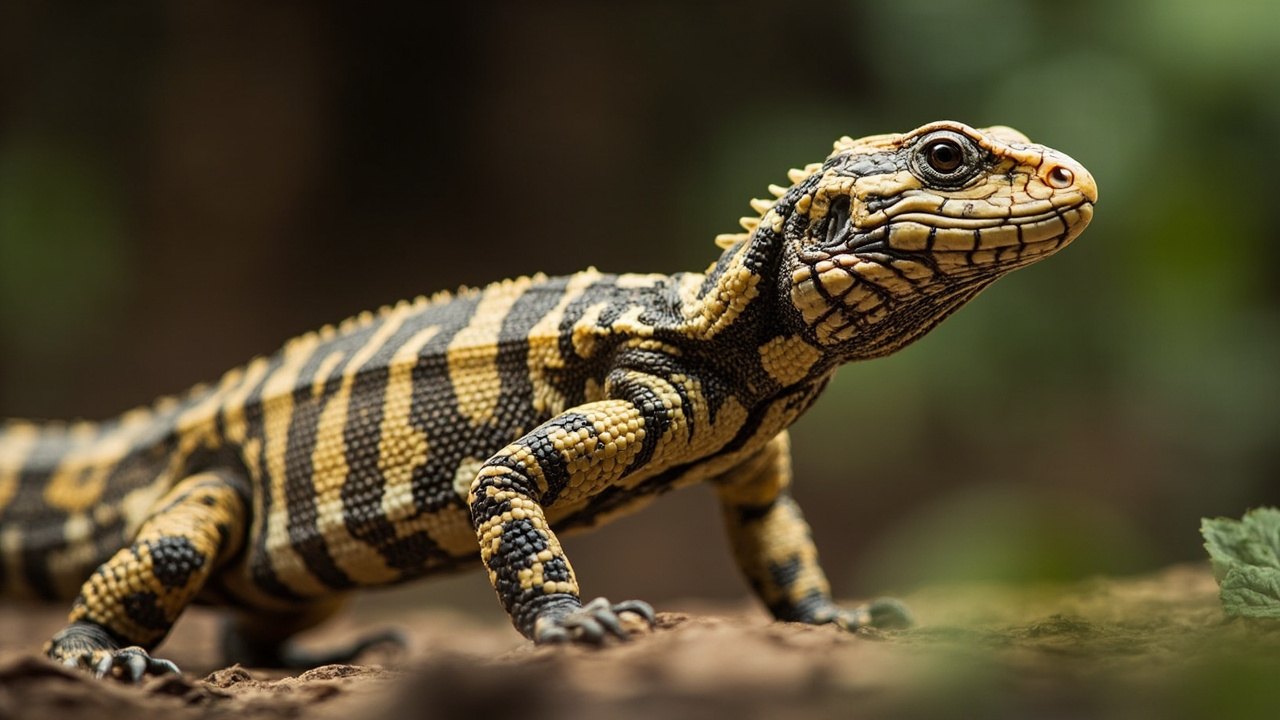
Skull shape, jaw muscles, and teeth or beaks help explain what a reptile can eat. Turtles have toothless beaks, crocodilians have teeth suited to gripping prey, and many snakes have highly mobile skull elements that help them swallow prey whole. These are group patterns, not a guide to every species. Diet and behaviour also vary within each major lineage.
Movement depends on the whole skeleton
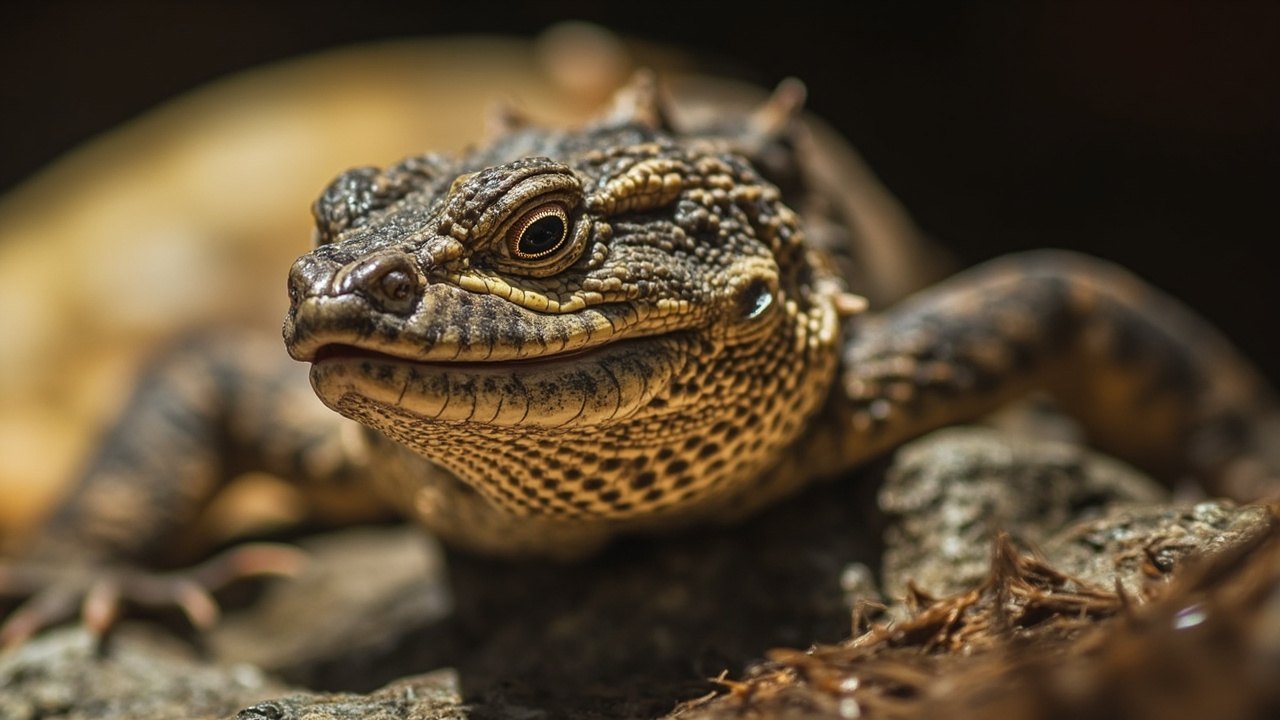
Limbs, joints, ribs, tendons, and muscles work together. Tortoises support a heavy shell on land, sea turtles use broad flippers for swimming, and many lizards climb or sprint with a more sprawling stance. Studying skeletal features alongside living behaviour gives a clearer account of function than treating any one bone as a complete explanation.
Bone Works With Joints and Soft Tissue
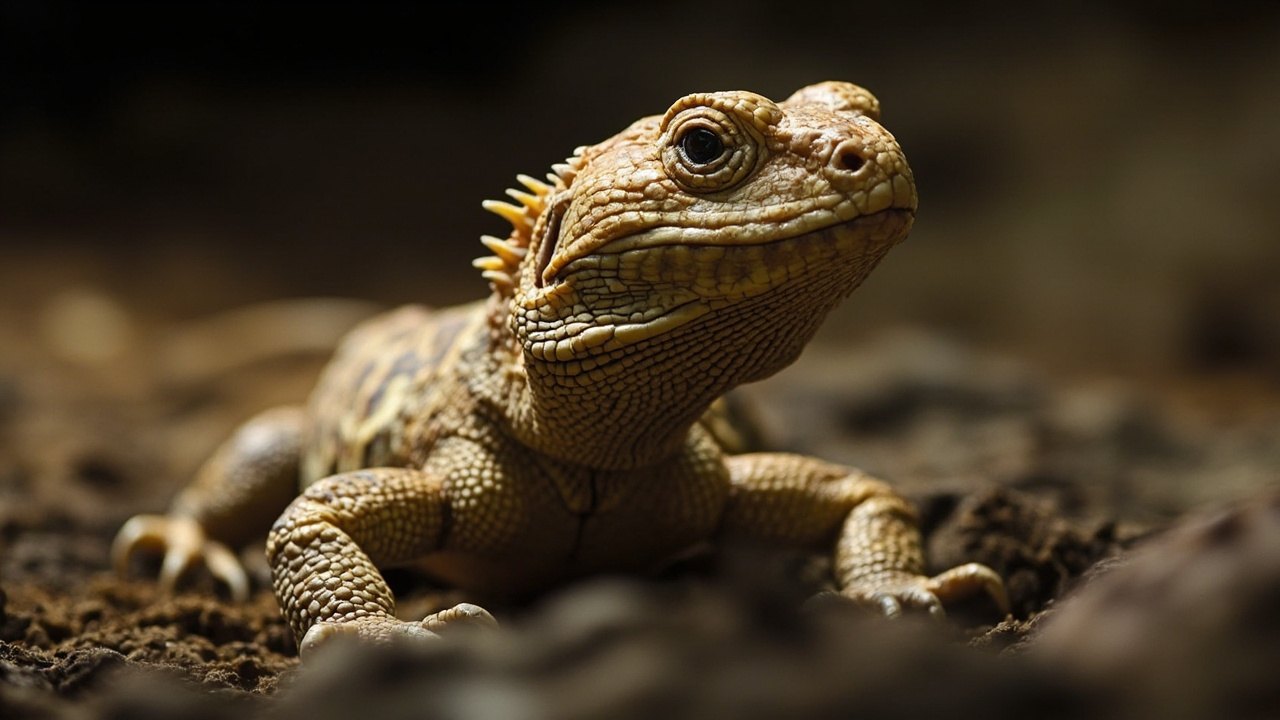
A skeleton provides support and attachment points, but it does not move by itself. Muscles, tendons, ligaments, nerves and joints determine how a limb, jaw or tail functions. A similar-looking bone can take part in different movements when an animal climbs, swims, digs or runs on a different surface.
The turtle shell is not a removable external case. It is integrated with the skeleton and connected to the ribs, vertebrae and other structures. This arrangement protects the body but also changes how turtles move and breathe. It is one example of how anatomy cannot be understood by looking at a single bone in isolation.
Skulls Record Diet Without Dictating It
Jaw shape, teeth and muscle attachment can indicate the types of forces a reptile can use, but they do not give an automatic diet list. A crocodilian’s teeth grip prey, a turtle’s beak cuts or crushes different foods, and snakes have mobile skull elements that assist swallowing. Species, age and local food availability still matter.
Injury Needs More Than Visual Guessing
Swelling, abnormal posture, dragging or a damaged shell can involve bone and soft tissue. Do not try to straighten a limb or repair a shell at home. A reptile-qualified veterinarian can determine the cause and appropriate treatment.
Sources and review notes
Reviewed 23 August 2026. Fossils, anatomy and family trees become more interesting—not less—when uncertainty is made visible. We have separated well-supported observations from interpretations that may change as new specimens and studies appear.
Reference starting points: The Reptile Database, PubMed-indexed research, and Smithsonian natural-history resources. Conservation status, taxonomy and local laws can change, so check the linked databases and the relevant local authority for current information.
Spotted something we should revisit? Send Reptile Explorer a correction—thoughtful reader feedback is always welcome.