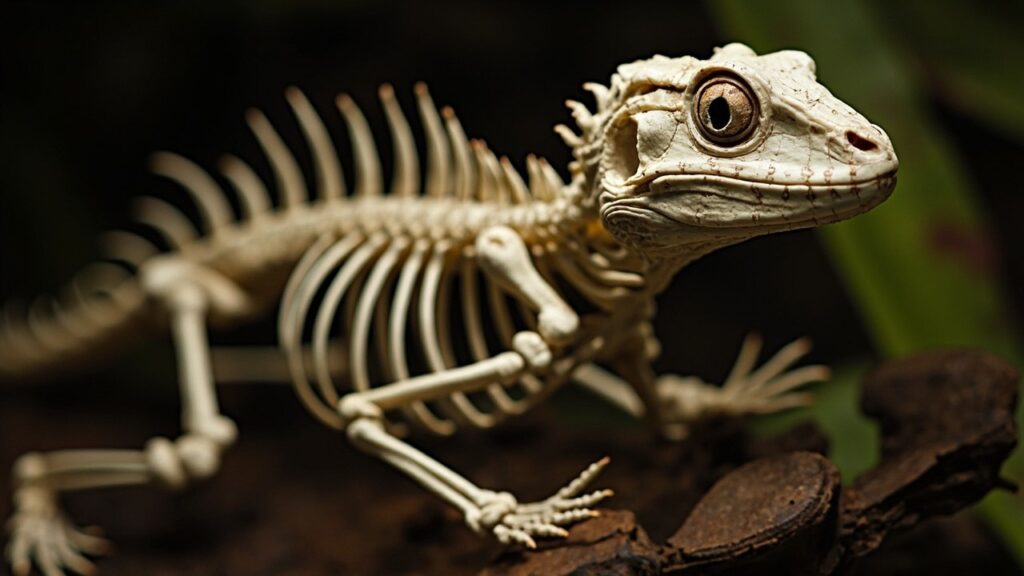
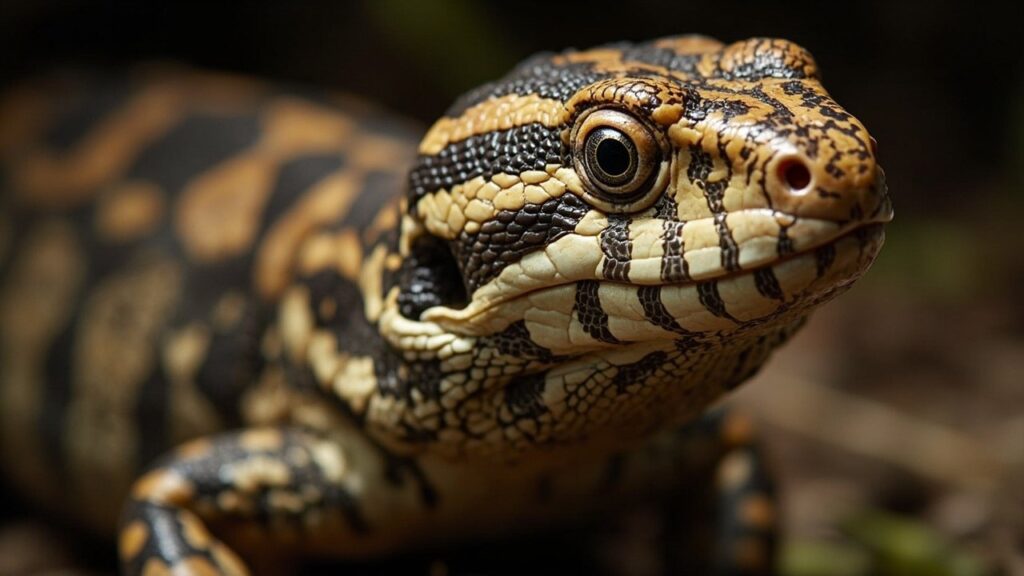
Most Reptile Hearts Are Not Simple
Most living reptiles have two atria and one ventricle that is partly divided by muscular structures. This arrangement can direct blood along different pathways and can limit mixing under many conditions. Calling every non-crocodilian reptile heart simply three-chambered is accurate in outline but misses the internal anatomy of turtles, lizards and snakes.
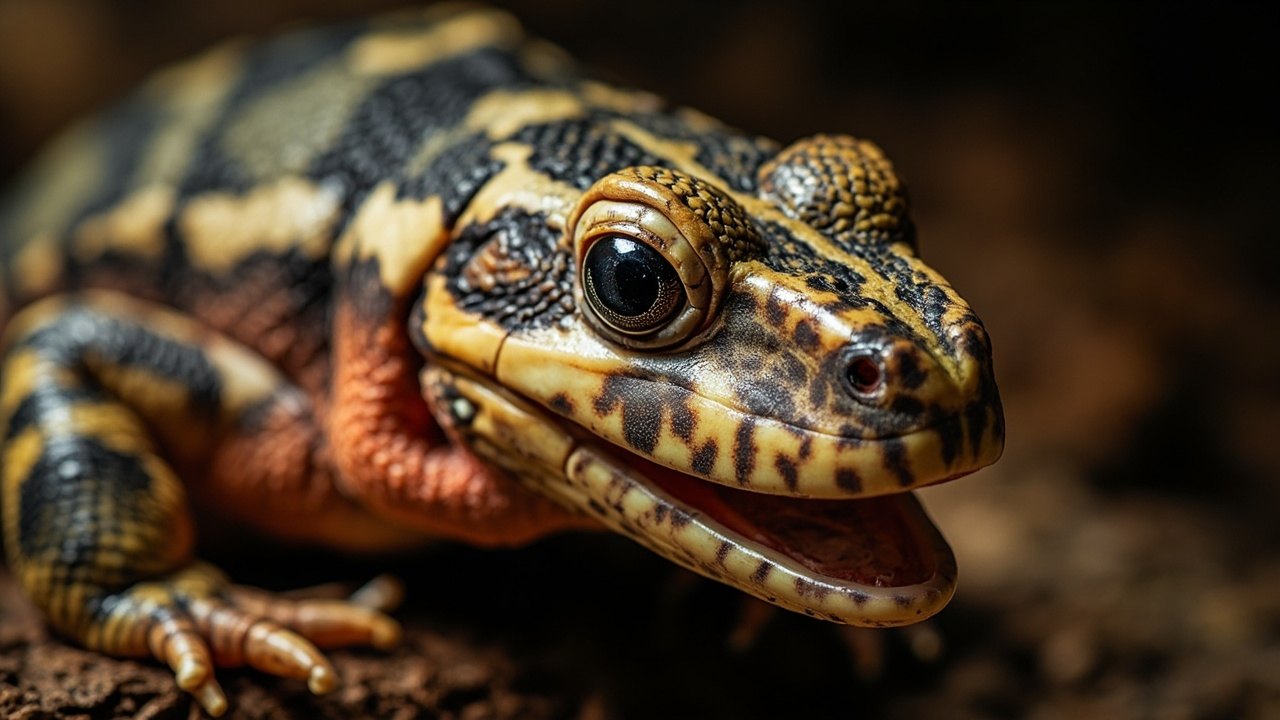
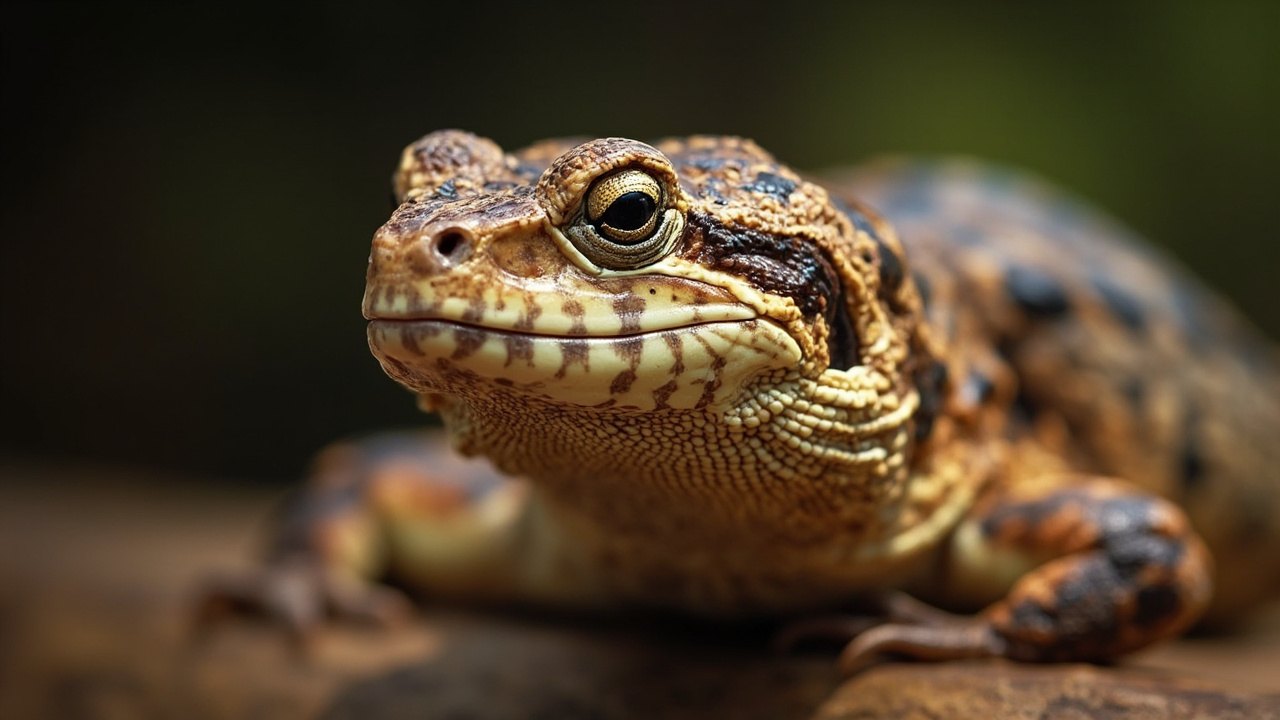
Crocodilians Have a Distinct Design
Crocodilians have two atria and two ventricles, like birds and mammals, but they also retain two aortae and a connection between them called the foramen of Panizza. This anatomy permits controlled shunting in particular physiological situations, including diving. A four-chambered heart does not make crocodilian circulation identical to that of a mammal.
Structure Supports Different Lifestyles
Circulation must respond to temperature, activity, digestion and oxygen availability. Aquatic diving reptiles face different short-term demands from an active lizard in the sun, and each lineage has its own anatomy. Studying those differences helps explain function without assigning one group a more advanced place on an evolutionary ladder. Reptile circulation is diverse because reptile life histories are diverse.
Shunts Describe a Change in Blood Flow
A cardiac shunt occurs when blood follows a route that changes how much reaches the lungs or body tissues before its next circuit. In turtles, lizards and snakes, the partly divided ventricle can allow different patterns of flow under different conditions. A right-to-left shunt can reduce blood flow to the lungs, while a left-to-right shunt can return some oxygen-rich blood toward the pulmonary circuit.
Physiological State Affects Circulation
Temperature, exercise, digestion, breathing pattern and diving can alter metabolic demand and cardiovascular control. During activity or digestion, some reptiles reduce right-to-left shunting, increasing the opportunity for oxygen uptake in the lungs. The exact response differs among lineages and situations. It is safer to describe a measured pattern than to claim that every shunt has one proven benefit for every reptile.
Crocodilians Use a Different Arrangement
Crocodilians have complete ventricular separation but retain two aortae and the foramen of Panizza. Their circulation can direct blood differently during particular physiological states, including submersion. That design cannot be reduced to the common three-chambered or four-chambered shorthand used in basic diagrams. Comparative anatomy shows several effective ways for reptiles to deliver oxygen and remove carbon dioxide.
Sources and review notes
Reviewed 23 August 2026. Fossils, anatomy and family trees become more interesting—not less—when uncertainty is made visible. We have separated well-supported observations from interpretations that may change as new specimens and studies appear.
Reference starting points: The Reptile Database, PubMed-indexed research, and Smithsonian natural-history resources. Conservation status, taxonomy and local laws can change, so check the linked databases and the relevant local authority for current information.
Spotted something we should revisit? Send Reptile Explorer a correction—thoughtful reader feedback is always welcome.